

Antique Ceramic Basin
When you search for an antique ceramic basin, you are looking at utilitarian wash vessels and decorative bowls spanning centuries of global pottery traditions.
Antique Ceramic Basin
When searching for an antique ceramic basin, buyers encounter a diverse array of domestic vessels ranging from utilitarian wash sets and footbaths to decorative jardinieres and punch bowls. These items serve both functional and ornamental purposes within historical interiors.
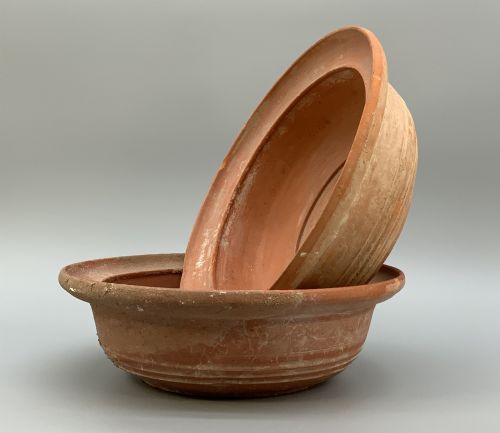
The selections span extensive periods, from pre-sixteenth century red pottery bowls to nineteenth-century earthenware and twentieth-century stoneware. Origin points stretch across British potteries and East Asian export kilns, reflecting distinct regional domestic practices.
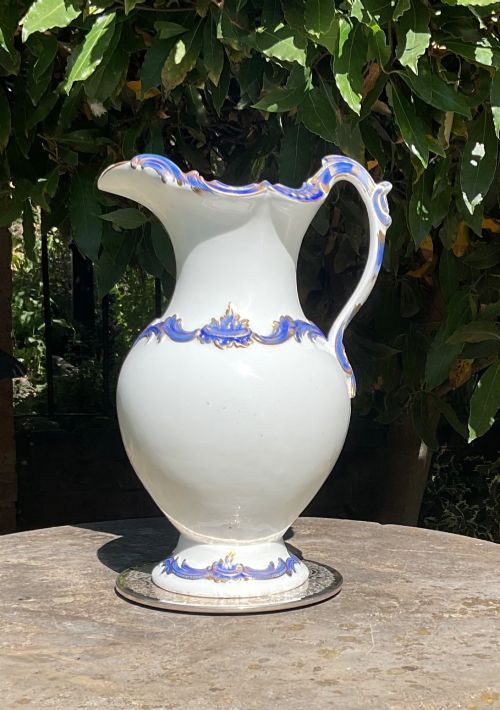
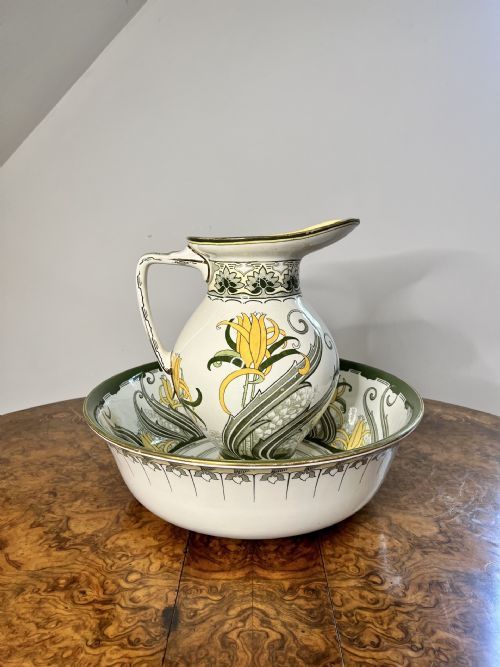
Jug and basin sets dominate the domestic offerings, often designed for bedroom washstands during the Victorian and Edwardian eras. Alongside these, large punch bowls and decorative display pieces demonstrate the broader domestic utility of these glazed ceramics.
How they were made
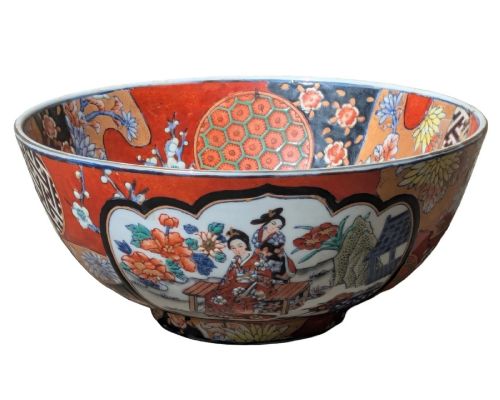
Potters shaped these vessels using earthenware, porcelain, and stoneware, applying various glazes such as cobalt blue and enamel to seal the porous clay bodies. Many pieces utilise hand-painted techniques, incorporating detailed floral patterns, gilt accents, and figurative scenes.
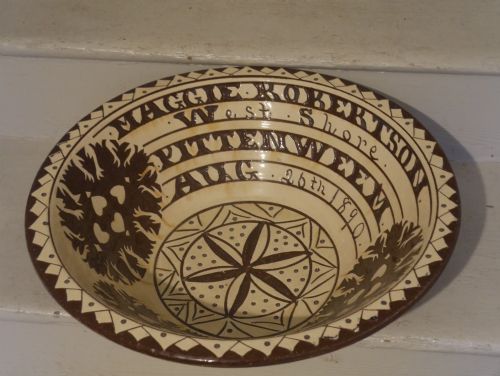
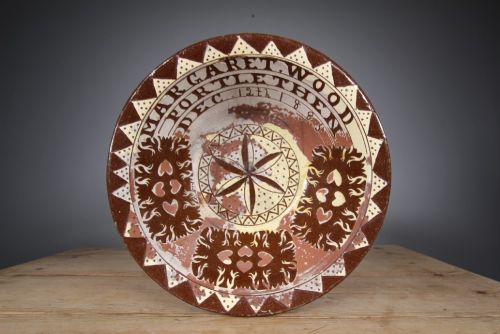
Firing methods varied according to the medium, with high-fired Chinese export porcelains and British ironstone producing durable, resonant bodies. Specialised techniques like slipware and transfer printing, notably flow blue, created distinct surface textures and depth across nineteenth-century examples.
Some nineteenth-century basins doubled as domestic dairy bowls, proving that heavy cream processing and morning ablutions shared the exact same pottery.
What varies in quality
Quality diverges significantly in the crispness of hand-painted transfer prints and the precision of the overglaze enamels. Finer examples maintain sharp delineation in complex motifs, whereas lower-tier production shows blurred outlines and inconsistent glaze pooling.
The sophistication of the clay body and the weight of the porcelain or ironstone dictate the durability and refinement of the finished basin. Superior pieces exhibit balanced proportions, even wall thickness, and stable, resonant firing without warping.
Wemyss·Seaton Pottery·Minton·Masons·Doulon Burslem·Dr Wall Worcester·Chamberlains Worcester·Spode·T G Green·Mann Co
The Antique Ceramic Basin Glossary
- Flow blue
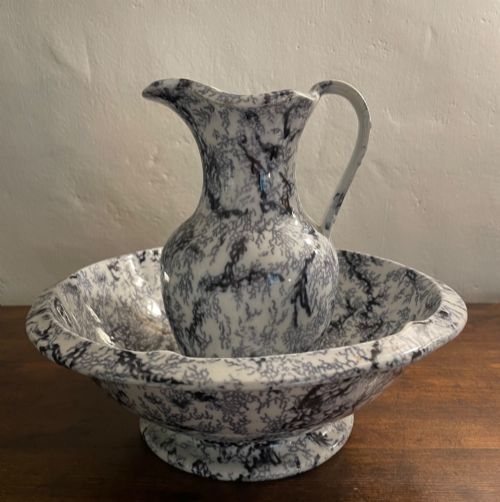
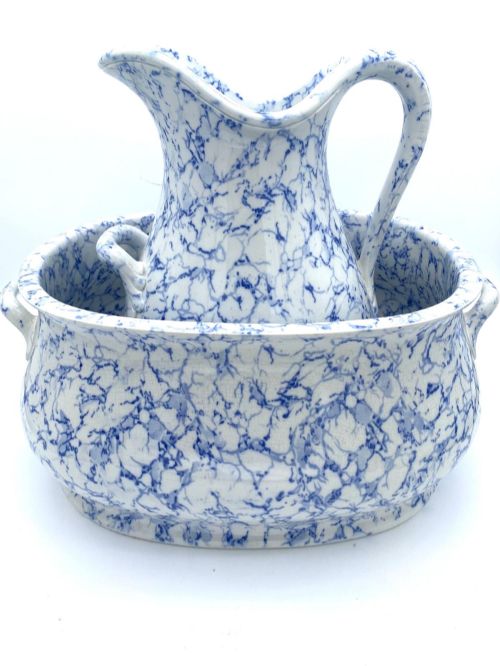
- A nineteenth-century transfer printing technique where cobalt blue intentionally bled into the surrounding white glaze during firing. This produced a soft, hazy appearance favoured in wash sets.
- Imari
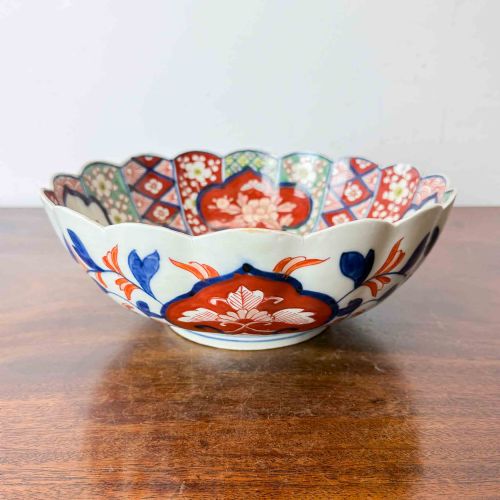
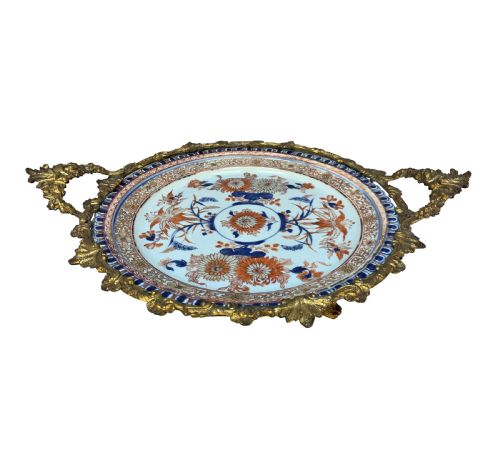
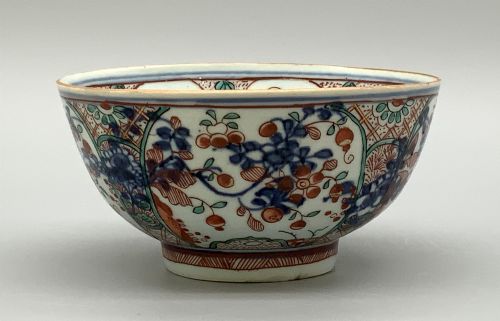
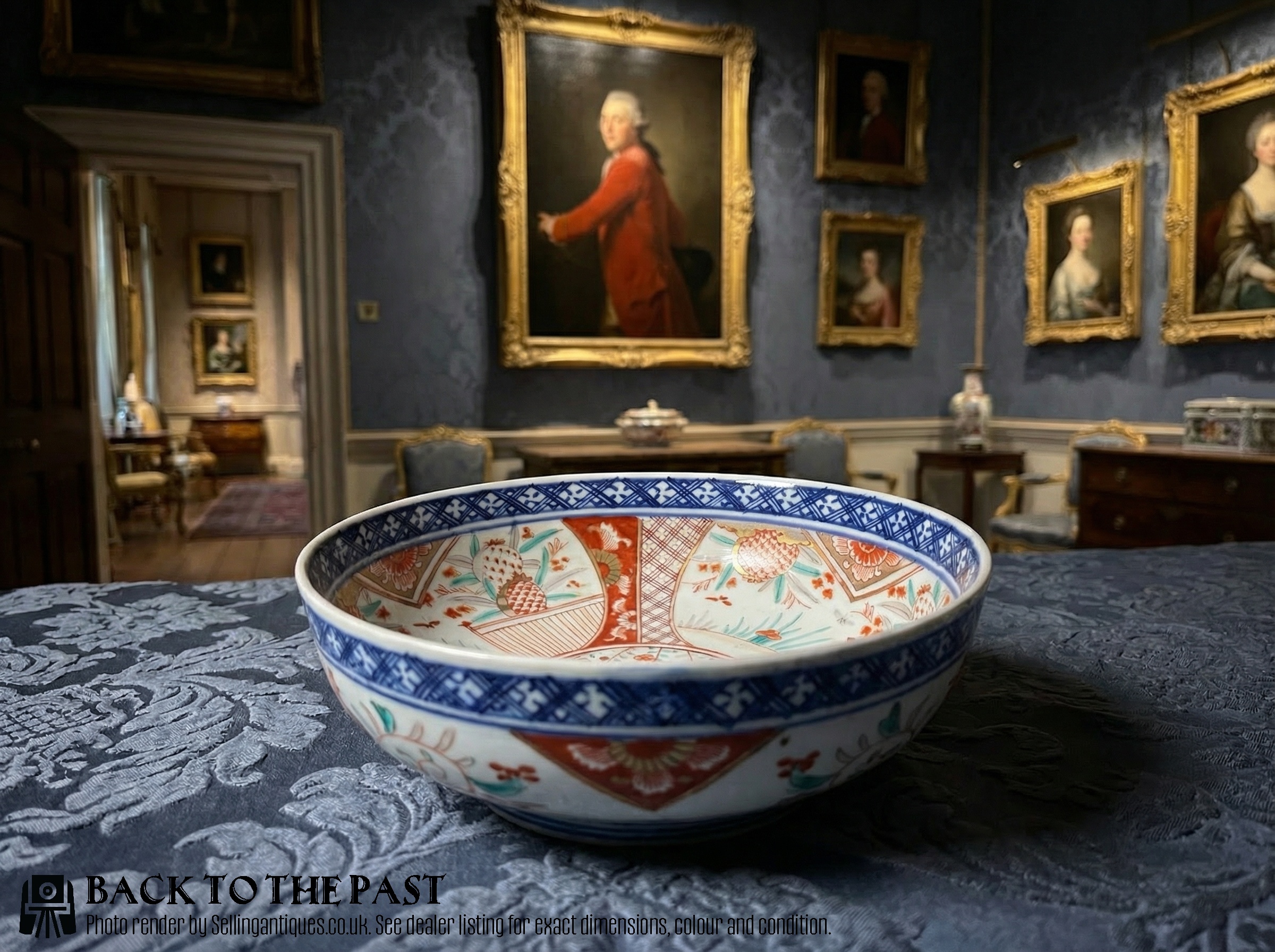
- A style of Japanese porcelain featuring a distinctive palette of underglaze cobalt blue and overglaze iron red, often enriched with gold leaf. These wares were widely exported to Europe from the seventeenth century onwards.
- Slipware
- Pottery decorated with slip, a liquid mixture of clay and water, applied before firing to create raised surface patterns. It represents an older, traditional method seen in domestic dairy and kitchen bowls.
- Ironstone
- A patented ceramic body developed in Britain to imitate Chinese porcelain while offering greater strength and mass production capability. It forms the robust base for many nineteenth-century jugs and basins.
- Famille rose
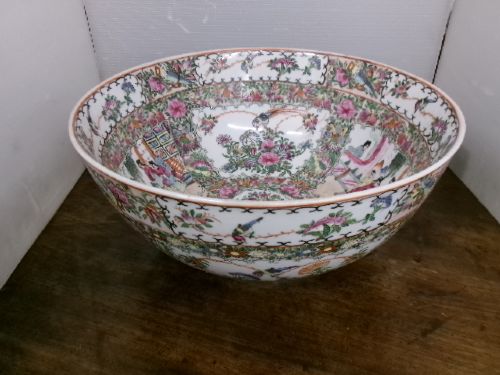
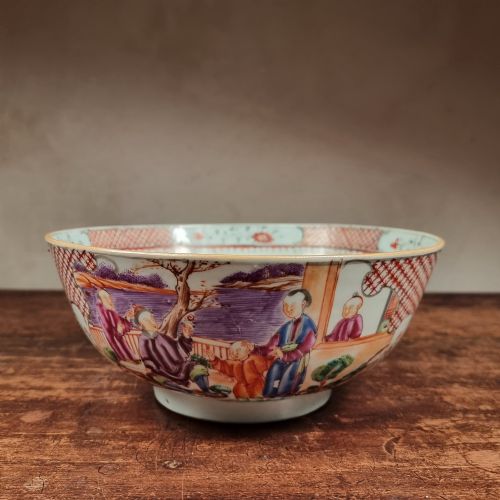
- A Chinese porcelain palette dominated by opaque pink or rose enamel, introduced during the Qing Dynasty. It allowed for subtle tonal gradations in floral and figural decorations.
Antique Ceramic Basin: Frequently Asked Questions
What is the difference between a wash set and a footbath?
Wash sets comprise paired jugs and basins designed for personal hygiene on bedroom washstands, functioning as a matched ensemble for daily washing.
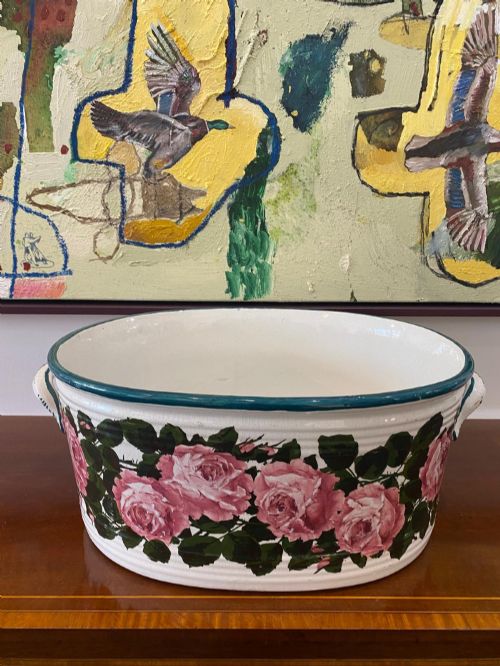
Footbaths are substantially wider, deeper vessels built to accommodate water for soaking feet, often featuring sturdy carrying handles at the sides.
How do I identify Chinese Imari from Japanese Imari?
Chinese Imari ceramics, produced largely for export, typically feature a brighter white porcelain body with crisper, more restrained cobalt blue and iron red painting.
Japanese Imari pieces often display denser patterning, heavier potting, and a slightly greyer or more textured porcelain ground.
Were these basins used for daily washing?
Nineteenth and early twentieth-century ceramic basins served as the primary washing apparatus in bedrooms before indoor plumbing became universal in domestic homes.
Servants filled the matching jugs with warm water from the kitchen so occupants could wash their face and hands at the washstand.
How should I display an antique basin at home?
Large bowls, jardinieres, and footbaths function well as standalone display centerpieces on sturdy tables, sideboards, or floor stands where their interior patterns remain visible.
Jug and basin sets look most authentic displayed together on a period washstand or low chest, keeping the matched decorative theme intact.