



Hand Painted Ironstone
Hand painted ironstone pieces combine robust ceramic bodies with vibrant enamel decoration, offering durable utility and rich visual appeal for any interior.
Hand Painted Ironstone
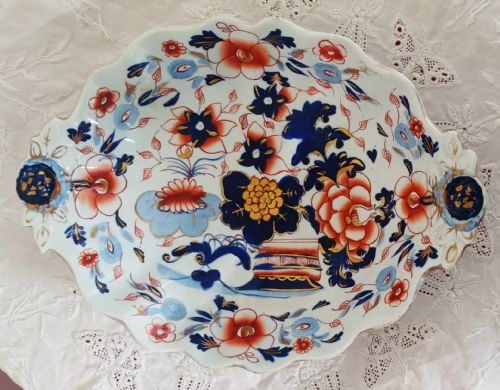
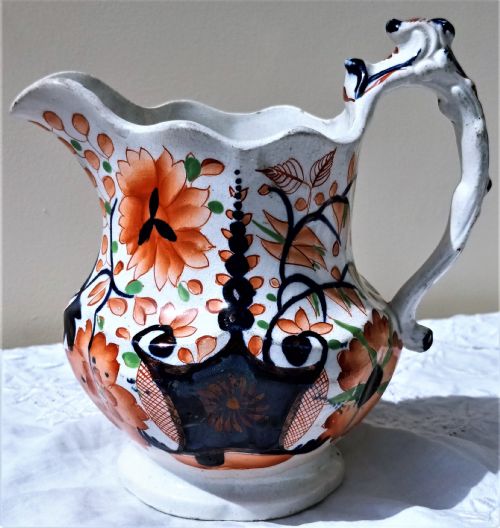
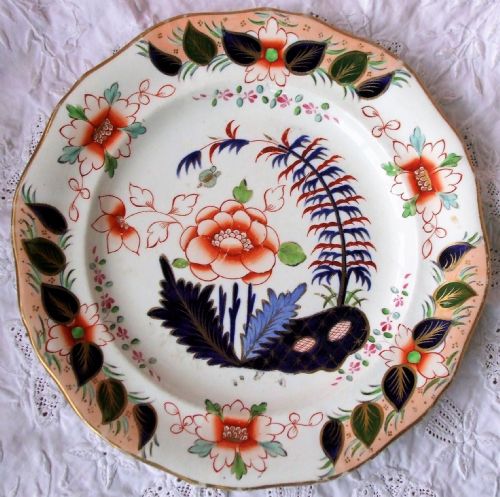
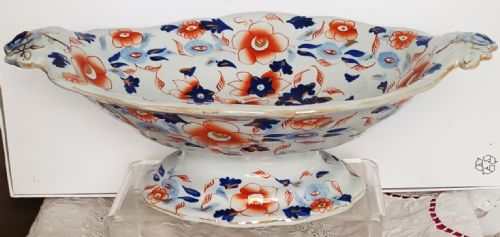
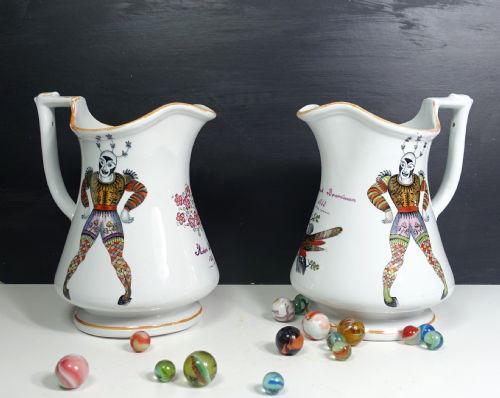
When you search for hand painted ironstone, you encounter sturdy ceramic tableware and display items originating primarily from the nineteenth century, including the Georgian and Victorian eras. These items span practical forms such as jugs, plates, platters, comports, and tureens, alongside more decorative objects like vases and potpourri vessels.
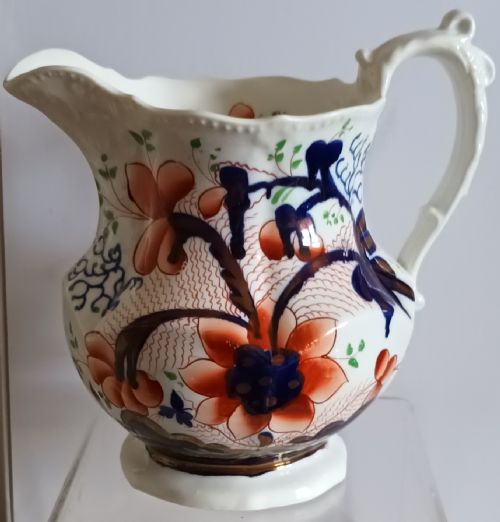
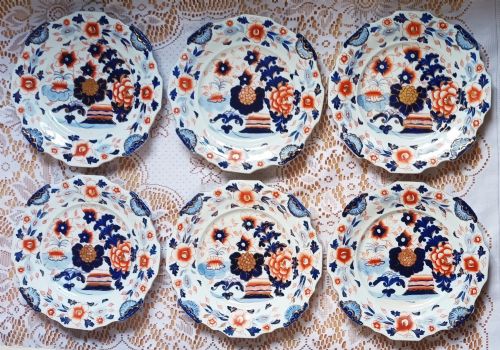
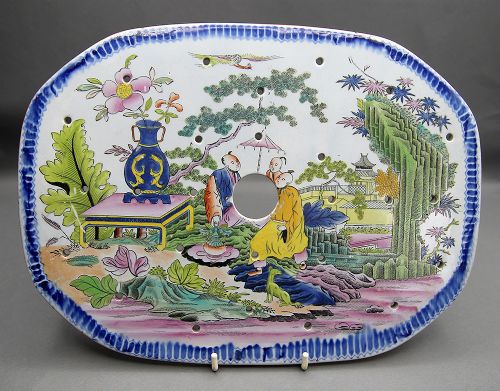
The most common examples on this page are nineteenth-century jugs and plates bearing patterns inspired by Eastern aesthetics, notably Chinoiserie, Japan, and Imari designs. Makers such as Mason and Davenport produced much of this ware, utilising robust earthenware bodies designed for daily use while retaining intricate painted details.
How they were made
Potters formed these items from heavy earthenware and ironstone ceramic bodies, applying glaze to create a smooth surface suitable for intricate decoration. Artisans then executed hand painted motifs using enamel colours, frequently adding gold leaf or gilding to highlight specific patterns.
Many items underwent high-temperature kiln firings to fuse the enamel pigments and glaze to the ceramic base. This technique ensured the vibrant hues of Chinoiserie and Imari patterns endured regular domestic handling over centuries.
What varies in quality
The distinction between standard domestic wares and superior examples rests upon the precision of the hand painting and the ambition of the vessel's form. Elaborate objects such as comports, footed dishes, and large lidded vases often display more intricate enamel work and richer gilding than simple utility plates.
Makers play a substantial role in distinguishing the range, with pieces bearing attribution to established names like Mason exhibiting heavier potting and more confident brushwork. The complexity of the pattern, such as multi-tiered Chinoiserie or Imari scenes, separates standard production from exceptional pieces.
John Davenport of Longport·Miles Mason·Mason
The Hand Painted Ironstone Glossary
- Ironstone
- A heavy, durable type of ceramic developed in the nineteenth century to serve as a tough alternative to porcelain. It takes glazes and enamels exceptionally well.
- Chinoiserie
- A decorative style reflecting European interpretations of Chinese and East Asian artistic traditions. It frequently appears on nineteenth-century ceramic plates and jugs in vibrant enamel colours.
- Comport
- A raised dish or bowl used traditionally for serving fruit or dessert at the table. These often feature footed bases and decorative painted rims.
- Imari
- A pattern style characterised by rich iron-red, cobalt blue, and gold highlights, heavily influenced by Japanese export ceramics. Victorian and Georgian makers adopted this aesthetic widely.
- Tureen
- A deep covered vessel designed for serving soups, vegetables, or sauces at formal meals. These objects often include matching platters or stands.
Hand Painted Ironstone: Frequently Asked Questions
What is hand painted ironstone?
Hand painted ironstone refers to durable ceramic tableware and decorative objects produced largely during the nineteenth century. Artisans decorated these sturdy earthenware bodies with colourful enamel motifs and gilding.
Items range from practical jugs and plates to comports and tureens. The resulting pieces combined utility with vibrant aesthetic appeal.
How do I care for ironstone?
Ironstone is a robust ceramic material designed for practical domestic use. Gentle hand washing preserves the delicate hand painted enamel and gold leaf details over time.
Avoid abrasive cleaners and sudden temperature shifts to protect the historic glaze. Proper care ensures the longevity of these nineteenth-century surfaces.
What periods do these pieces date from?
The pieces on this page originate predominantly from the nineteenth century, encompassing Georgian, Regency, and Victorian eras. Makers produced these wares across several decades of that century.
Stylistic shifts, from early Regency Chinoiserie to later Victorian Imari patterns, help indicate the approximate timeframe of manufacture. Construction techniques also reflect these distinct nineteenth-century periods.
How were Chinoiserie patterns used?
Chinoiserie patterns decorated various forms, including plates, vases, and washbasin jugs. These designs featured whimsical Eastern-inspired landscapes and architectural motifs.
Artisans applied these scenes by hand using bright enamel palettes. This added an exotic visual element to standard British ceramic tableware.