


Masons China Dish
These masons china dish selections bring durable nineteenth century serving pieces into your dining room.
Masons China Dish
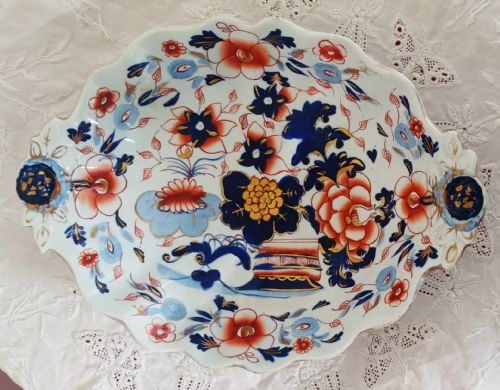
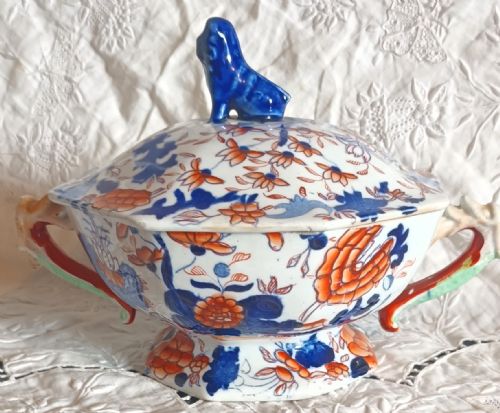
When searching for a masons china dish, you encounter heavy ceramics designed for heavy service during the nineteenth century. These items include large platters, soup tureens, comports, and serving dishes produced during the Georgian and Victorian eras.
The pieces often feature intricate decorative schemes spanning Japanese, Chinese, and European motifs such as Japan pattern, Chinoiserie, and Green Mandarin. You are most likely to find large platters, tureens, and dessert shapes originating from nineteenth century production.
Makers utilised robust bodies to create functional tableware that endured decades of family dining. The forms range from small pickle dishes and soap dishes to expansive meat platters and footed cheese dishes.
Materials and construction
Potters constructed these heavy serving vessels using ironstone china and ceramic bodies fired to withstand rigorous daily use. This dense material provided a durable foundation for elaborate surface decoration.
Craftsmen applied enamel paints and glaze over the fired ceramic before adding gold leaf and gilding highlights. Many items display hand painted details across patterns such as Indian Grasshopper, Bamboo, and Pagoda.
Nineteenth century households relied on specialised vessels for everything from soup to soap, proving that even a humble washstand needed a coordinated dish.
Distinctions in quality
The standard of a piece depends heavily on the precision of the hand painted enamel work and the crispness of the transfer printed outlines. Superior examples display vibrant, densely applied colours and meticulous gold leaf detailing that remain sharp across the surface.
Completeness alters the character of these items, particularly when covers, ladles, or matching underplates survive alongside the primary vessel. The complexity of the chosen pattern, from simple landscapes to elaborate Chinoiserie compositions, also distinguishes finer output.
Higginbotham
The Masons China Dish Glossary
- Ironstone
- A patented ceramic body invented to provide a durable, hardwearing alternative to porcelain. It resists chipping and forms the heavy base of nineteenth century service dishes.
- Comport
- A raised serving dish or pedestal bowl used for presenting fruit or dessert during formal meals. These sit on a footed base above the table surface.
- Chinoiserie
- A European artistic style reflecting Chinese and East Asian motifs. It appears widely across nineteenth century pottery in scenes of landscapes, figures, and pavilions.
- Tureen
- A deep covered bowl designed for serving soup, sauce, or vegetables at the table. They frequently include matching covers and handles.
- Ashet
- A Scottish regional term for a large meat platter or serving dish. These substantial ceramics served joints of meat at grand dining tables.
Masons China Dish: Frequently Asked Questions
What is a masons china dish used for?
These items served various practical dining functions throughout the nineteenth century. They held meats, vegetables, soups, and desserts during large family meals and formal dinner parties.
Smaller versions functioned as pickle dishes, soap dishes, or individual sauce tureens with ladles. Larger pieces acted as meat platters, cheese dishes, and soup tureens.
How do you date a masons china dish?
Dating relies upon identifying the ceramic body, the style of the pattern, and any applied registry marks or printed stamps. Most surviving pieces date from the nineteenth century, spanning the Georgian and Victorian eras.
Early nineteenth century items often display patent ironstone marks alongside vibrant Chinoiserie or Japan pattern enamels. Later Victorian examples shifted toward different landscape and floral designs.
Are these dishes safe for food?
While these nineteenth century ceramics were originally manufactured for dining, older glazes and enamel paints can contain lead. Modern collectors generally treat them as display items rather than daily tableware.
Hand washing is essential for preserving the delicate enamel paints and gold leaf gilding. Dishwashers and microwaves will quickly ruin the historic surface decoration.
What is ironstone china?
Ironstone is a heavy, semi vitrified ceramic patented in the early nineteenth century as a tough substitute for true porcelain. It combines ball clay, china stone, and scoria to create a sturdy body.
This robust material allowed makers to produce large meat platters, soup tureens, and footed cheese dishes that survived heavy household service.