



Imari Style Ironstone
Imari style ironstone brings together robust nineteenth-century ceramic bodies and rich, pattern-heavy decoration that draws the eye across the room.
Imari Style Ironstone
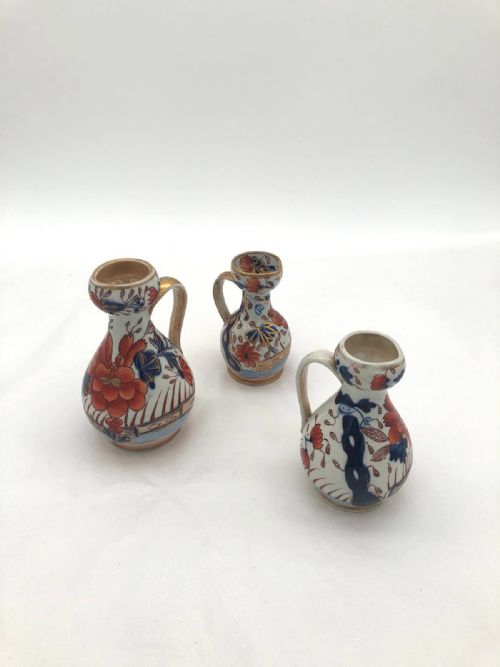
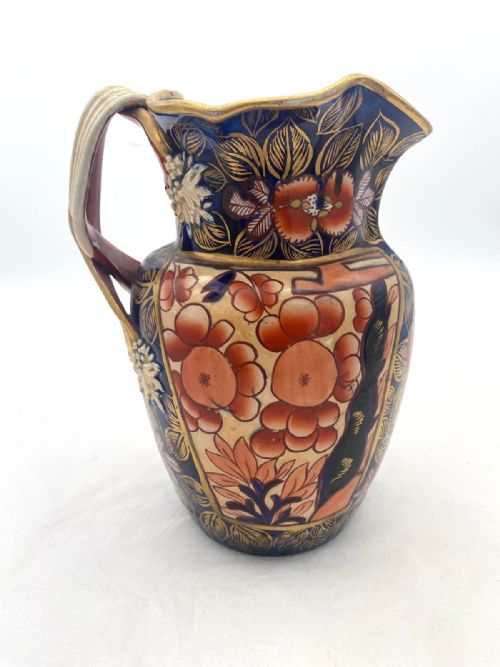
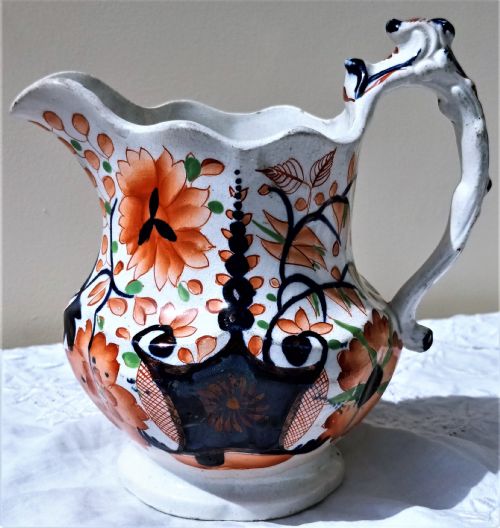
When you search for imari style ironstone, you encounter sturdy nineteenth-century forms designed for both display and heavy domestic use. The pieces span periods such as the Regency and Victorian eras, taking shapes like serving platters, soup tureens, jugs, and dinner plates.
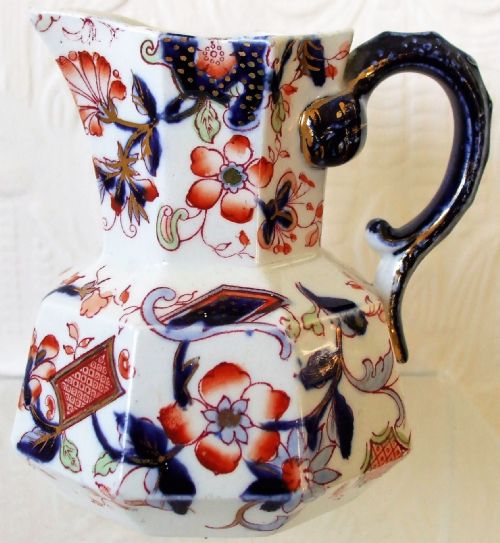
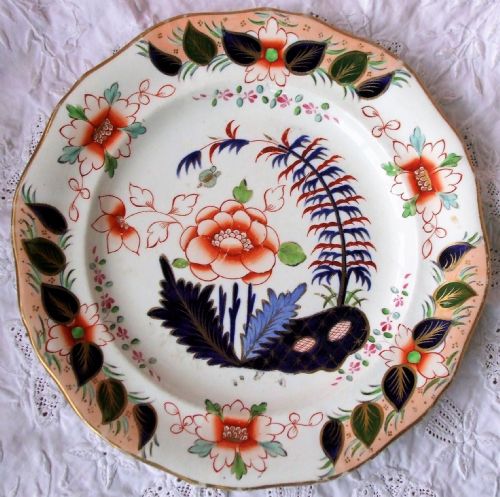
The most common versions on this page are nineteenth-century jugs and plates bearing named patterns like Schoolhouse, Japan Basket, and Fence and Doves. These items combine the utility of heavy ceramic with the vibrant palette associated with Japanese export ceramics.
Materials and production
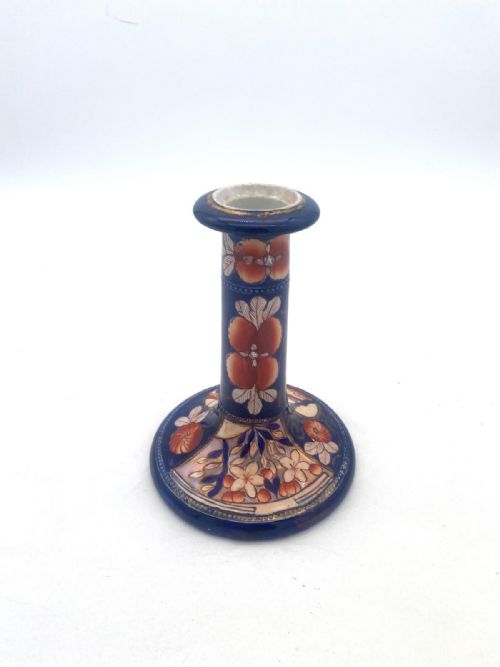
These items rely on ironstone ceramic or earthenware bodies that provide heavy, durable foundations for functional wares like vegetable tureens and large dinner services. Potters shaped these dense bodies into octagonal jugs, candlesticks, and well and tree serving platters.
Makers applied hand-painted enamels, glaze, and gold leaf over the ceramic substrate to achieve the distinctive Imari aesthetic. Gilding and ironstone combined to create wares that balanced resilience with decorative ambition.
Doves and grasshoppers occasionally share dinner plates with formal geometric fences.
Assessing quality
Quality rests upon the crispness of the transfer printing and the precision of the hand-applied enamel work and gold leaf. Stronger examples display deep, vibrant colours that sit evenly within the glaze without bleeding or fading across the ironstone body.
The sophistication of the moulding also separates standard output from superior pieces, particularly in faceted forms like octagonal jugs and handled tureens. Well-defined relief work and clean potting lines indicate a higher standard of manufacture.
Keeling and Co·John Davenport of Longport·John Ridgway·Minton·Coalbrookdale
The Imari Style Ironstone Glossary
- Ironstone
- A patented ceramic body invented in the nineteenth century to provide a durable, heavy alternative to porcelain. It takes glazes and enamels readily while resisting chipping.
- Imari
- A decorative style inspired by Japanese porcelain export wares, characterised by a palette of cobalt blue, iron red, and gilt highlights. British makers adapted this aesthetic extensively on ironstone bodies.
- Ashet
- A Scottish and northern English term for a large serving platter or meat dish. These substantial pieces frequently appeared in nineteenth-century dining services.
- Tureen
- A deep covered vessel used for serving soup, sauce, or vegetables at the table. Examples in ironstone often include matched stands or undertrays.
Imari Style Ironstone: Frequently Asked Questions
What is imari style ironstone?
Imari style ironstone consists of heavy nineteenth-century ceramic wares decorated in the Japanese export taste using cobalt blue, iron red, and gilding. These items include plates, jugs, and tureens produced by various English potteries.
The style mimics the rich palettes of imported wares while utilising durable British ironstone bodies intended for practical household dining.
How were these pieces used?
These wares served practical dining functions in nineteenth-century households, ranging from individual dessert plates and soup bowls to large serving platters and soup tureens. Robust construction allowed them to withstand regular use at the table.
Candlesticks, vases, and soap dishes also appeared in this material, extending the decorative scheme beyond the dining room into other domestic spaces.
How do I date these ceramics?
Dating relies on recorded periods such as the Regency and Victorian eras, alongside specific maker marks stamped or printed on the base. Stylistic cues like named patterns also help anchor items within the nineteenth century.
Changes in body composition and potting techniques across different decades provide further context for establishing when a piece was manufactured.
How do I care for imari ironstone?
Care requires gentle hand washing with mild detergent to preserve the hand-painted enamels and delicate gold leaf highlights. Abrasive cleaners and modern dishwashers can degrade the surface glaze over time.
Storage should involve careful stacking with protective pads between plates and platters to prevent chipping along the rims of the ironstone bodies.