


Victorian Soup Dish
These nineteenth century victorian soup dish examples and tureens bring hearty dining ceremony to the table through robust ceramic and plated metal work.
Victorian Soup Dish
A victorian soup dish encompasses deep ceramic vessels, lidded tureens, and heavy ironstone serving pieces designed for nineteenth century dining. Buyers searching this term often discover large lidded tureens complete with matching ladles and deep plates intended for family service.
The pieces appearing on this page stem from the nineteenth century, including specific dates from the 1880s and 1890s. They represent the domestic output of English potteries and silversmiths operating during the Victorian era.
Materials and construction
Potters utilised earthenware, ironstone, and ceramic bodies finished with lead glaze, enamel, or transfer print decoration. Ironstone provided a durable dense body suitable for heavy daily use in busy Victorian kitchens and dining rooms.
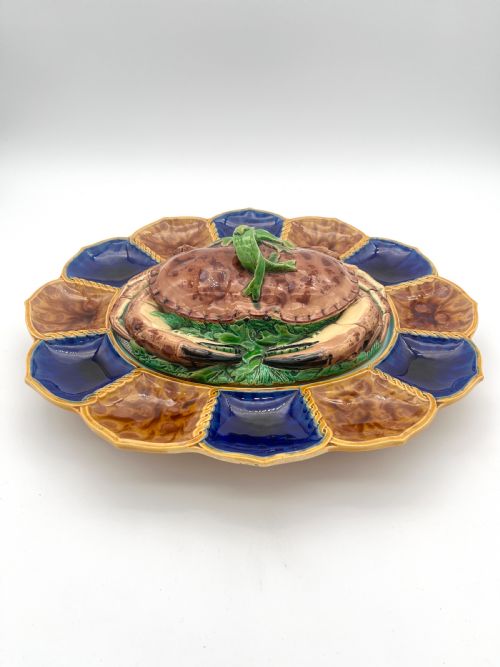
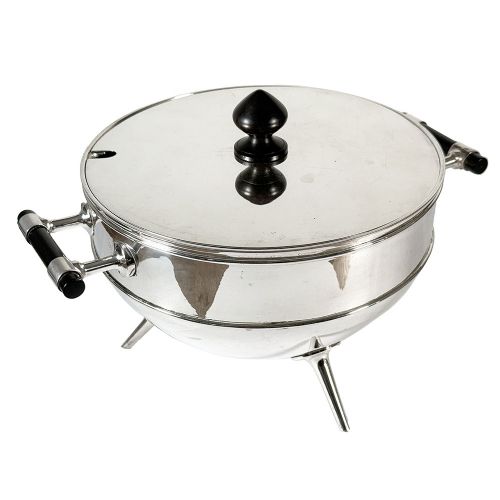
Metal vessels combine silver plate over a base metal with ebonised wood handles or feature plain pewter rims. Ceramic pieces frequently incorporate applied details such as realistic crab or cabbage leaf mouldings alongside hand-painted gold leaf highlights.
Listings feature 19th Century, 1880, 1890, and Victorian periods alongside materials such as earthenware, ironstone, silver plate, and enamel.
Judging quality and execution
Superior examples display crisp transfer printing, precise moulding of botanical or animal forms, and intact gold leaf detailing. The presence of matching ladles and original lids elevates the integrity of a complete serving set.
Makers known for exceptional ceramic bodies and silver design, such as Minton, Royal Worcester, and Christopher Dresser, demonstrate superior artistic ambition. Weight, balance, and the crispness of the earthenware stamp separate standard utility ware from ambitious factory production.
Minton Majolica·Christopher Dresser·Royal Worcester·Doulton Burslem·Mason Ironstone·Copeland and Garrett
The Victorian Soup Dish Glossary
- Ironstone
- A patented ceramic body invented in the nineteenth century that mimics porcelain while offering superior strength and chip resistance. It provides a heavy, durable foundation for transfer-printed and glazed soup vessels.
- Tureen
- A deep covered bowl designed for serving soups, sauces, or stews at the dining table. These vessels typically sit on an integrated or matching base and often include side handles and a matching ladle.
- Transfer Print
- A decoration technique where an engraved metal plate transfers a design onto tissue paper, which is then pressed onto the ceramic body before glazing. This method allowed intricate blue and white patterns to be produced consistently.
- Majolica
- A type of earthenware covered with an opaque tin glaze and painted with brightly coloured metal oxide pigments. Victorian majolica pieces frequently adopt naturalistic plant and animal shapes like cabbage leaves and marine life.
- Silver Plate
- A manufacturing process where a thin layer of silver is bonded to a base metal substrate such as copper or nickel alloy. This technique created impressive dining vessels at a fraction of the cost of solid silver.
Victorian Soup Dish: Frequently Asked Questions
Can I use these antique tureens for serving food?
Most nineteenth-century ceramic and silver-plated tureens remain structurally sound for serving dry foods or warmed soups during special occasions. Inspect the interior glaze for any crazing or hairline cracks that might absorb liquids over time.
Historic lead glazes and silver plate require gentle handling and should not be subjected to modern dishwasher cycles or microwave heating. Modern food safety standards suggest caution with older glazes, so many collectors prefer using them for display or dry presentation.
How do I date a Victorian soup vessel?
Examine the base of ceramic pieces for impressed factory marks, printed maker stamps, and registry symbols that indicate the exact year of production. Stylistic clues such as Aesthetic Movement motifs or bold ironstone stamps also point toward specific decades like the 1880s or 1890s.
Silver-plated items often carry maker stamps and electroplate culls that help narrow down the manufacturing workshop. Comparing the weight, glaze opacity, and decorative style against documented factory histories provides further chronological clarity.
What is the difference between ironstone and earthenware?
Ironstone is a specific heavy ceramic formulation patented to resist chipping and heavy wear, combining china stone with ball clay and feldspar. Earthenware is a more porous, traditional pottery body fired at lower temperatures and typically covered in a protective glaze.
Both materials were widely utilised across the nineteenth century for producing durable soup dishes and heavy tableware. Ironstone generally feels much denser and rings with a clearer tone when tapped gently compared to standard earthenware.