

19th Century Ceramic Figurine
A 19th century ceramic figurine brings cabinet-scale sculpture into the room, offering figurative subjects from portrait figures to parian studies that collectors prize for their period character.
19th Century Ceramic Figurine
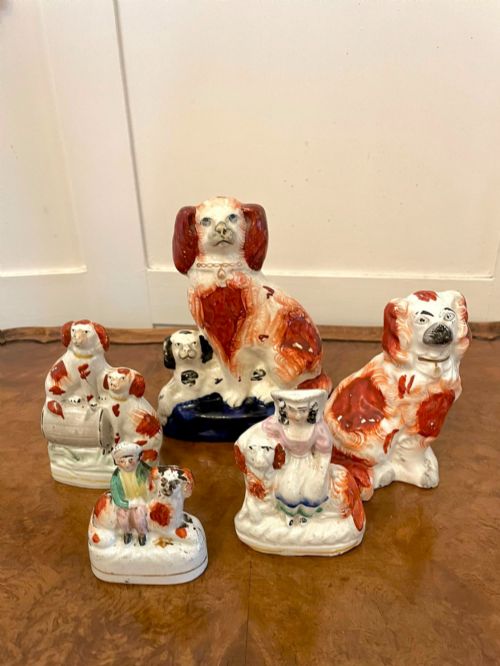
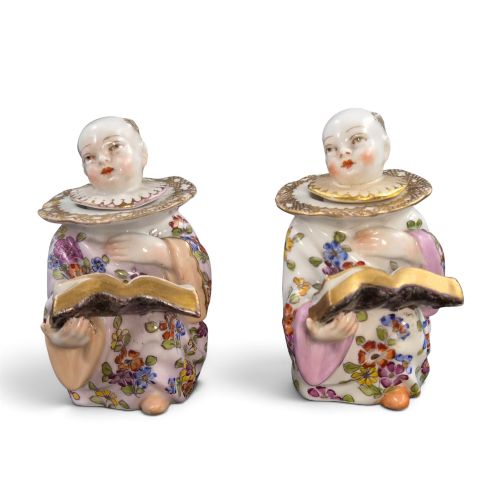
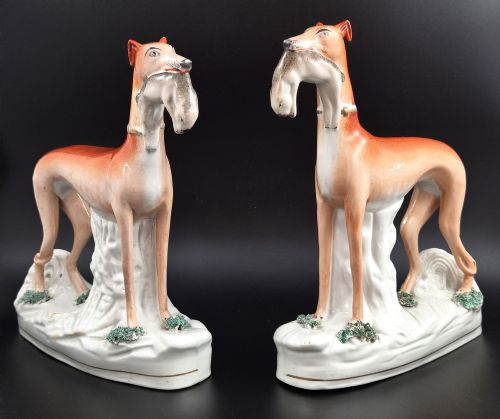
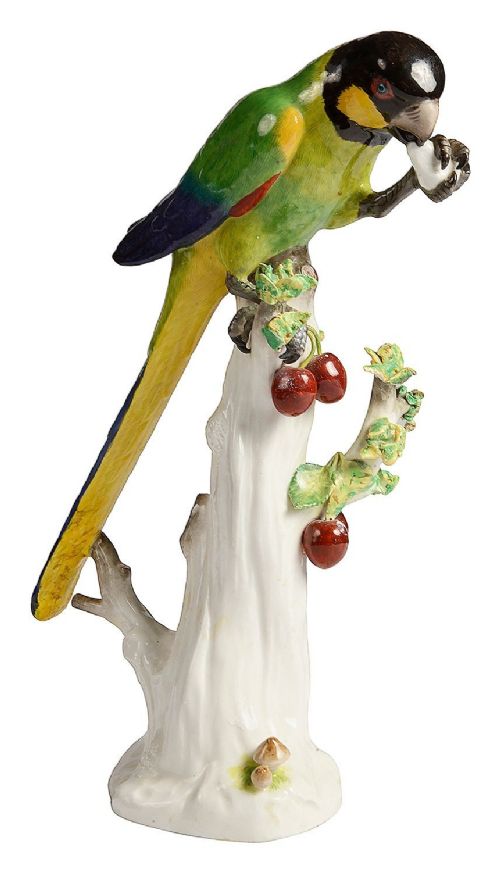
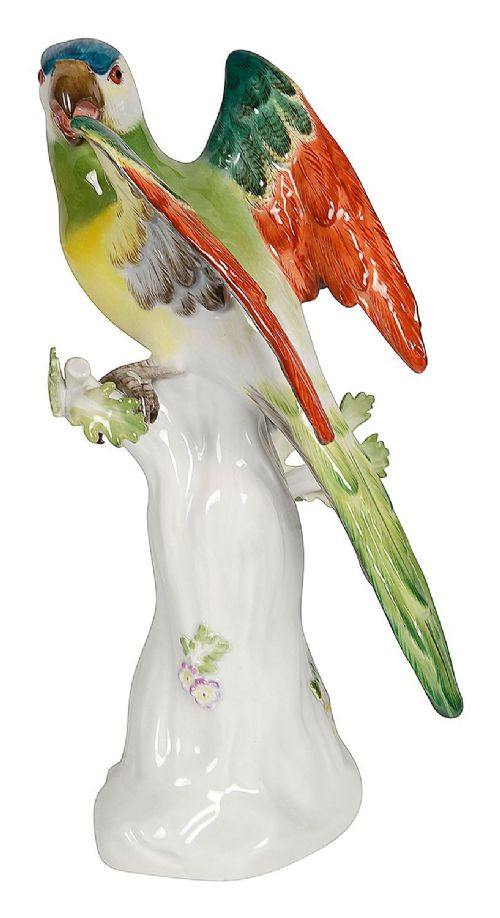
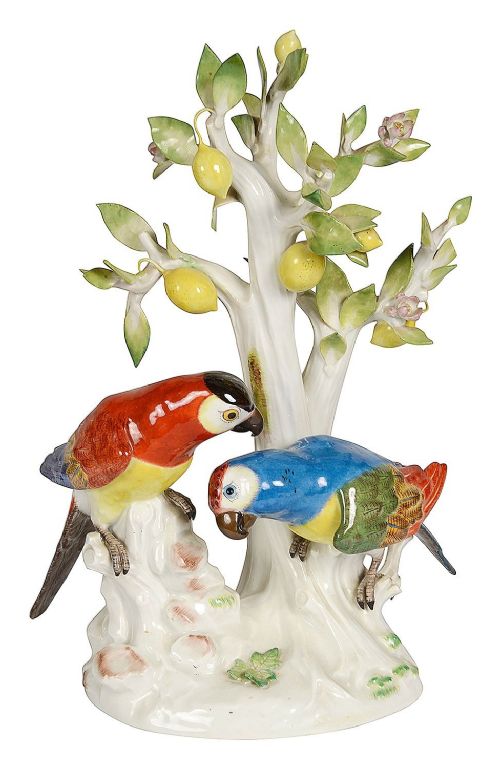
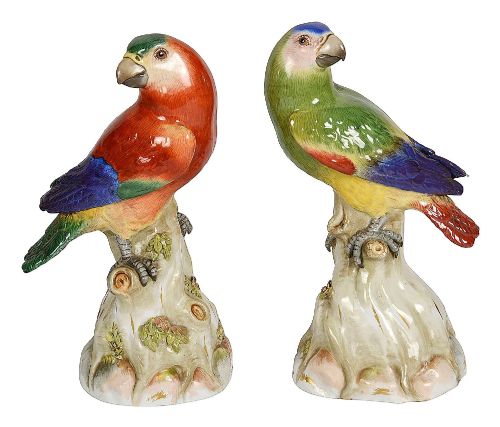
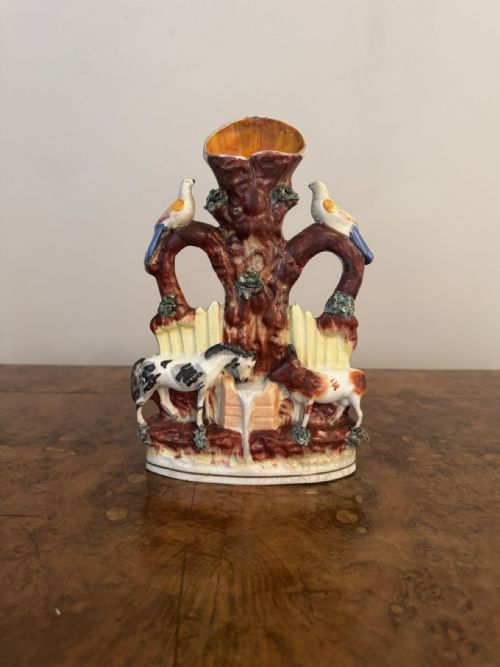
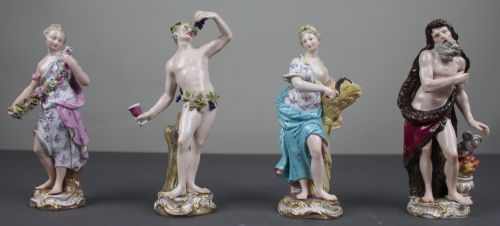
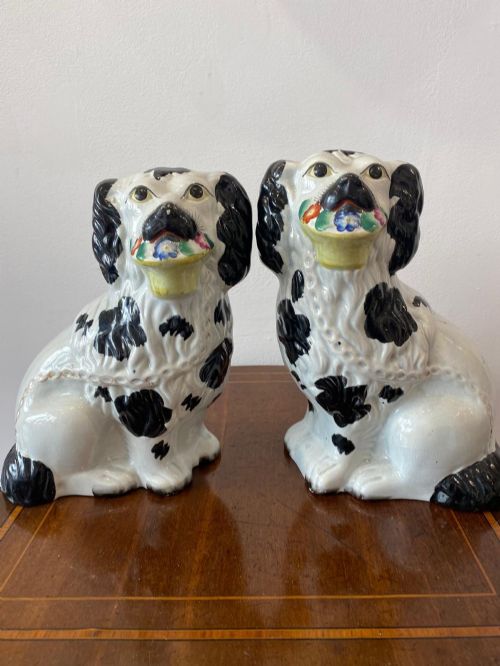
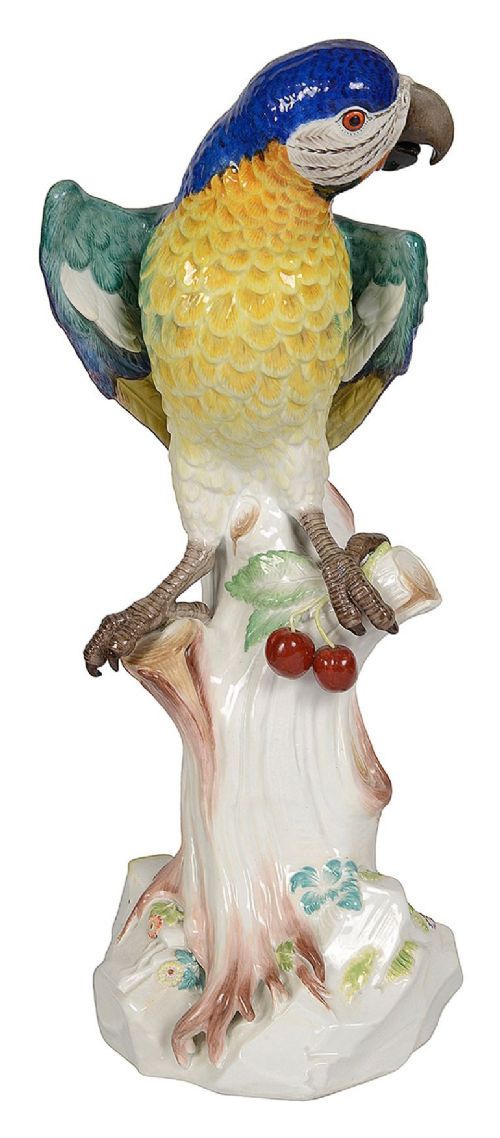
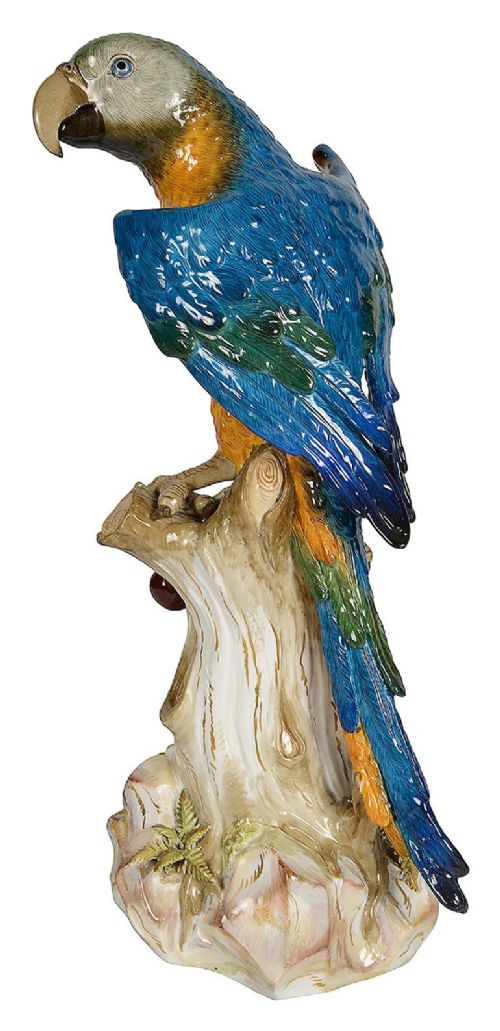
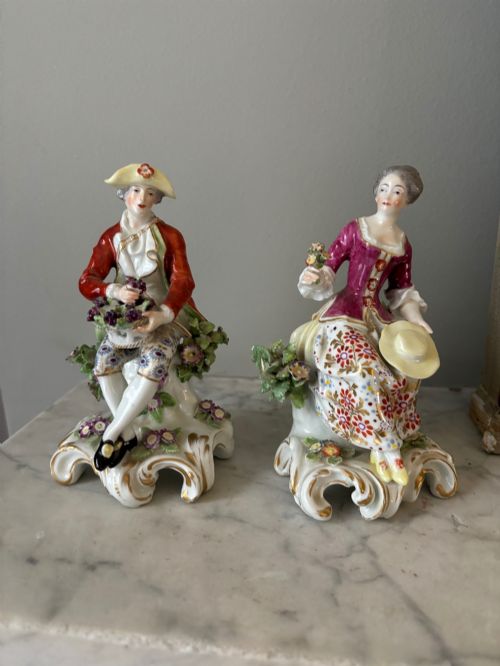
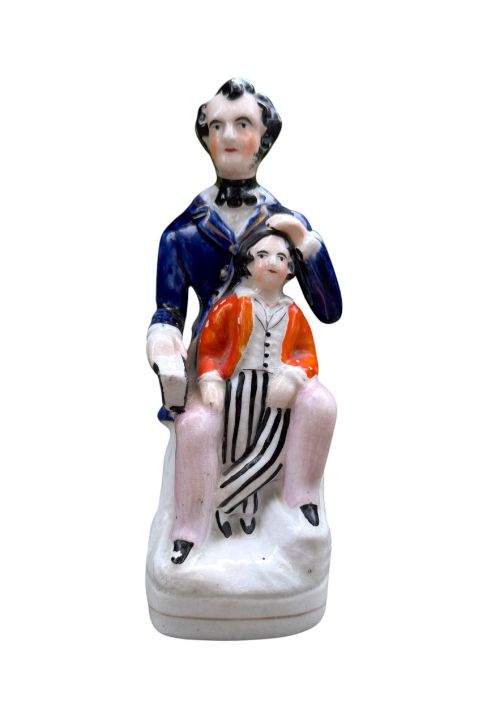
A 19th century ceramic figurine encompasses diverse forms, with Staffordshire earthenware dogs, figures, and spill vases dominating the selection alongside continental porcelain works from Meissen and Volkstedt. These pieces range from folk art pottery animals to finely modelled porcelain allegorical figures and figural salts.
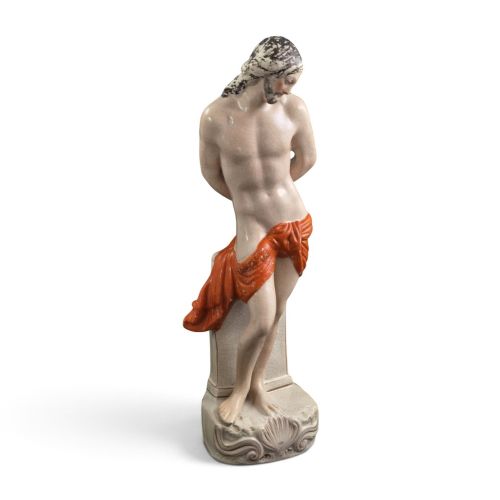
The objects span domestic Staffordshire flatbacks, portrait subjects of historical figures, and classical studies in parian ware. Buyers encounter British earthenware alongside French, German, and Dutch ceramic traditions from various decades of the nineteenth century.
Materials and Methods
Makers utilised earthenware, hard-paste porcelain, and parian body, shaping the clay through moulding and hand-modelling before applying lead glaze, enamel colours, and occasional gold leaf accents. Many Staffordshire pottery figures received hand-painted detailing over a basic white ground, while porcelain pieces involved high-temperature kiln firing.
Techniques varied between the slip-casting or pressing methods used for utilitarian Staffordshire animals and the intricate modelling required for multi-figure Meissen groups or Vieux Paris biscuit porcelain.
Listings feature earthenware, hard-paste porcelain, and biscuit porcelain across Victorian and Georgian periods.
Judging Quality
The handling of the glaze and the retention of original gilding also influence standing, as heavily worn surfaces or muddy colours diminish the visual impact of the original form.
Edmé Samson·Meissen·Volkstedt Rudolstadt Factory·Royal Worcester·John Bevington
The 19th Century Ceramic Figurine Glossary
- Flatback
- A Staffordshire figure designed with a finished front and a flat, unpainted rear intended for display against a wall on a mantelpiece.
- Parian ware
- A fine-grained, unglazed porcelain resembling marble that manufacturers developed in the mid-nineteenth century for sculptural groups.
- Spill vase
- A hollow pottery figure incorporating an attached cylinder designed to hold wooden spills for lighting fires or candles.
- Biscuit porcelain
- Unglazed porcelain fired once to produce a matte, marble-like surface texture popular in French and English ornamental figures.
19th Century Ceramic Figurine: Frequently Asked Questions
What are Staffordshire flatbacks?
Staffordshire flatbacks are earthenware figures produced in the Midlands during the nineteenth century, featuring painted details on the front while the back remains flat.
These pieces typically depicted royalty, literary characters, and animals for domestic mantelpiece display.
What is a ceramic spill vase?
A spill vase is a hollow pottery figure that incorporates a vertical cylinder alongside the main subject.
Victorian households used these vessels to hold thin wooden matches or taper spills near the fireplace.
How should I clean antique figures?
Antique ceramic figures require careful dusting with a soft, dry brush to protect delicate painted enamels and gilding.
Water and liquid cleaners risk damaging nineteenth-century glazes and porous earthenware bodies.