


Antique Ceramic Mantel Ornament
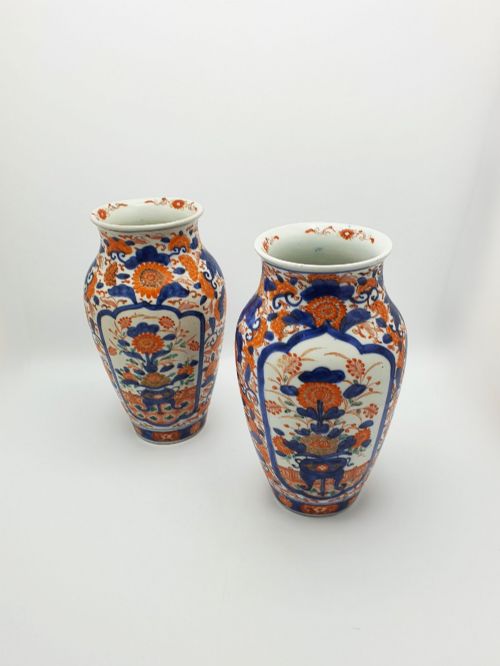
When you search for an antique ceramic mantel ornament, you are looking at figures, spill vases, and portrait pieces designed to stand on a shelf.
Antique Ceramic Mantel Ornament
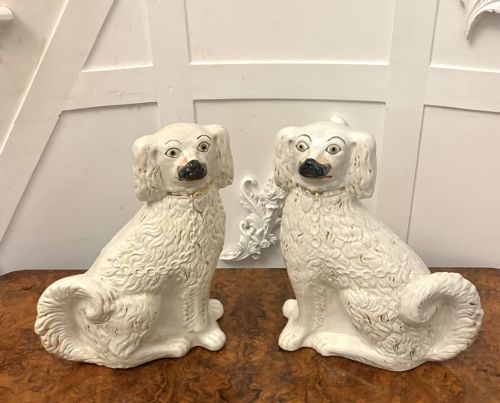
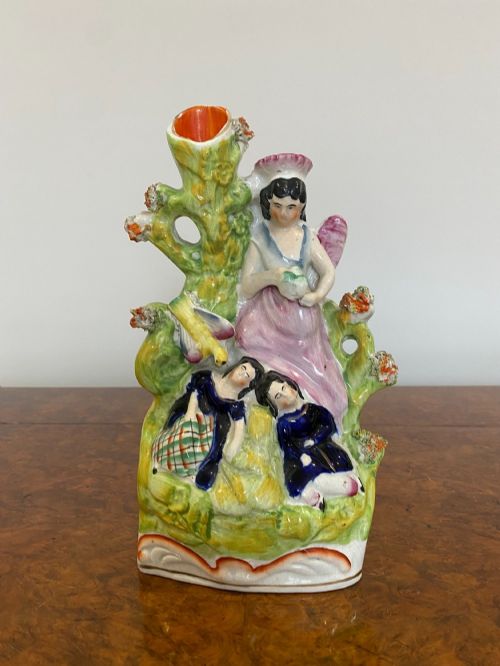
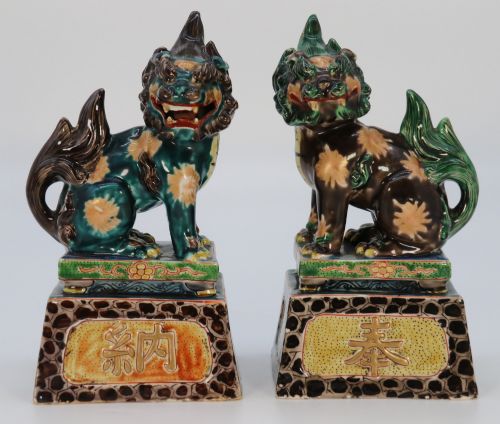
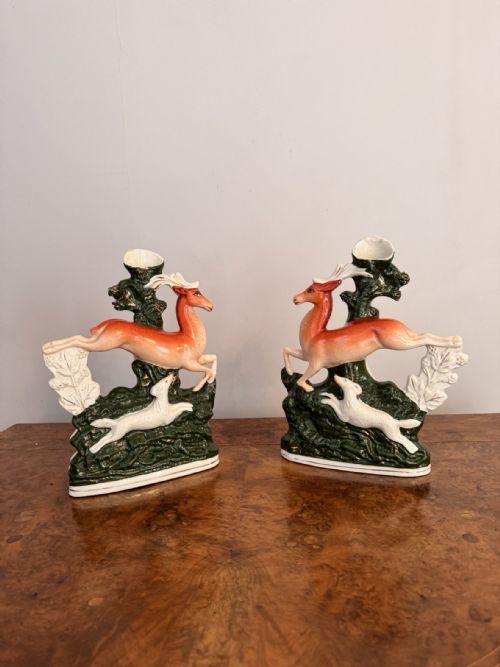
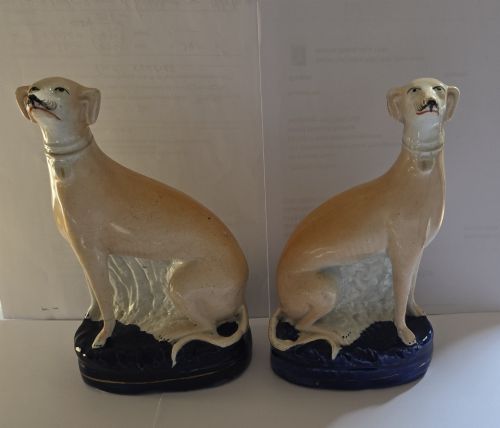
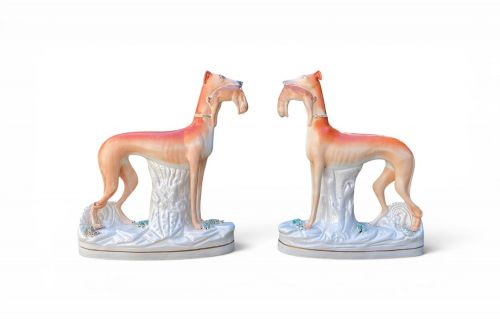
An antique ceramic mantel ornament brings character to a room through modelled figures, animals, and spill vases produced during the nineteenth century and earlier. You will most frequently encounter Victorian Staffordshire pottery dogs, lions, greyhounds, and spill vases shaped from earthenware.
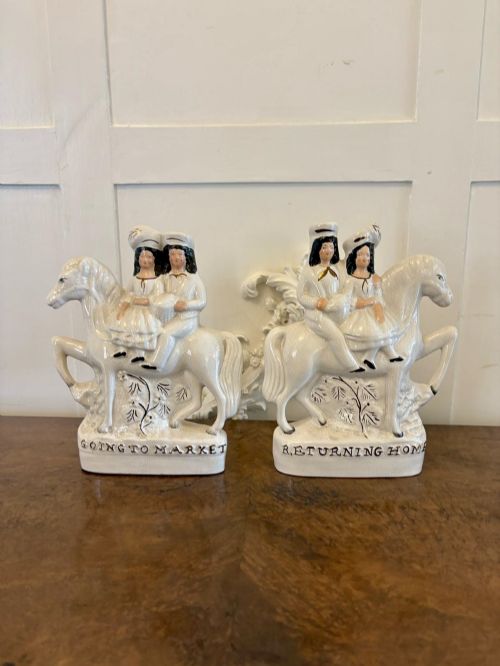
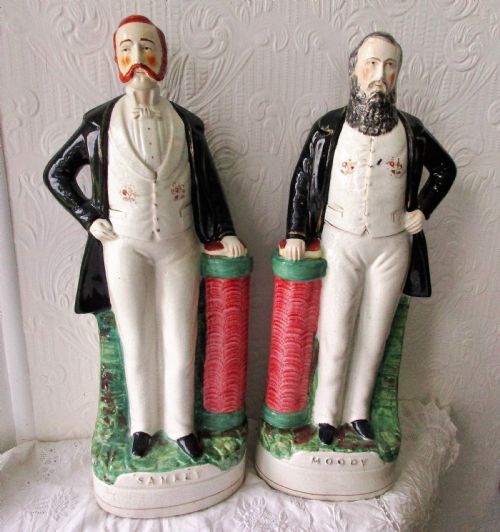
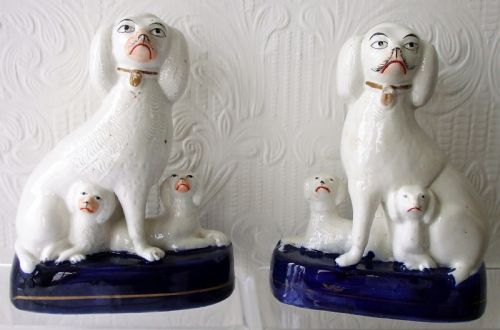
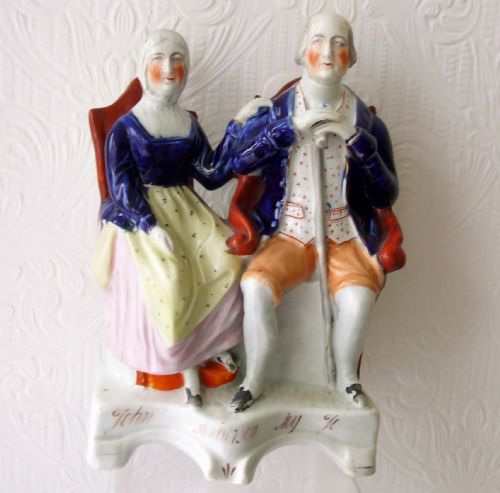
The selection ranges from portrait figures and royal children on horseback to pastoral porcelain groups and poodles with pups. These pieces served primarily as decorative items to enliven domestic hearths and mantels across Britain and Europe.
How They Were Made
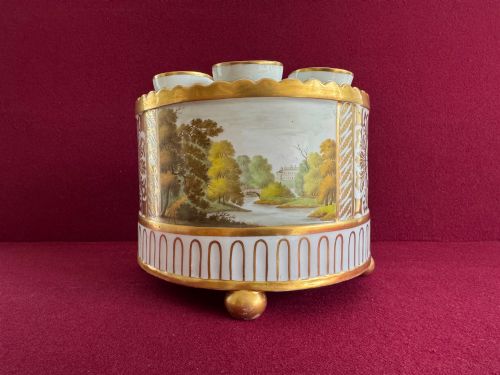
Potters shaped these ornaments using earthenware, porcelain, and pearlware, often finishing the surfaces with lead glaze, enamel, and gold leaf or gilt. Many Staffordshire figures were cast in moulds and painted by hand before firing.
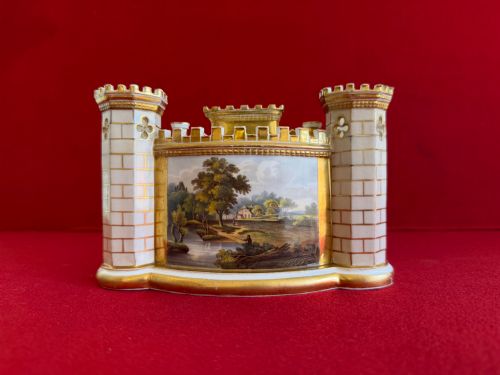
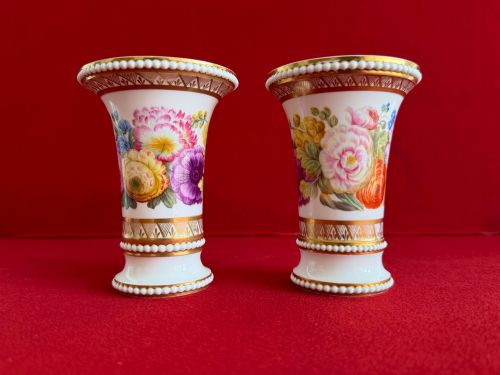
Porcelain works from factories such as Derby, Meissen, and Paris utilised fine clay bodies combined with detailed hand-painting and modelled elements like bocage foliage. Enamel colours and metallic lustres were applied to create vibrant coats on animals and garments on human subjects.
Antique Ceramic Mantel Ornament Retail Price Guide 2026
Typical asking prices for ceramic mantel ornament among the pieces listed under this phrase on Sellingantiques today, from the lower quarter to the upper quarter. They describe what is for sale here now, not the wider market.
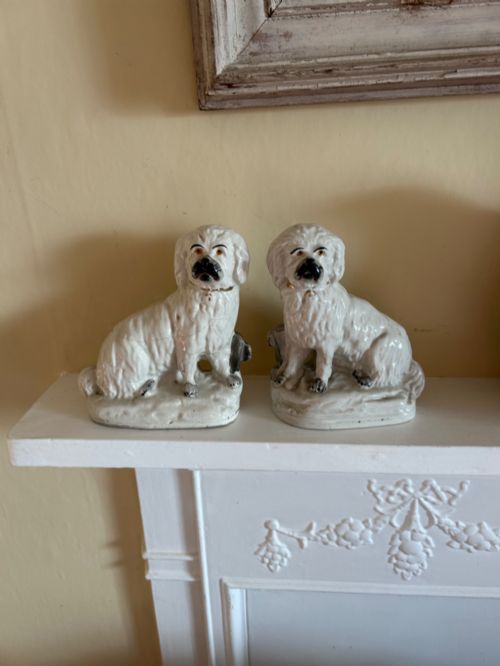
Poodles appear carrying puppies and pugs sit attentively, proving that Victorian households loved their pets just as much as we do.
What Varies in Quality
The distinction between ordinary and exceptional pieces lies in the crispness of the modelling and the care taken with hand-painted details. Sharp facial expressions on figures and cleanly defined eyes and fur on animals indicate skilled handwork in the pottery.
Proportion and symmetry in matched pairs also dictate the standing of a piece, alongside the preservation of original enamel work, glaze lustre, and gold leaf. Superior examples display balanced colours and smooth glazing without heavy distortion from the kiln.
Thomas Parr·Walton·Royal Dux·Royal Worcester·Meissen·Derby·Letu and Mauger
The Antique Ceramic Mantel Ornament Glossary
- Spill vase
- A hollow ceramic vessel designed to hold taper spills for lighting pipes or candles, often modelled as tree trunks beside animals or figures.
- Bocage
- Applied ceramic foliage and leafy background branches common on eighteenth and nineteenth-century porcelain figures.
- Flatback
- A Staffordshire figure modelled with a finished front and a flat, unpainted reverse intended to stand flush against a mantel wall.
- Pearlware
- A refined type of earthenware with a bluish-white glaze developed by Josiah Wedgwood and adopted by other potters during the Regency period.
Antique Ceramic Mantel Ornament: Frequently Asked Questions
What is an antique ceramic mantel ornament?
These ornaments are decorative figures, animals, and vases made from earthenware and porcelain to sit upon fireplace mantels.
They span periods from the eighteenth century through the Victorian era, depicting dogs, lions, literary characters, and pastoral scenes.
Where were Staffordshire figures made?
Most of these pottery figures originated in the Staffordshire Potteries region of England during the nineteenth century.
Local workshops produced earthenware dogs, pairs of greyhounds, and spill vases for everyday domestic display.
How do I care for antique porcelain?
Keep porcelain and earthenware ornaments out of direct sunlight and away from areas with heavy moisture.
Dust them gently with a soft, dry brush and avoid harsh cleaning agents that might damage the enamel or gold leaf.
Are these ornaments sold in pairs?
Many nineteenth-century mantel ornaments were produced as matched pairs to sit symmetrically at either end of a fireplace.
Pairs often feature mirrored poses, such as seated spaniels or greyhounds facing inward toward the centre of the mantel.