

Victorian Mantel Ornament
A victorian mantel ornament brings nineteenth-century presence to a fireplace, offering sculptural variety from Staffordshire animals to glass lustres.
Victorian Mantel Ornament
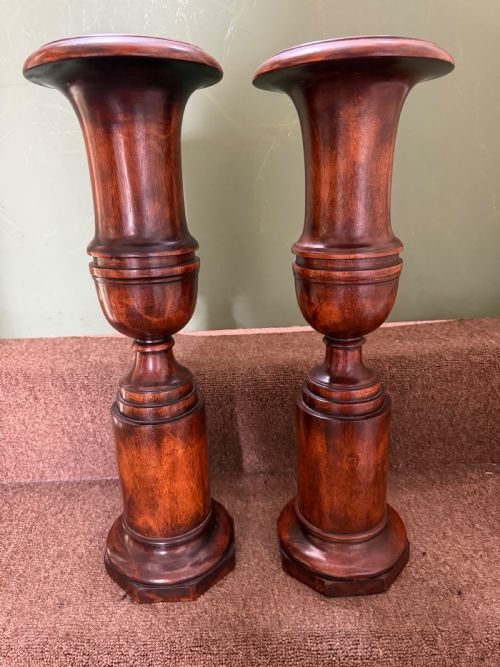
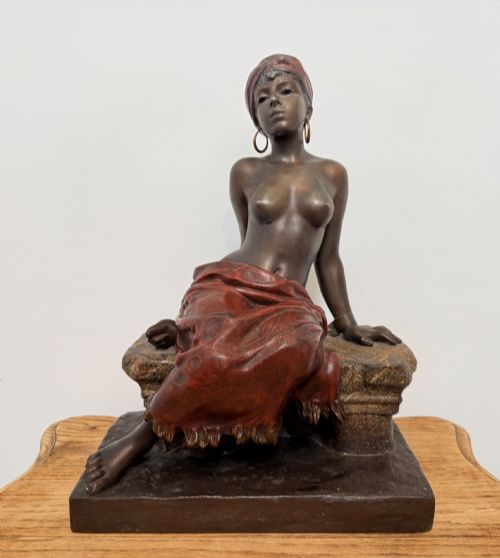
When you search for a victorian mantel ornament, you encounter a diverse group of nineteenth-century domestic decorations designed specifically for display on chimney pieces and consoles. The selection spans earthenware pottery figures, glass lustres, bronze figures, marble urns, and turned walnut vases.
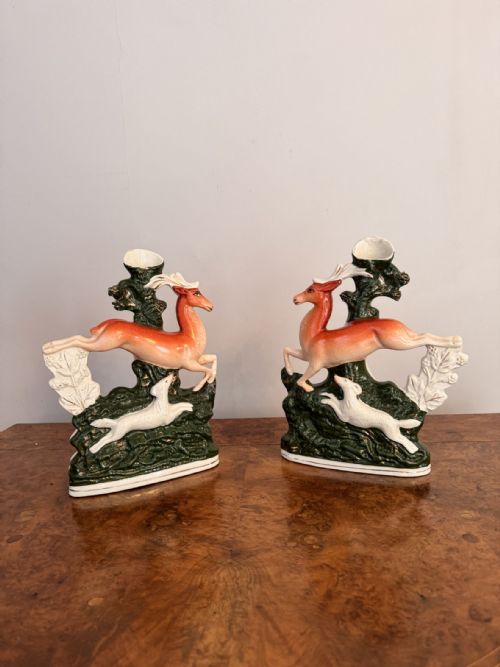
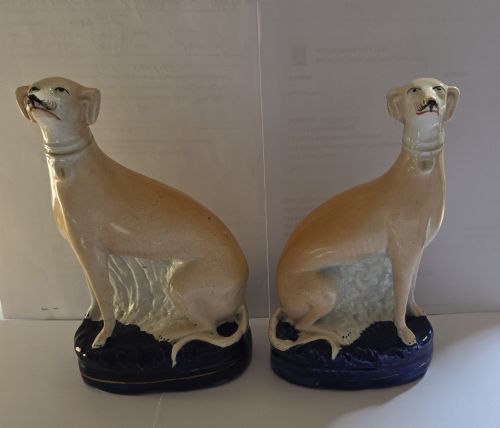
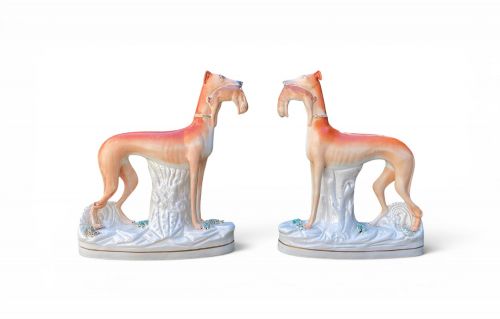
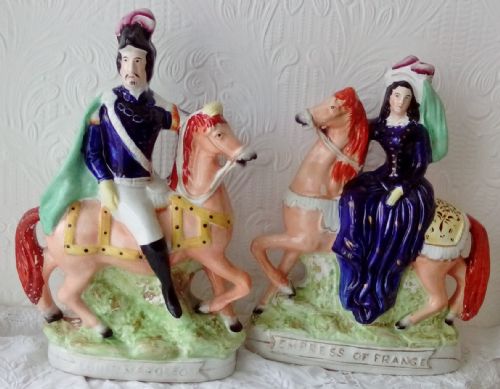
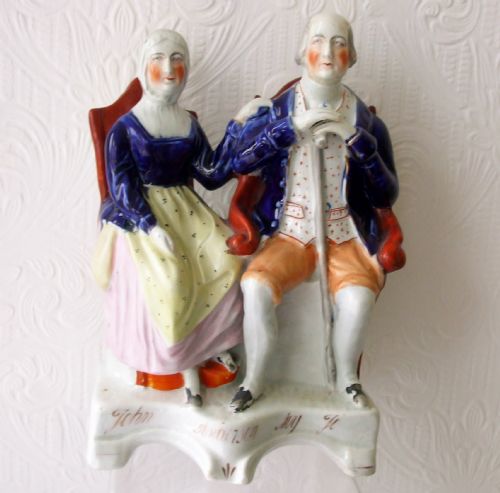
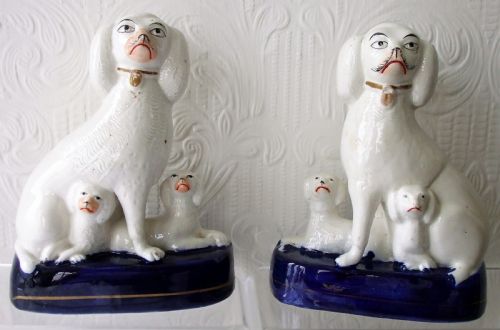
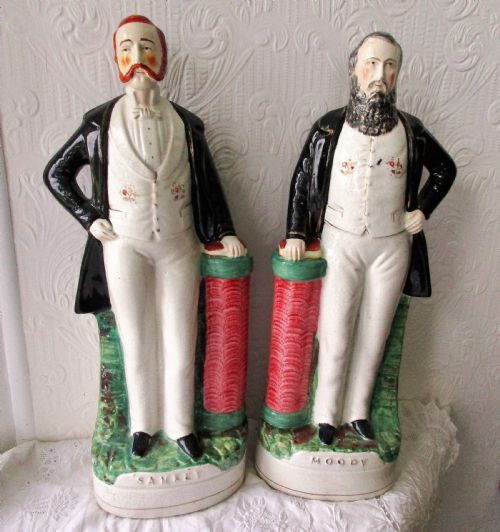
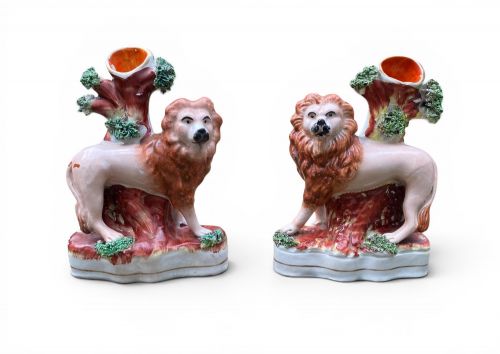
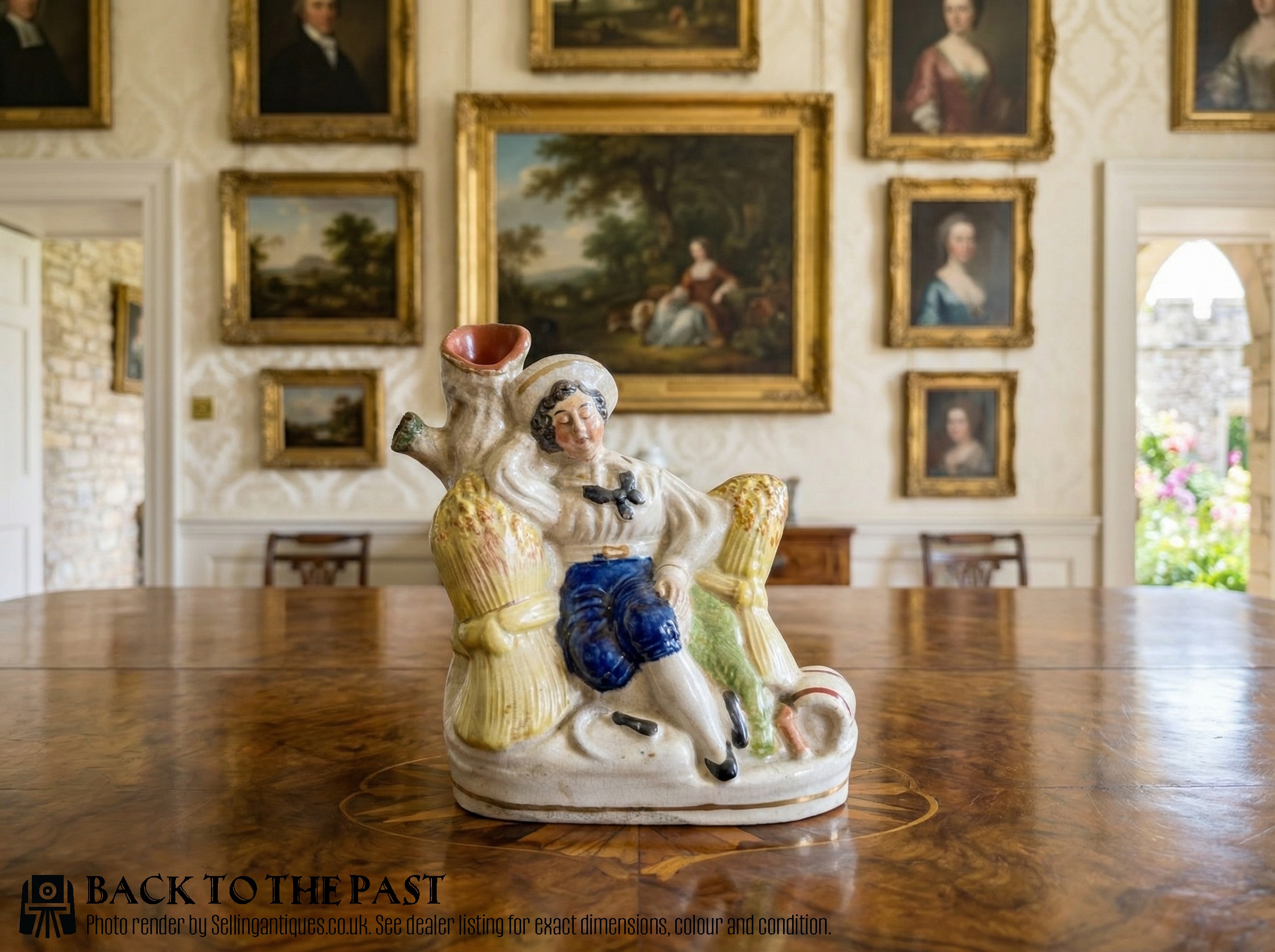
Staffordshire pottery dogs, lions, deer, and spill vases dominate the selection alongside portrait figures and sculptural pairs. These earthenware items reflect the visual tastes of nineteenth-century homes, ranging from folk art styles to neoclassical and orientalist designs.
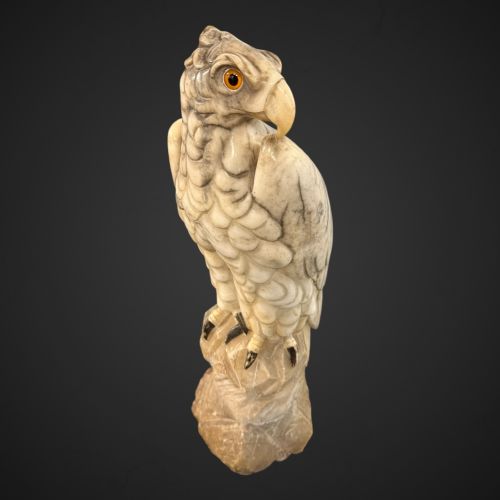
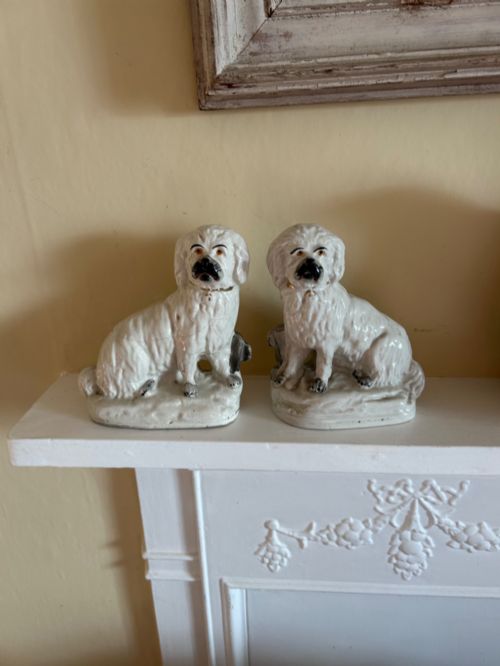
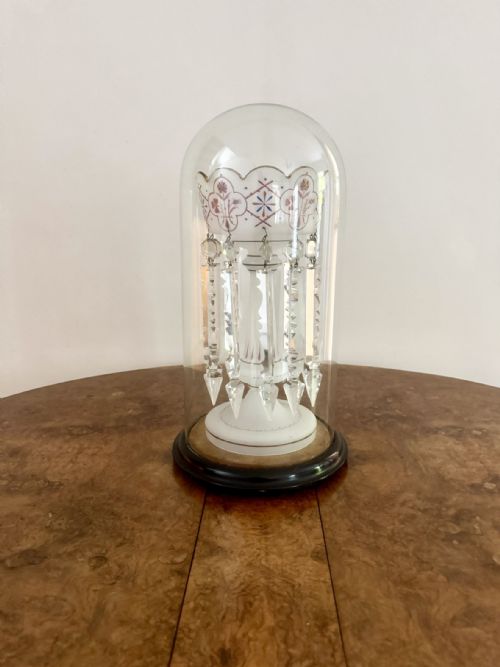
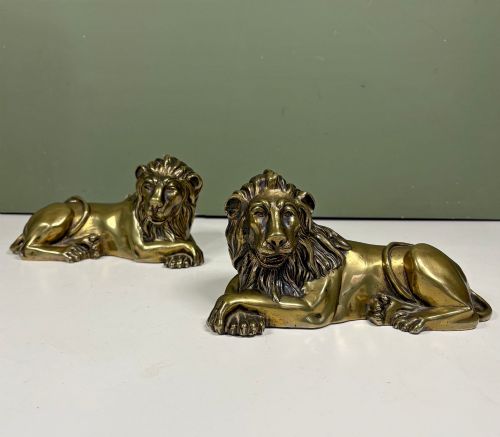
Beyond earthenware, objects include cut-glass table lustres with hanging prisms, cast bronze sphinxes, marble statues, and brass ornaments. Most items survive as matched pairs intended to balance each side of a fireplace centrepiece.
How they were made
Pottery figures utilise earthenware bodies finished with glazes, enamel paint, and occasional gold leaf highlights. Staffordshire pieces often employ flatback construction, moulded in two parts for display against a wall.
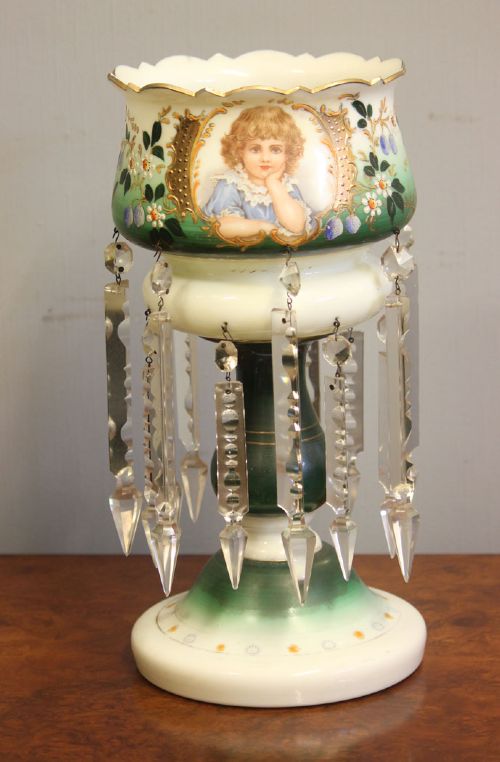
Glass ornaments involve blown and cut techniques, frequently finished with hanging glass prisms and hand-painted enamel details. Metal items rely on bronze casting, brass fabrication, and gilt treatments to achieve decorative richness.
Victorian Mantel Ornament Retail Price Guide 2026
Typical asking prices for victorian mantel ornament among the pieces listed under this phrase on Sellingantiques today, from the lower quarter to the upper quarter. They describe what is for sale here now, not the wider market.
Poodles, greyhounds, spaniels, lions, and even Maltese terriers keep silent watch over nineteenth-century hearths as ceramic companions.
What varies in quality
Materials also dictate the tier of an ornament, with veined Carrara marble, heavy cast bronze, and finely cut glass representing higher production standards than standard earthenware.
E Villanis·Thomas Parr·Selim Bright·Isadore Bonheur
The Victorian Mantel Ornament Glossary
- Spill vase
- A hollow pottery vessel designed to hold wooden spills used for lighting fires or pipes. These figures typically feature a side cylinder attached to an animal or human subject.
- Mantel lustre
- A decorative glass or porcelain vase hung with cut-glass prisms that refract candlelight or daylight. They usually appear in pairs on either side of a clock.
- Flatback
- A style of Staffordshire pottery figure moulded with a flat, unpainted rear side meant to sit flush against a wall. This technique saved materials and kiln space during production.
- Copper lustre
- A metallic pottery glaze containing copper that produces a coppery, iridescent sheen. It appears frequently on nineteenth-century Staffordshire animal figures.
- Grand Tour
- A nineteenth-century cultural journey across Europe that inspired the collection of classical bronzes, marble urns, and antique sculptures. Items from this tradition often draw on neoclassical themes.
Victorian Mantel Ornament: Frequently Asked Questions
What are victorian mantel ornaments made of?
These decorative objects utilise materials such as earthenware, ceramic, glass, bronze, brass, walnut, and marble. Many feature enamel paint, lead glazes, and gold leaf highlights.
Pottery and glass dominate the domestic selection, while bronze, marble, and brass provide heavier sculptural alternatives for nineteenth-century interiors.
Why do these ornaments come in pairs?
Mantelpiece display traditionally emphasised symmetry, requiring balanced pairs of figures, urns, or lustres to flank a central clock or mirror.
Pairs often depict matching animals, human portraits, or mirrored architectural vessels designed to sit at equal distances.
How do I date a Staffordshire figure?
Dating relies on stylistic details, modelling characteristics, glaze types, and the presence of flatback construction typical of the nineteenth century. Production methods shifted across decades from roughly 1850 to 1900.
Marked pieces or specific attributed makers help narrow the date range, though many domestic ornaments remain unmarked.
What is a glass lustre?
A glass lustre is an ornamental vase fitted with hanging cut-glass prisms designed to catch and refract light. They were popular table and mantel ornaments during the Victorian era.
Coloured glass variants, such as green glass lustres, often included hand-painted enamel decoration alongside the crystal prisms.