



Derbyshire Black Marble
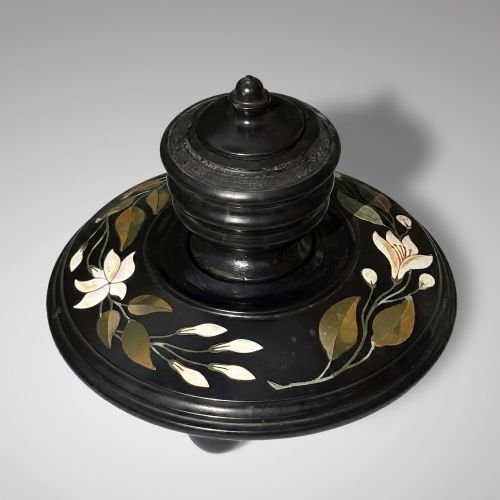
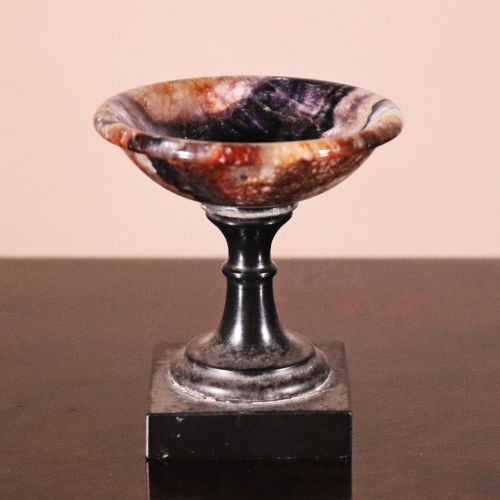
Derbyshire black marble pieces are striking nineteenth-century decorative works fashioned from dense dark stone and inlaid with colourful specimen stones.
Derbyshire Black Marble
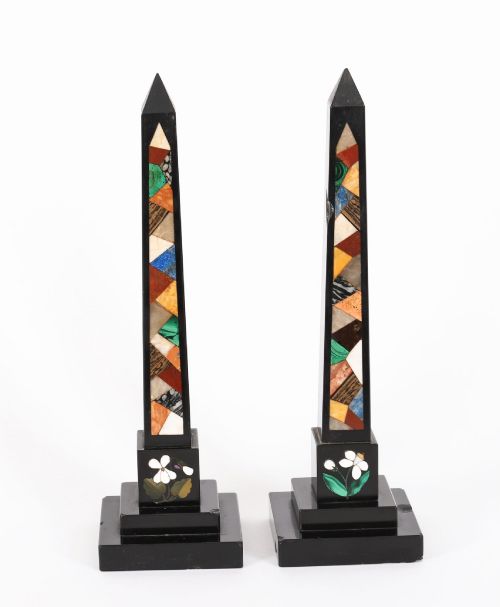
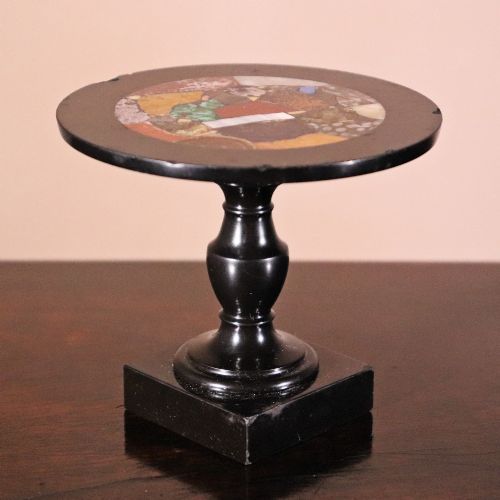
Forms include decorative obelisks, miniature tables, candlesticks, urns, and desk thermometers. Many examples utilise specimen stones, malachite, jasper, and mother-of-pearl to create colourful contrasts against the dark background.
Victorian neoclassical and Egyptian revival styles predominate among these items. Collectors frequently find obelisks and candle sticks featuring intricate inlaid geometric or floral patterns.
How They Were Made
Artisans utilised dense black limestone, often referred to as Ashford black marble or black slate, as the primary structural material. This stone took a fine, mirror-like polish that emphasised its deep colour.
Workers employed the pietra dura technique to inlay colourful specimen stones, malachite, jasper, and mother-of-pearl directly into the marble surface. The pieces were then ground and polished flat to create a seamless, pictorial finish.
Derbyshire Black Marble Retail Price Guide 2026
Typical asking prices for derbyshire black marble among the pieces listed under this phrase on Sellingantiques today, from the lower quarter to the upper quarter. They describe what is for sale here now, not the wider market.
Victorian travellers could buy a desk thermometer shaped like an ancient obelisk just to ensure their ink did not freeze.
What Varies in Quality
Quality rests in the precision of the stone inlay and the complexity of the botanical or geometric motifs. Pieces featuring a wider palette of specimen stones and intricate pictorial designs represent the pinnacle of the lapidary art.
The crispness of the turning on three-dimensional forms like obelisks, urns, and candlesticks dictates the aesthetic success of an object. Finer examples maintain sharp architectural edges and a uniform, deep polish across the entire surface.
Selim Bright
The Derbyshire Black Marble Glossary
- Ashford Black Marble
- A dense black limestone quarried near Ashford-in-the-Water in Derbyshire. It forms the dark ground for inlaid decorative objects.
- Pietra Dura
- An Italian technique adopted by Derbyshire lapidaries for inlaying cut and fitted polished coloured stones into a solid background. It creates flat, picture-like surfaces with floral or geometric designs.
- Specimen Stones
- Various colourful mineral stones and marbles used in inlay work. These include malachite, jasper, and local Derbyshire minerals.
- Obelisk
- A tall, four-sided, narrow tapering monument that ends in a pyramid-like shape at the top. Victorian makers produced these in miniature as decorative mantel ornaments.
Derbyshire Black Marble: Frequently Asked Questions
What is derbyshire black marble actually made of?
Derbyshire black marble is not technically marble at all, but a dense, fine-grained black limestone quarried in the Peak District. It earned the name because the stone accepts a high, glossy polish that resembles true marble.
Craftsmen used this dark limestone as a canvas for intricate stone inlay work, contrasting the black background with brightly coloured minerals.
How do I date these Victorian objects?
Dating relies on stylistic clues, specific object types, and occasional inscriptions or attribution marks recorded on the piece. Nineteenth-century examples often reflect neoclassical or Egyptian revival tastes popular during the Victorian period.
Makers frequently incorporated functional elements like mercury thermometers into obelisks and desk items, which help narrow down the production era to the mid-nineteenth century.
Where were these decorative objects displayed?
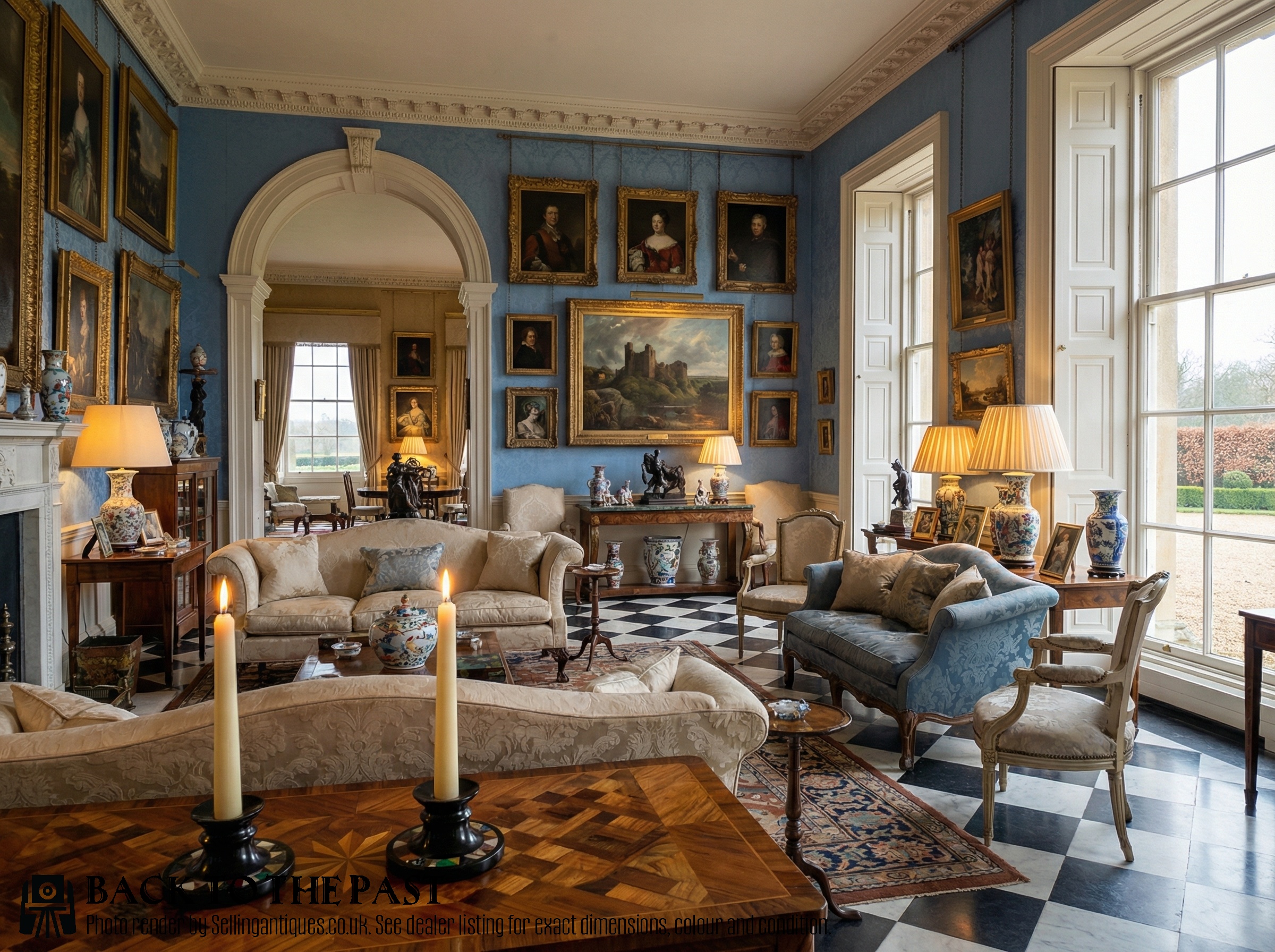
In the nineteenth century, these polished stone pieces sat upon parlour mantelpieces, library desks, and drawing-room tables. Wealthy travellers collected them as fashionable souvenirs of trips to Derbyshire.
Miniature tables and obelisks served as conversation pieces that demonstrated the technical skill of British lapidaries to visiting guests.
What styles are common in these pieces?
Victorian neoclassical and Egyptian revival styles dominate the surviving output of Derbyshire black marble workshops. Obelisks and urns reflect a nineteenth-century fascination with ancient classical archaeology and architectural forms.
Inlay motifs often drew inspiration from local flora, incorporating specimen stones to depict naturalistic botanical scenes across the dark polished surface.