


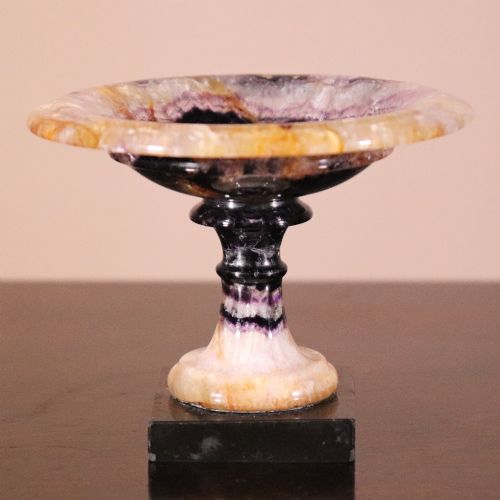
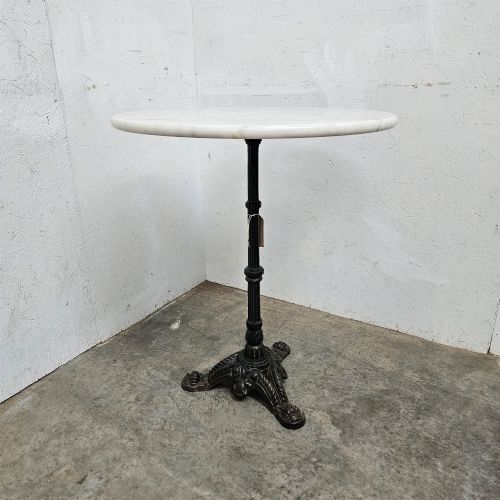
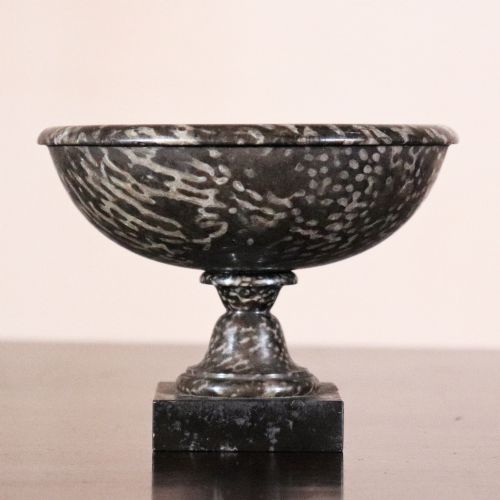
Victorian Marble Pedestal
A victorian marble pedestal brings solid architectural presence to a room, supporting lamps, urns or plants with classical dignity.
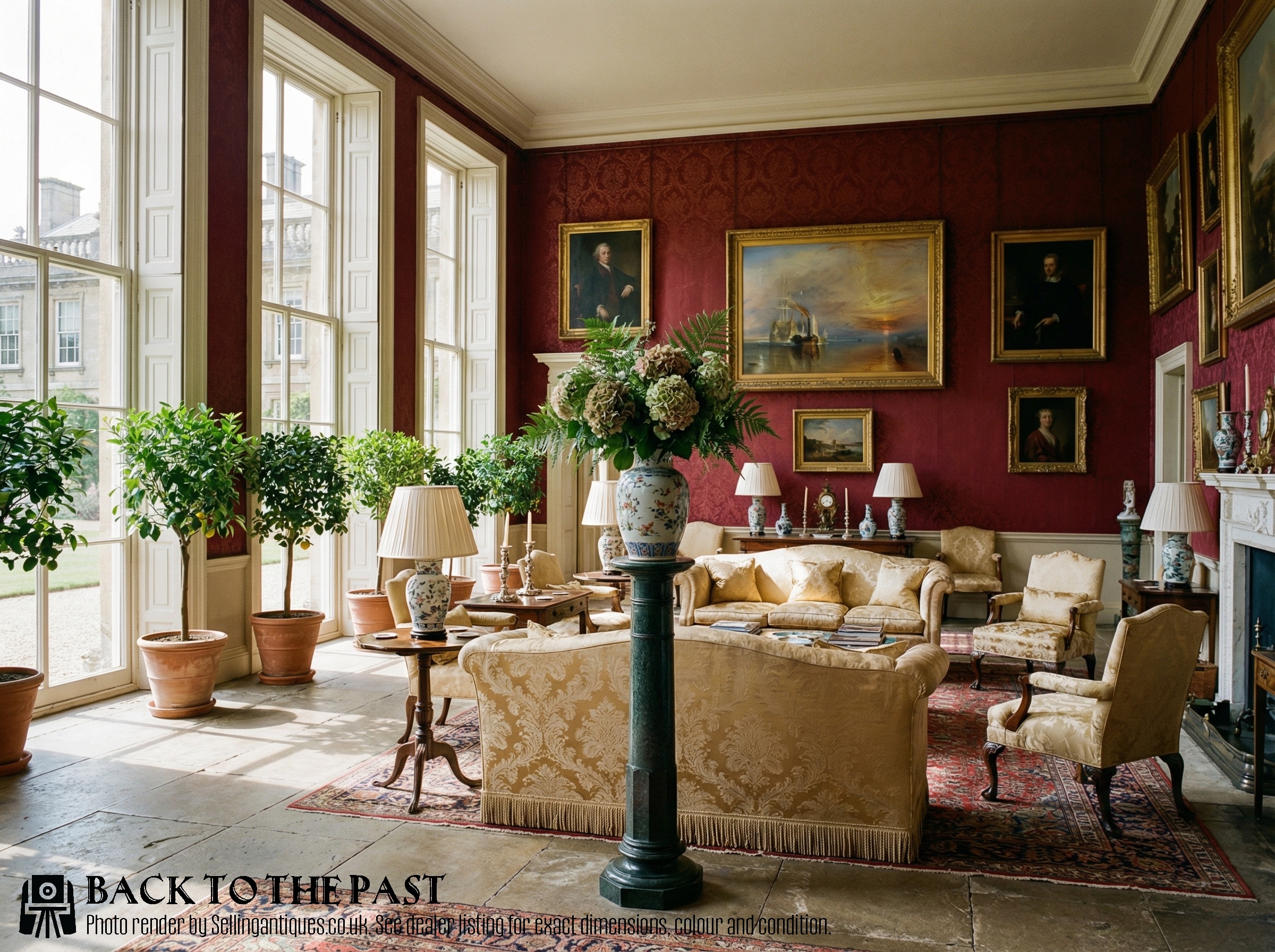
Victorian Marble Pedestal
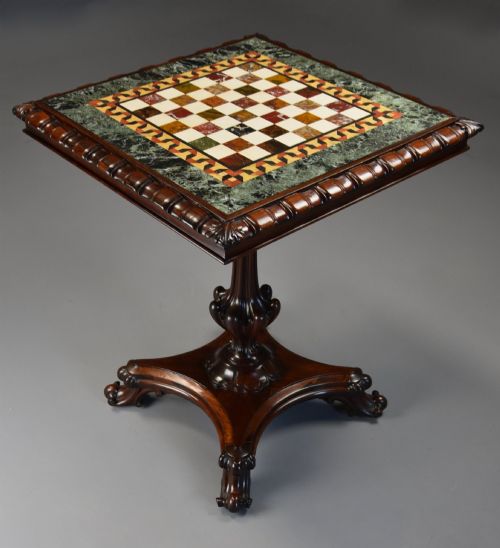
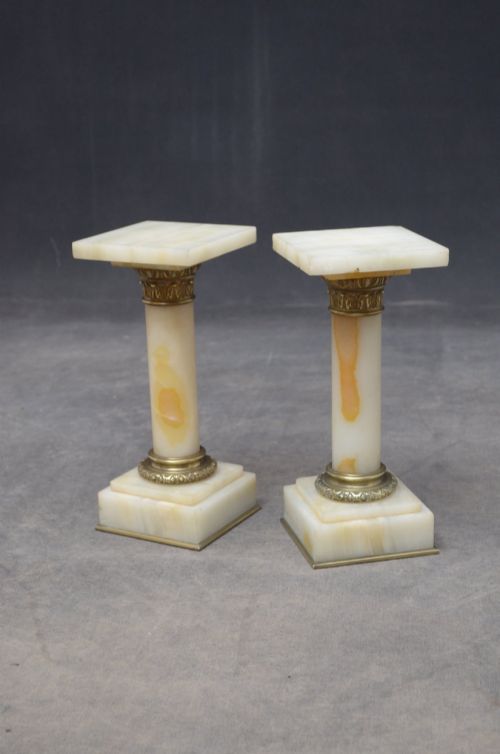
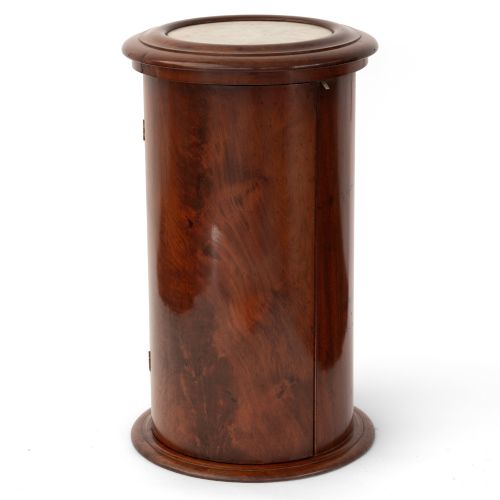
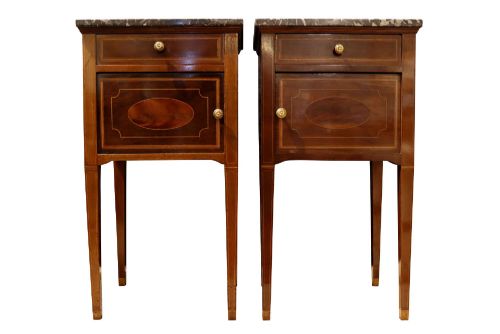
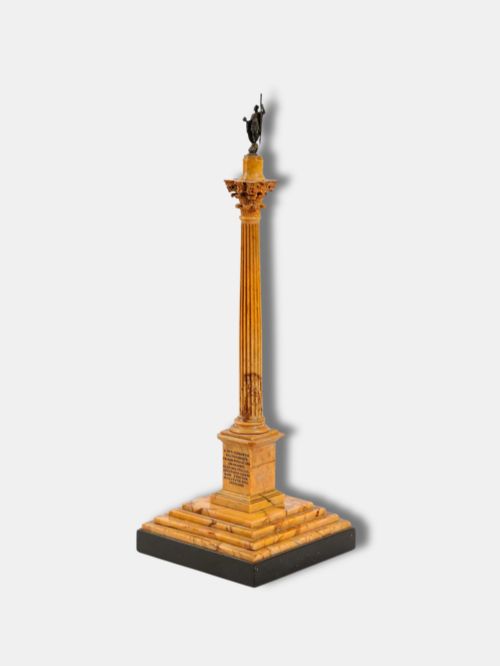
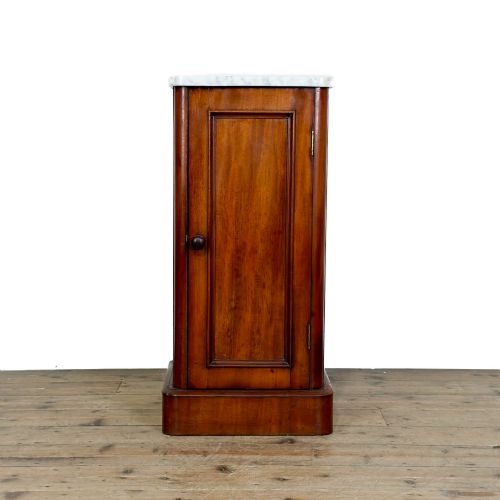
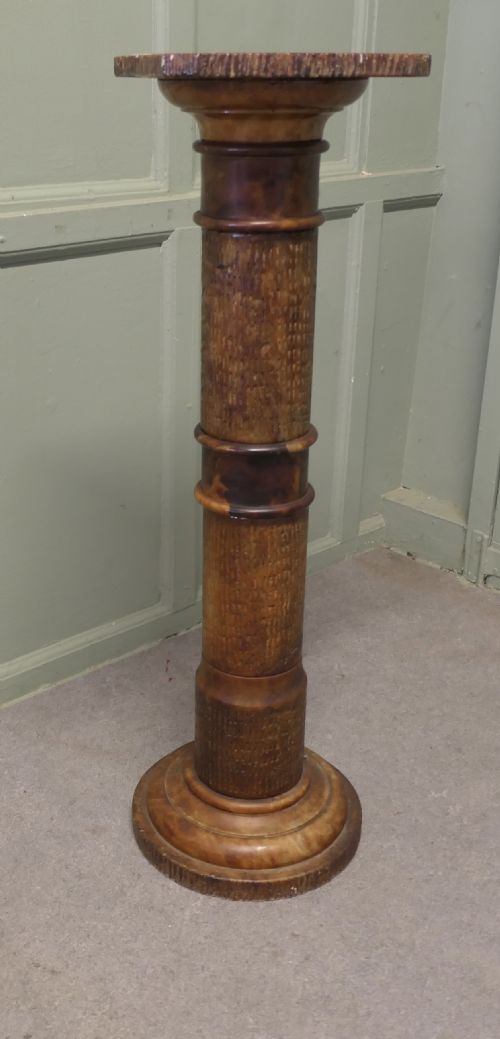
A victorian marble pedestal search uncovers tall columns, plant stands and cylindrical pot cupboards designed to elevate decorative objects within a nineteenth century interior. Pieces appear in various iterations, from honey coloured stone columns and slender onyx shafts to robust mahogany and walnut bedside cabinets topped with smooth stone slabs.
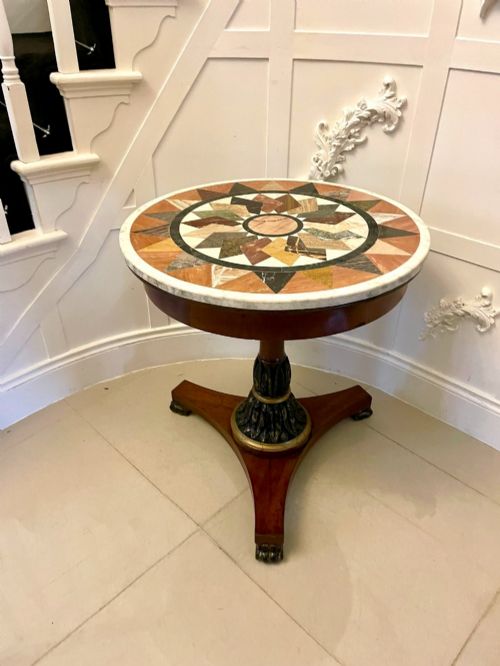
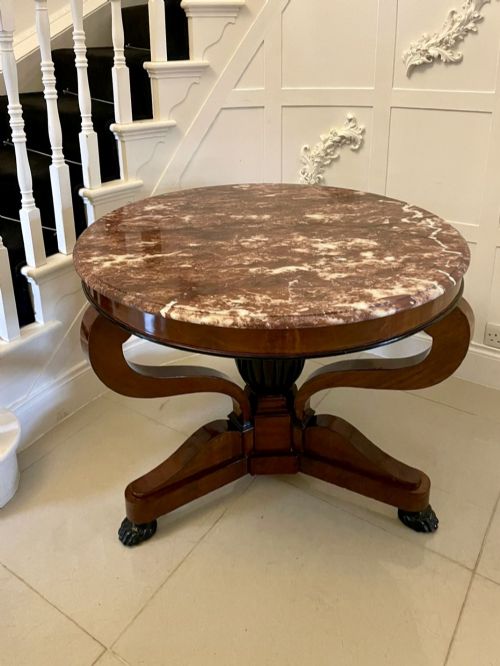
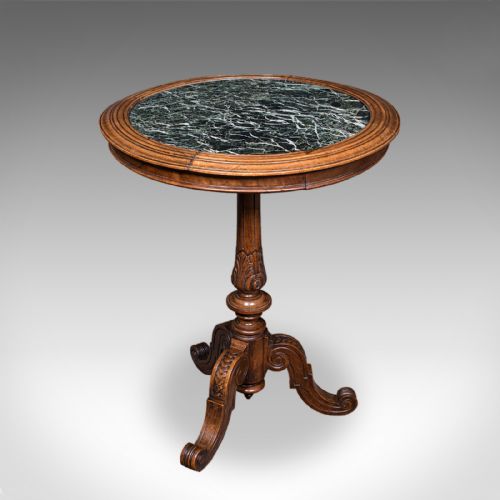
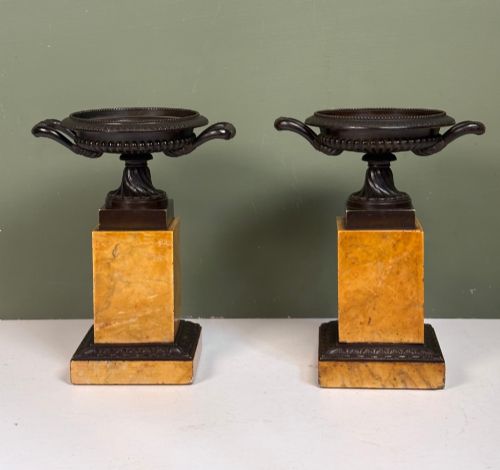
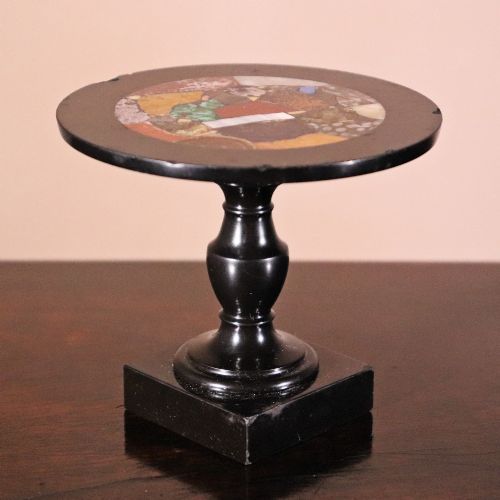
The selection ranges from neoclassical fluted columns and French gueridon tables to carved hardwood oriental jardiniere stands and miniature specimen marble tables. Buyers frequently encounter pairs suited for flanking doorways or fireplaces, alongside single sculptural columns intended to display bronze tazzas or busts.
Origins span English workshops and French ateliers, embracing both formal Victorian drawing room furniture and utilitarian aesthetic style washstands. Forms adapt to domestic needs, functioning variously as lamp tables, wine stands or dedicated display columns.
Materials and construction
Makers combined dense natural stones such as verde antico, red serpentine and black marble with foundational timbers including mahogany, walnut, satinwood and ebonised hardwood. Stone tops and columns were lathe turned or hand sawn, then polished to a high sheen, while supporting wooden carcasses relied on mortise and tenon joinery.
Decorative embellishments involved cast or gilt bronze ormolu collars, brass mounts, and scagliola work that imitated costly stone using pigmented plaster and glue. Artisans also employed faux marble paint techniques over timber bases to achieve the appearance of solid stone at a lighter weight.
Victorian Marble Pedestal Retail Price Guide 2026
Typical asking prices for victorian marble pedestal among the pieces listed under this phrase on Sellingantiques today, from the lower quarter to the upper quarter. They describe what is for sale here now, not the wider market.
Listings feature nineteen-century pieces incorporating walnut, mahogany, satinwood, onyx, and various natural marbles including verde antico and red serpentine.
Assessing craftsmanship
Excellence in a victorian marble pedestal reveals itself through the precise figure of the timber veneer, the tightness of the joinery, and the depth of the stone polish. Superior examples display harmonious mineral veining in the marble top that matches the proportions of the wooden base beneath.
Finer pieces incorporate chased ormolu mounts, well cast gilt bronze collars, and intricate hand carving on hardwood or satinwood surfaces rather than simple moulded details. Structural integrity in the core material ensures the heavy stone top remains securely balanced without tilt or wobble.
The Victorian Marble Pedestal Glossary
- Gueridon
- A small round table on a central pillar, frequently topped with marble and utilised as a lamp or centre table during the nineteenth century.
- Tazza
- A shallow saucer shaped ornamental vase or cup raised on a stem and foot, often rendered in marble or bronze.
- Ormolu
- Gilt bronze ornamentation applied to furniture and decorative objects, cast and chased by hand.
- Verde Antico
- A dark green serpentine breccia marble valued for its mottled appearance and historical use in classical architecture.
- Scagliola
- A composite material made from selenite, glue and natural pigments, applied to imitate inlay and marble.
- Ashford Marble
- A Derbyshire limestone inlaid with various mineral fragments to create colourful geometric or floral mosaic patterns.
Victorian Marble Pedestal: Frequently Asked Questions
What were marble pedestals used for?
Nineteenth century households utilised these tall stands to display decorative art, including bronze figures, marble busts, potted ferns and heavy lamps. The stone upper surface provided a durable, heat resistant platform that resisted water rings and spills.
They also served as functional furniture pieces in bedrooms and drawing rooms, where enclosed cylinder cabinets held washbasins or bedside necessities while maintaining a formal architectural silhouette.
How do I spot faux marble?
Inspect the surface closely with a magnifying glass or touch the material directly to determine its temperature and internal structure. Natural stone feels cold to the touch, shows irregular mineral veining running deep into the material, and often weighs considerably more than wood.
Painted faux marble or scagliola reveals brush marks, repetitive patterns, or a plaster base layer if viewed beneath the edges or from the underside where the protective finish thins.
Are these pieces English or French?
Makers from both nations produced these furnishings, but stylistic markers often indicate their geographic origin. English workshops favoured rich mahogany and walnut timbers with restrained classical lines, drawing on Regency and early Victorian design traditions.
French pieces frequently incorporate gilt bronze ormolu mounts, lighter satinwood veneers, or distinctive green and red serpentine stones characteristic of Parisian cabinet makers and revival styles.
How do I care for marble tops?
Clean the stone surface regularly with a soft, damp microfibre cloth and mild, neutral soap designed for natural stone. Avoid acidic cleaning solutions, vinegar, or citrus based sprays, which etch the polished finish and dull the lustre.
Apply a specialised stone sealer periodically to protect the porous surface against staining from condensation, wine, or plant water.