



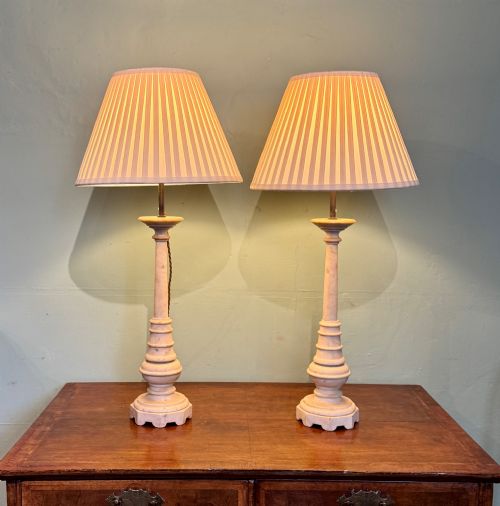
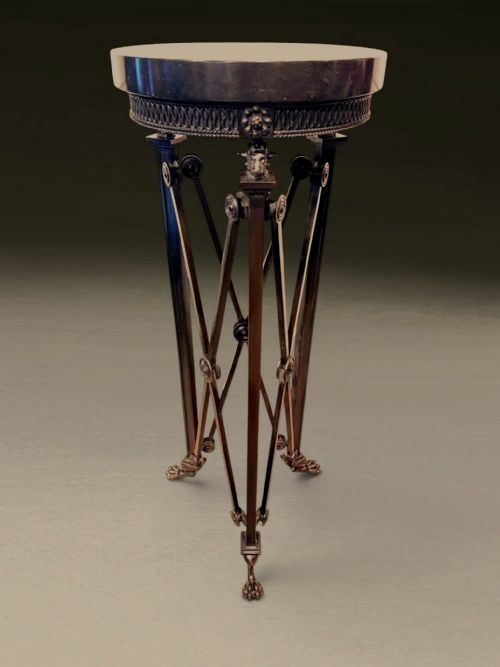
Neoclassical Marble Column
These neoclassical marble column examples bring classical architecture indoors, offering substantial stone support or display for sculpture, lighting, and decorative objects.
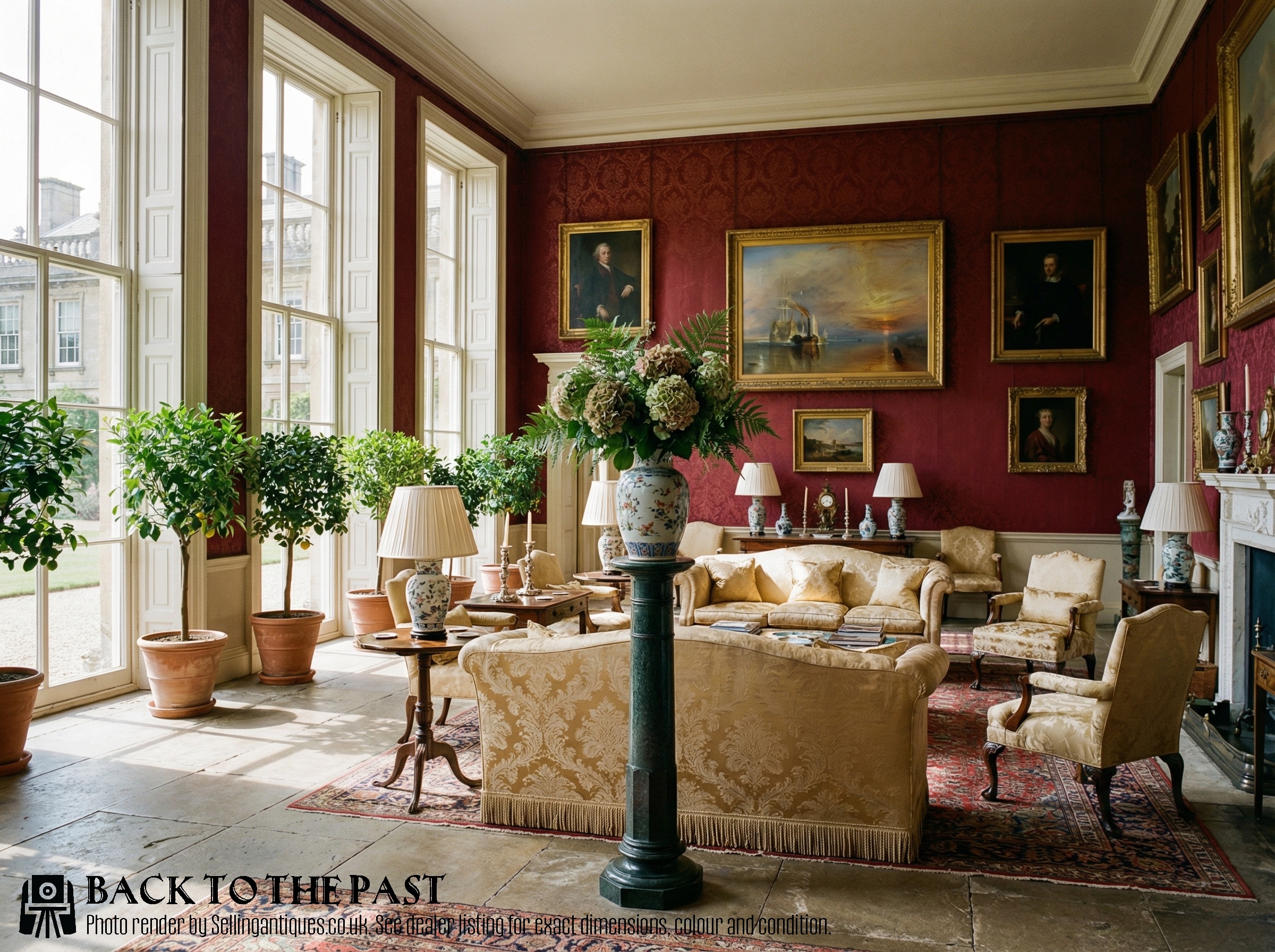
Neoclassical Marble Column
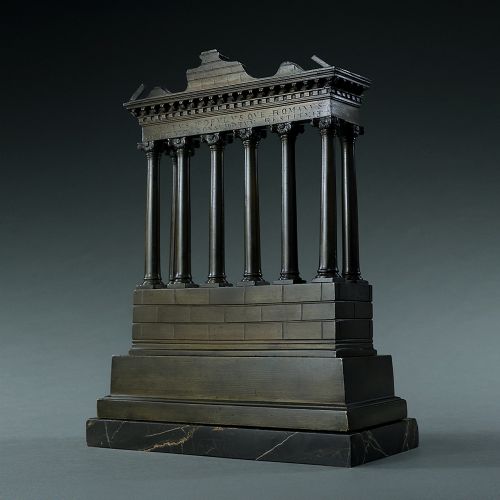
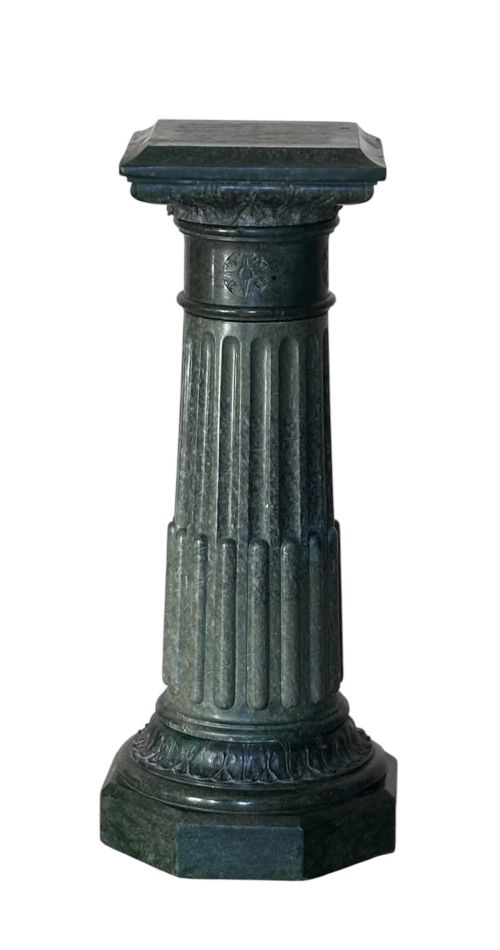
A neoclassical marble column serves primarily as a structural pedestal, torchere, or plant stand, lifting art or light to eye level within a room. These pieces adopt ancient Greek and Roman architectural proportions, translating monumental temple design into domestic scale.
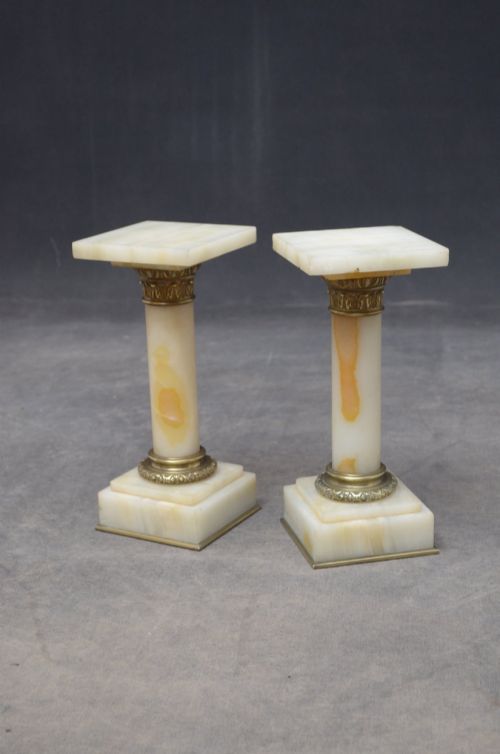
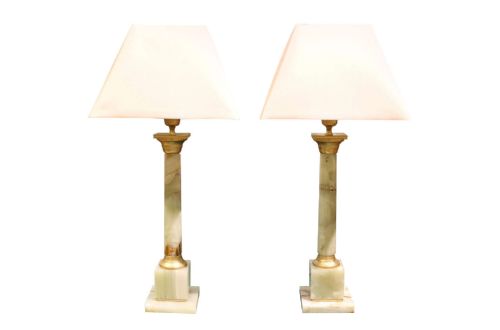
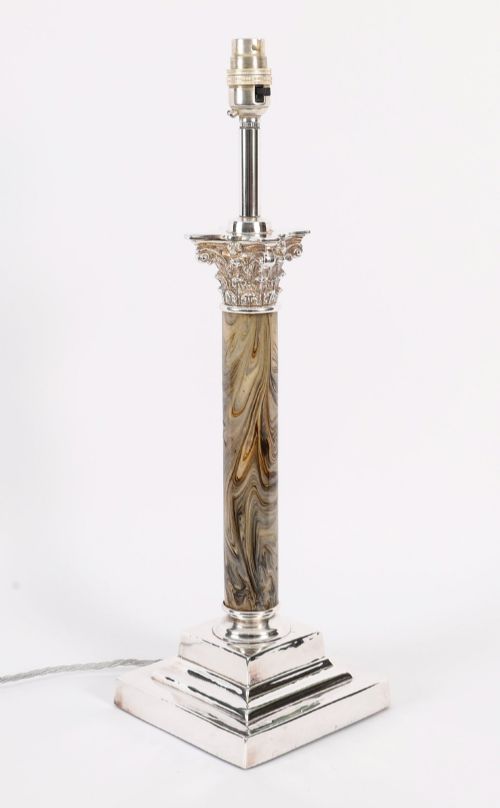
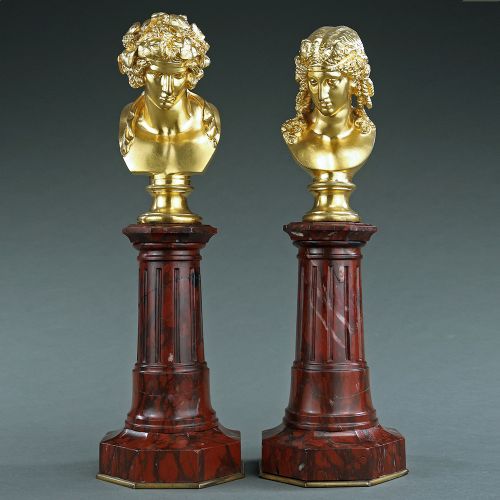
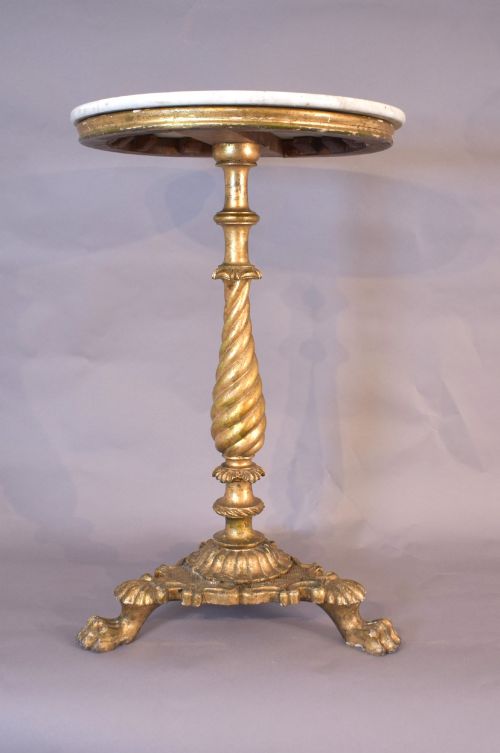
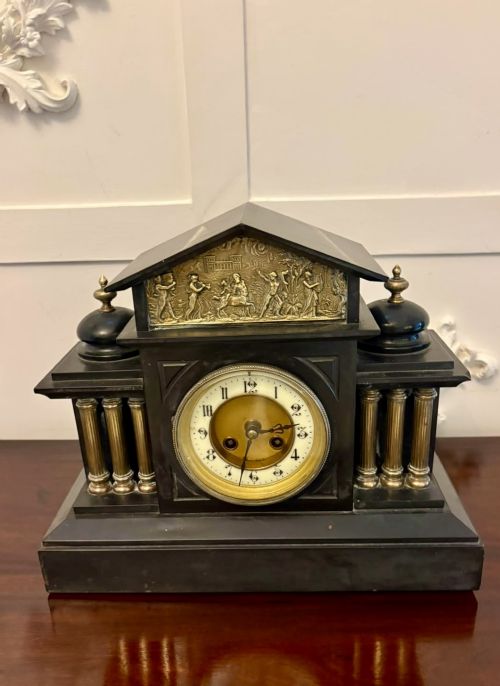
The selection ranges from tall freestanding pedestals and plinths designed for display to smaller column sections repurposed as table lamps or clock bodies. Materials stretch across various stone types including white Carrara, green serpentine, onyx, and sienna marble.
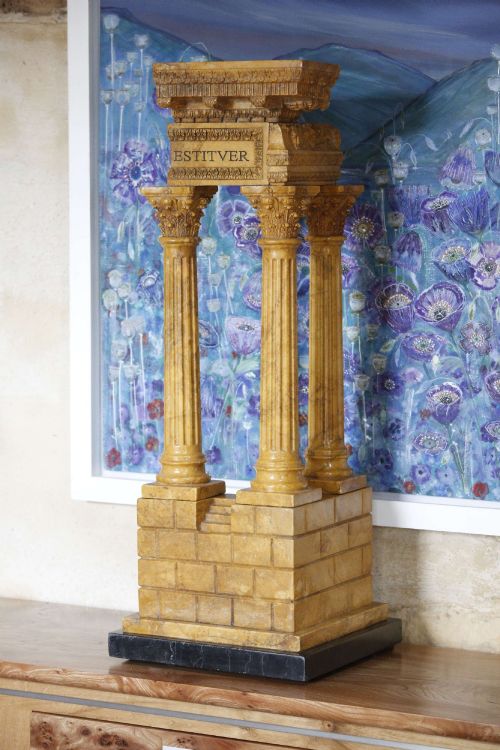
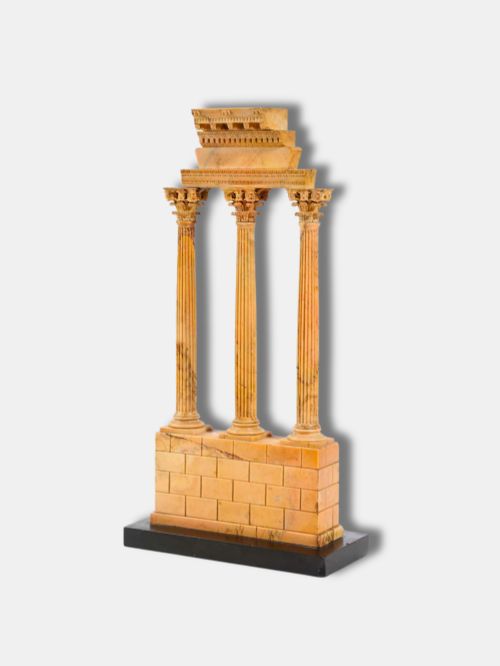
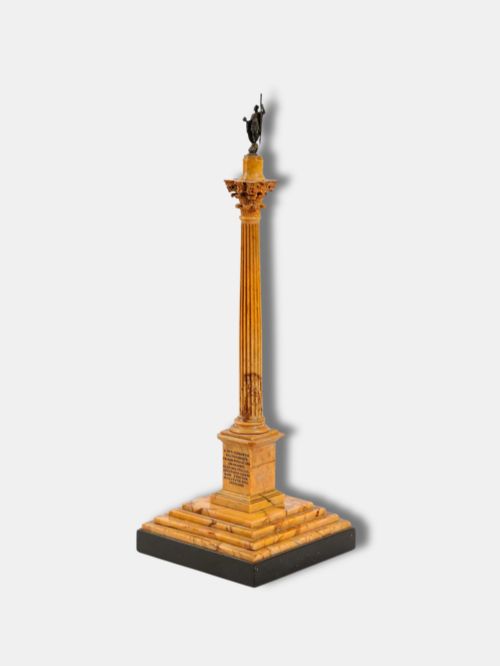
Originating largely from the nineteenth century and the Grand Tour tradition, these items reflect European fascination with classical antiquity. Buyers encounter both monumental display columns and domestic adaptations like wine tables and mantel clocks incorporating column motifs.
Materials and construction
Masonry relies on turning and carving natural stone blocks on lathes or by hand to achieve smooth cylindrical shafts and fluted profiles. Workshops utilise diverse marbles such as Bardiglio, Arabescato, and Verde Antico alongside faux alternatives like scagliola.
Metal mounts in ormolu, gilt bronze, brass, and silver plating secure the stone sections at the capital and base. These bronze and brass elements provide architectural contrast and protect vulnerable edges from chipping during daily use.
Neoclassical Marble Column Retail Price Guide 2026
Typical asking prices for neoclassical marble column among the pieces listed under this phrase on Sellingantiques today, from the lower quarter to the upper quarter. They describe what is for sale here now, not the wider market.
The inventory combines architectural pedestals with functional conversions including table lamps and mantel clocks.
Evaluating stone and mount quality
Quality depends heavily on the mineral selection and the depth of the stone figuring, where rich veining and uniform polish command attention. Superior pieces feature tightly matched grain patterns across separate capital, shaft, and plinth components.
The crispness of the carving on capitals and the weight of the ormolu or gilt bronze mounts distinguish workshop output. Finely chased metal collars and precise joint tolerances indicate skilled nineteenth-century production rather than later mass manufacturing.
The Neoclassical Marble Column Glossary
- Scagliola
- A composite material made from pigment, glue, and selenite plaster to imitate true marble. Craftsmen apply and polish this mixture to create convincing faux stone columns.
- Ormolu
- Gilt bronze ornamentation applied to furniture and stone pieces. This technique involves firing a mercury and gold amalgam onto bronze mounts.
- Grand Tour
- A cultural journey undertaken by wealthy young Europeans to study classical art and architecture. Travellers frequently purchased small marble columns and pedestals as souvenirs.
- Socle
- A short plain plinth or pedestal supporting a column or bust. This architectural base provides visual stability to the vertical shaft above.
Neoclassical Marble Column: Frequently Asked Questions
How do I clean marble columns?
Dust the stone regularly with a soft dry cloth to prevent grit accumulation on the polished surface. Avoid acidic cleaners or household detergents that can etch the marble glaze and dull the finish.
For deeper cleaning, use a damp cloth with mild neutral soap, drying the stone immediately afterward. Protect the base from moisture by placing felt pads underneath heavy floor columns.
Where should I place a column?
Position freestanding columns in corners, hallways, or flanking doorways where they provide architectural punctuation. Ensure the floor can support the substantial weight of solid stone pedestals.
Keep stone columns away from direct heat sources and heavy foot traffic to prevent accidental impacts. A stable, level surface keeps tall vertical forms secure.
Are these columns solid marble?
Many smaller columns and lamp bases utilise solid turned marble blocks throughout their construction. Larger architectural pedestals sometimes feature hollow cores or internal iron rods for structural stability.
Alternative materials like scagliola or painted plaster also appear in historical listings to reduce weight. Inspecting the underside or base reveals the core construction method.
How do I date an antique column?
Examine the mounting hardware, fastener types, and tool marks visible on the underside of the stone. Nineteenth-century examples often feature hand-cut threads on brass fittings and distinct patination on bronze collars.
Compare the marble variety and stylistic revival period, such as French Empire or Victorian Grand Tour, against known manufacturing trends. Finer details like ormolu chasing style help narrow down the decade of production.