

Antique Marble Pedestal
These antique marble pedestal pieces bring classical gravitas and sculptural presence to an interior, making them enduring focal points for displaying treasured objects.
Antique Marble Pedestal
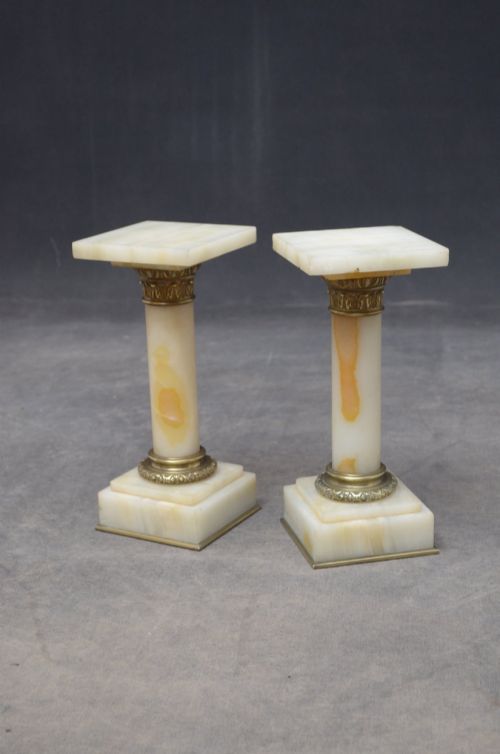
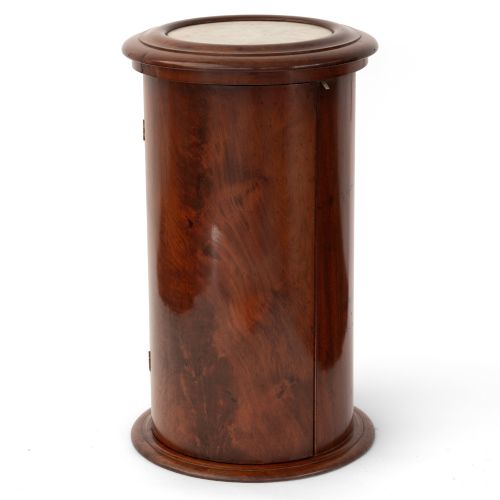
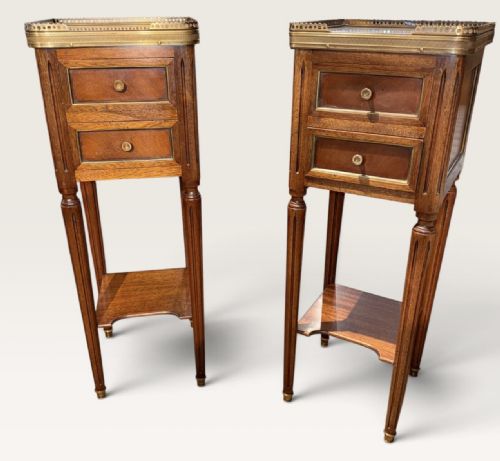
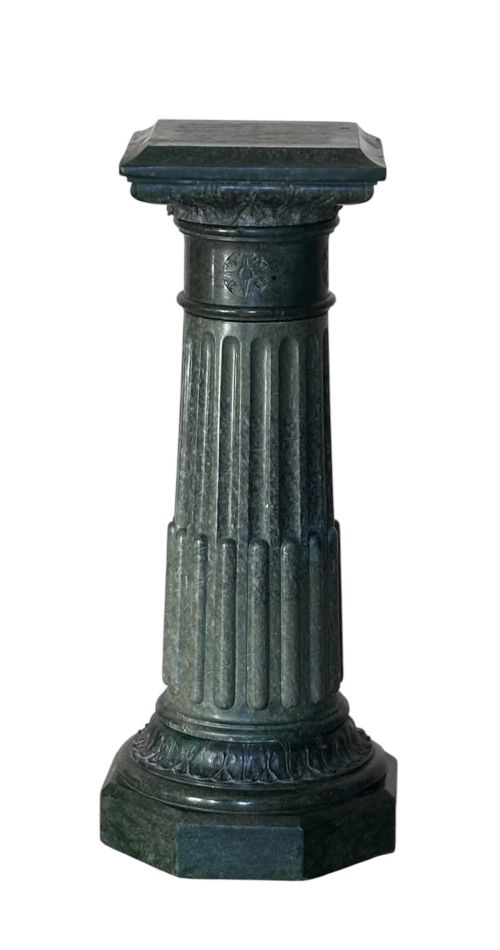
When searching for an antique marble pedestal, you encounter architectural columns, plant stands, and cylindrical supports designed to elevate sculpture, urns, or decorative vessels. These pieces emerge predominantly from the nineteenth century, drawing inspiration from classical antiquity and Grand Tour aesthetics.
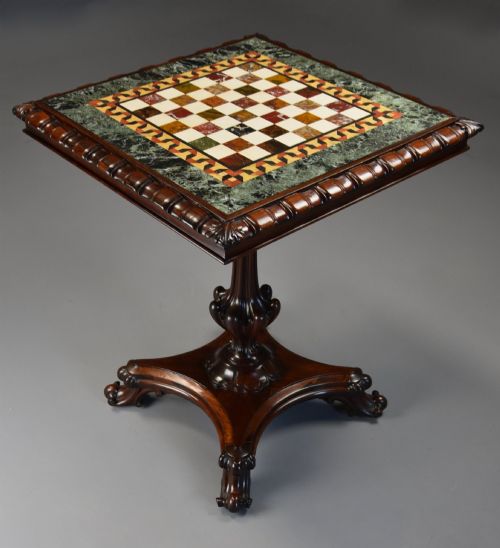
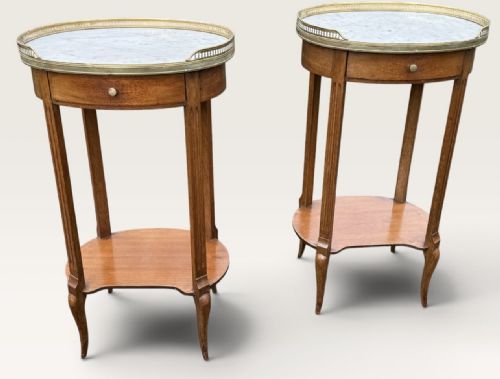
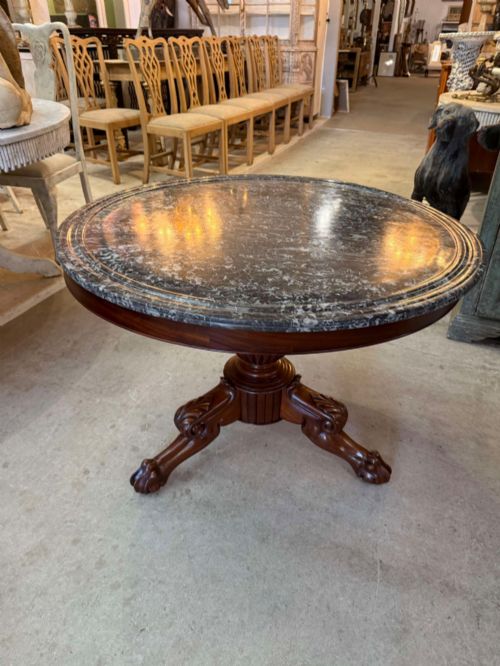
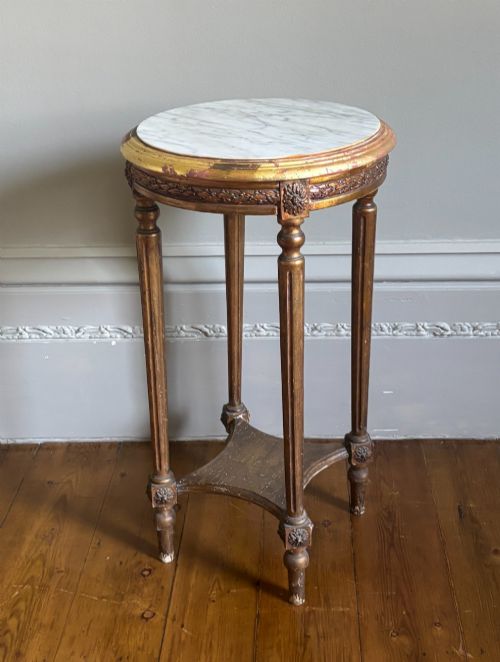
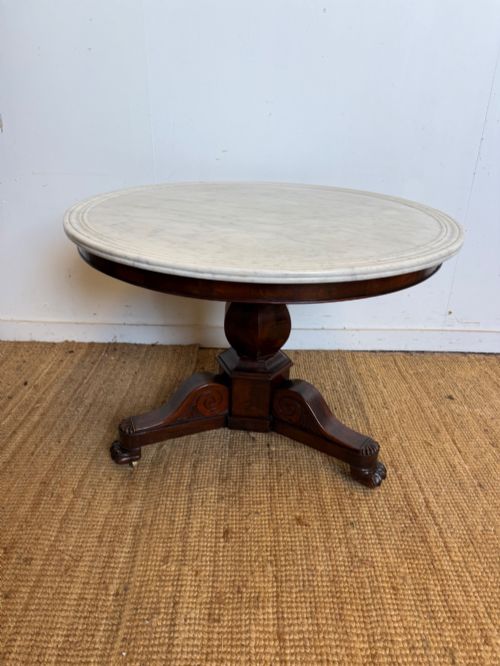
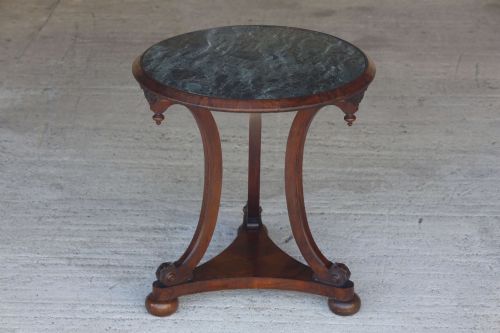
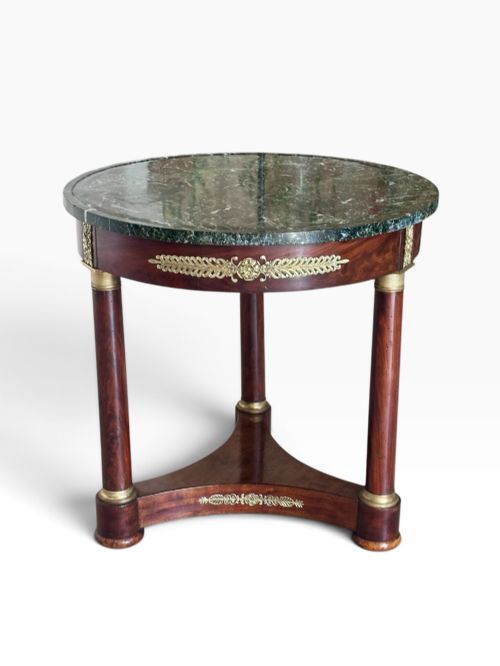
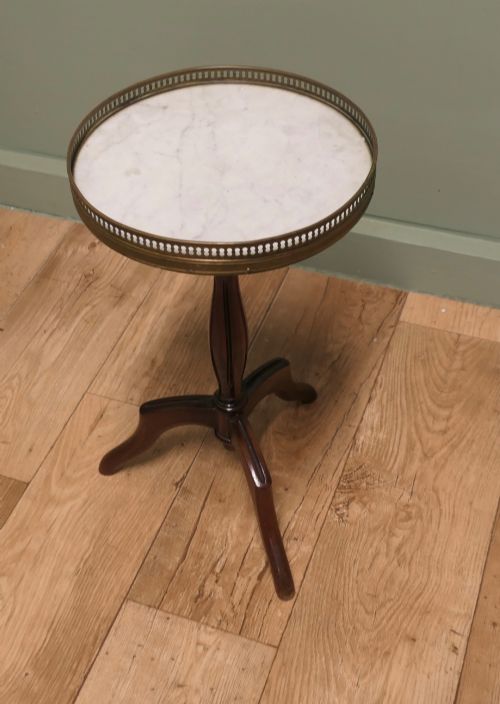
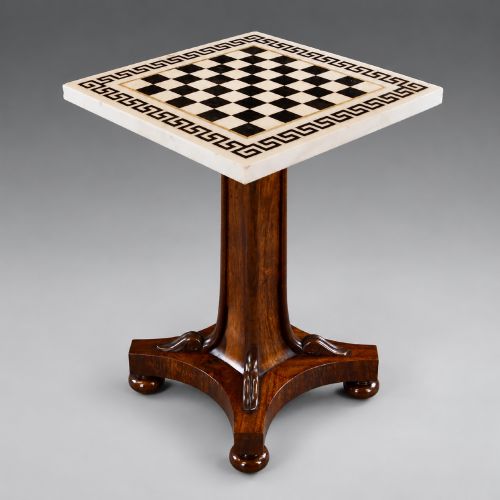
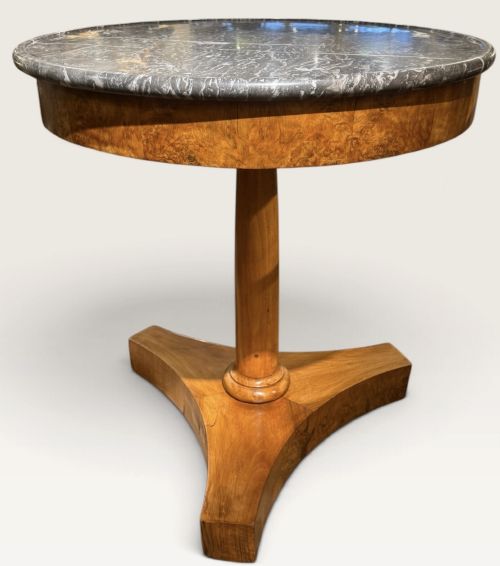
Beyond dedicated columns, the selection encompasses related table forms with stone surfaces, such as centre tables, gueridons, and occasional tables featuring inset stone tops. These functional variants merge the utility of a stable surface with the refined aesthetic of polished mineral.
How they were made
Makers shaped structural supports from dense hardwoods like mahogany, walnut, and kingwood, or cast components in bronze and brass. These foundational frames were frequently embellished with gilded ormolu collars, mounts, and cast feet that articulate classical proportions.
Stonemasons and turners worked natural mineral slabs on lathes or by hand, exploiting the inherent veining of materials like Carrara, onyx, Siena, and rouge marble. Surface finishes relied on meticulous grinding and polishing to achieve a lustrous sheen that highlights the geological patterns of the stone.
Antique Marble Pedestal Retail Price Guide 2026
Typical asking prices for marble pedestal among the pieces listed under this phrase on Sellingantiques today, from the lower quarter to the upper quarter. They describe what is for sale here now, not the wider market.
The inventory records nineteenth-century French and Italian manufacture extensively, alongside English Victorian examples utilising mahogany and walnut.
What varies in quality
Structural integrity governs durability, particularly where heavy stone tops or upper tiers meet slender wooden or metal columns. Superior pieces maintain stable joints and balanced weight distribution without relying on heavy modern reinforcement.
The Antique Marble Pedestal Glossary
- Ormolu
- Gilded bronze mounts and decorative collars applied to furniture and stone supports. This technique was widely utilised in French cabinet-making to accent architectural lines.
- Gueridon
- A small round occasional table or pedestal support originating in seventeenth-century France. These pieces frequently feature circular marble tops supported by a central pillar or tripod base.
- Grand Tour
- Cultural travel undertaken by wealthy Europeans in the eighteenth and nineteenth centuries to collect classical antiquities and souvenirs. Many miniature columns and tazzas on this page derive from these travels.
- Tazza
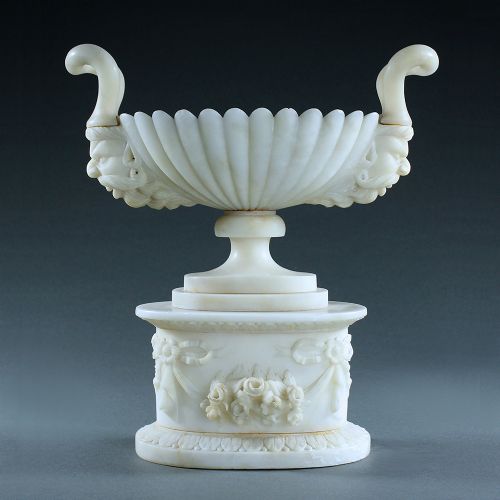
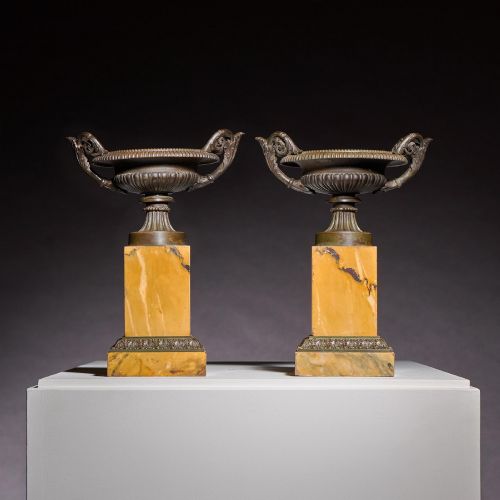
- A shallow saucer-like ornamental vase or cup raised on a stem and foot. They appear frequently in bronze and marble combinations atop pedestals.
- Scagliola
- A composite substance made from selenite, glue, and pigments, painted to imitate marble and other hardstones. This technique allowed artisans to create intricate decorative columns and panels.
Antique Marble Pedestal: Frequently Asked Questions
How do I style a marble pedestal?
These pieces function ideally as isolated architectural statements in corners or hallways, providing height and structure to a room.
Top them with bronze sculptures, large ceramic vessels, or trailing plants to break up vertical lines and introduce natural mineral textures to an interior.
What is the difference between a column and a pedestal?
Columns strictly follow classical architectural orders with shafts, capitals, and bases, often replicating ancient ruins encountered during foreign travels.
Pedestals can encompass broader cylindrical cupboards, stepped blocks, and plant stands designed primarily for elevation rather than architectural imitation.
How do I care for antique marble?
Clean polished stone surfaces gently with a soft, dry cloth or a slightly damp sponge without harsh chemical detergents.
Avoid placing acidic liquids or unsealed pots directly on porous marbles like Siena or onyx to prevent permanent surface staining.