

19th Century Pedestal
When sourcing a 19th century pedestal, collectors secure sturdy foundational pieces ranging from writing desks to tripod tables designed to anchor a room.
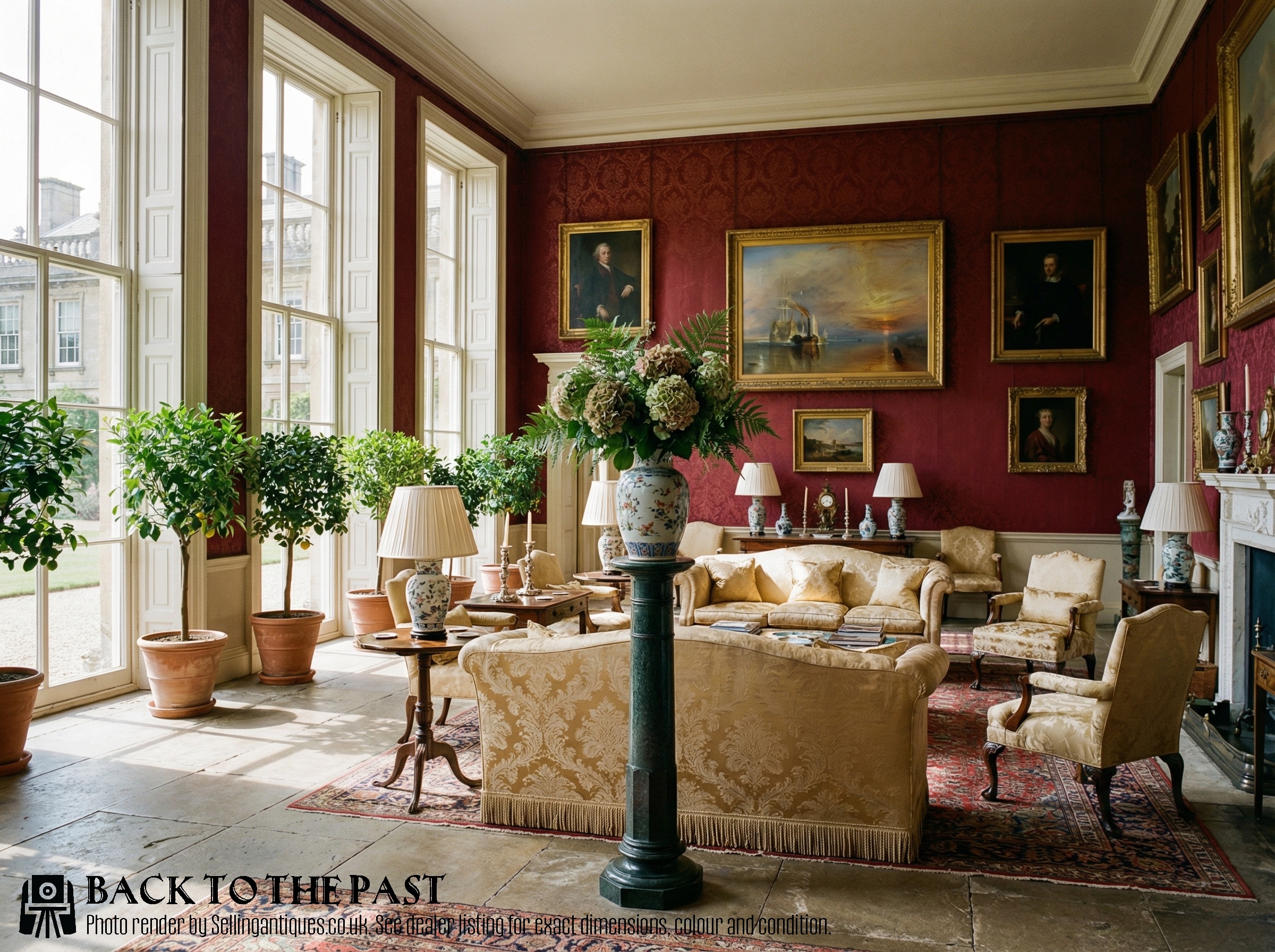
19th Century Pedestal
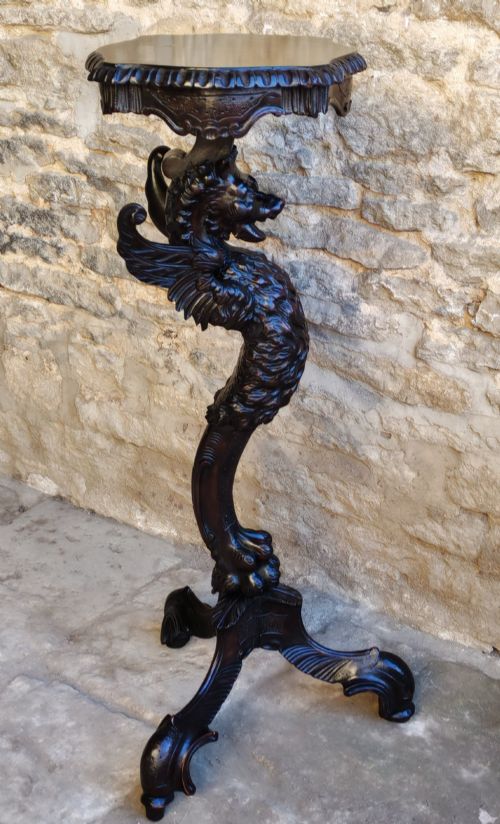
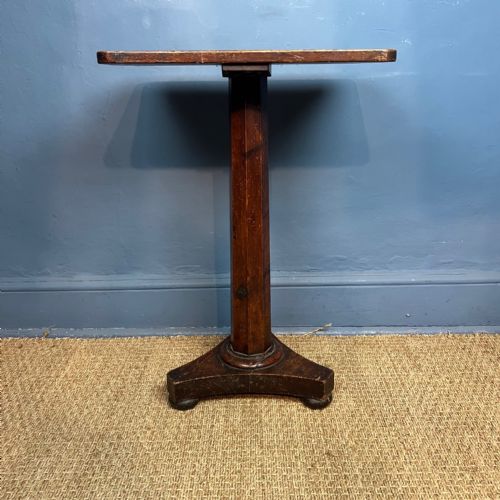
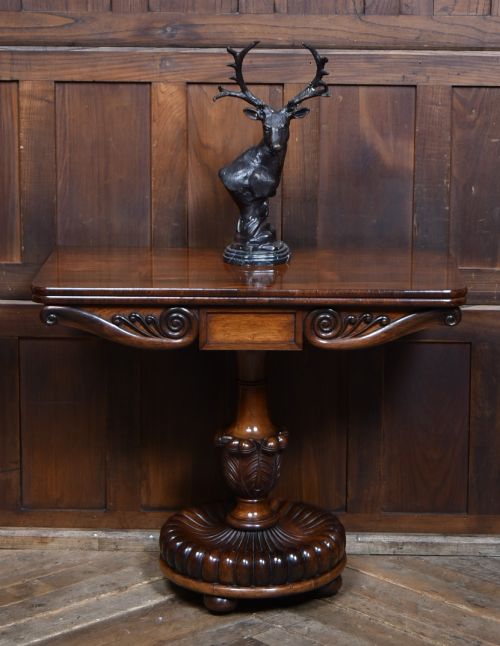
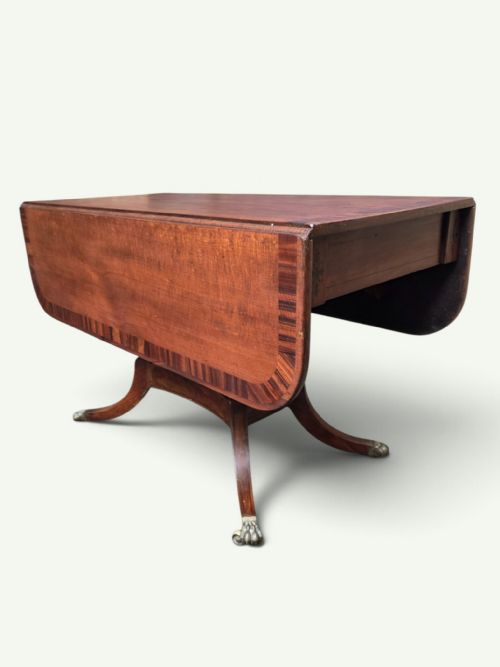
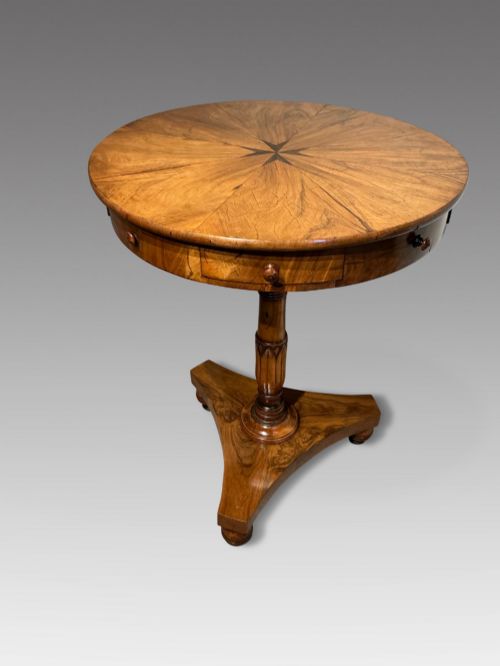
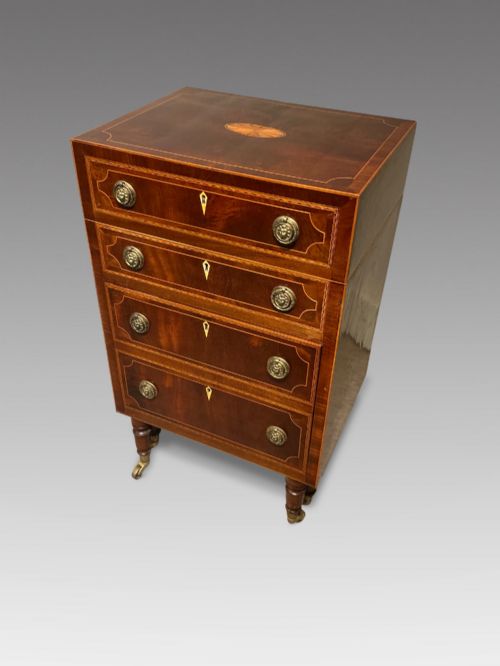
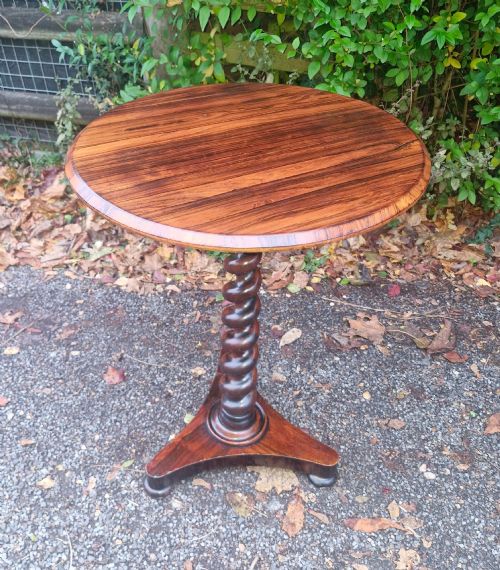
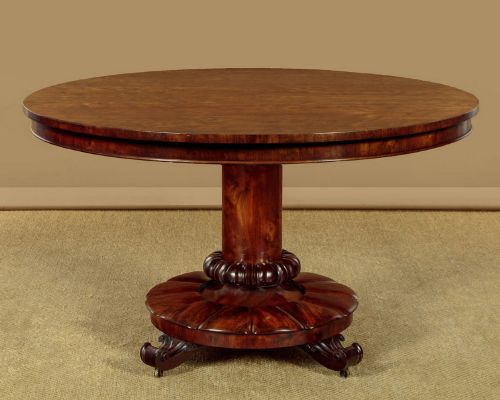
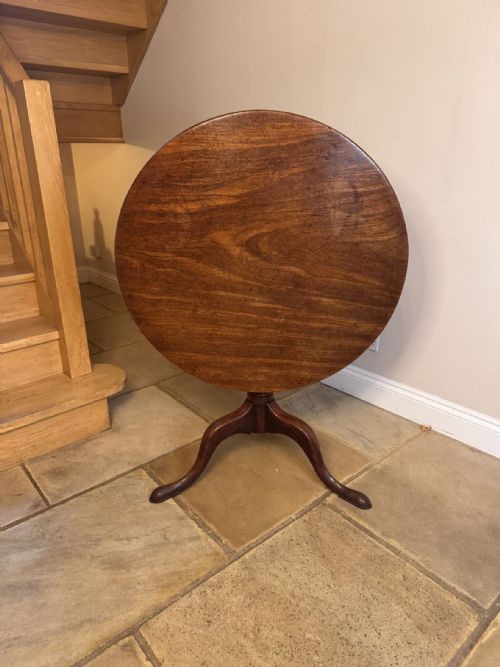
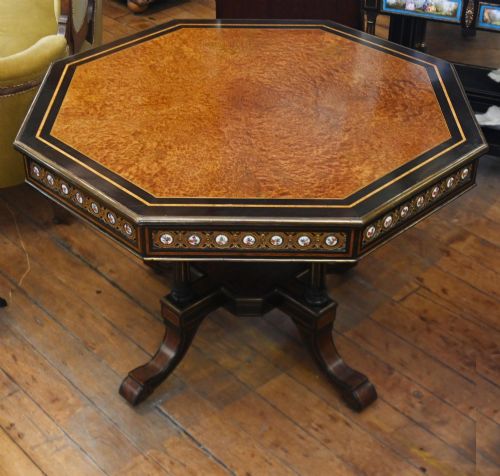
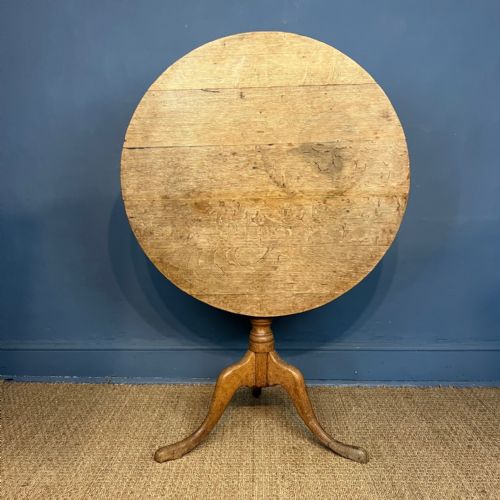
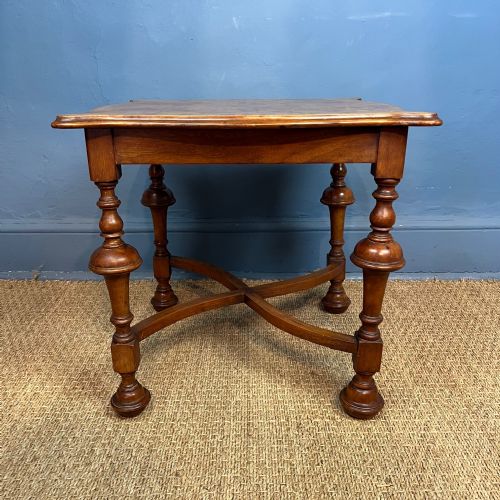
A 19th century pedestal typically manifests as a sturdy writing desk, a lamp table, or a dining support originating across periods from Regency through to the late Victorian era. Buyers searching for a 19th century pedestal encounter freestanding office desks in mahogany and oak, alongside occasional tables featuring central columns or tripod bases.
The selection spans formal George III influences, William IV weightiness, and ornate Victorian walnut pieces. Many examples incorporate pedestals into larger furnishings, such as twin pedestal dining tables or partner desks fitted with drawers.
Materials and Construction
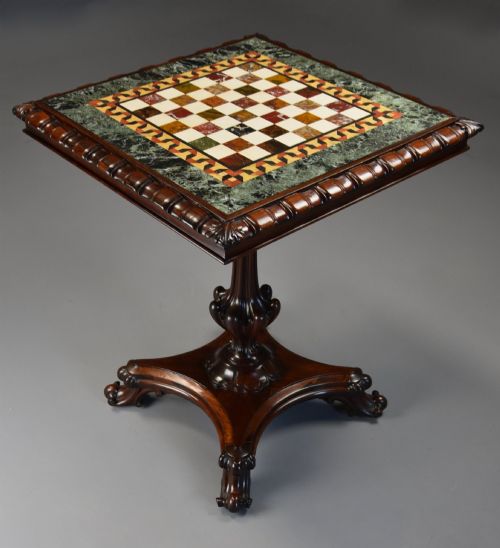
Craftsmen built these items using dense timbers such as mahogany, walnut, burr walnut, rosewood, and oak, frequently applying figured veneers to principal surfaces. Secondary materials include brass hardware, leather skivers for writing surfaces, and occasional marble tops.
Joinery techniques relied on solid framing for pedestal bases, whether formed as single central columns, triform supports, or multi-drawer pedestals flanking a central kneehole. Surface decoration involved marquetry inlay, French polishing, and carved wooden details.
19th Century Pedestal Retail Price Guide 2026
Typical asking prices for 19th century pedestal among the pieces listed under this phrase on Sellingantiques today, from the lower quarter to the upper quarter. They describe what is for sale here now, not the wider market.
Distinctions in Standard
The standard of a piece depends heavily on the selection of timber veneers, such as richly figured mahogany or burr walnut, and the crispness of any hand-carved elements. Superior examples display careful timber matching across drawer fronts and pedestal columns.
Internal construction and original secondary elements, including functional brass locks, leather inserts, and stable weight distribution in pedestal bases, separate workshop-produced items from simpler utilitarian constructions.
Gillows of Lancaster·Hewetsons London·Trollope and Sons·Heal and Son
The 19th Century Pedestal Glossary
- Skiver
- A panel of leather inset into the top of a desk or table, often decorated with gold tooling. It provides a smooth writing surface.
- Pedestal
- A supporting column or pillar, or a stacked bank of drawers supporting the side of a desk.
- Tilt-top
- A tabletop hinged to the central pedestal so it can be tilted vertically when not in use to save space.
- Marquetry
- Decorative patterns formed by fitting together thin pieces of wood veneer and other materials onto a structural surface.
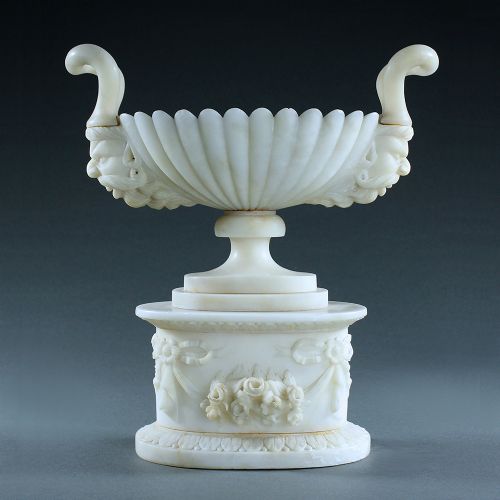
- Tazza
- A shallow saucer-like ornamental dish or pedestal bowl raised on a stem and foot.
19th Century Pedestal: Frequently Asked Questions
What is a pedestal desk?
A pedestal desk is a heavy writing table supported by two vertical banks of drawers or columns, creating a kneehole space in the centre.
These desks became widely used during the Victorian period for home libraries and offices, offering substantial storage alongside a dedicated writing surface.
How do I care for a mahogany table?
Maintenance involves keeping wooden surfaces away from direct heat sources and moisture to protect the polished finish and underlying veneers.
Regular dusting with a dry cloth and occasional light application of appropriate wax preserves the depth of the timber grain.
Are tilt-top tables stable?
Tilt-top tables rely on a secure catch mechanism beneath the surface to lock the top horizontally onto the pedestal base when in use.
While designed to be sturdy during normal daily activities, the central pivot mechanism should be checked to ensure the top rests firmly without rocking.
What defines William IV furniture?
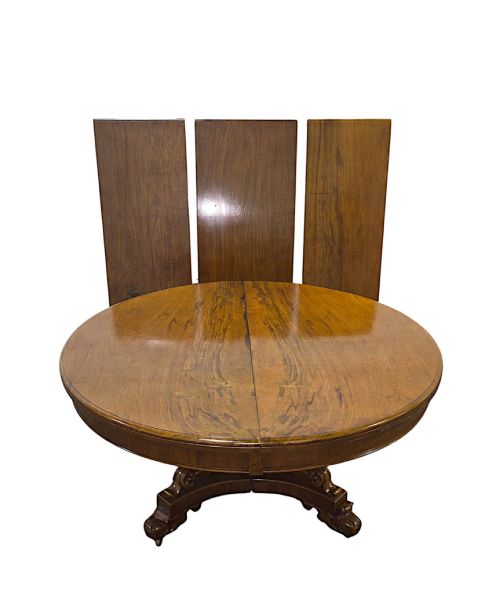
William IV furniture bridges late Regency and early Victorian styles, characterised by heavy proportions, bold scrollwork, and rich rosewood or mahogany timbers.
Pieces from this era often feature substantial circular dining bases and pronounced architectural detailing.