

Classical Marble Plinth
These pieces unite solid stone and cast metal to elevate sculptures, busts and urns.
Classical Marble Plinth
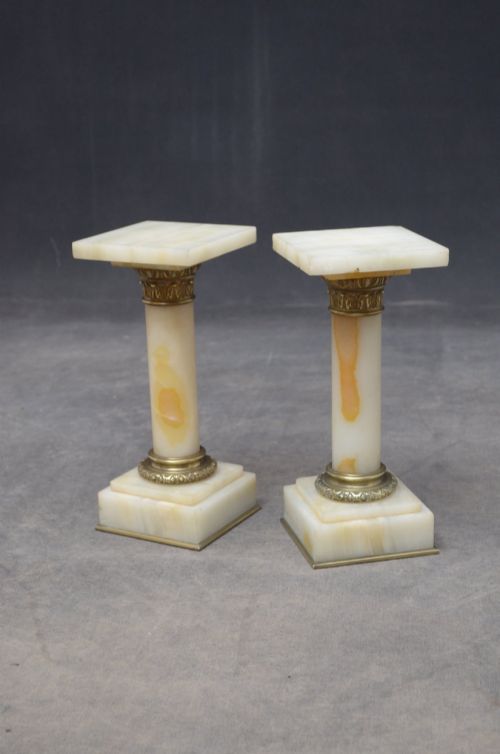
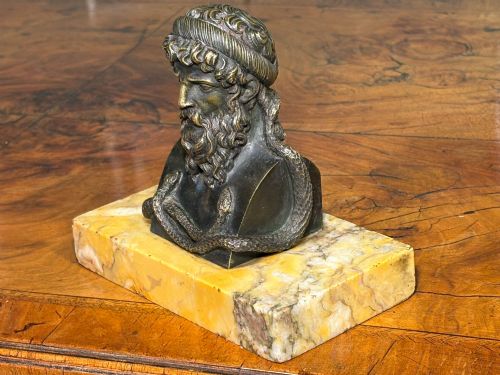
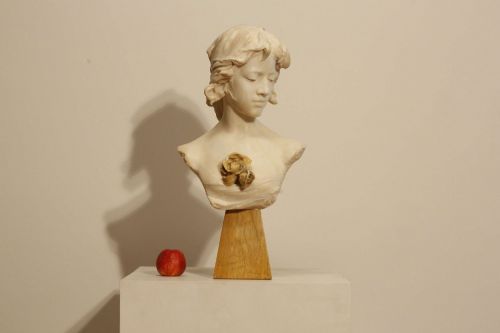
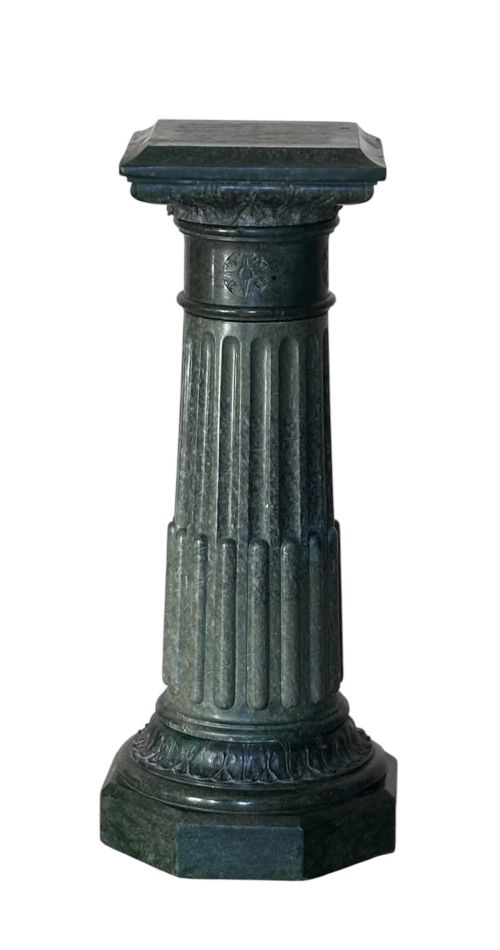
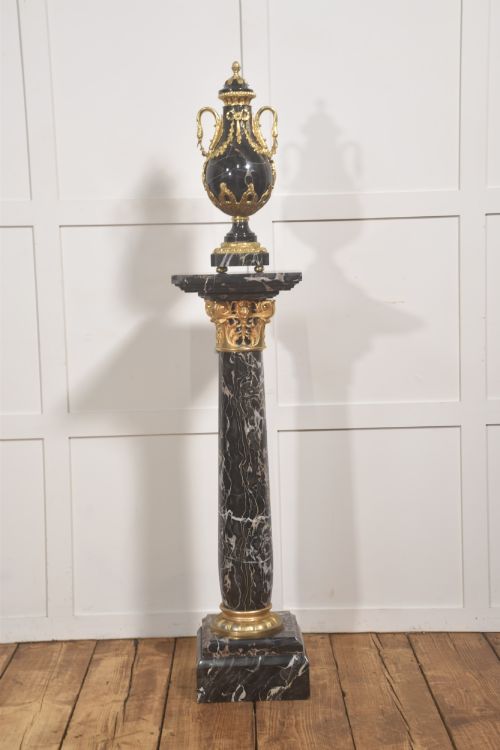
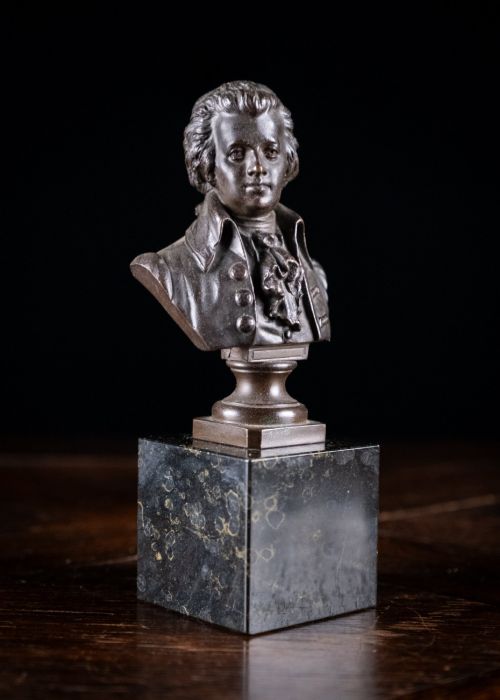
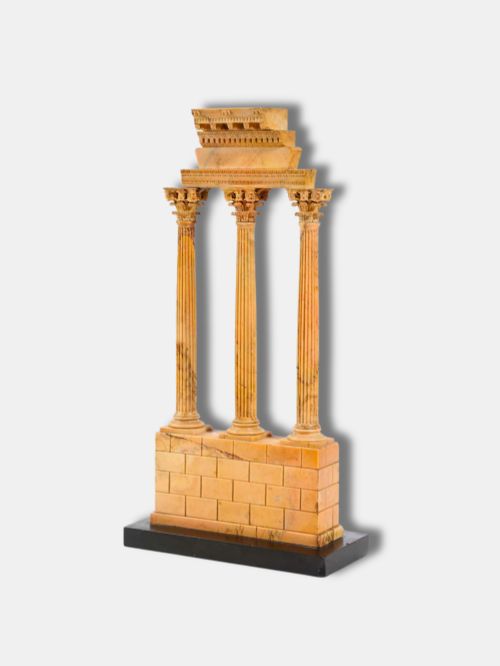
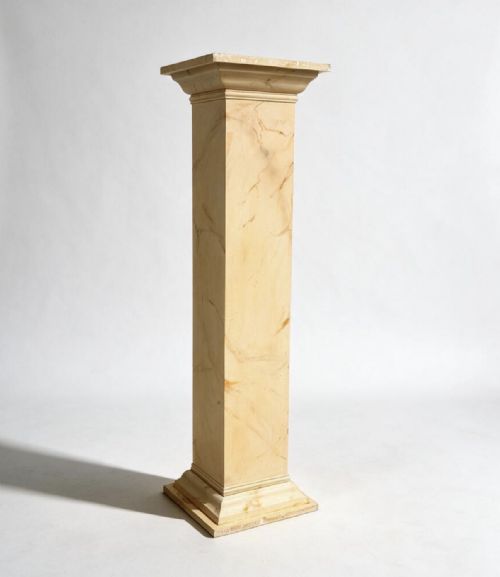
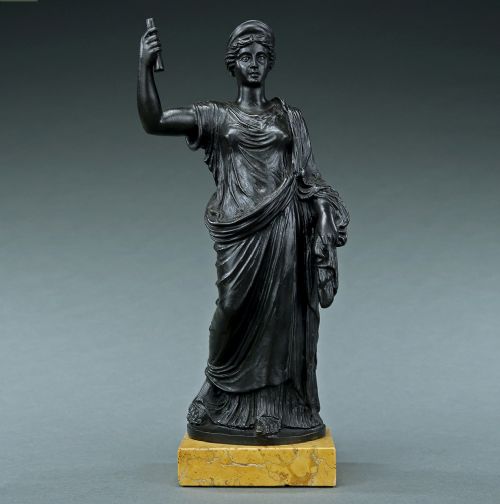
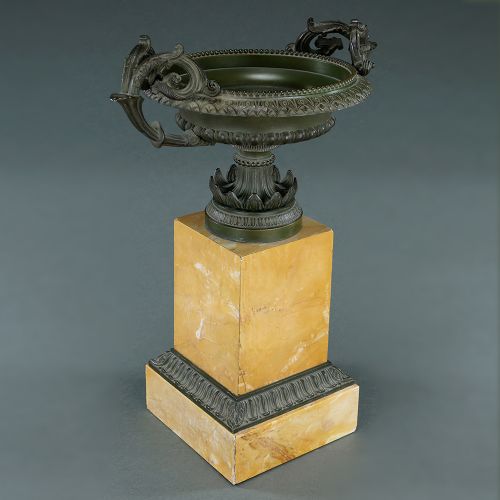
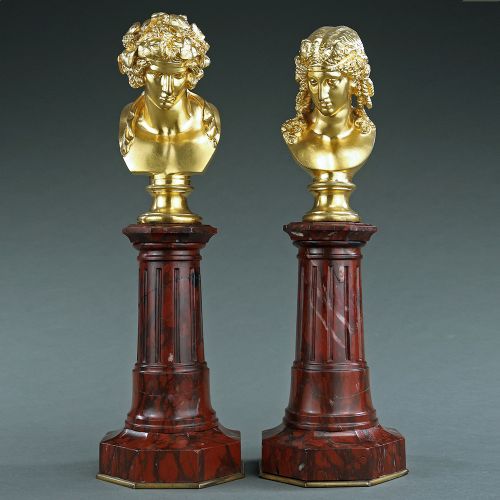
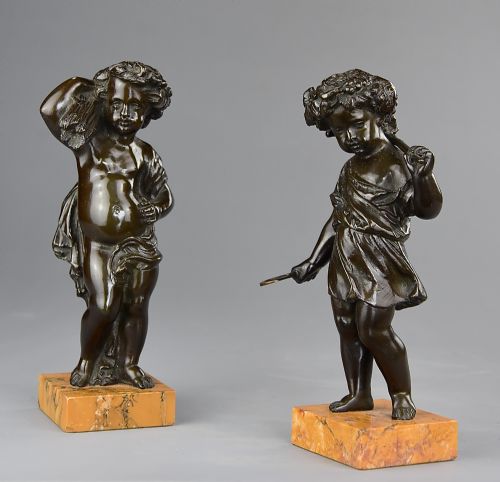
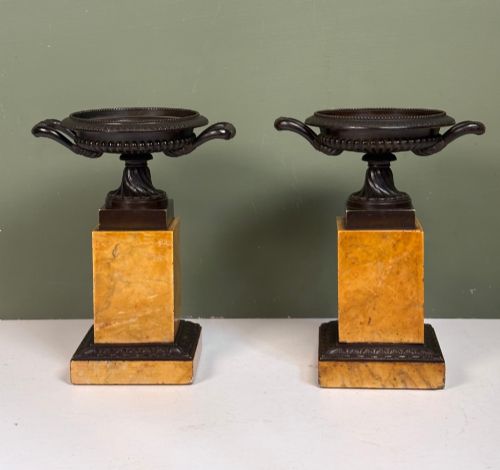
A classical marble plinth serves as an elevated architectural base, column or pedestal designed to display sculptural works, bronzes and decorative objects. When searching for a classical marble plinth, buyers encounter tall columns, low bases and stepped supports originating predominantly from the nineteenth century alongside later revivals. These items translate ancient architectural forms into domestic furnishings intended to showcase cabinet bronzes, Grand Tour souvenirs and portrait busts.
The objects span varied configurations, ranging from monolithic columns of variegated stone to low display blocks fitted with cast metal mounts. The material vocabulary relies heavily on genuine marbles such as Carrara, Bardiglio, Siena and Verde Antico, paired frequently with bronze, gilt bronze and ormolu. Forms trace lineages back to Neoclassical, Classical Revival and Grand Tour aesthetics, placing artefacts upon stable platforms of stone.
Materials and Construction
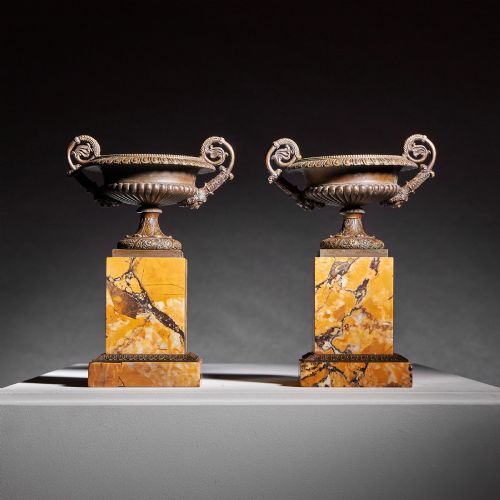
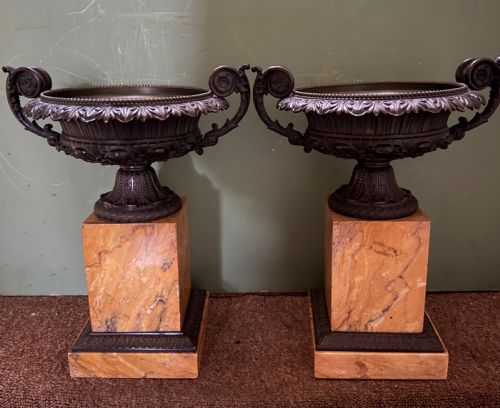
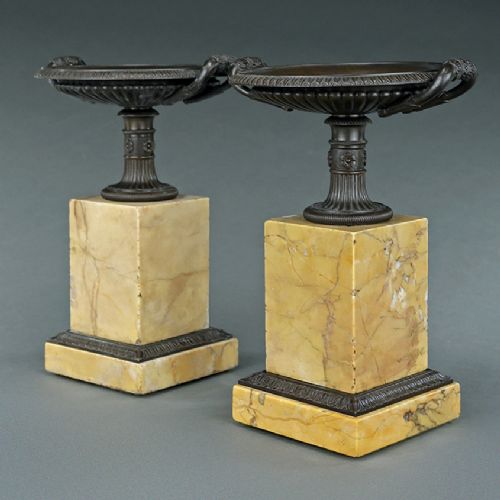
Workshops fashioned columns and bases from solid blocks of quarried stone, turning cylindrical shafts on lathes and hand-carving decorative capitals, paw feet and stepped profiles. Stonework pairs with cast bronze elements, utilising mercury gilding or patination to finish figurative mounts, collars and tazze. Artisans incorporated cast ormolu collars and brass accents to articulate junctions between stone shafts and their capitals.
Alternative techniques record the use of scagliola, a composite material mimicking natural marble through pigmented selenite plaster, alongside faux marble painted finishes applied to wood or plaster cores. Alabaster and onyx appear as carved components, offering translucent qualities distinct from opaque calcareous stones. Assembly typically involves threaded metal rods running through core channels to secure heavy stone drums and collars together.
Classical Marble Plinth Retail Price Guide 2026
Typical asking prices for classical marble plinth among the pieces listed under this phrase on Sellingantiques today, from the lower quarter to the upper quarter. They describe what is for sale here now, not the wider market.
Recorded objects date from the seventeenth century through to the mid-twentieth century, dominated by nineteenth-century Victorian and Grand Tour examples.
Judging Quality
Quality rests upon the selection and geological variety of the stone, favouring rich natural veining, consistent polish and substantial weight over painted imitations or lightweight plaster cores. Superior examples display crisp precision in the turning of stone shafts and hand-chased detail within associated ormolu mounts, bronze figures or cast collars. The integration between stone components and metal hardware reveals the competence of the maker.
The refinement of classical proportions dictates the visual success of a column or base, distinguishing bespoke studio productions from standard commercial souvenirs. Surfaces finished with deep, hand-rubbed polishes retain tactile depth, whereas lesser items rely on uniform synthetic varnishes that obscure natural mineral variations.
Claude Michael Clodion·Fritz Kochendorfer·Selim Bright
The Classical Marble Plinth Glossary
- Ormolu
- Gilt bronze produced by applying a mercury and gold amalgam to a cast bronze base, then heating it to drive off the mercury. This technique creates a durable, golden surface finish seen on nineteenth-century furniture mounts and decorative objects.
- Verde Antico
- A dark green serpentine marble breccia historically quarried in Greece and Italy. Its distinctive mottled appearance made it a favourite material for Neoclassical columns and decorative architectural elements.
- Grand Tour
- A traditional educational trip through Europe undertaken by upper-class young men during the eighteenth and nineteenth centuries. Travellers collected classical antiquities, bronze reductions and marble columns as souvenirs of their journey.
- Scagliola
- A composite technique utilising pigmented selenite, glue and plaster to imitate marble and other hardstones. Artisans applied and polished this mixture by hand to create elaborate architectural columns and inlay panels.
- Tazza
- A shallow cup or vase on a pedestal foot, derived from ancient Roman drinking vessels. These decorative pieces appear in bronze, marble and mixed media across nineteenth-century classical interiors.
Classical Marble Plinth: Frequently Asked Questions
What is a classical marble plinth used for?
These pieces function primarily as architectural supports to elevate sculptures, bronze figures, clocks and decorative urns within a room. Raising an object on a column or column-like base draws the eye upward and emphasises its status as a focal point.
Historically, they served to display Grand Tour souvenirs and portrait busts at optimal viewing heights. Today, they integrate into domestic interiors as standalone decorative statements or functional display furniture.
How do I identify different types of marble?
Distinguishing marble types involves examining the stone's colour palette, grain structure and natural veining patterns. Carrara presents a bright white or grey ground with subtle feathering, whereas Siena displays warm yellow and ochre tones.
Verde Antico relies on deep green serpentine breccia with white clouding, and Bardiglio shows slate-grey fields with darker streaks. Observing these geological characteristics helps clarify origin and period.
Where were these pieces made?
The majority of these items originate from nineteenth-century European workshops, with a heavy concentration in Italian and French studios. Italian artisans in cities like Rome and Florence catered directly to foreign travellers purchasing classical souvenirs.
French bronze-makers and stone-cutters also produced extensive ranges of columns, pedestals and mounted decorative objects for the domestic and export markets.
How do I care for antique marble?
Maintaining antique stone surfaces requires gentle cleaning with a soft, dry cloth to remove dust without abrasive friction. Moisture and acidic liquids must be kept away from porous marbles, alabaster and onyx to prevent permanent staining and surface etching.
Avoiding harsh chemical polishes preserves the original historic patina and protects delicate ormolu or bronze mounts attached to the stone.