





Classical Column Stand
A classical column stand elevates sculpture or light with architectural dignity, bringing stately proportion and historical gravity into any room.
Classical Column Stand
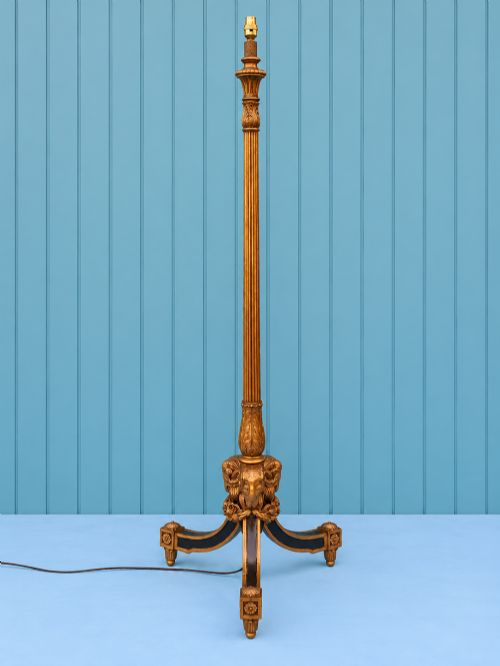
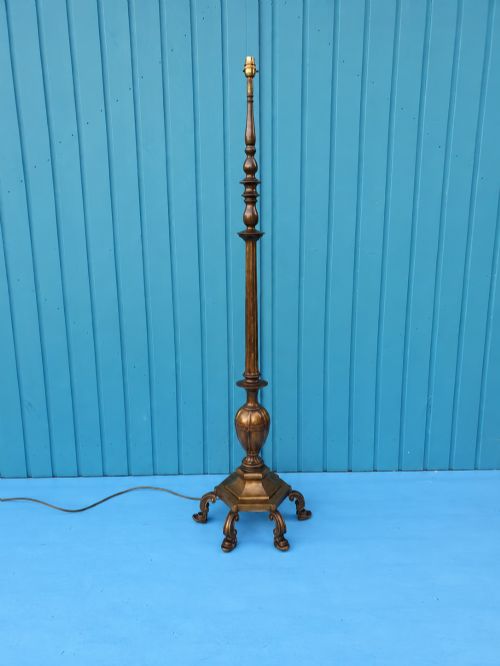
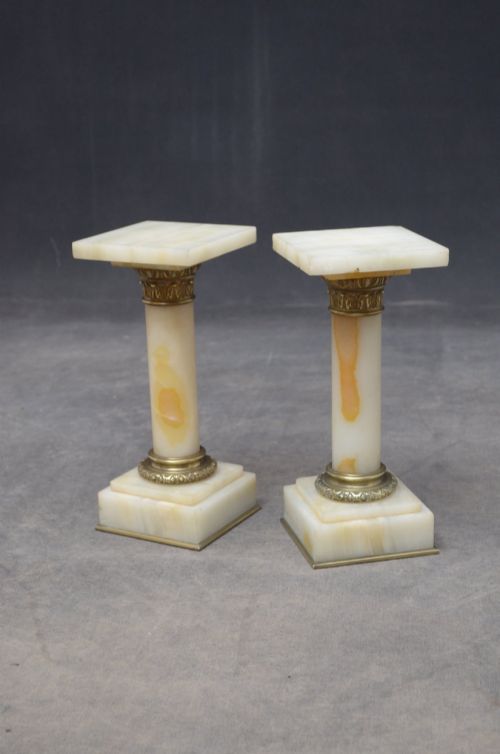
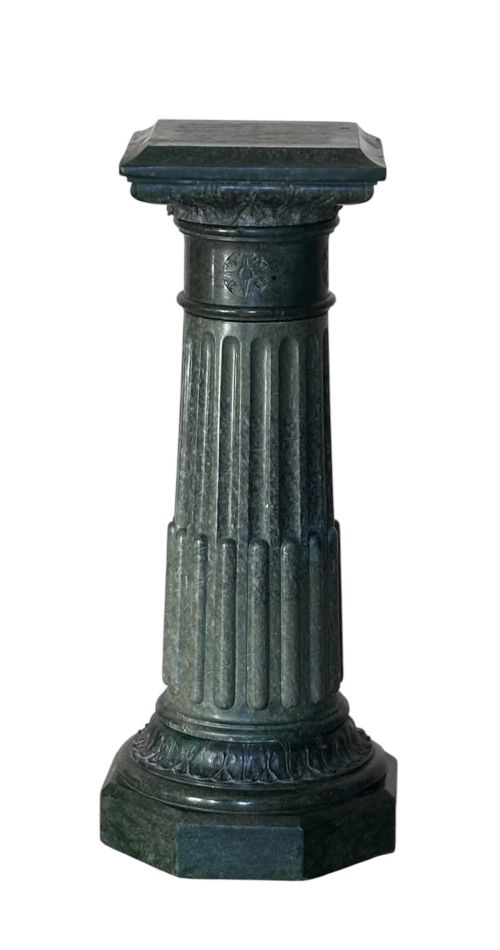
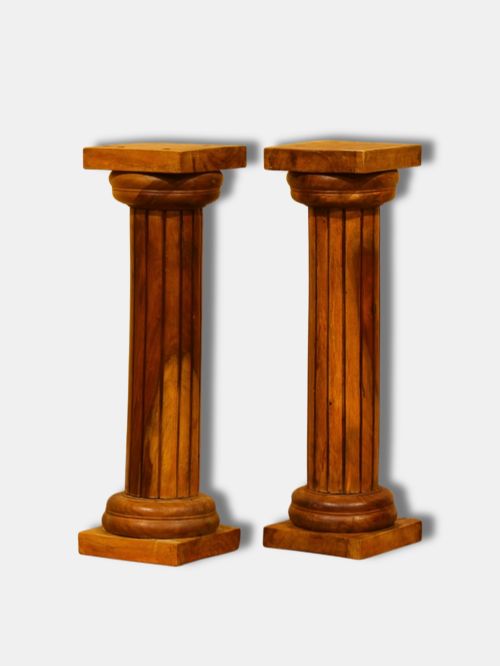
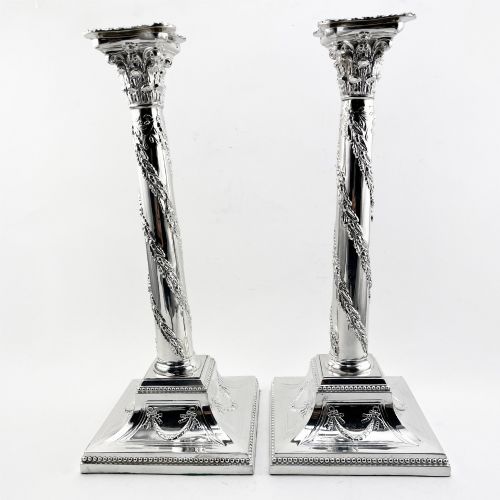
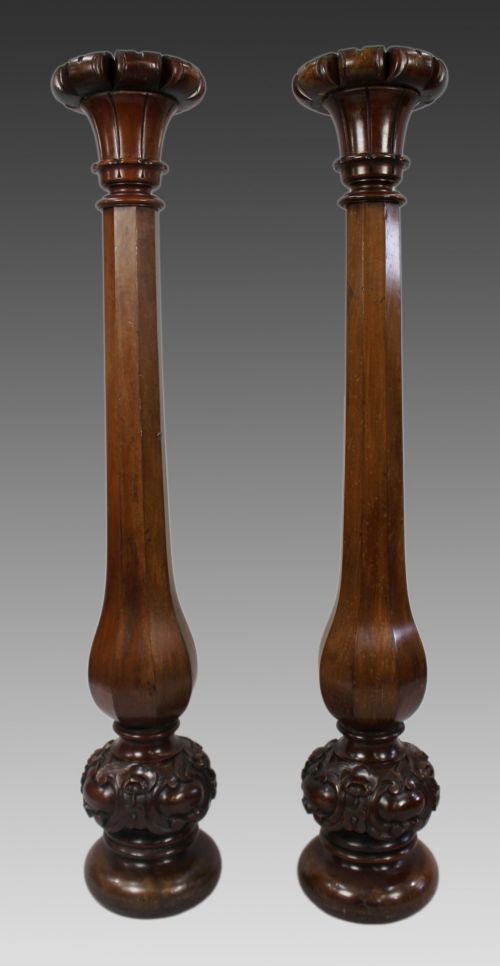
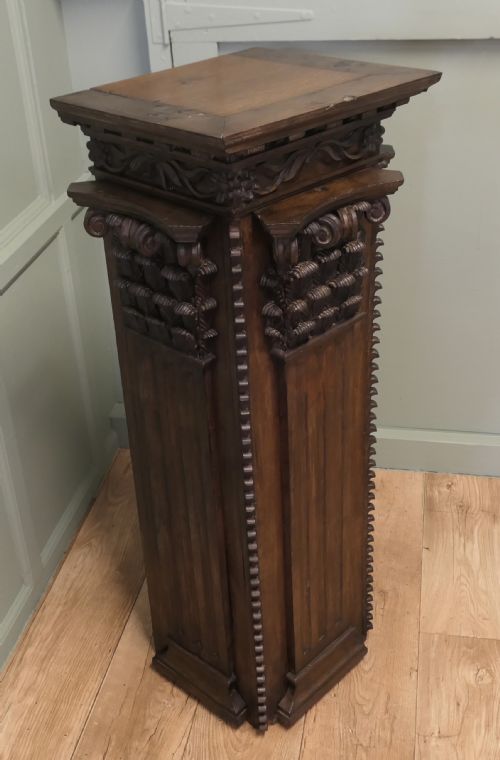
A classical column stand takes the structural vocabulary of ancient architecture and scales it down to domestic furniture for displaying art or lighting. You will most frequently encounter timber pedestals, painted wood simulating marble, and metal torchere standards dating from the nineteenth and early twentieth centuries.
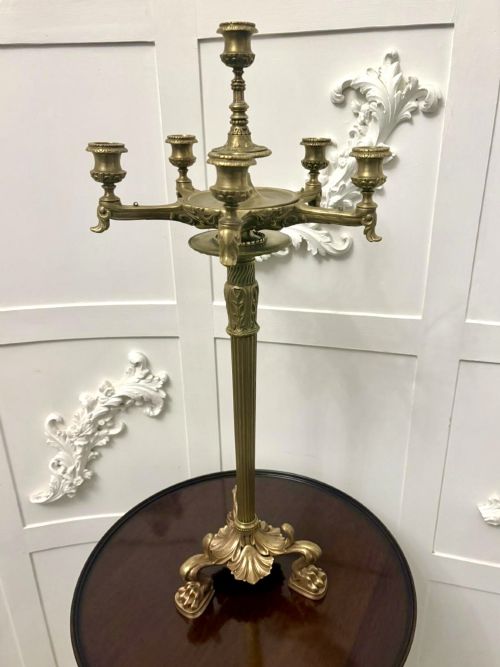
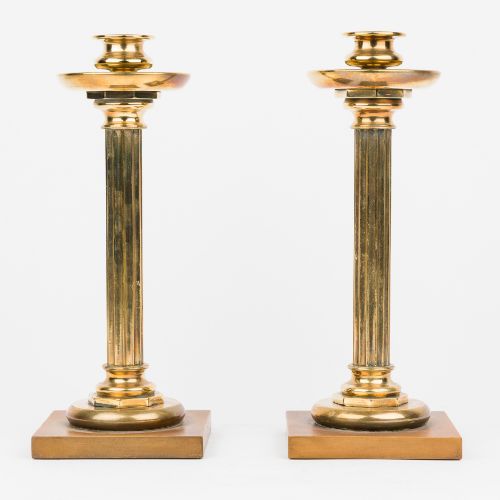
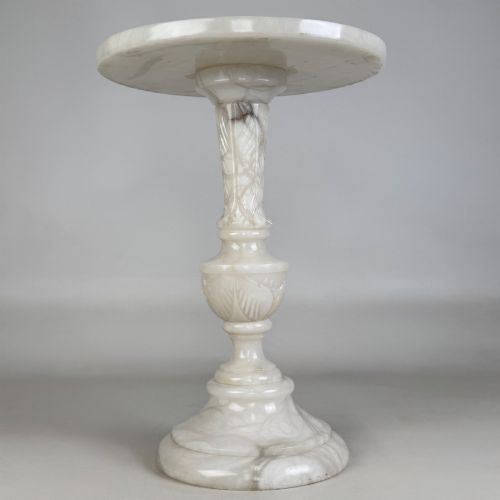
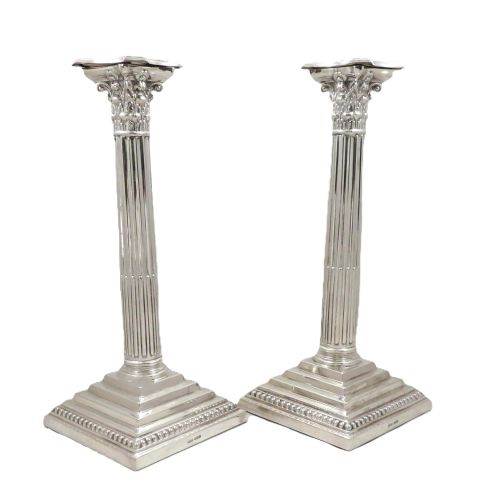
The selection ranges from Swedish birch and painted pine pedestals to brass Corinthian lamp standards and heavy scagliola display columns. Styles span Regency elegance, Empire revival mass, and neoclassical symmetry designed to anchor a corner or spotlight an object.
Forms vary between straight-fluted shafts, square plinths, and adjustable torchere heights suited for displaying sculptures, urns, or functioning as reading lamps.
How they were made
Craftsmen built these pieces from solid hardwoods like birch, pine, and satin birch, often turning wooden shafts on a lathe to achieve precise fluting and classical proportions. Decorative surfaces were frequently achieved through simulated painting techniques, creating convincing faux giallo antico marble finishes upon timber.
More ambitious examples utilised scagliola and plaster to mimic solid stone, while metal elements involved cast brass capitals and gilt bronze mounts. Gilded and ebonized treatments added rich contrast, paired with heavy internal weighting to ensure stability for display items.
Classical Column Stand Retail Price Guide 2026
Typical asking prices for classical column stand among the pieces listed under this phrase on Sellingantiques today, from the lower quarter to the upper quarter. They describe what is for sale here now, not the wider market.
The inventory records pieces originating across the nineteenth century, Regency era, and early twentieth-century revival periods.
What varies in quality
Quality rests upon the crispness of the carving, the architectural correctness of the capital orders, and the fidelity of any faux finish. A superior pedestal demonstrates precise fluting, substantial weight, and convincing paint or scagliola work rather than flat, uninspired blocking.
The choice of materials dictates the upper tier, where genuine onyx, finely cast gilt bronze, and richly figured satin birch separate ambitious workshop pieces from simpler painted pine alternatives.
The Classical Column Stand Glossary
- Scagliola
- A composite material made from selenite, glue, and pigments, mimicking true marble with remarkable depth and smoothness. It allows artisans to shape complex stone-like columns without prohibitive weight.
- Torchere
- A tall stand originally designed to hold a candle or torch, later adapted for electric lamps or sculpture display. These slender supports elevate a light source above eye level.
- Corinthian
- The most ornate of the classical orders, characterised by carved acanthus leaves and scrolls on the column capital. This order brings high formality to standard lamps and pedestals.
- Ebonized
- Wood treated with a chemical stain or dark finish to imitate expensive ebony. This technique was popular in nineteenth-century revival furniture for sharp, dramatic contrast.
Classical Column Stand: Frequently Asked Questions
What is a classical column stand used for?
These stands serve primarily as elevated platforms for displaying sculptures, heavy urns, or decorative art pieces within a room. They lift focal objects to eye level, improving visibility and visual impact.
Alternatively, many variations double as standard lamps, combining architectural columns with electrical fittings to cast ambient room light from a raised position.
How do I date a column stand?
Dating relies heavily on material composition, turning techniques, and the specific revival style employed by the maker. Nineteenth-century examples often feature heavier brass castings and hand-mixed faux marble paint effects.
Early twentieth-century pieces may show cleaner machine-turned elements or distinct Edwardian proportions, while Regency items display sharper neoclassical restraint and giltwood details.
Are these stands stable enough for heavy items?
Most antique pedestals and columns were engineered with weighted bases or solid timber cores to safely support heavy marble or bronze sculptures. Their broad footprints prevent tipping under normal display conditions.
However, buyers should check the specific base construction of tall torchere standards or slender plaster shafts before placing fragile or extremely heavy objects atop them.
How do I fit a column stand into a modern interior?
A classical column stand works best as a deliberate architectural accent in an otherwise minimalist or transitional space. It introduces verticality and historic texture to empty corners.
Pair a painted wooden column with contemporary art to create striking contrast, or use a brass standard lamp to add warm, layered lighting to a living area.