
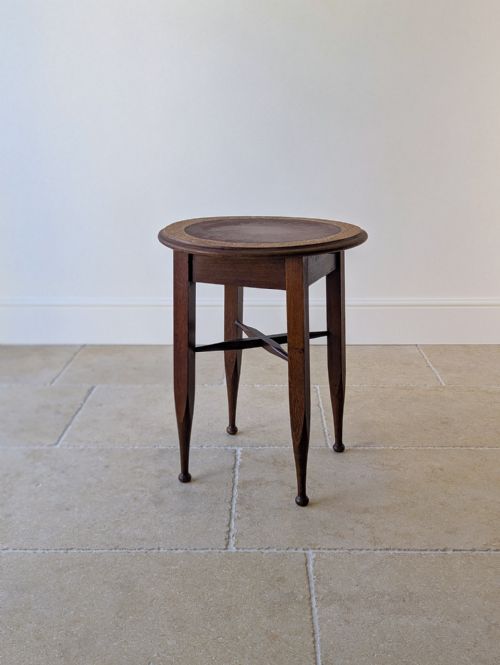

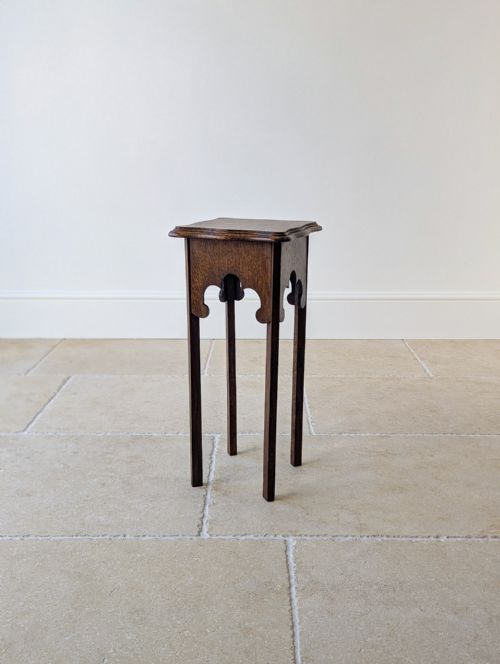
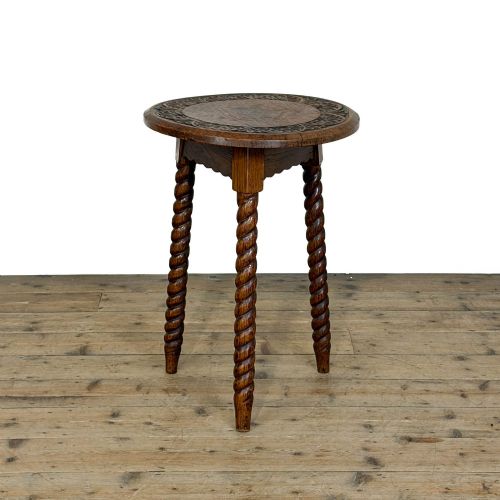
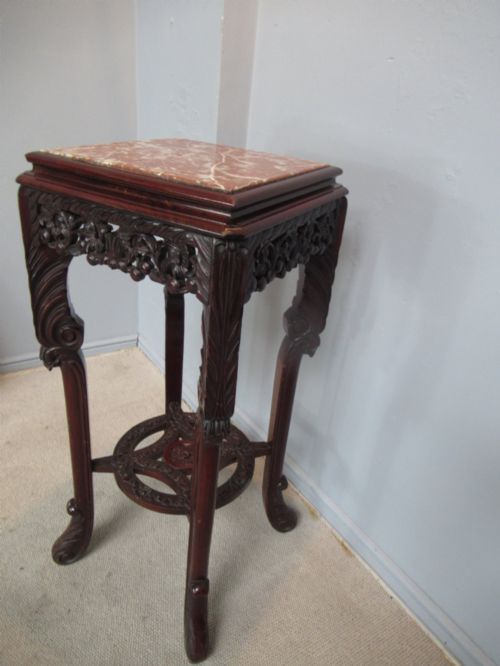
Vintage Plant Stand
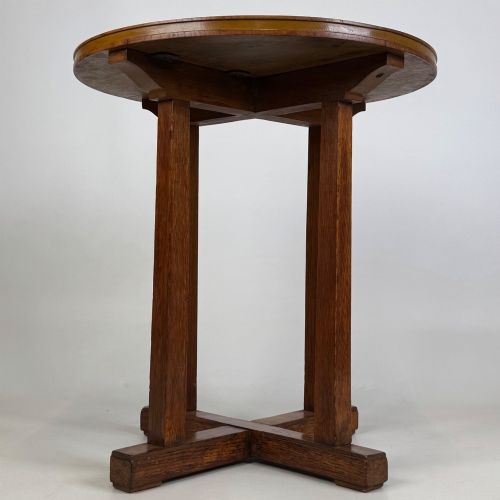
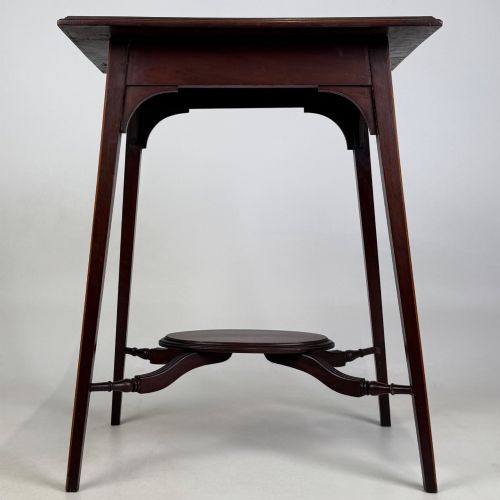
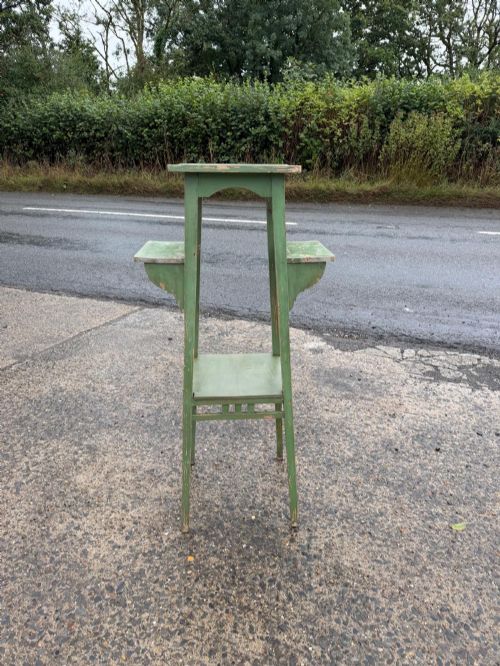
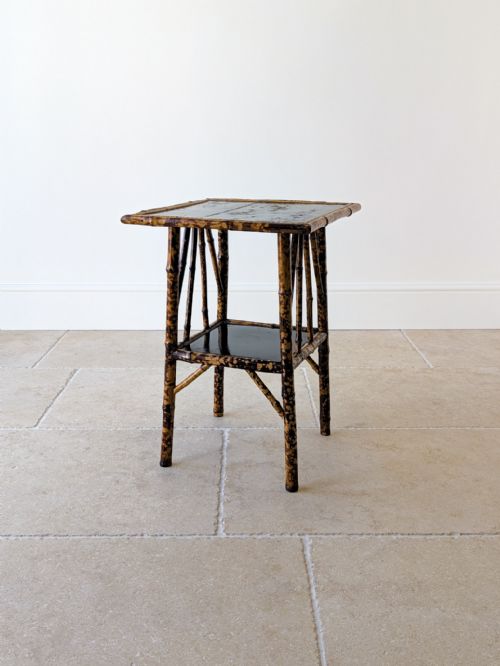
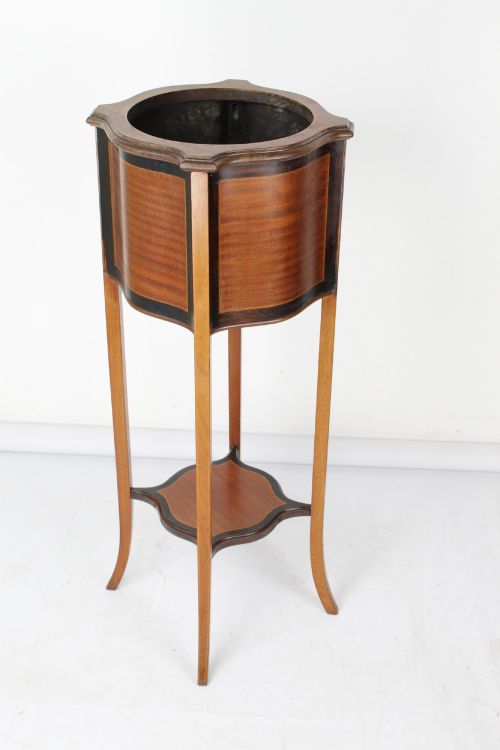
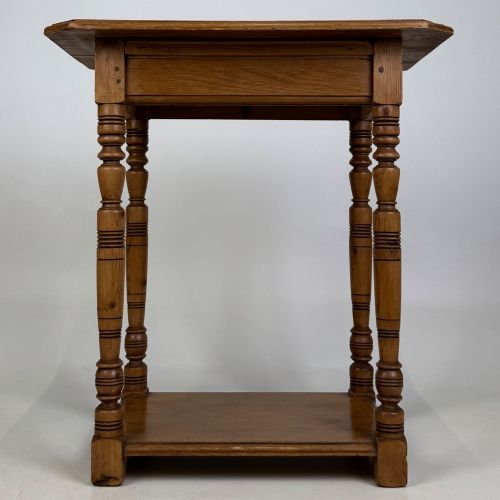
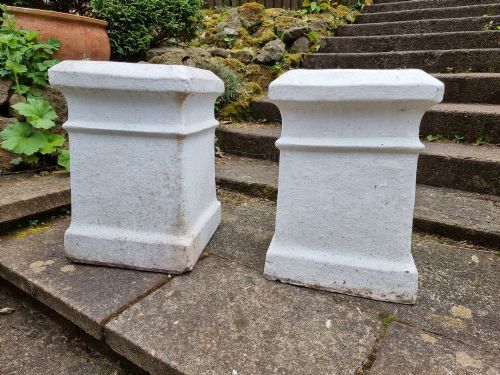
These vintage plant stand examples range from Edwardian mahogany to French painted iron, offering sturdy elegance for indoor greenery.
What these pieces are
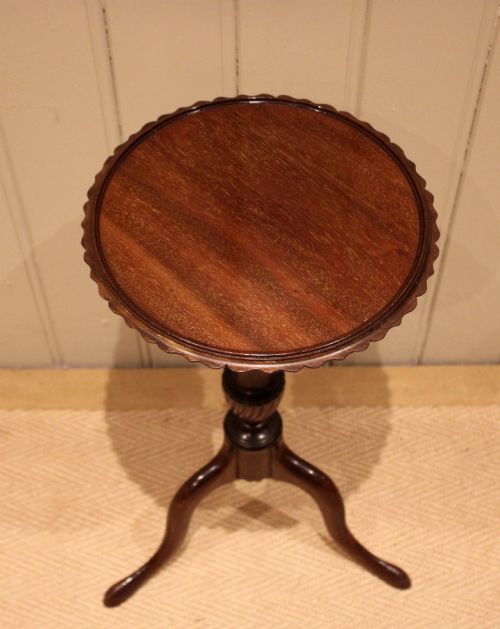
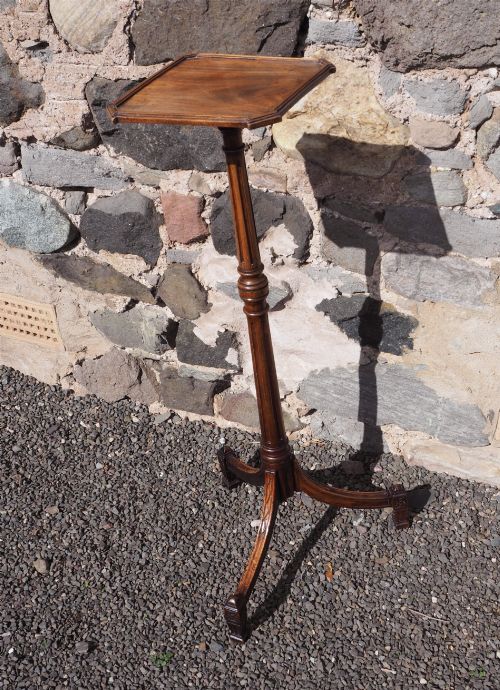
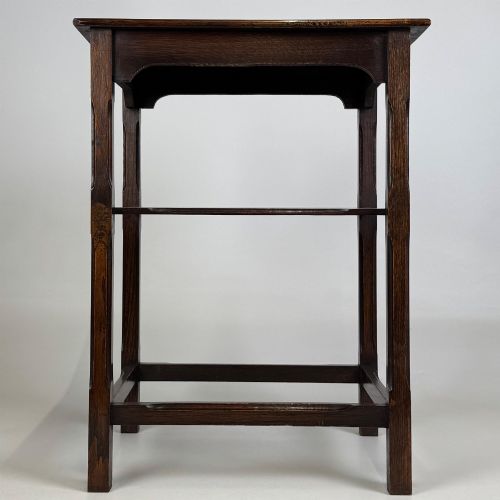
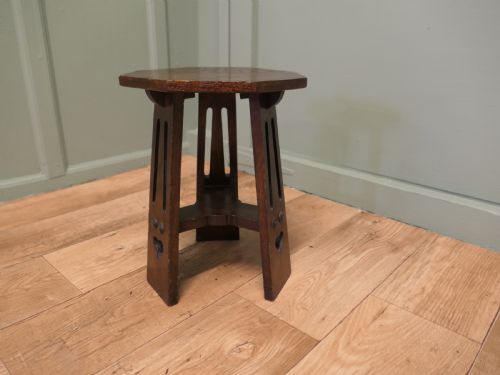
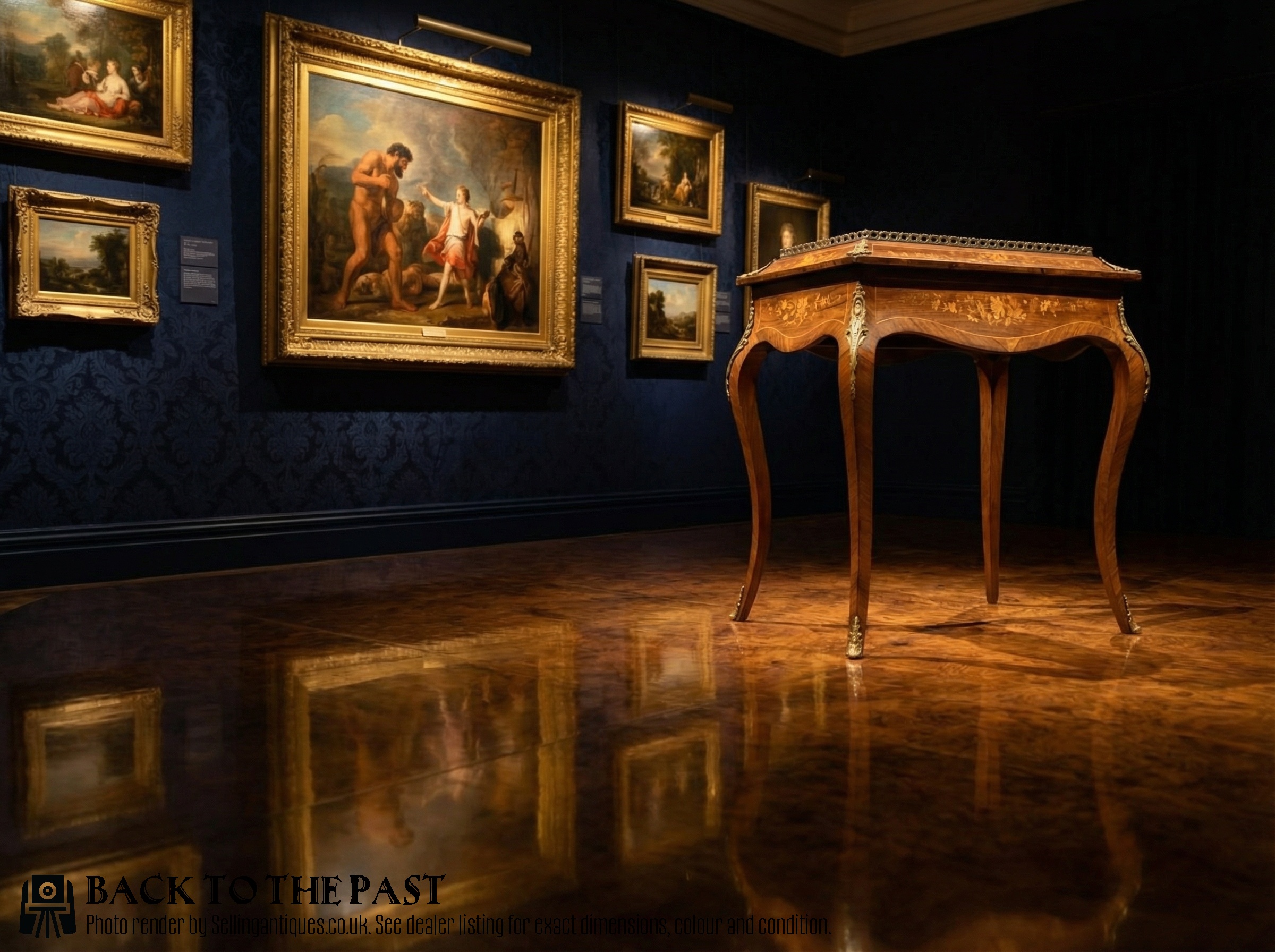
A vintage plant stand serves to elevate greenery and decorative vessels within domestic spaces, drawing from varied forms including side tables, jardiniere planters, occasional tables, and wig stands. The selection spans periods from the Georgian era through the Victorian period, Edwardian years, and the Art Deco movement.
Makers and designers adopted diverse stylistic influences such as French Chateau, Georgian Revival, and the manner of Louis XV. Common forms meet functional needs through dedicated pot holders, tiered shelves, and compact surfaces designed for domestic display.
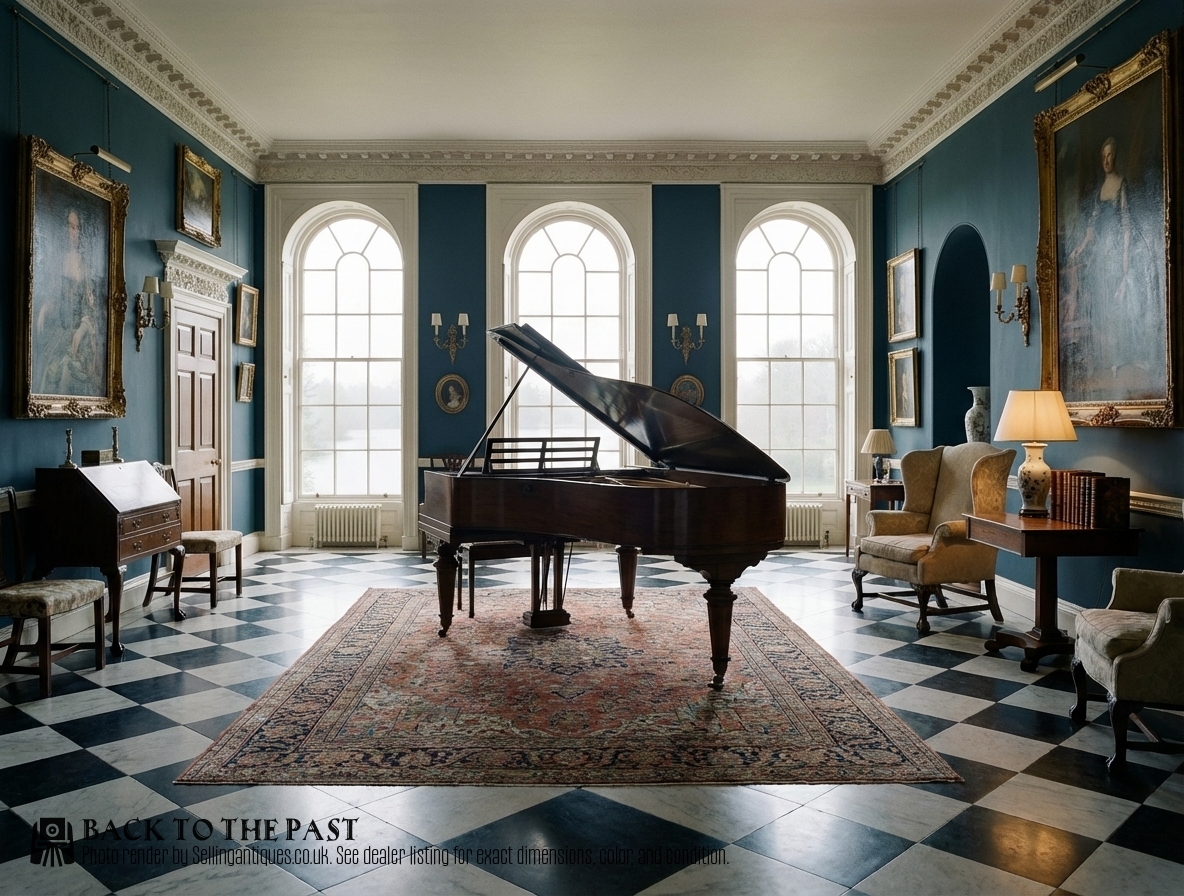
How they were made
Construction relies on traditional hardwoods and metals, featuring mahogany, oak, brass, ormolu, and painted iron. Artisans employed inlay work and marquetry to embellish surfaces, alongside limed finishes on oak.
Structural integrity relies on timber framing and metal mounts, sometimes incorporating glass elements and fitted compartments for planters or washware.
Retail Price Guide 2026
Typical UK retail prices for vintage plant stand, calculated from the Sellingantiques database of over a million retail prices indexed since 2003. This retail price guide relies exclusively on Sellingantiques data; no external sources or auction records are used, so the figures do not describe the wider market.
Materials span mahogany, oak, brass, ormolu, glass, marquetry, and painted iron across multiple decades.
What varies in quality
Quality rests on the selection of timber, the precision of marquetry inlay, and the refinement of metal mounts like ormolu and brass. Pieces displaying cohesive period stylistic details command attention over generic adaptations.
The sophistication of the structural form, from simple oak surfaces to intricate French Chateau painted ironwork and specialised jardiniere frames, dictates the upper tiers of craftsmanship.
The Vintage Plant Stand Glossary
- Jardiniere
- An ornamental pot or stand for holding plants or flowers. It often takes the form of a planter integrated into a freestanding wooden or metal frame.
- Ormolu
- Gilded bronze used for decorative mounts on furniture and decorative objects. This technique creates a rich golden finish that enhances period pieces.
- Marquetry
- Decorative veneer work applied in patterns using different woods and materials. Craftsmen cut precise shapes to form intricate pictorial or geometric designs.
- Wig stand
- A small pedestal table originally designed for holding powdered wigs. These tall, slender stands adapt well to displaying modern botanical specimens.
- Limed oak
- Timber treated with a specialised finish that highlights the open grain with a whitish paste. This method creates a distinct light texture popular in Art Deco design.
Frequently Asked Questions
How were plant stands used?
These pieces functioned primarily to elevate potted plants, flowers, and decorative vessels above floor level for better visibility and light. Domestic interiors utilised them in reception rooms, halls, and parlours.
They also served secondary roles as occasional tables for holding small decorative objects, lamps, or everyday items depending on their surface configuration and height.
What materials are common?
Construction materials include traditional hardwoods such as mahogany and oak, frequently enhanced by marquetry inlay or limed finishes. Metal components incorporate brass, ormolu, and painted iron.
Some iterations also feature glass surfaces and specialised metal liners intended to catch water drainage from potted plants.
Can I use them outside?
Most antique and vintage examples are constructed for indoor domestic environments and sheltered conservatory spaces. Exposure to weather can damage historic timber and painted iron finishes.
Painted iron versions offer more resilience, but historic pieces generally require protection from moisture and direct sunlight.