

Antique Plant Table
An antique plant table brings greenery indoors with period elegance, offering a dedicated stage for ferns and flowers in a Victorian interior.
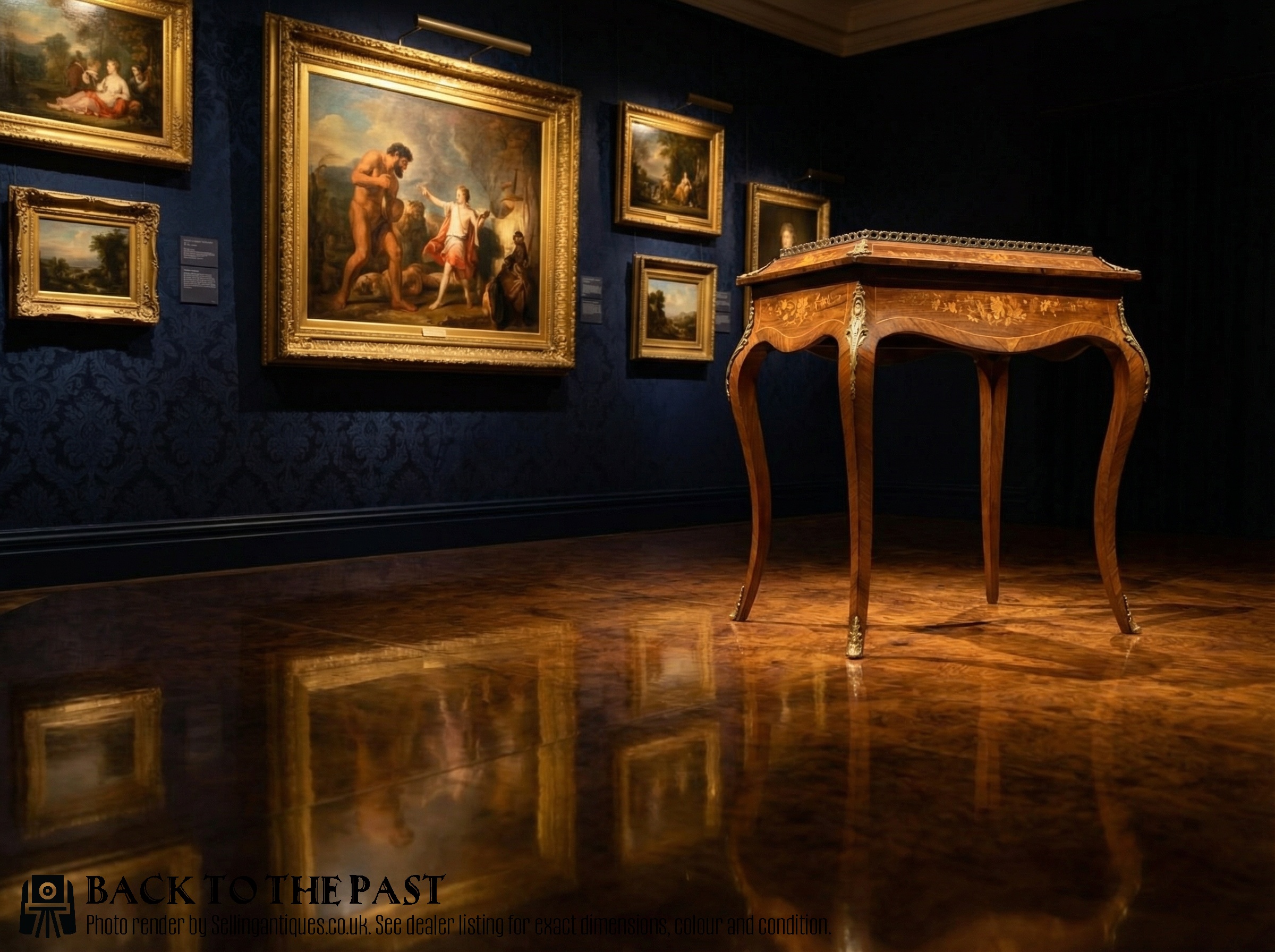
Antique Plant Table
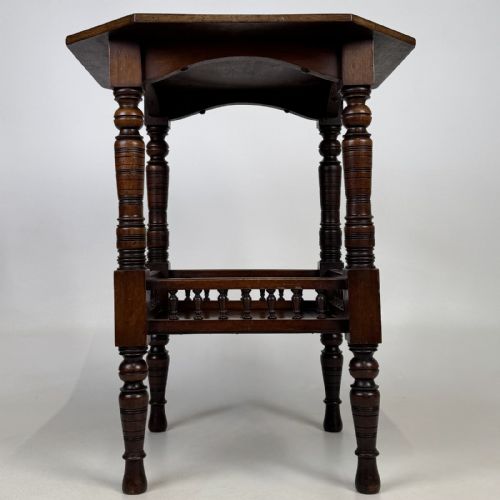
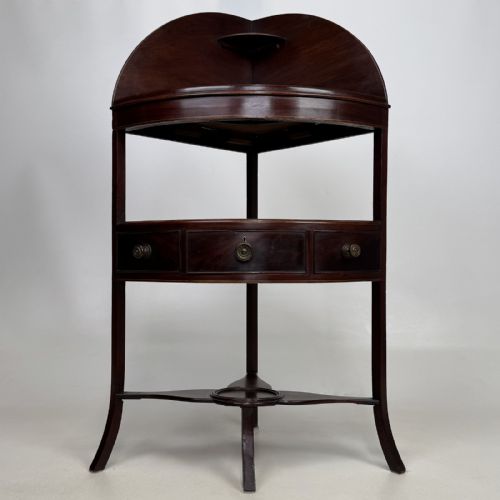
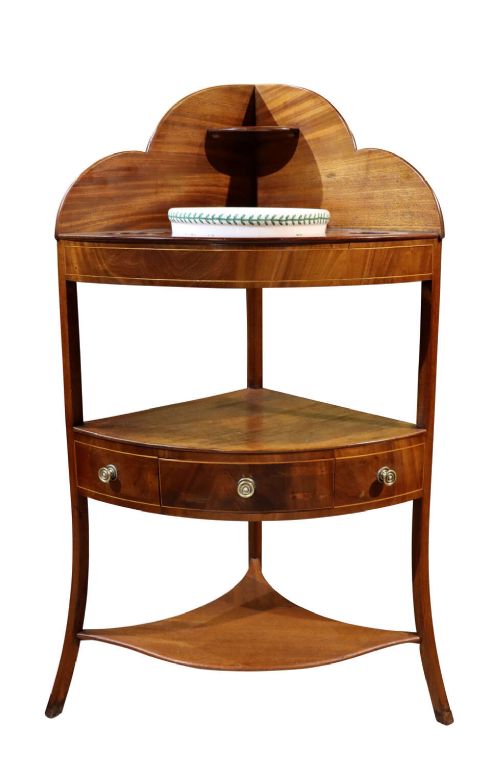
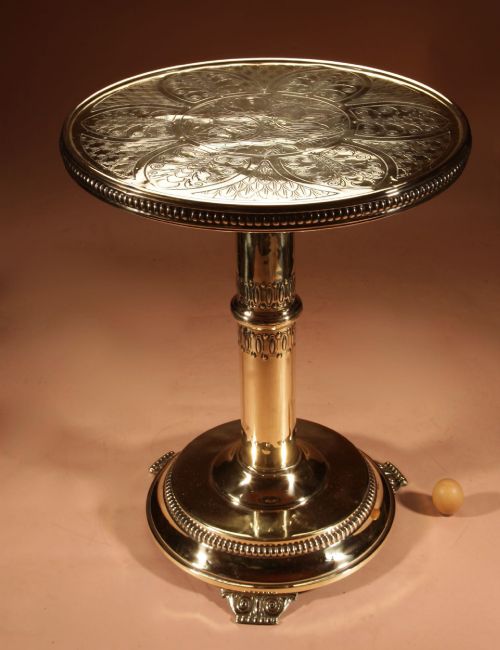
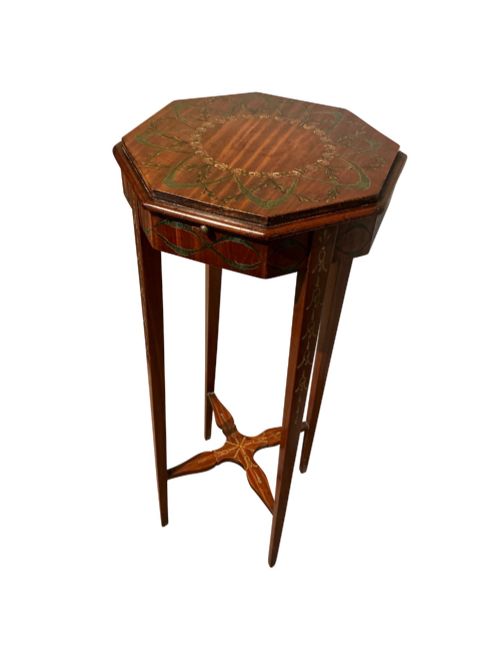
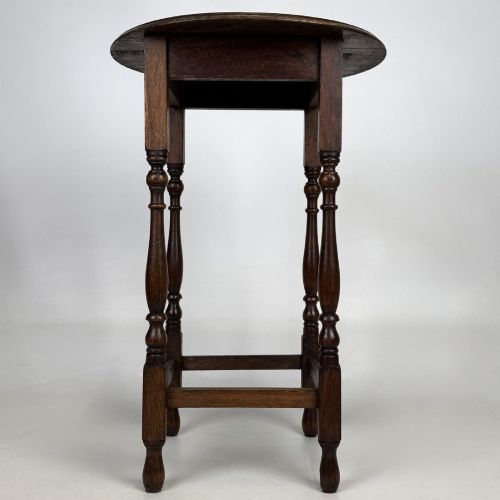
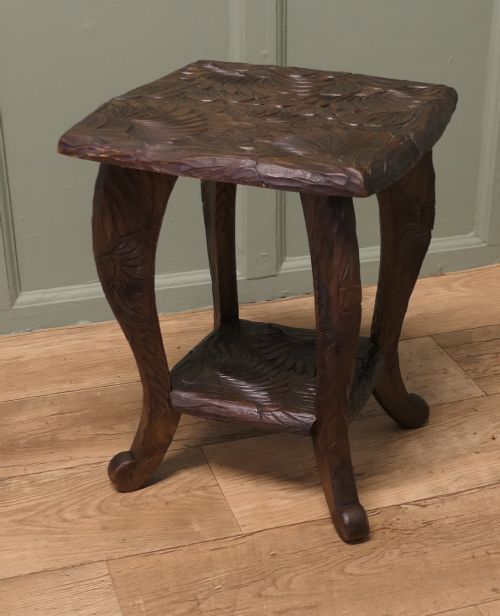
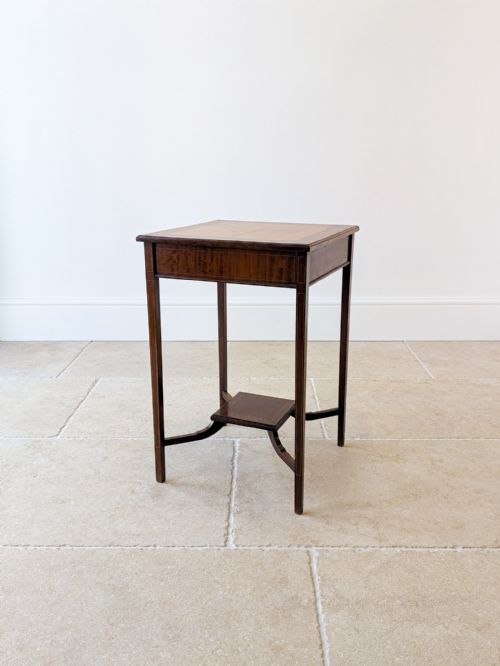
The antique plant table covers a versatile group of furnishings designed specifically to display foliage, flowers, and jardinieres within domestic spaces. Buyers encountering this selection will frequently meet Victorian examples, alongside pieces stretching from the nineteenth century into the early twentieth century.
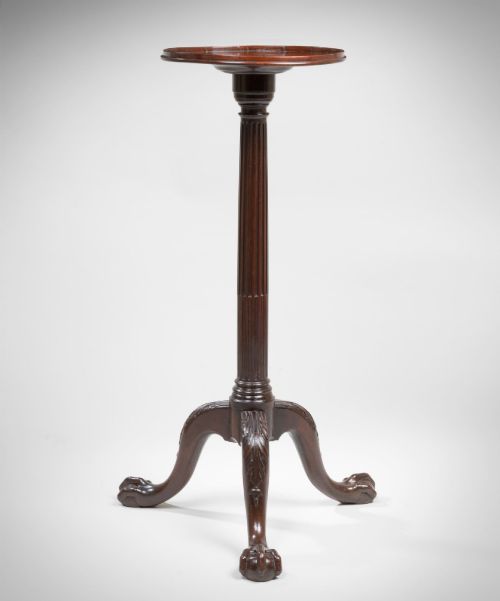
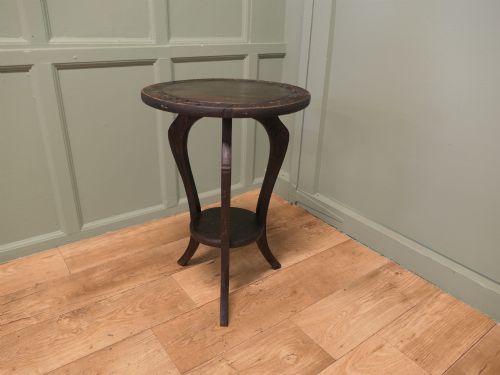
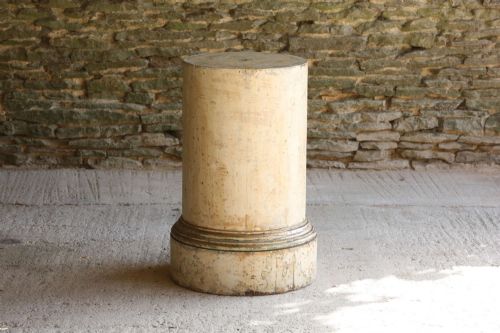
Forms vary from dedicated plant stands and tall torcheres to multi-purpose occasional and side tables. Many incorporate specialised liners, galleries, or marble inserts to accommodate damp pots, while others double as lamp tables or wine coolers.
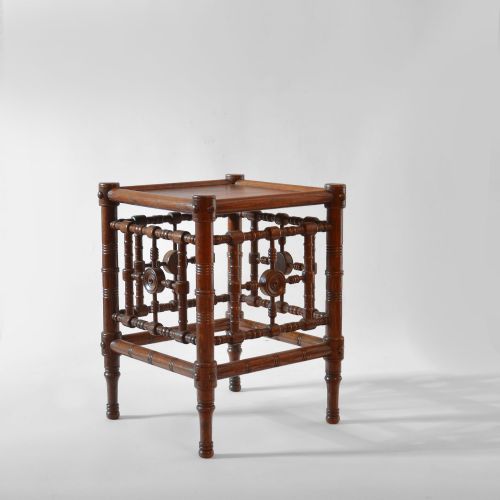
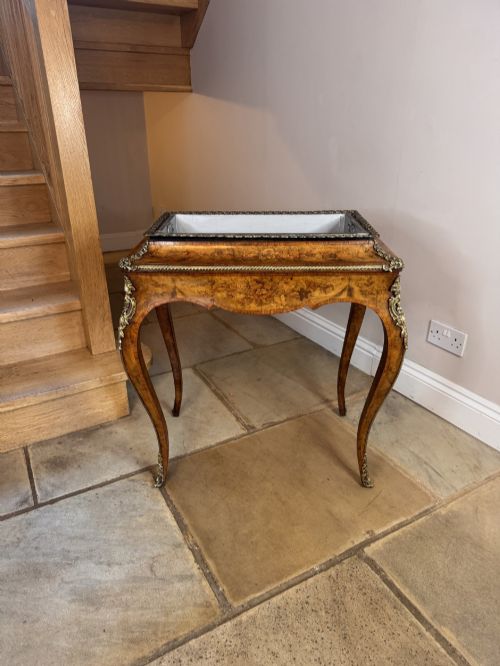
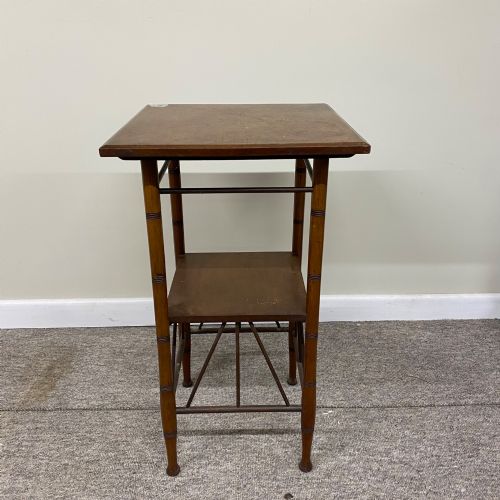
Origins span English workshops, French Louis-style salons, and Chinese export pieces in elm and marble. This diversity means a buyer might select a slender mahogany column, a bamboo occasional piece, or an inlaid walnut jardiniere table.
Materials and Construction
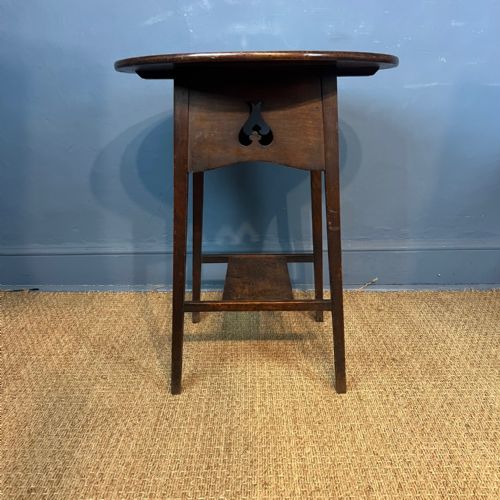
Cabinetmakers utilised a rich palette of timbers, predominantly mahogany, walnut, burr walnut, and rosewood, alongside oak, pine, and exotic hardwoods. Marquetry inlay, stringing, and painted finishes frequently decorate the tops and friezes of finer examples.
Antique Plant Table Retail Price Guide 2026
Typical asking prices for plant table among the pieces listed under this phrase on Sellingantiques today, from the lower quarter to the upper quarter. They describe what is for sale here now, not the wider market.
Listings demonstrate a strong preference for mahogany and walnut, alongside occasional uses of bamboo, cast iron, and marble.
Defining Quality
Quality rests upon the selection of timber and the precision of decorative work, such as intricate marquetry, fine wood veneers, and delicate inlay. Pieces featuring figured burr walnut or substantial mahogany naturally sit higher in the range than utility pine or basic painted items.
Structural refinement also dictates value, distinguishing sturdy, well-turned rope twist columns and solid galleries from simpler frames. The inclusion of original metal liners or fitted marble tops elevates a piece from a standard occasional stand to a finished horticultural furnishing.
The Antique Plant Table Glossary
- Jardiniere
- An ornamental pot or stand for plants and flowers. These often feature waterproof liners or internal wells.
- Torchere
- A tall, slender stand designed to hold a light or a display plant. They usually feature single central columns with tripod or circular bases.
- Marquetry
- Decorative veneer work forming pictures or patterns using various woods. This technique is commonly found on Victorian walnut tabletops.
- Gallery
- A raised wooden or brass rim surrounding a tabletop. This feature prevents pots or glassware from sliding off the edge.
Antique Plant Table: Frequently Asked Questions
How were plant tables used?
Historically, these tables placed potted ferns and flowering plants near windows or within conservatories to display botanical collections. Their surfaces protected domestic floors and furniture from damp soil and water runoff.
Many designs served dual purposes, functioning equally well as lamp tables, wine coolers, or side surfaces for entertaining.
How do I identify a Victorian plant table?
Victorian examples often feature rich timbers like burr walnut, mahogany, and rosewood, frequently decorated with marquetry inlay or intricate carving. Look for structural elements typical of the period, such as rope twist columns or Aesthetic Movement styling.
Many include original brass liners, ceramic inserts, or marble tops intended to safely house potted plants.
Can I use an antique plant table today?
These tables integrate easily into modern interiors to display houseplants, lamps, or decorative objects. Their varied heights and footprints suit corners, hallways, and living spaces.
When using them for live plants, ensure the surface or liner is adequately protected against moisture to preserve the antique wood and finish.