



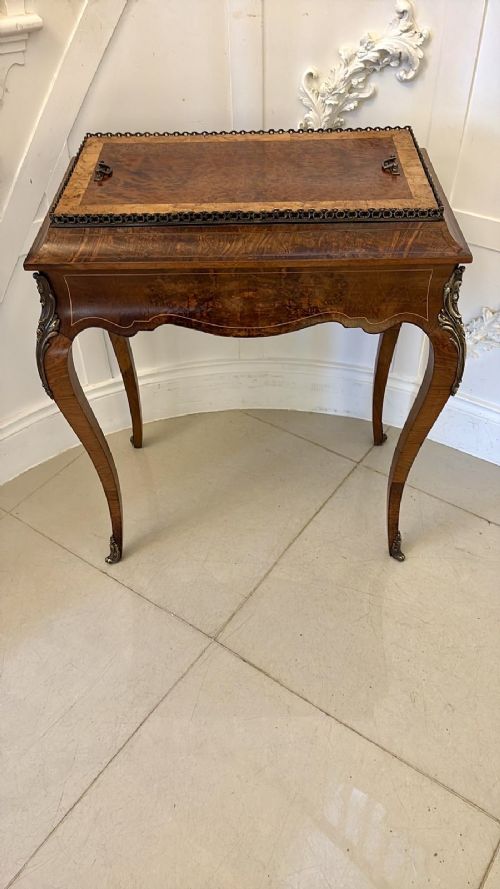


Louis XV Jardiniere
A louis xv jardiniere brings the flourish of French plant stands and planter tables into a room.
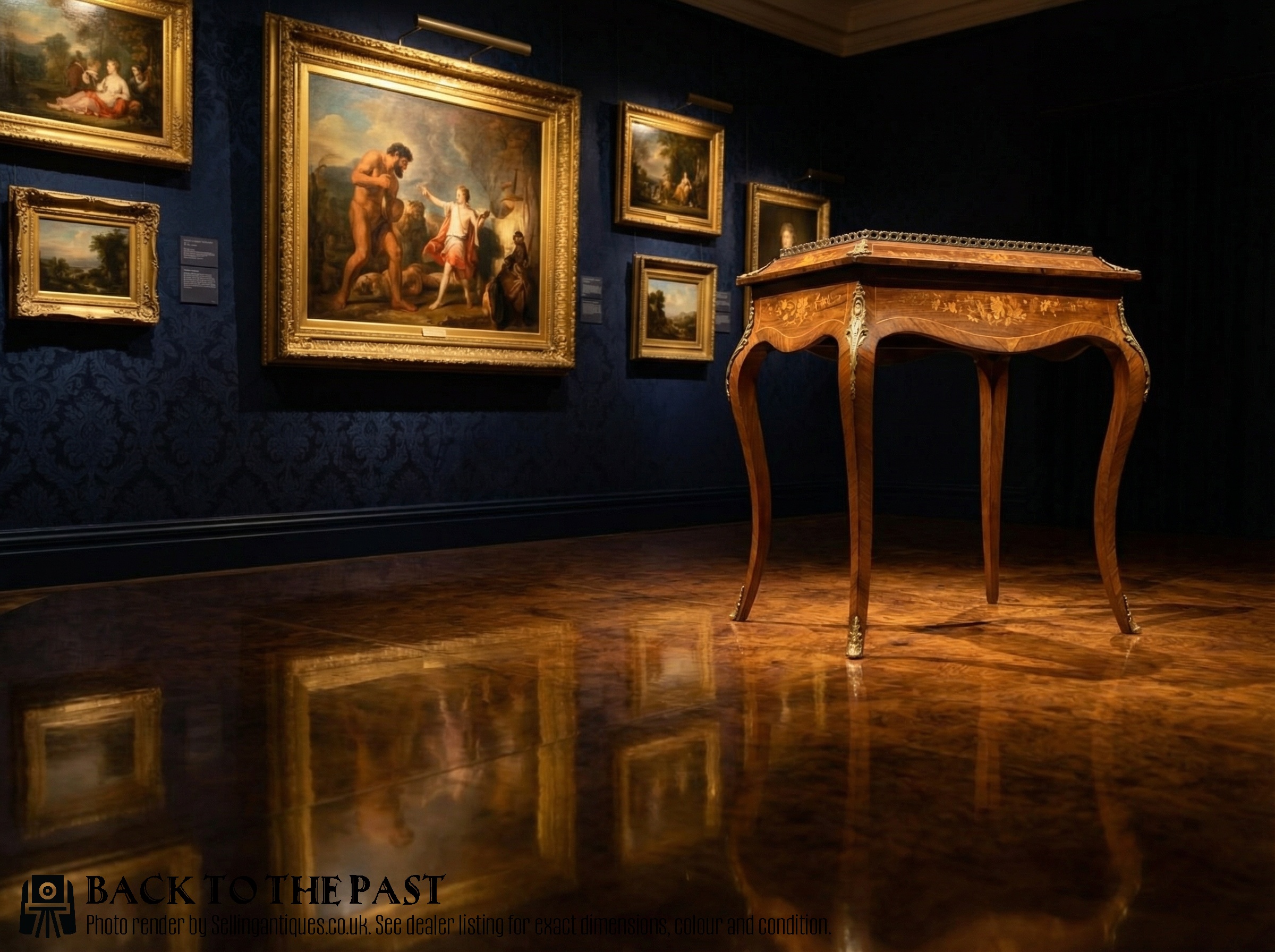
Louis XV Jardiniere
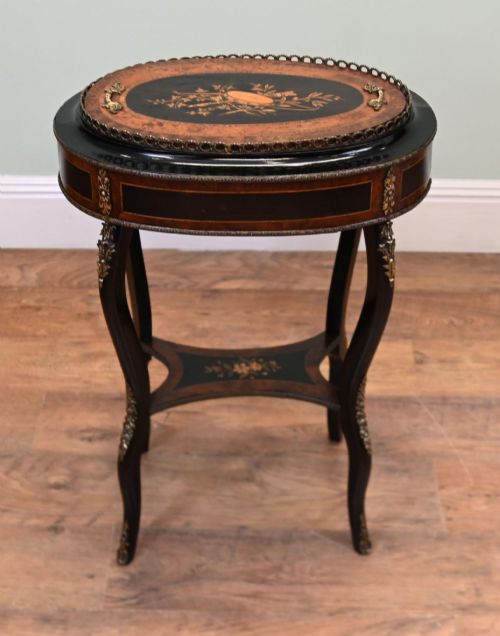
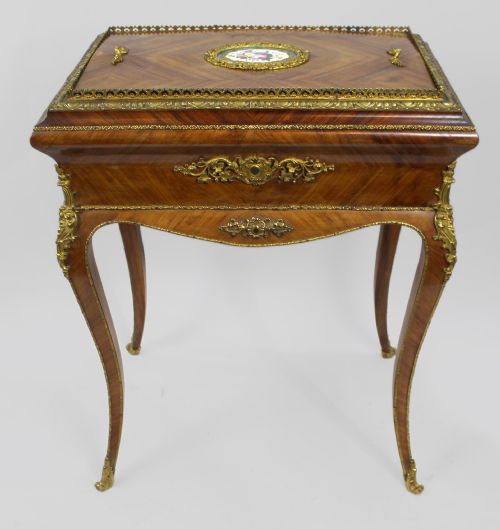
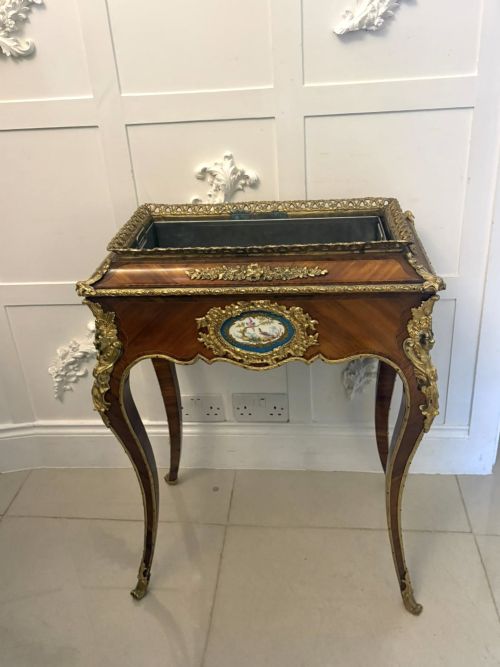
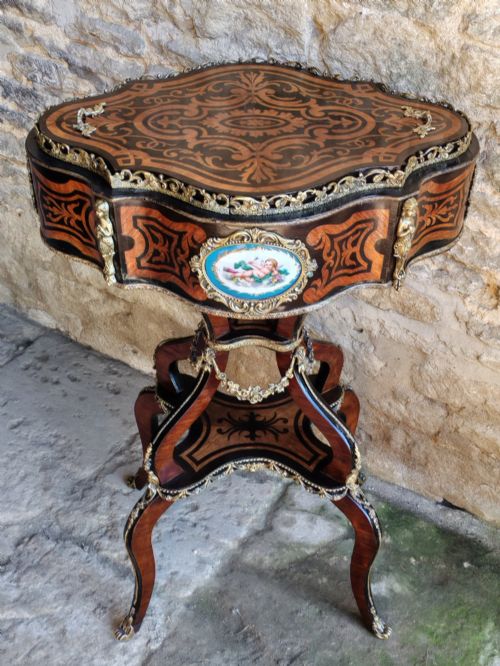
A louis xv jardiniere takes the form of a table, a planter stand, a wine cooler, a cellarette, or a vase stand designed for holding plants or floral arrangements. These pieces emerge from the nineteenth century, including the Belle Epoque era and specific dates like eighteen-sixty and nineteen-thirty, reflecting French Louis XV Revival and French Chateau tastes.
The version most commonly met on this page is the nineteenth-century jardiniere table or planter, often styled in the Louis XV manner. Examples range from freestanding stands to table forms intended to display greenery within a formal interior.

How they were made
Craftsmen built these pieces using solid timbers and veneers, employing burr walnut, walnut, mahogany, kingwood, tulipwood, rosewood, and inlaid wood with marquetry decoration. Carved giltwood also appears among the construction materials used for these plant stands and vase supports.
Makers integrated cast and chased or gilt metal mounts and ormolu hardware to accent the woodwork and line the planting wells. These mounts follow the curves characteristic of the Louis XV style.
Louis XV Jardiniere Retail Price Guide 2026
Typical asking prices for louis xv jardiniere among the pieces listed under this phrase on Sellingantiques today, from the lower quarter to the upper quarter. They describe what is for sale here now, not the wider market.
Some nineteenth-century planter tables double happily as wine coolers, proving that nineteenth-century hosts knew how to multitask.
What varies in quality
The sophistication of the marquetry and the choice of timbers create the primary distinction across these pieces. Elaborate burr walnut and multi-wood inlay sit above simpler plain timber surfaces.
The refinement of the ormolu and gilt metal mounts separates standard productions from finer examples. Crisp chasing and substantial metalwork indicate a higher grade of manufacture.
The Louis XV Jardiniere Glossary
- Jardiniere
- A decorative receptacle or stand designed for holding plants or flowers. These items appear as standalone vessels, tables, or fitted planter stands.
- Marquetry
- The art and craft of applying pieces of veneer to a structure to form decorative patterns. This technique utilises varied timbers to create pictorial or geometric designs.
- Ormolu
- Gilded bronze used for mounts and decorative hardware on furniture. This material provides metallic highlights across the woodwork.
- Cellarette
- A cabinet or stand originally used for holding bottles of wine. Some nineteenth-century examples share forms with larger plant holders.
- Belle Epoque
- A period of French cultural and artistic history spanning the late nineteenth century up to the First World War. Pieces from this era often echo earlier revival styles.
Louis XV Jardiniere: Frequently Asked Questions
What is a louis xv jardiniere?
A louis xv jardiniere is a decorative stand or table designed to hold plants, flowers, or occasionally wine bottles. They take the form of freestanding planters, tables with inset wells, or vase stands.
Originating largely in nineteenth-century France during revival periods, these pieces combine functional plant holders with ornate woodwork and metal mounts.
How were they used?
These pieces served as indoor plant stands and decorative focal points in nineteenth-century drawing rooms and parlours. They allowed owners to bring potted plants and floral displays directly into interior living spaces.
Some variants served double duties as wine coolers or cellarettes, accommodating bottles alongside or instead of botanical arrangements.
How do you style one today?
A jardiniere suits living rooms, halls, or conservatories as a display piece for potted ferns, trailing plants, or dried arrangements. They function effectively as standalone accent tables or plant pedestals.
Placing them in rooms with traditional or eclectic interiors lets the timber tones and metal mounts stand out against modern furnishings.
How do you identify the style?
Identification relies on curved lines, asymmetrical shapes, and naturalistic motifs typical of eighteenth-century French design revived in the nineteenth century. Common markers include cabriole legs, floral marquetry, and scrolling ormolu mounts.
Materials such as burr walnut, kingwood, and tulipwood combined with gilt metal hardware point directly to this French revival aesthetic.