




Cabriole Leg Jardiniere
A cabriole leg jardiniere brings sculptural plant housing into a room, uniting curved supports with decorative botanical display.

Cabriole Leg Jardiniere
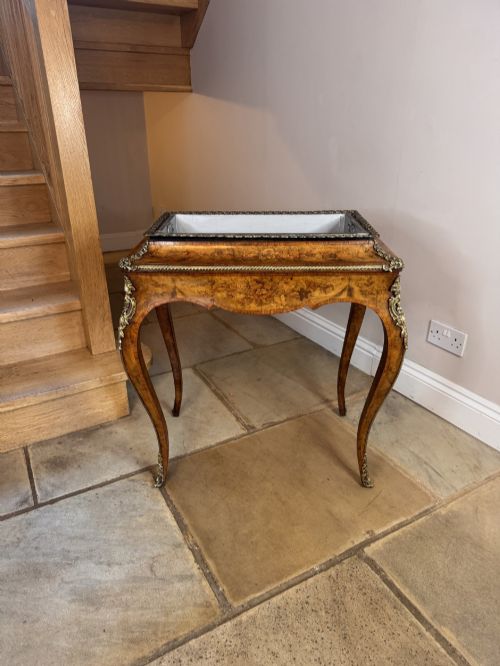
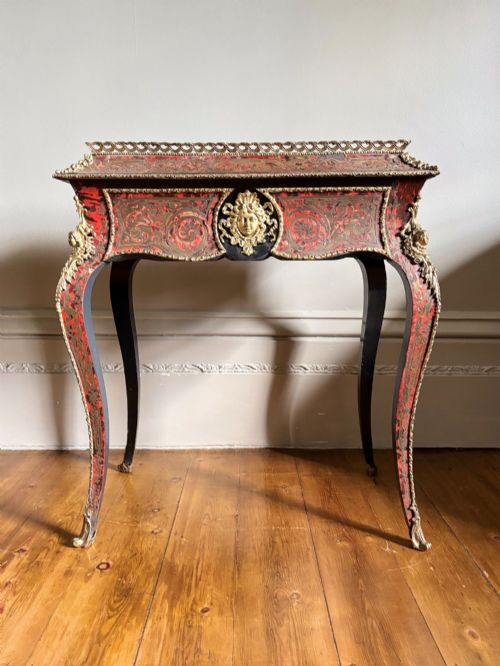
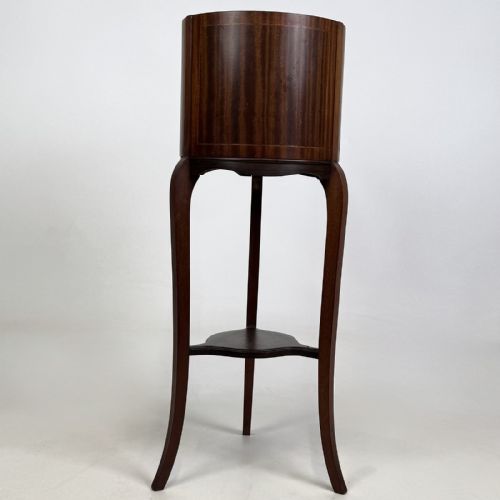
A cabriole leg jardiniere combines plant containers and stands, taking the form of planter tables, freestanding planters, and pedestals raised on curved legs. These pieces emerge in styles ranging from Georgian to Victorian and French Louis XV revivals, alongside Oriental carved hardwood stands.
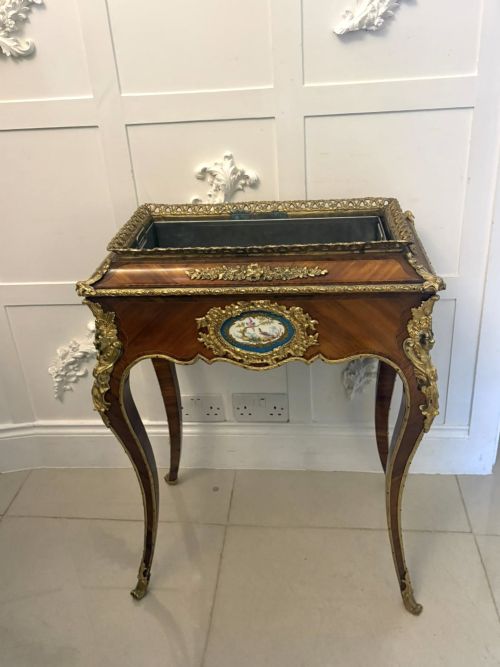
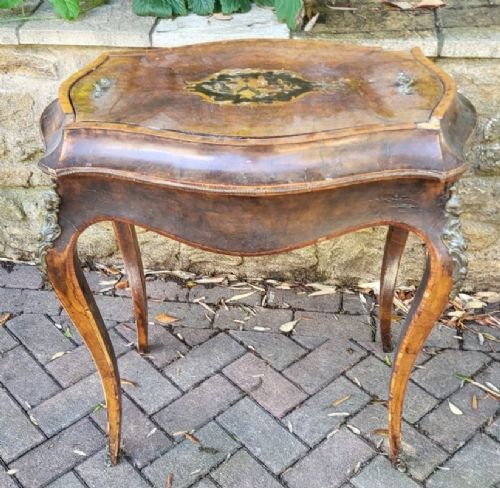
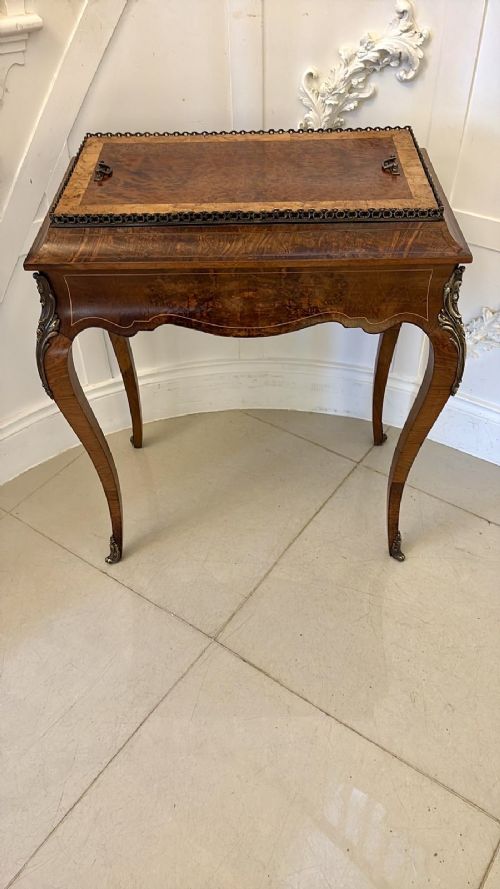
The version most commonly encountered on this page is the nineteenth-century walnut or burr walnut planter, often featuring marquetry inlay and ormolu mounts. Alongside these European revival designs, the listings include hardwood and marble-topped plant stands from Chinese and Japanese traditions.
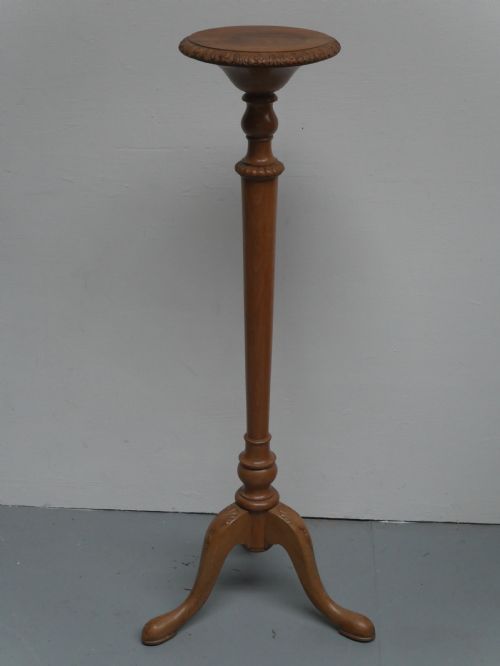
Makers utilised various formats to elevate greenery and floral arrangements within domestic interiors, from table-height jardiniere stands with lift-off lids to taller torchiere-style plant supports. The convergence of European cabinet-making and Asian carved wood highlights the global reach of decorative plant display in past centuries.
Materials and construction
Cabinet-makers constructed these pieces primarily using hardwoods such as walnut, burr walnut, mahogany, satinwood, and kingwood, frequently applying marquetry inlay and decorative veneers. Ormolu mounts, cast bronze details, and porcelain plaques provide metallic and ceramic contrast to the timber frames.
For Asian pieces, artisans relied on dense hardwoods like ebonised wood, lacquered finishes, and inserted rouge marble tops to support heavy planters and vases. Joinery techniques varied from traditional European framing and dovetailing to intricate oriental carving.
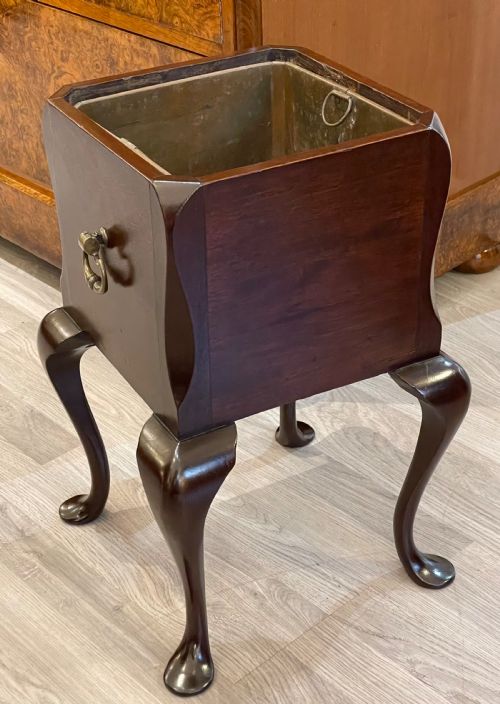
Interior metal liners or removable inserts protected the wooden structures from moisture, allowing plants to sit directly within decorative vessels supported by cabriole legs.
Cabriole Leg Jardiniere Retail Price Guide 2026
Typical asking prices for cabriole leg jardiniere among the pieces listed under this phrase on Sellingantiques today, from the lower quarter to the upper quarter. They describe what is for sale here now, not the wider market.
Some nineteenth-century plant containers doubled as wine coolers, proving that Victorians took their indoor foliage and refreshments equally seriously.
Distinctions in quality
Quality rests upon the crispness of the carving along the cabriole legs and the precision of the marquetry or parquetry veneer work across the body. Superior examples display balanced proportions where the curved supports harmonise with the weight of the planter box above.
The choice of secondary materials dictates the tier of the piece, with finely chased ormolu mounts and hand-painted porcelain plaques appearing on high-status French and Victorian examples. Simpler turned or carved wooden plant stands rely instead on the natural grain of walnut, mahogany, or hardwood.
The integrity of internal linings and the retention of original mounting hardware distinguish masterwork furniture from utilitarian plant holders.
The Cabriole Leg Jardiniere Glossary
- Jardiniere
- A decorative pot or stand designed to hold plants or flowers indoors. They appear in ceramic, metal, and wood, often matching the surrounding salon furniture.
- Ormolu
- Gilded bronze used for decorative mounts and furniture trim during the eighteenth and nineteenth centuries. It adds metallic highlights to wood surfaces.
- Marquetry
- The art of applying pieces of veneer to a structure to form decorative patterns and pictures. Makers utilised contrasting timbers like walnut and satinwood to achieve pictorial depth.
- Sevres-type
- A term describing porcelain plaques or vessels decorated in the style of the famous French royal factory. These plaques frequently embellish nineteenth-century furniture.
Cabriole Leg Jardiniere: Frequently Asked Questions
What is a cabriole leg jardiniere?
A cabriole leg jardiniere is an ornamental plant stand or planter raised on double-curved legs. These pieces served to elevate greenery and floral displays within grand reception rooms.
They combine the function of a horticultural vessel with the refined styling of period furniture, often featuring marquetry, ormolu mounts, or carved wooden details.
How were jardinieres used historically?
Historically, these stands held potted plants or cut flowers inside domestic interiors, acting as focal points in drawing rooms and antechamber spaces. Removable metal liners protected the delicate wood veneers from water damage during watering.
Beyond functional horticulture, they functioned as display furniture for decorative arts, complementing surrounding tables and cabinets.
How do I date a jardiniere stand?
Dating relies on identifying stylistic markers, timber selections, and construction methods. Georgian pieces display restrained classical proportions, whereas Victorian and French revival items incorporate exuberant ormolu and marquetry.
Asian hardwood and marble-topped stands often align with nineteenth-century Qing Dynasty or Meiji period export production.
How do I live with a antique jardiniere?
Living with these pieces involves using them for their original purpose as plant stands or repurposing them as decorative accent tables. Placing a protective saucer inside the liner prevents moisture contact with historic wood.
Positioning them away from direct heat sources preserves the stability of the veneers and prevents timber splitting.