
Antique French Jardiniere
When you search for an antique french jardiniere, you are looking at ornamental plant vessels designed to bring foliage into nineteenth-century drawing rooms.
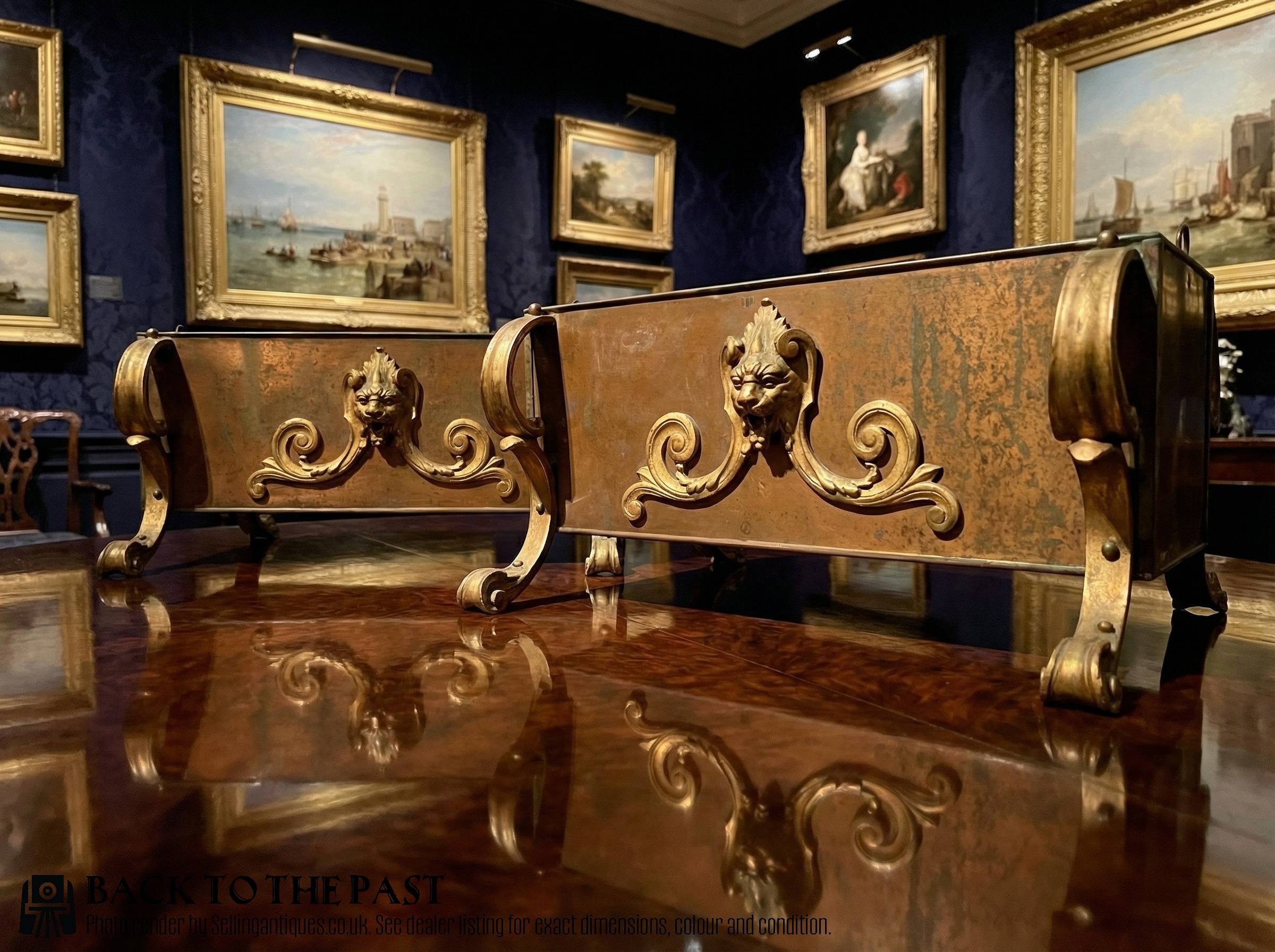
What an antique french jardiniere is
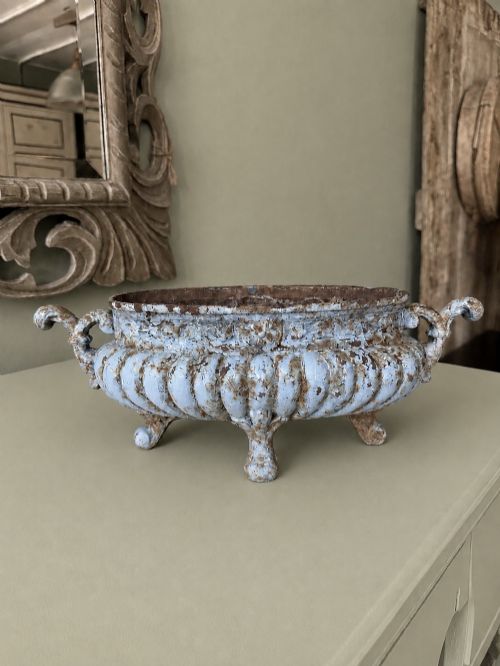
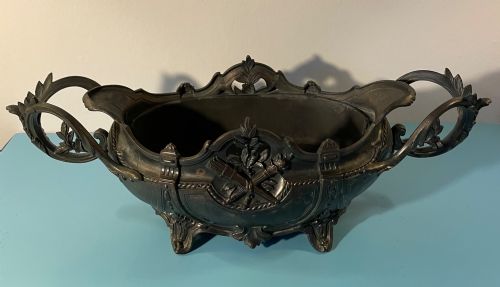
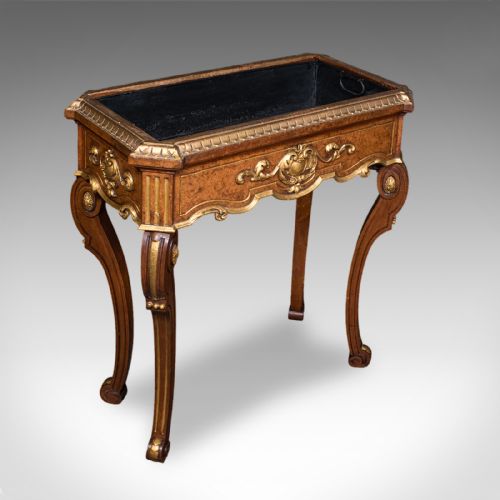
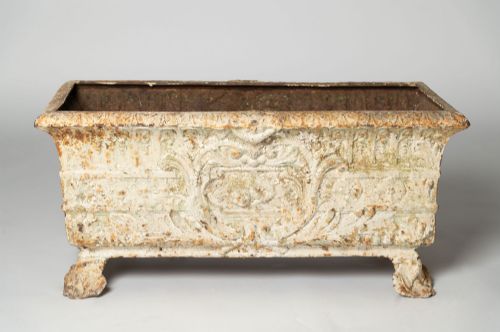
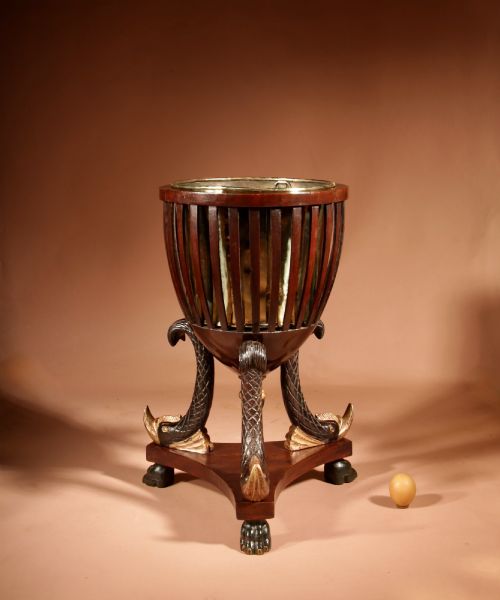
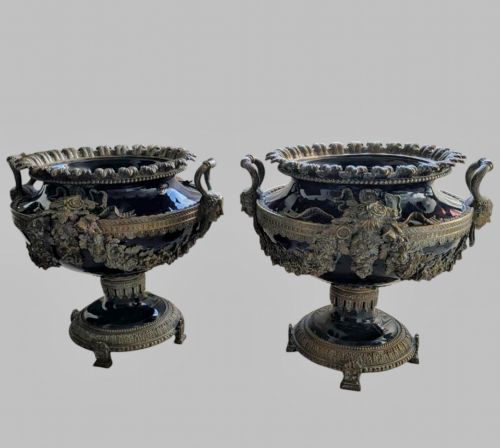
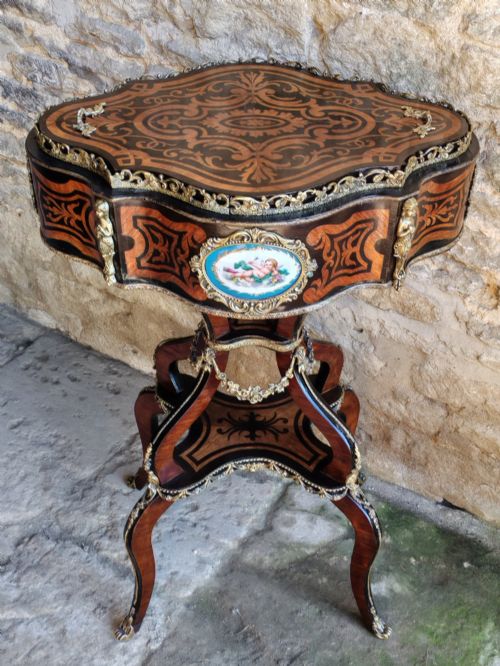
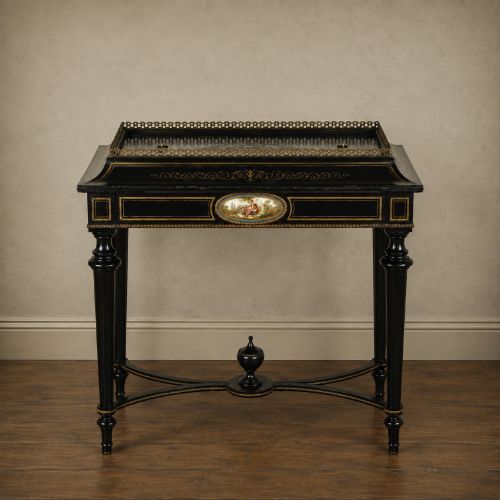
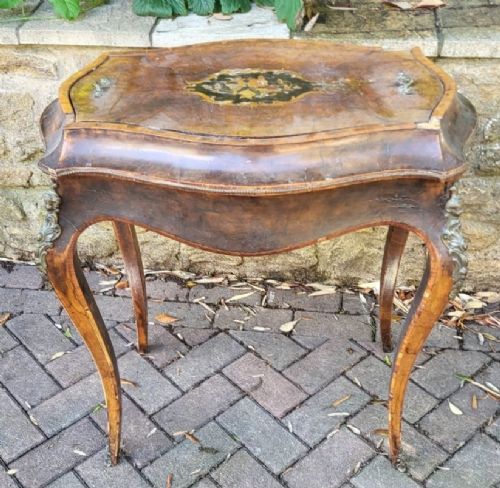
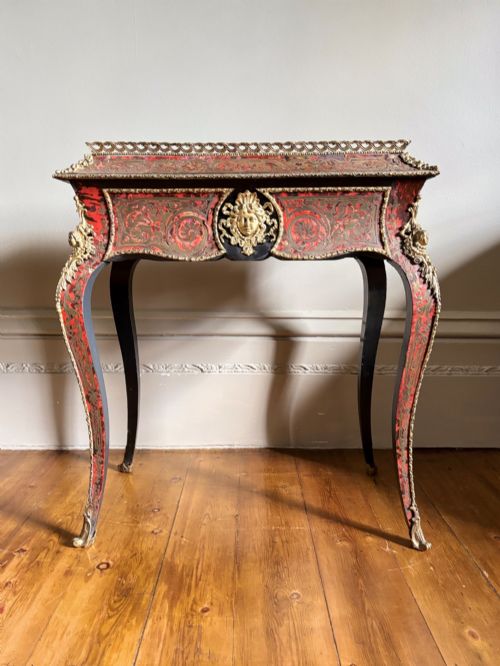
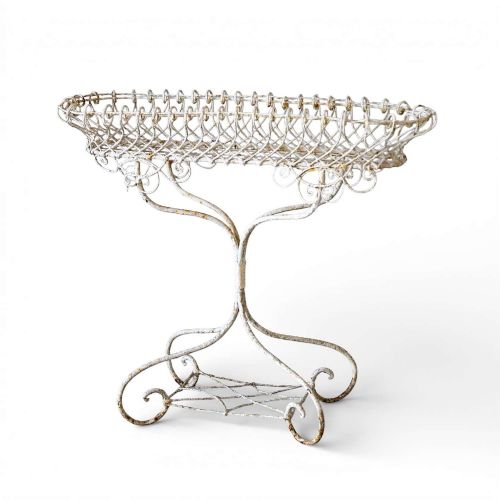
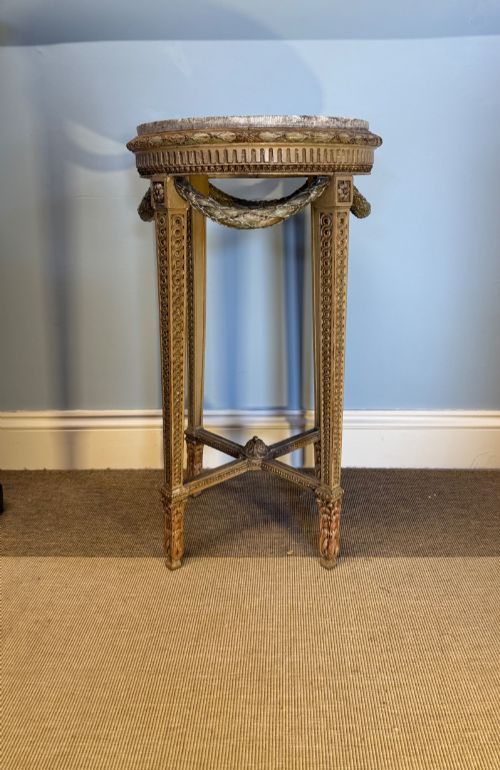
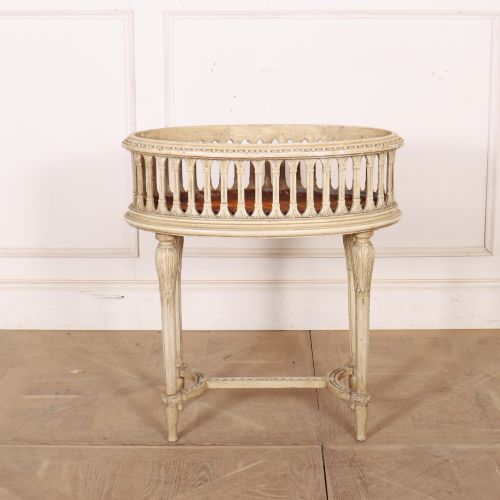
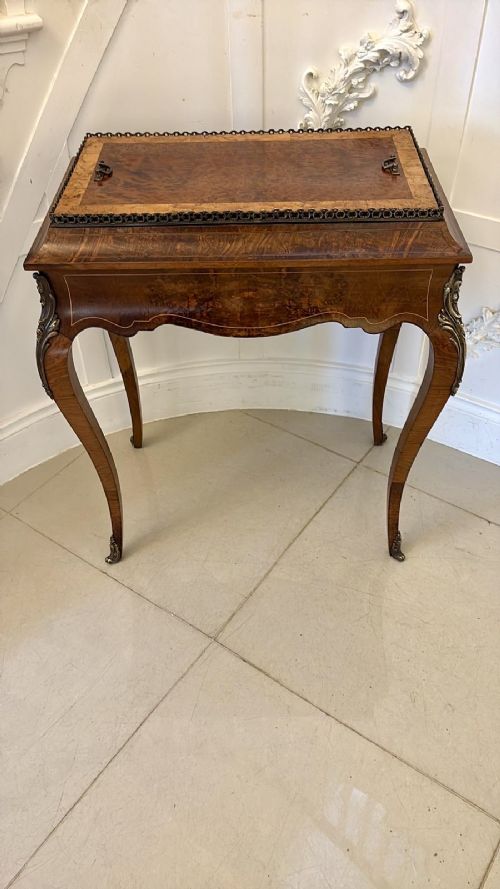
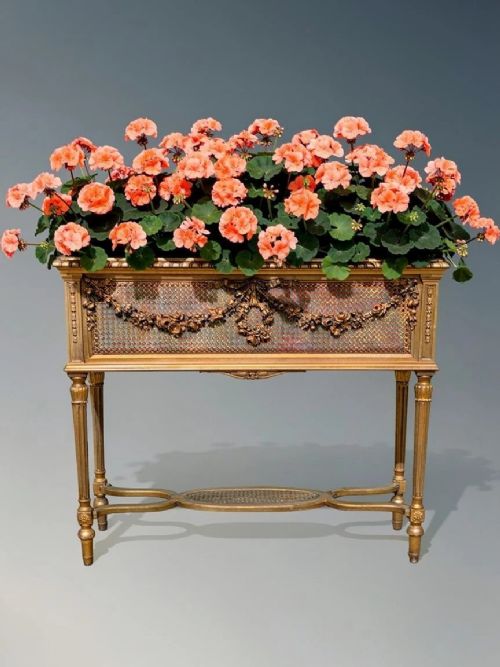
An antique french jardiniere takes several distinct physical forms across the selection, appearing most frequently as table stands, side tables, and pedestal planters designed to hold indoor plants.
The objects span the nineteenth century, including specific dates such as 1880 and 1890, alongside broader periods like the Victorian era.
Makers utilised specific decorative vocabularies, aligning these vessels with Napoleon III, Victorian Rococo Revival, French Louis XV Style, and French Empire aesthetics.
Materials and construction
Craftsmen built the bodies using various woods including ebonised wood, burr walnut, satinwood, aboyna, kingwood, and marquetry inlay, sometimes incorporating lift-off lids or marble tops.
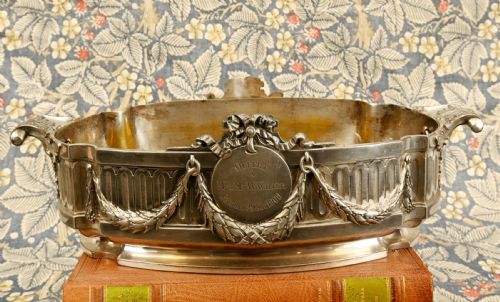
Metal components appear extensively, utilising brass, ormolu, bronze, mixed metal, gilt metal, and zinc liners to contain moisture from the plants.
Decorative surfaces also integrate painted porcelain plaques, ceramic blue and white elements, crystal, and twig work finishes.
Retail Price Guide 2026
Typical UK retail prices for french jardiniere, calculated from the Sellingantiques database of over a million retail prices indexed since 2003. This retail price guide relies exclusively on Sellingantiques data; no external sources or auction records are used, so the figures do not describe the wider market.
Some nineteenth-century artisans fashioned plant stands out of rustic twig work.
Variations in quality
Quality rests in the precision of the marquetry inlay, the crispness of the ormolu mounts, and the integration of porcelain plaques rather than surface decoration alone.
The architectural stability of the supporting tables and stands dictates the structural integrity, separating standard joinery from more ambitious cabinetwork.
The choice of primary timbers, from plain woods to highly figured burr walnut and kingwood, establishes the visual hierarchy of the piece.
A Moreau Paris·Sevres
The Antique French Jardiniere Glossary
- Jardiniere
- A decorative pot or stand designed specifically to hold growing plants or flowers indoors. These vessels often sit on dedicated tables or floor pedestals.
- Ormolu
- Gilded bronze mounts applied to furniture and decorative objects for ornamentation. This technique creates bright metallic highlights against darker wood bodies.
- Marquetry
- The art of applying pieces of veneer to a structure to form decorative patterns. Artisans used contrasting woods to create pictorial designs on the sides of planters.
- Napoleon III
- A nineteenth-century design style reflecting French revivals of earlier court aesthetics under the Second Empire. Pieces from this period often combine ebonised surfaces with gilt mounts.
- Burr Walnut
- Wood cut from the abnormal growths on walnut trees, yielding highly figured grain patterns. Cabinetmakers prized this material for veneering prominent display surfaces.
Frequently Asked Questions
What is an antique french jardiniere used for?
These vessels were created to house potted plants inside nineteenth-century homes, allowing greenery to sit within formal reception rooms without damaging furniture.
The metal liners protected the surrounding woodwork from water damage during watering.
How do I care for wood and metal surfaces?
Maintenance requires keeping wooden bodies away from direct heat sources and excessive moisture to protect the veneers and marquetry.
Ormolu and brass mounts respond best to gentle dusting without harsh chemical polishes that strip the gilding.
Can I use it for real plants today?
Using these vessels for live plants depends entirely on whether the original zinc or metal liner remains intact inside the compartment.
Plastic nursery pots placed discreetly inside the waterproof liner allow modern owners to display foliage safely.
How do I distinguish Napoleon III from Empire styles?
Napoleon III pieces often feature ebonised woods, porcelain plaques, and complex marquetry with a decorative Rococo influence.
Empire style items lean towards strict symmetry, classical bronze mounts, and militaristic or architectural motifs.