








Ormolu Mounted Planter
An ormolu mounted planter brings gilded French flair and rich timber into a room, serving as a striking focal point for interior displays.

Ormolu Mounted Planter
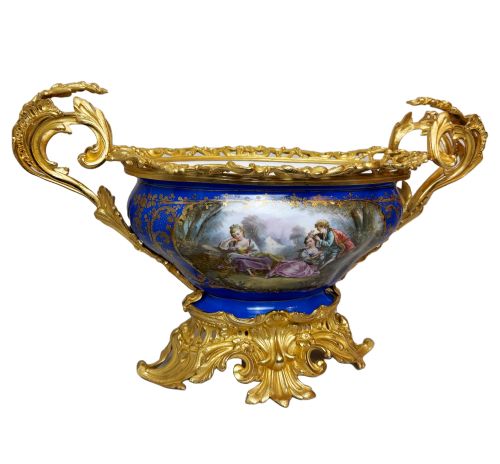
An ormolu mounted planter combines ornate metal mounts with finely timbered or porcelain bodies designed to hold greenery or floral displays. These pieces bridge the gap between decorative art and functional horticulture.
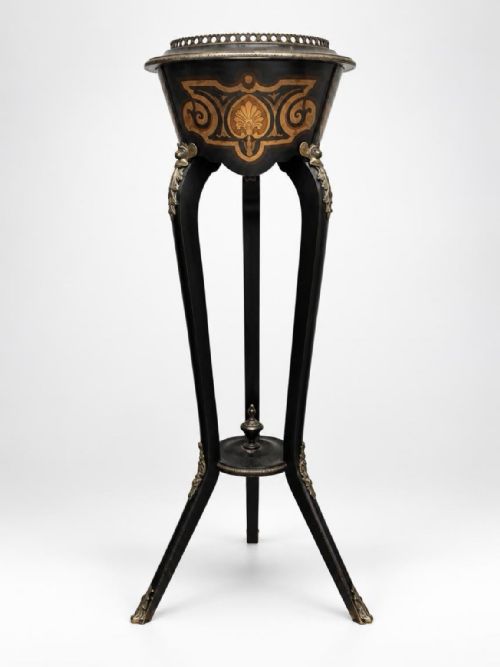
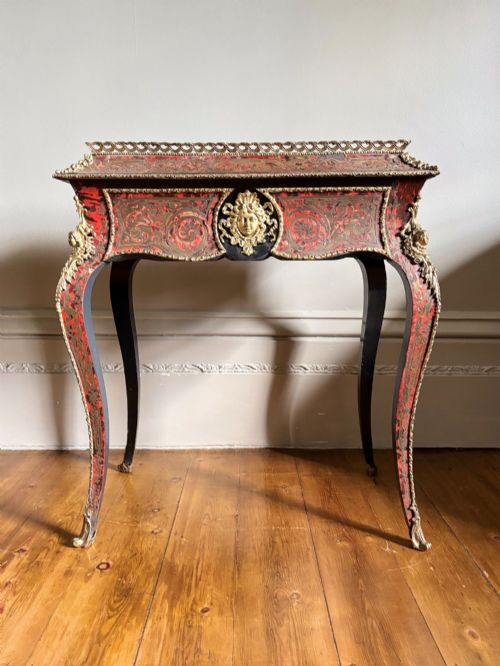
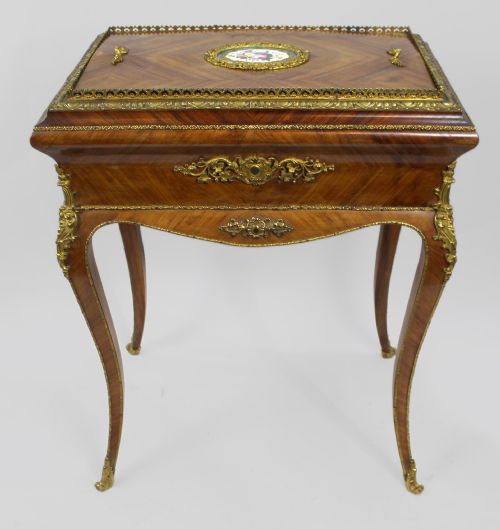
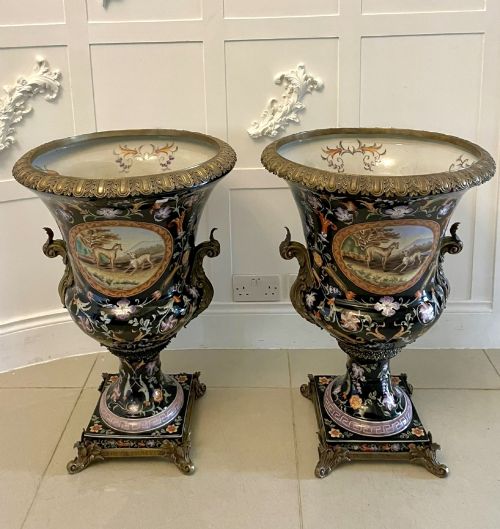
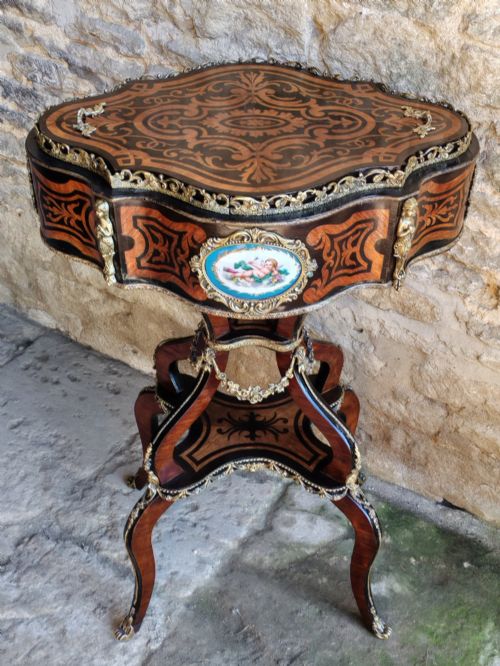
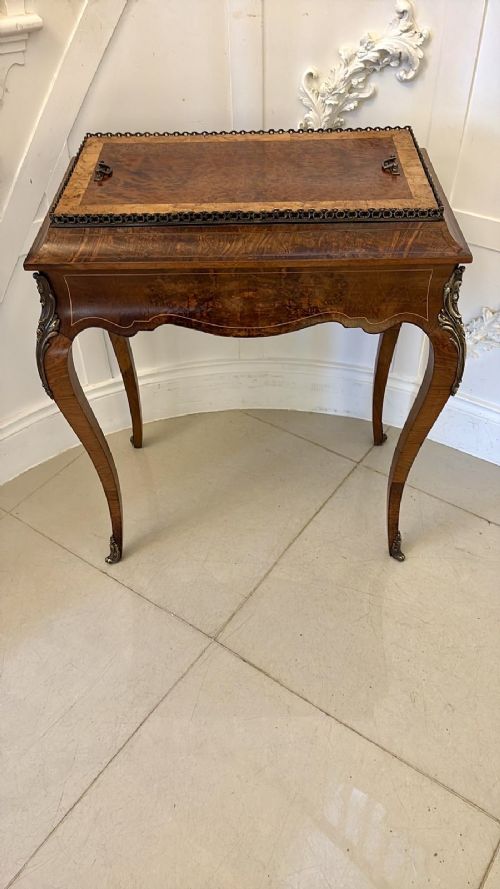
The version most commonly encountered on this page is the French nineteenth-century jardiniere or planter table, drawing heavily on Louis XV and Louis XVI revival styles. Walnut, kingwood, ebonised wood and porcelain plaques define the dominant forms.
Makers often shaped these items as free-standing jardiniere tables or tabletop vessels featuring zinc liners to protect the wooden or ceramic structures from moisture. Napoleon III and Victorian examples frequently incorporate marquetry inlay alongside their gilt bronze mounts.
Materials and construction methods
Craftsmen built these planters using timber frames of walnut, kingwood, amboyna, mahogany and ebonised wood, frequently embellishing the surfaces with intricate marquetry. Gilt bronze, known as ormolu, was cast and chased to form elaborate scrollwork, mounts and handles.
Porcelain plaques, including Sevres-style panels, were integrated into the wooden carcasses alongside metal liners made of zinc or other alloys. Every element relies on traditional cabinetmaking and metalworking techniques characteristic of the nineteenth century.
Ormolu Mounted Planter Retail Price Guide 2026
Typical asking prices for ormolu mounted planter among the pieces listed under this phrase on Sellingantiques today, from the lower quarter to the upper quarter. They describe what is for sale here now, not the wider market.
Listings feature nineteenth-century pieces spanning the Victorian era and the Napoleon III period, predominantly executed in walnut, kingwood and ormolu.
Distinctions in quality
The refinement of the ormolu casting separates standard pieces from exceptional examples, as sharply chased gilt bronze displays crisp detail in foliage and scrollwork. Heavier, deeper relief work on the mounts indicates superior craftsmanship.
The choice and execution of timber veneers, such as burr walnut and kingwood, together with the precision of the marquetry inlay, dictate the upper tier of the range. Complete original zinc liners and well-preserved porcelain plaques also elevate a piece.
The Ormolu Mounted Planter Glossary
- Ormolu
- Gilt bronze decoration applied to furniture and decorative objects. The technique involves applying a finely ground high-carat gold mercury amalgam to a bronze object before firing.
- Jardiniere
- A decorative container or stand for plants or flowers. These items appear as table units or floor-standing vessels.
- Marquetry
- Decorative veneer work where small pieces of wood and other materials are fitted together to form geometric or floral patterns. This technique decorates the wooden bodies of many nineteenth-century planters.
- Kingwood
- A dense, richly figured timber featuring dark violet-brown tones with lighter stripes. Cabinetmakers utilised this wood extensively for high-end French revival pieces.
- Sevres
- Porcelain associated with the famous French royal factory. Painted panels from this tradition frequently adorn the sides of nineteenth-century planters.
Ormolu Mounted Planter: Frequently Asked Questions
What is an ormolu mounted planter?
An ormolu mounted planter is a decorative vessel or stand featuring gilded bronze mounts combined with wood, metal or porcelain. They were designed to hold plants and flowers within elite nineteenth-century interiors.
These objects often take the form of jardiniere tables or freestanding planters. They reflect French revival styles such as Louis XV and Louis XVI.
How were these planters used?
Owners used them indoors to display live or cut flora, bringing botanical elements into formal reception rooms. The internal metal liners protected the wooden structures from water damage.
Over time, many functioned purely as decorative tables or wine coolers. They served as prominent centrepieces in grand Victorian and French interiors.
How do I identify a nineteenth-century piece?
Nineteenth-century pieces often display specific revival characteristics like Louis XV or Louis XVI scrollwork and proportions. The combination of ormolu mounts with kingwood, burr walnut or Sevres-style porcelain is typical of this era.
Construction methods, including hand-cut veneers and chased bronze work, point directly to nineteenth-century workshop practices. Comparing these details against documented archives confirms the period.
How do I care for wooden planters?
Protect the timber and marquetry by avoiding direct sunlight and maintaining stable indoor humidity. Clean the wooden surfaces gently with a dry, soft cloth.
Ensure that any internal zinc liners are used carefully to prevent moisture from reaching the wood or veneer. Professional wax polishing helps maintain the finish of walnut and kingwood.