

Carved Cabriole Legs
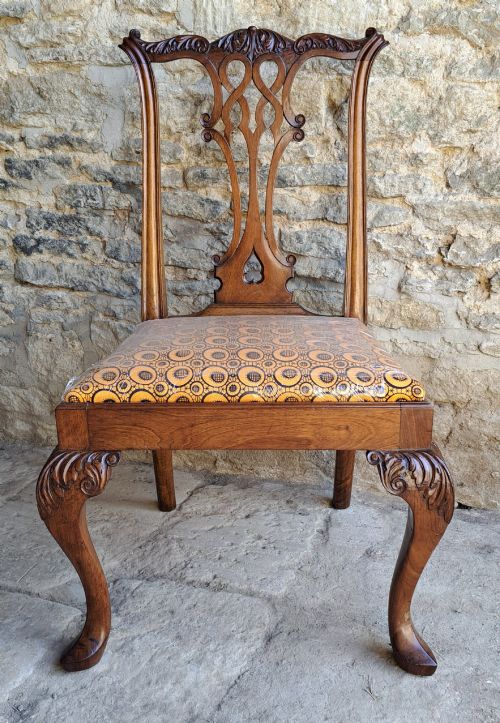
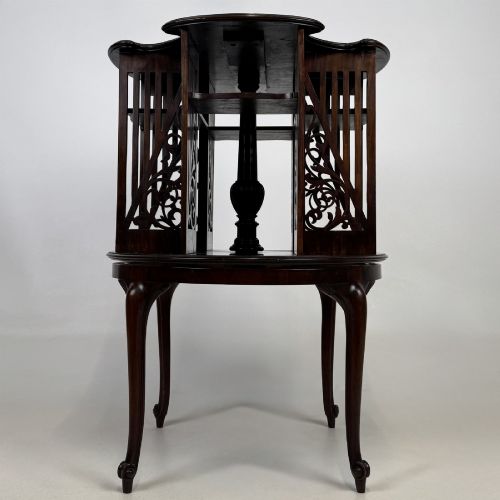
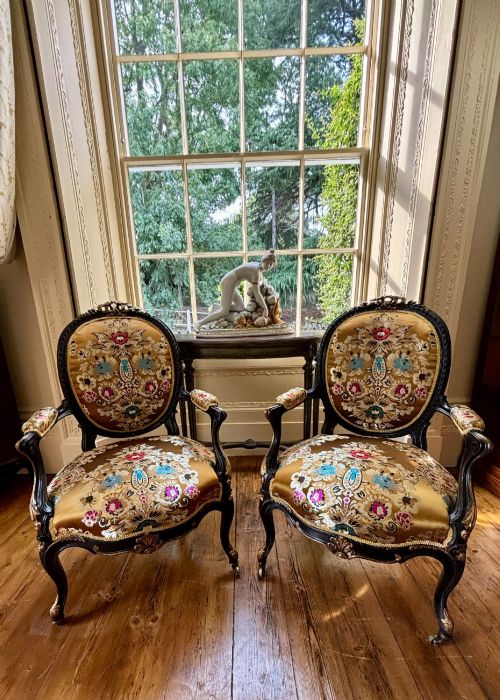
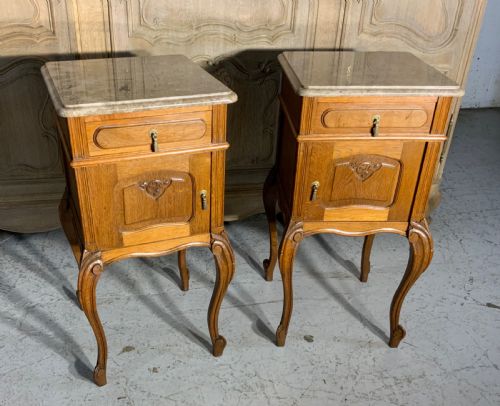
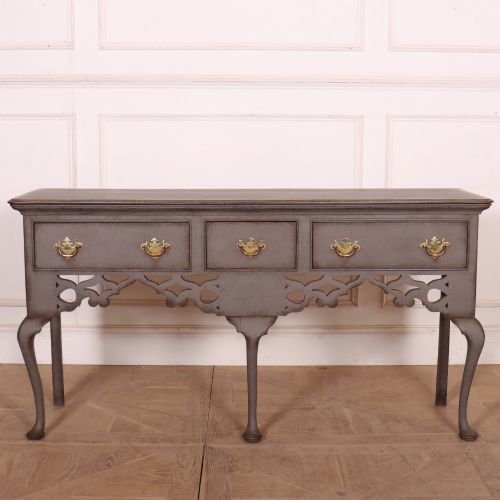
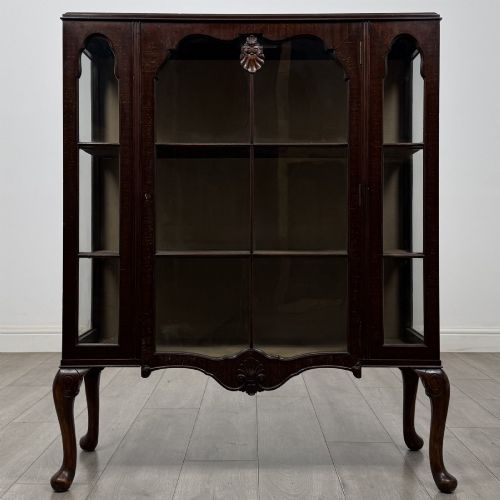
Carved cabriole legs define seating and tables from the eighteenth century onwards, offering sweeping double-curved supports that end in sculpted feet.
Carved Cabriole Legs
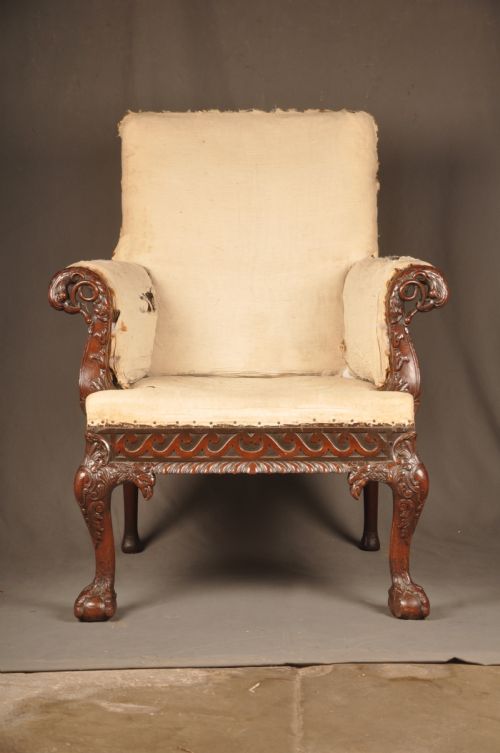
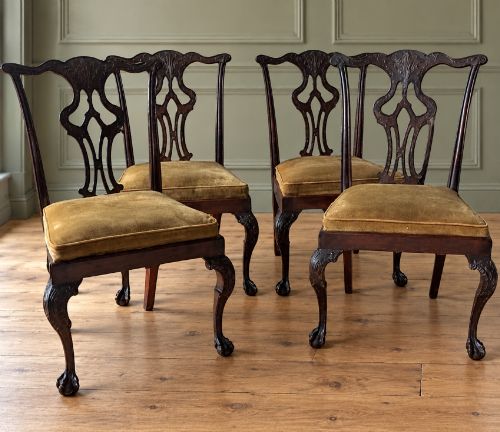
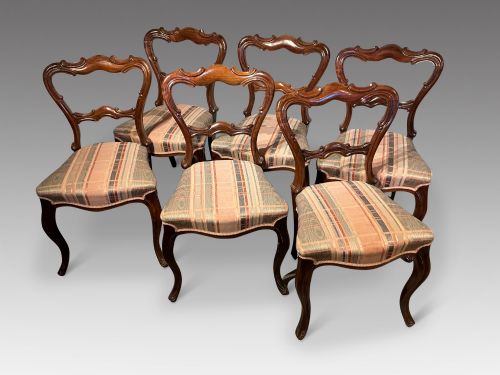
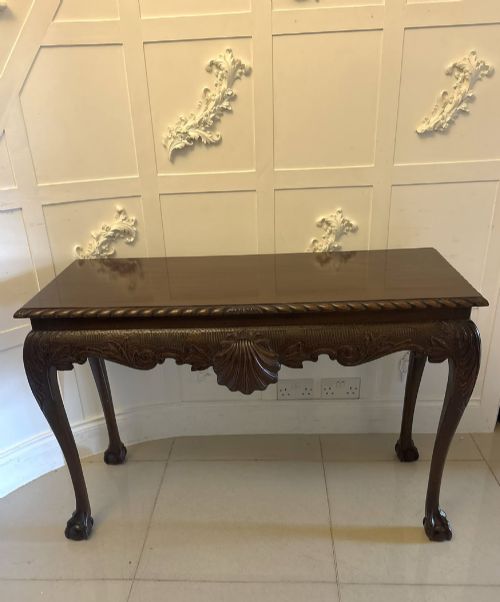
Carved cabriole legs appear on a wide selection of antique seating, dining tables, sideboards, and stools across multiple centuries. Buyers searching this phrase look for furniture where the structural support incorporates the distinctive double curvature derived from animal limbs.
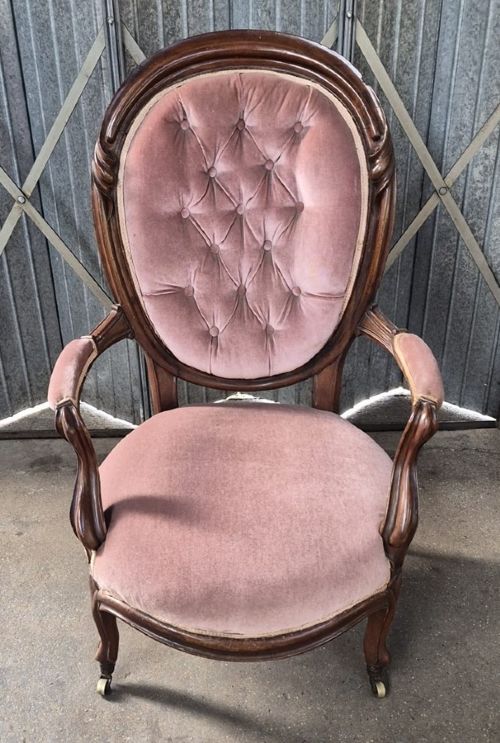
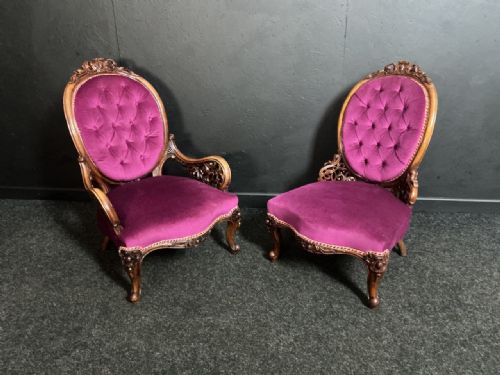
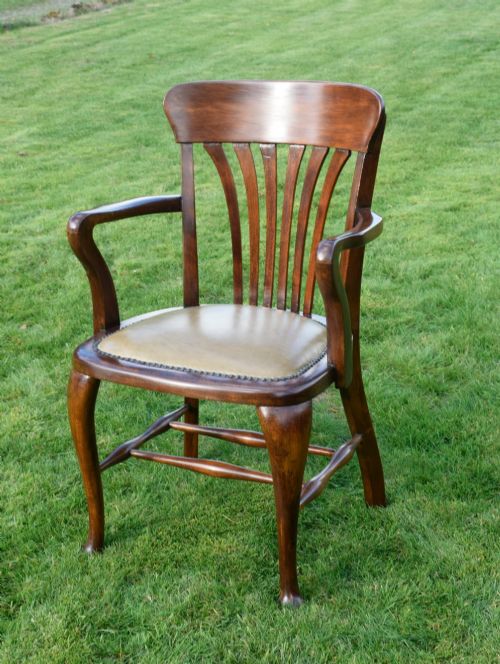
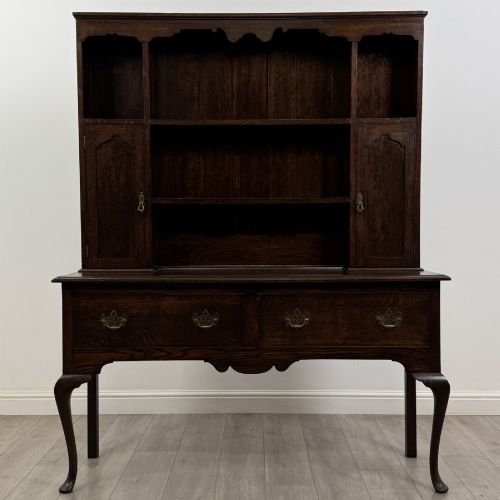
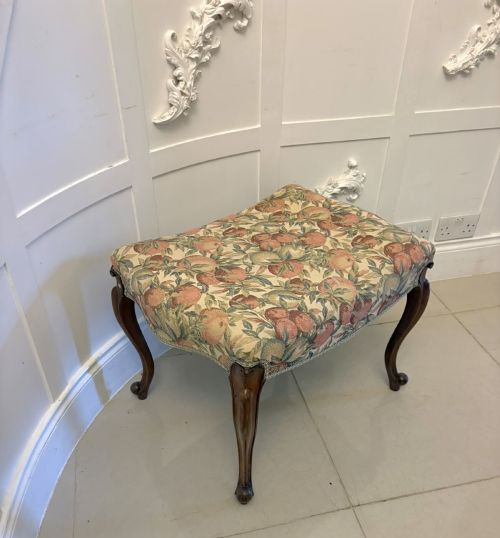
The most common forms on this page include walnut and mahogany dining chairs, stools, and side tables dating from the Victorian period through to the 1920s. These pieces frequently display revival styles such as Queen Anne or Chippendale.
Originating in antiquity, this leg form gained prominence during the eighteenth century and saw major revivals in the nineteenth and early twentieth centuries. Pieces range from simple domestic stools to substantial sets of dining chairs.
Materials and Construction
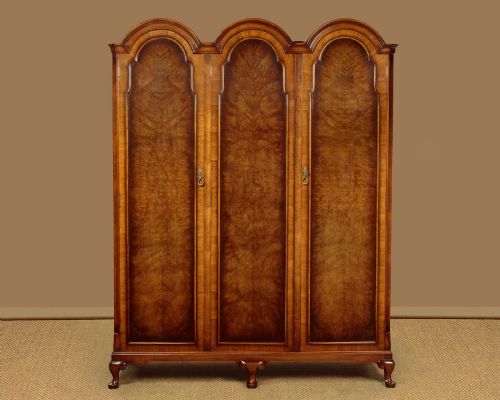
Cabinet makers utilised dense hardwoods such as walnut, mahogany, and rosewood to carve the flowing contours without risking structural fracture along the grain. Burr walnut veneers frequently appear on table tops and cabinet fronts, contrasting with solid carved supports.
Carving was executed by hand, shaping the convex knee that swells outward and the concave ankle that tapers down to the foot. Joinery relied on traditional mortise and tenon methods to secure the curved legs firmly to the seat frames or table girdles.
Carved Cabriole Legs Retail Price Guide 2026
Typical asking prices for carved cabriole legs among the pieces listed under this phrase on Sellingantiques today, from the lower quarter to the upper quarter. They describe what is for sale here now, not the wider market.
The archive reveals steady popularity for low stools and dining chairs supported by foliage-carved cabriole legs across the Victorian and Edwardian eras.
Assessing Quality and Execution
The standard of carving on the knee and foot separates utilitarian workshop output from master cabinet work. Finer pieces display crisp, deep relief work such as acanthus leaves, shells, or claw and ball details that integrate seamlessly into the leg contour.
Timber selection dictates the visual depth of the piece, with richly figured burr walnut and dense Cuban mahogany commanding higher regard. Proportions remain crucial, as superior examples maintain a balanced grace where the outward sweep of the knee matches the inward curve of the ankle.
Charles Tozer
The Carved Cabriole Legs Glossary
- Cabriole leg
- A furniture support that curves outward at the knee and tapers inward toward the ankle, mimicking the leg of an animal. This form was popularized in Europe during the late seventeenth and early eighteenth centuries.
- Knee
- The upper, convex bulge of a cabriole leg where it bends outward from the seat frame or table top. Carvers often decorated this prominent area with shells, husks, or acanthus foliage.
- Claw and ball
- A foot motif depicting a bird's talon gripping a spherical ball, commonly carved at the base of mahogany cabriole legs in the eighteenth-century Chippendale style.
- Revival style
- A design movement that reinterprets historical periods such as Queen Anne or George III, popular among late nineteenth-century and early twentieth-century makers.
- Burr walnut
- A prized timber veneer sourced from walnut tree growths, featuring swirling, highly figured grain patterns utilised on elite tables and cabinet doors.
Carved Cabriole Legs: Frequently Asked Questions
What periods feature carved cabriole legs?
Authentic examples date back to the eighteenth century, particularly the George I and George II eras when the form first dominated British design.
Subsequent revival periods in the nineteenth and early twentieth centuries, including Victorian and Edwardian decades, produced substantial quantities of walnut and mahogany furniture utilising this leg shape.
How do I care for antique walnut furniture?
Keep wooden pieces away from direct sunlight and steady temperature fluctuations to prevent the timber and delicate veneers from drying or splitting.
Apply occasional traditional wax polish and buff with a soft cloth to maintain the natural sheen without damaging the aged patina.
Are these legs sturdy for daily use?
Solid hardwoods like mahogany and walnut provide robust structural integrity, making well-joined dining chairs and tables entirely suitable for everyday living.
The curved profile distributes weight effectively, provided the joints where the leg meets the frame remain tight and secure.
How do I distinguish eighteenth-century pieces from later revivals?
Eighteenth-century originals display hand-cut joinery marks, native timber ageing, and wear patterns consistent with centuries of domestic use.
Revival pieces from the Victorian and Edwardian periods often show standardised machine assistance in the internal framing alongside distinct turn-of-the-century finishing techniques.