



Nineteenth Century Pedestal
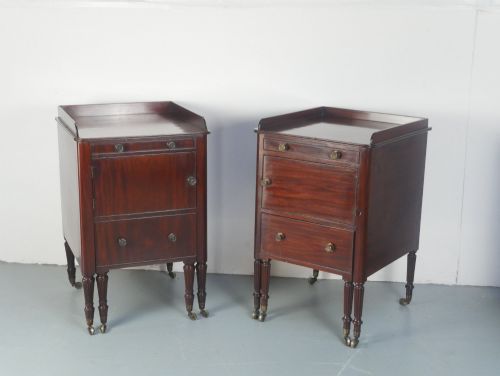
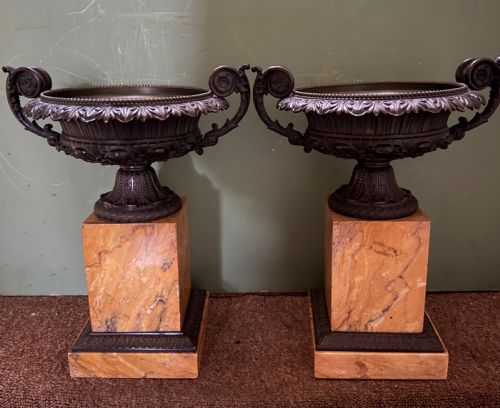
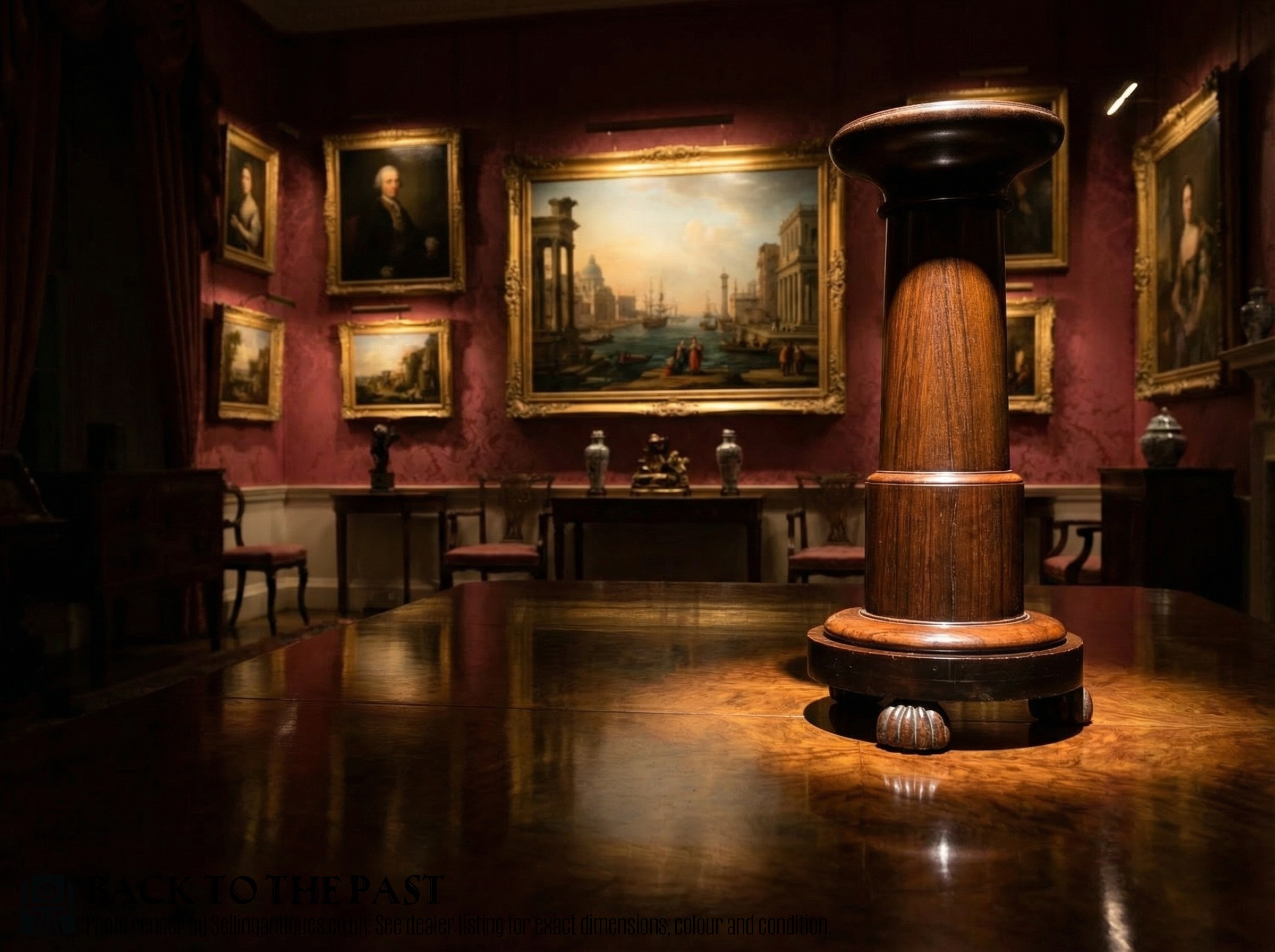
A nineteenth century pedestal brings sculptural presence to a room, elevating sculpture, plants or lamps with classical dignity.
Nineteenth Century Pedestal
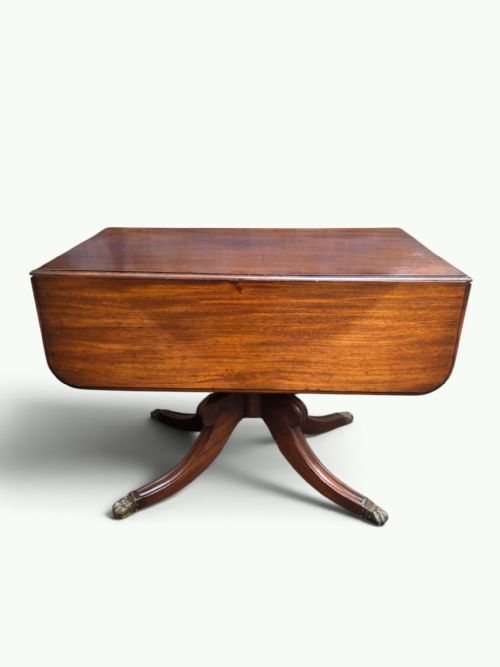
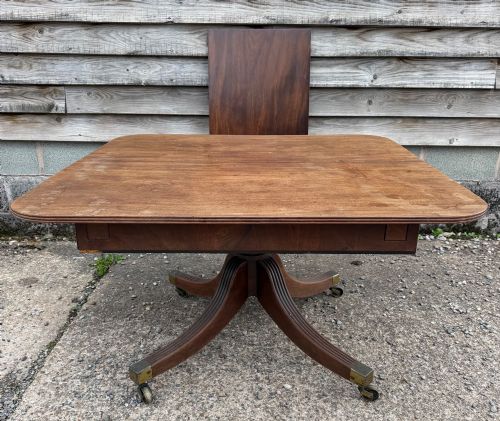
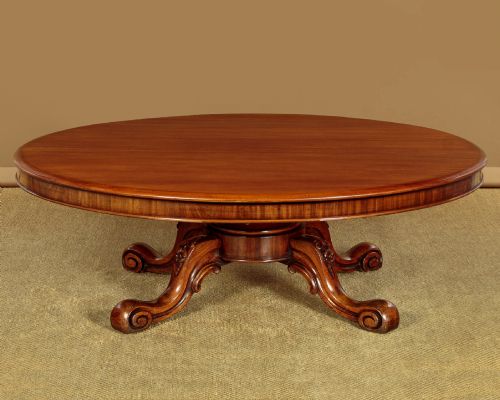
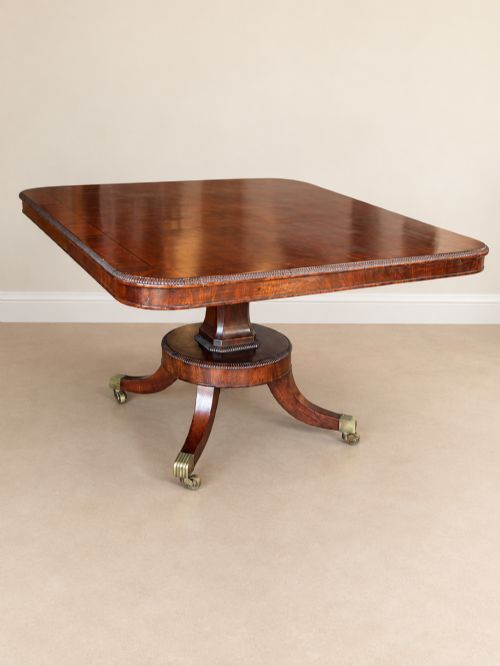
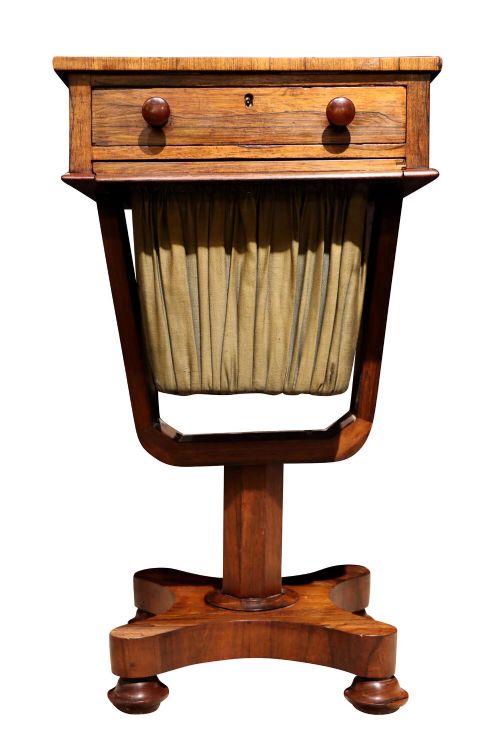
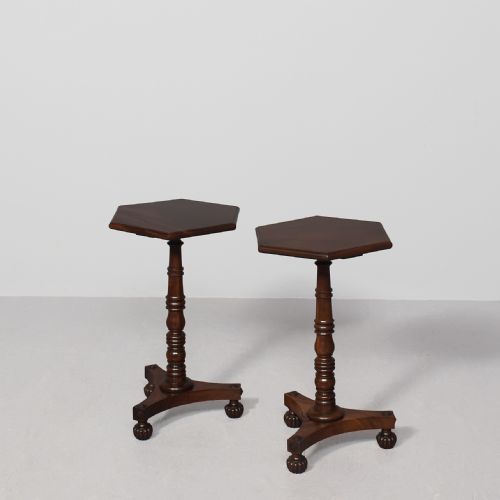
The nineteenth century pedestal category spans plant stands, display columns and writing furniture such as desks and tables. Walnut, rosewood and mahogany dominate the forms, alongside oak and pitch pine.
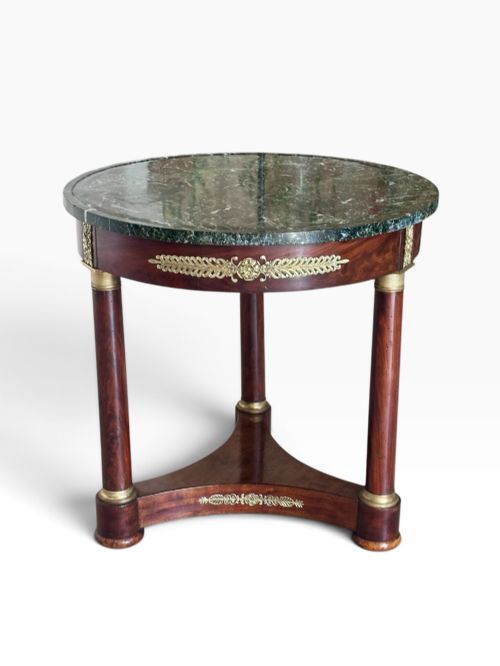
English and French examples appear frequently, ranging from William IV and Regency pieces to French Rococo and Louis XV style stands. Many incorporate marble tops, ormolu mounts and gilt bronze details.
Formations include single column pedestals, twin pedestal desks and jardiniere stands designed for interior display.
Materials and Construction
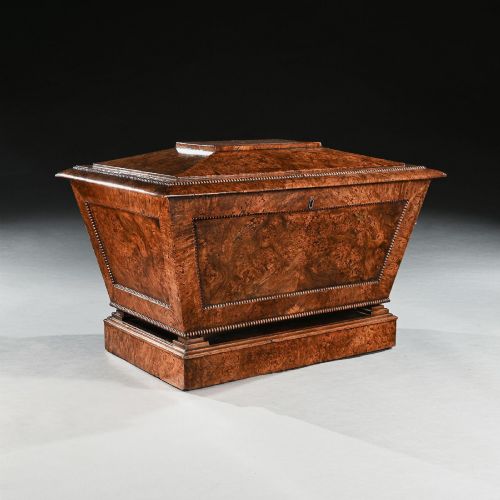
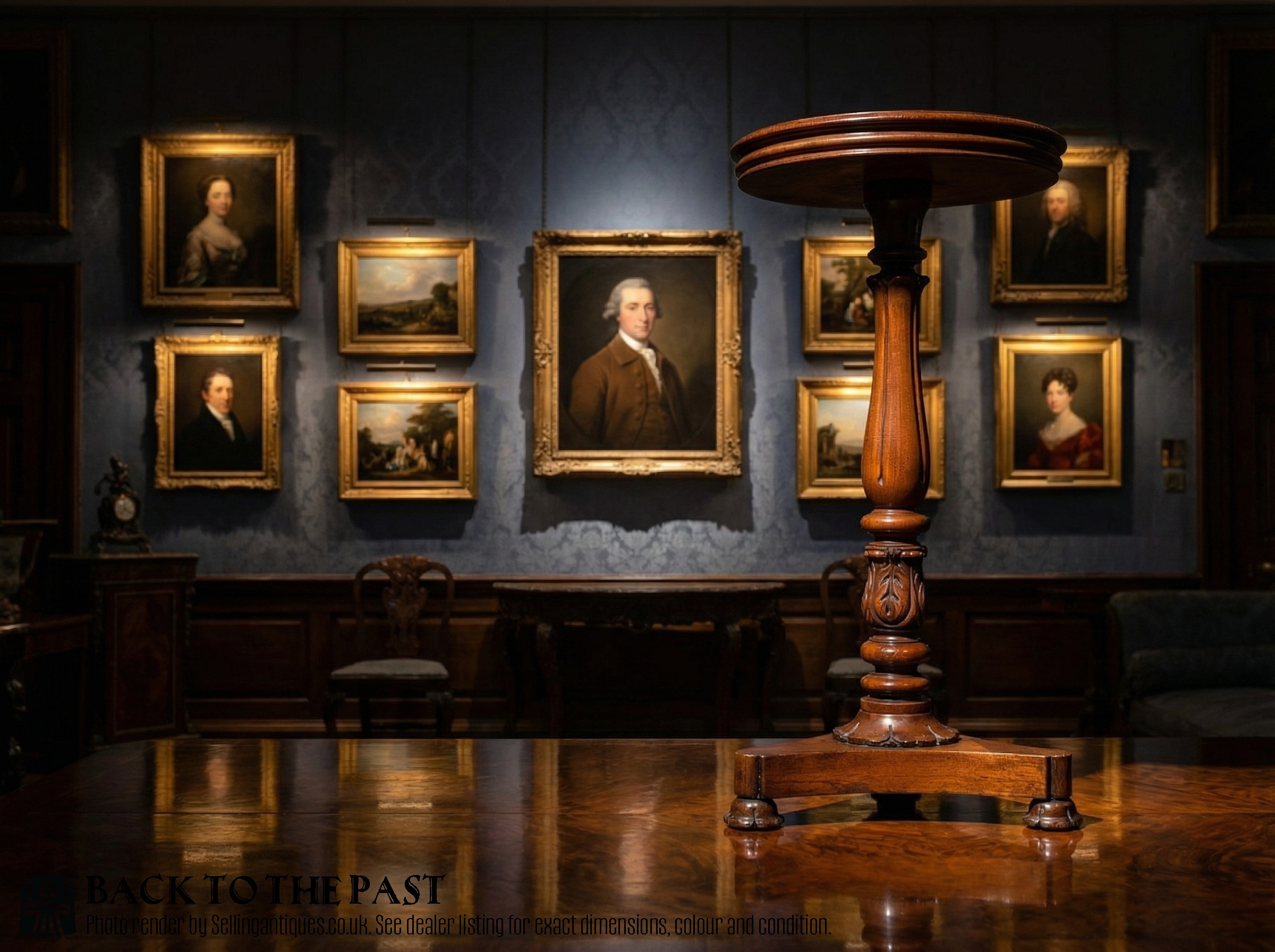
Cabinetmakers utilised dense timbers like rosewood, walnut and mahogany, frequently applying veneers such as burr oak over sturdy carcases. Solid woods like oak and pitch pine provide robust foundations for heavier desks and tables.
Decorative elements involve cast ormolu and gilt bronze mounts, alongside inset leather tops on writing pieces. Marble inserts serve as durable surfaces for plant stands and jardiniere tables.
Nineteenth Century Pedestal Retail Price Guide 2026
Typical asking prices for nineteenth century pedestal among the pieces listed under this phrase on Sellingantiques today, from the lower quarter to the upper quarter. They describe what is for sale here now, not the wider market.
Listings feature walnut, rosewood, mahogany, oak and pitch pine across diverse desk and stand formats.
Judging Quality
The standard of a nineteenth century pedestal rests upon the selection of timber figures and the crispness of applied bronze or ormolu mounts. Finer pieces demonstrate precise joinery and harmonious proportions between column and base.
Secondary details, including brass hardware, finely tooled leather inserts and integrated marble slabs, separate standard utility furniture from more ambitious decorative examples.
Holland and Sons
The Nineteenth Century Pedestal Glossary
- Ormolu
- Gilded bronze used for decorative mounts and furniture embellishments. This technique was prevalent in French pieces from the period.
- Jardiniere
- A decorative stand or container intended for holding plants or flowers. These items often feature waterproof liners or marble tops.
- Pedestal
- A structural support column or base used to elevate a sculpture, urn or table top. Nineteenth century versions frequently incorporate classical revival motifs.
- Veneer
- A thin layer of figured wood applied over a secondary timber base. This method allowed makers to display dramatic grain patterns like burr oak.
Nineteenth Century Pedestal: Frequently Asked Questions
What is a nineteenth century pedestal used for?
These pieces function as display supports for sculpture, lamps and plants, or serve as structural bases for writing desks and tables. Their primary role is elevating objects to eye level while adding architectural weight to an interior.
Smaller stands fit easily into corners or hallways, whereas larger twin pedestal desks anchor a study or library.
How do I identify French styles?
French nineteenth century examples often display Rococo or Louis XV influence through curved woodwork, asymmetric ornament and gilt bronze mounts. Walnut and exotic veneers frequently accompany these decorative flourishes.
In contrast, English pieces from the Regency or William IV periods tend to favour more restrained classical lines with rosewood or mahogany.
Are marble tops original?
Many jardiniere stands and plant pedestals incorporate inset marble slabs designed to resist moisture from watering plants. These tops are typically contemporary with the timber base and secured within a rebated frame.
Checking the underside reveals how the stone integrates with the structural carcase of the stand.
How do I care for timber surfaces?
Polished wood surfaces require regular dusting with a soft cloth and occasional treatment with traditional beeswax to nourish the grain. Direct sunlight and sudden changes in humidity can cause veneers to lift or timber to split.
Leather desk inserts benefit from occasional neutral leather cream to keep the surface supple.