


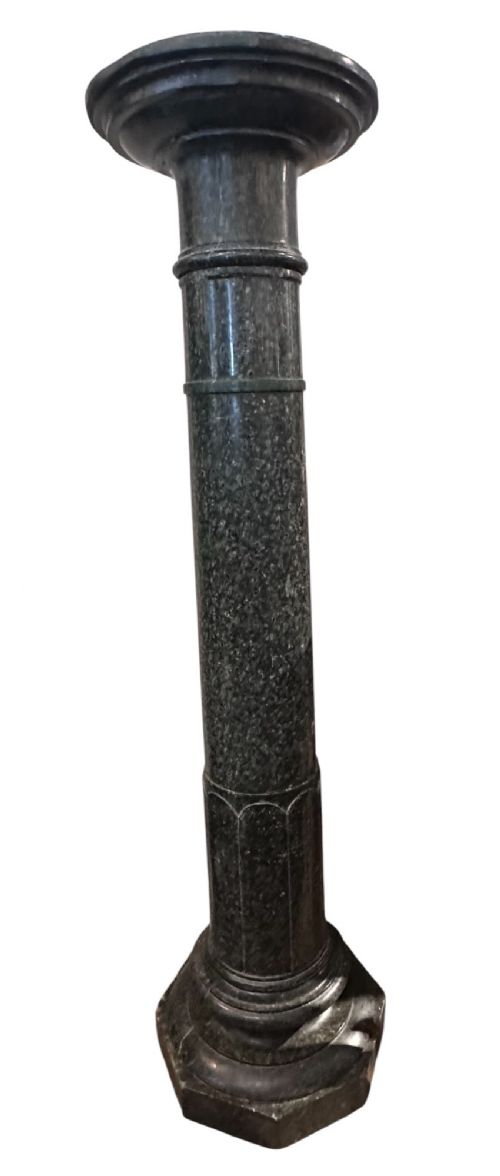


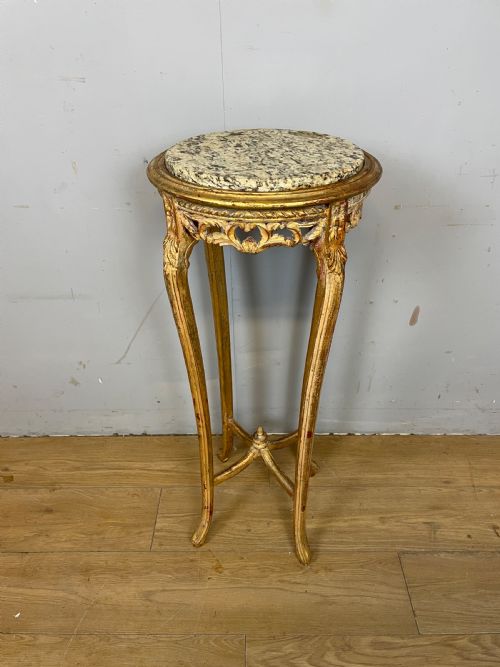
Decorative Display Column
A decorative display column raises a bust, urn or plant to eye level, bringing architectural weight and classical balance to a room.
Decorative Display Column
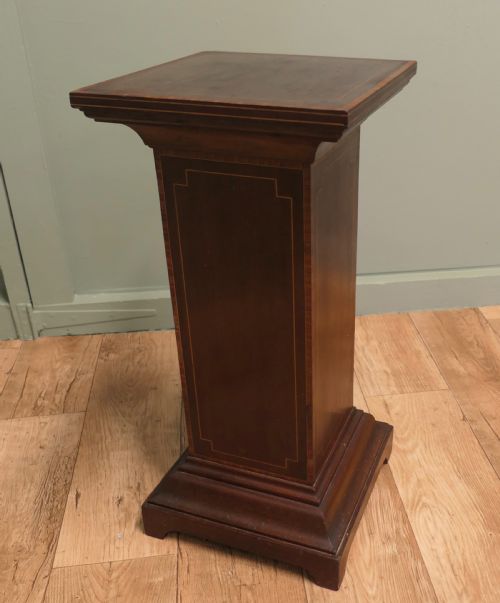
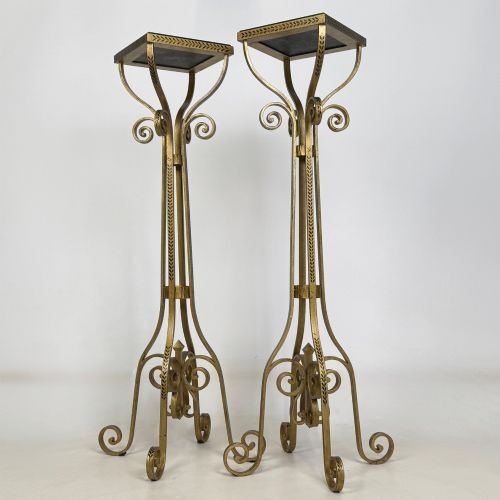
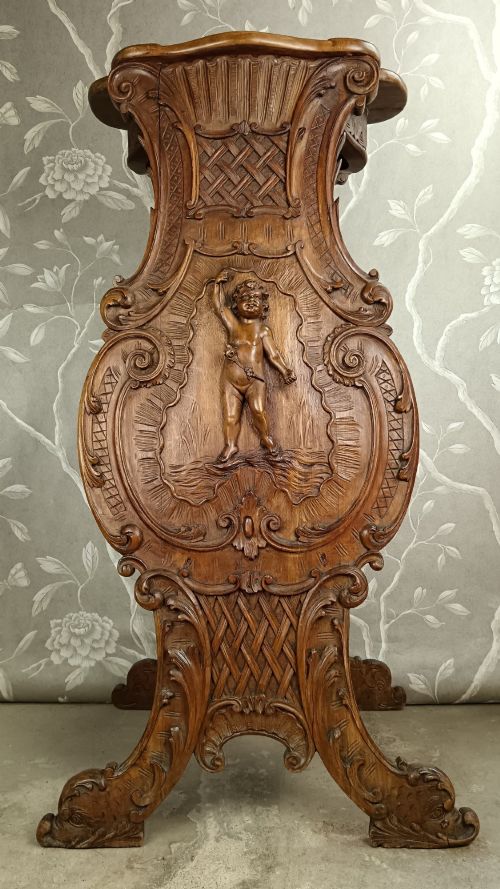
A decorative display column acts as a structural stage for sculpture, ceramics or plants, elevating objects to command attention in a room. These pieces range from slender torcheres designed for corner lighting to robust pedestals built to carry heavy marble or bronze.
Most examples encountered here date from the nineteenth century, stretching from the Regency era through the Victorian period into the Edwardian years. Earlier eighteenth century carved oak or walnut forms appear alongside later plaster and painted alternatives.
Makers designed these supports in varied forms including plant stands, columnar shafts and cylindrical display cabinets. Their primary function remains the spatial punctuation of an interior through vertical emphasis.
How they were made
Stone and mineral components form another pillar of construction, with green marble, verde antico, carrara marble and red stone providing heavy, stable tops and shafts. Plaster and faience pottery also served workshops constructing moulded architectural salvage and decorative stands.
Several columns disguise themselves as expensive marble through clever paintwork, proving that Victorians loved a brilliant optical illusion just as much as solid stone.
What varies in quality
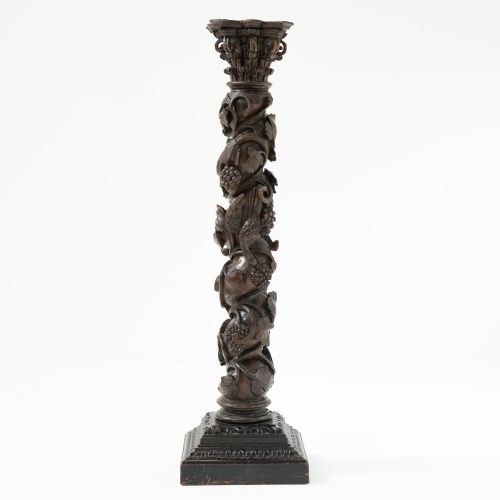
The sophistication of the carving and the integrity of the materials dictate the standard of a column. Deep, crisp chisel work on walnut or giltwood separates ambitious workshop productions from mechanical mass-produced items.
The selection of stone alters the character entirely, where solid blocks of verde antico or carrara marble outclass simple faux paint finishes. Balance and proportion govern the upper tier of pieces, ensuring a heavy load rests securely on a true base.
MARGUERITE
The Decorative Display Column Glossary
- Torchere
- A tall, slender stand originally designed to carry a candle or lamp. Today these pieces hold urns, figures or small floral arrangements.
- Solomonic
- A column shaft characterised by a helical twist or spiral form. This dynamic shape adds movement and theatricality to neoclassical and baroque furniture.
- Giltwood
- Timber coated with a thin layer of gold leaf or gold paint over a prepared gesso ground. It catches candlelight and daylight alike.
- Faience
- Tinslazed earthenware decorated with coloured glazes. It brings vibrant colour and pattern to Victorian plant stands and jardinières.
- Plinth
- The heavy square base supporting a column or statue. It grounds the vertical shaft visually and physically.
Decorative Display Column: Frequently Asked Questions
What is the difference between a torchere and a pedestal?
A torchere tends to be slender and lighter, originally built to support a light source or single candle, whereas a pedestal offers a wider, sturdier platform for heavy sculptural objects.
Both serve to elevate items in a room, but their proportions dictate whether they suit a corner display or a central focal point.
Can these columns support heavy marble statues?
Solid stone columns and substantial carved wood pedestals easily bear the weight of heavy bronze or marble pieces. Lighter plaster or hollow painted columns suit lighter ceramics and plants.
Check the top platform diameter and base stability before placing any weighty sculpture on top.
How do I date a nineteenth century column?
Dating relies on combining the wood types, finish techniques and stylistic revivals present in the construction. Victorian pieces often use rich exotic veneers or heavy earthenware, while Edwardian items lean towards lighter giltwood and painted plaster.
Tool marks and timber shrinkage offer further clues to the exact manufacturing decade.
Where should I place a display column at home?
Columns excel in empty corners, framing doorways or anchoring large wall spaces that require vertical interruption. They draw the eye upward and create distinct display zones within open-plan living areas.
Pair them with objects of contrasting material, such as placing a bronze figure on a marble column or a trailing plant on a giltwood torchere.