



Classical Architectural Column
A classical architectural column brings proportion and ancient dignity to a room, functioning as a structural support, pedestal or decorative framing device.
Classical Architectural Column
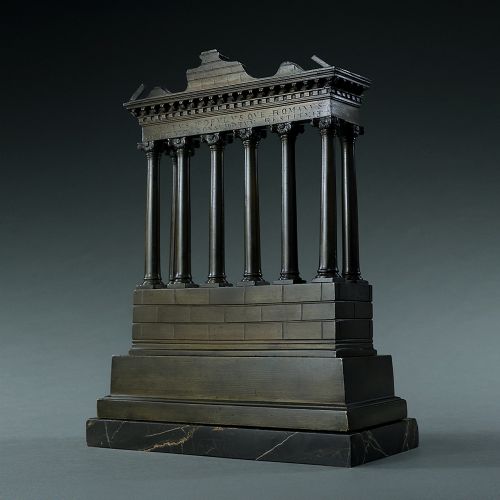
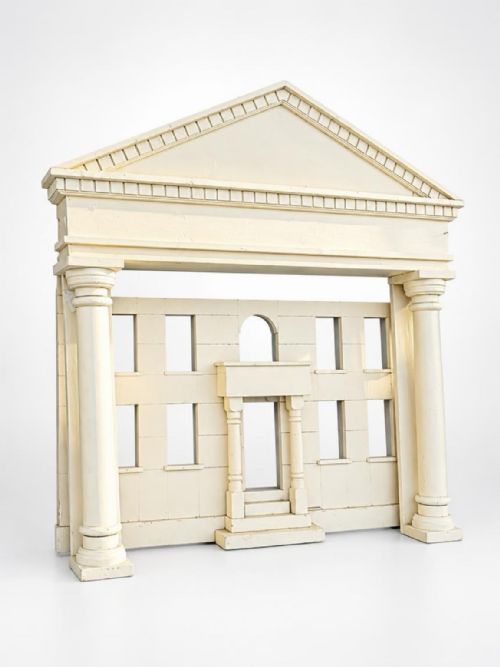
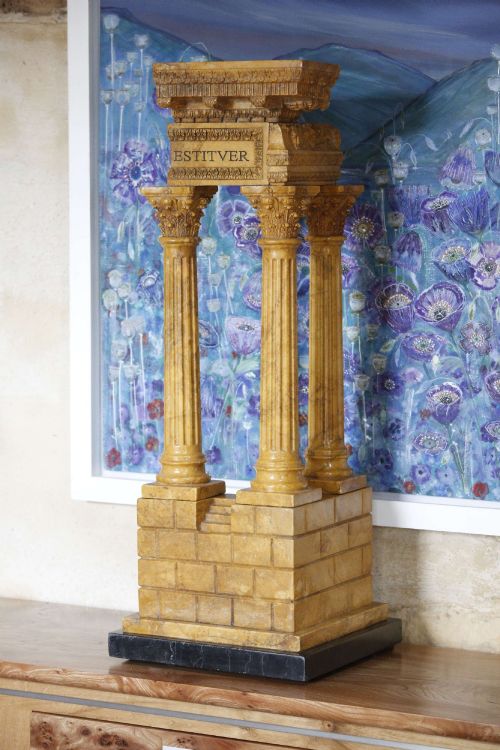
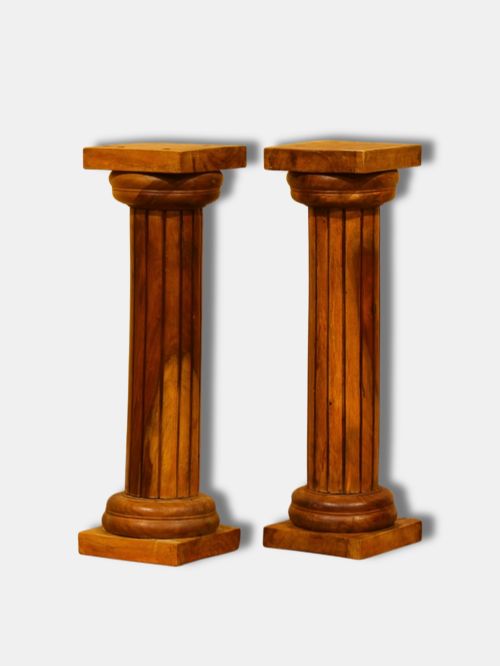
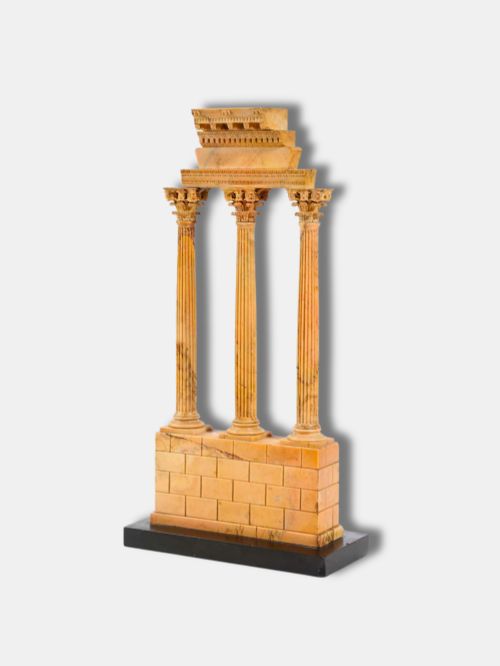
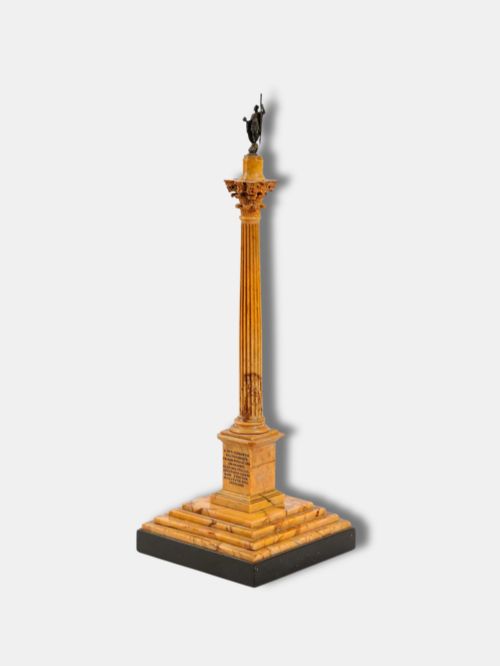
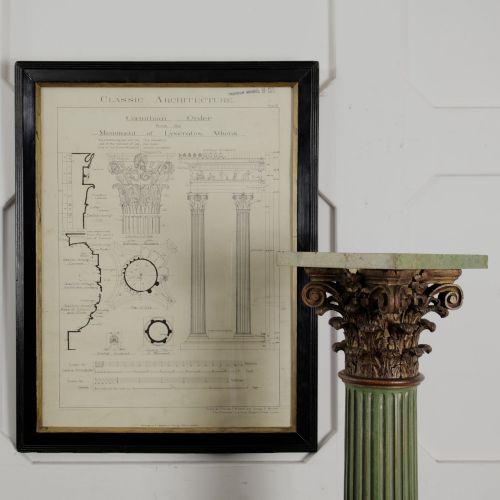
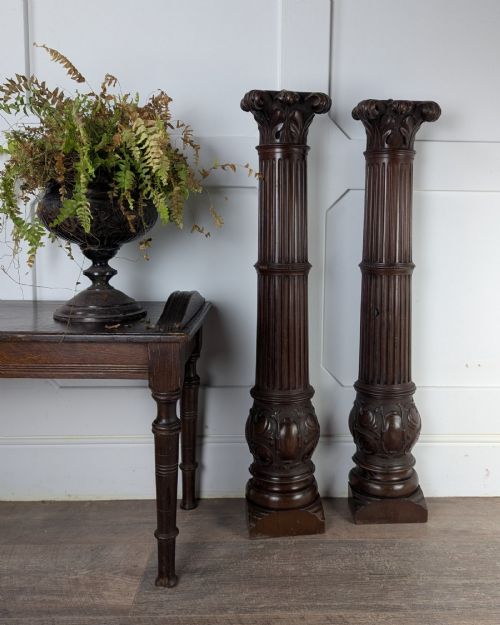
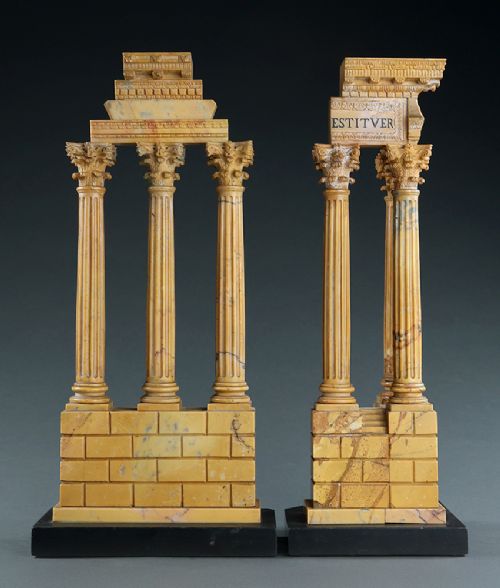
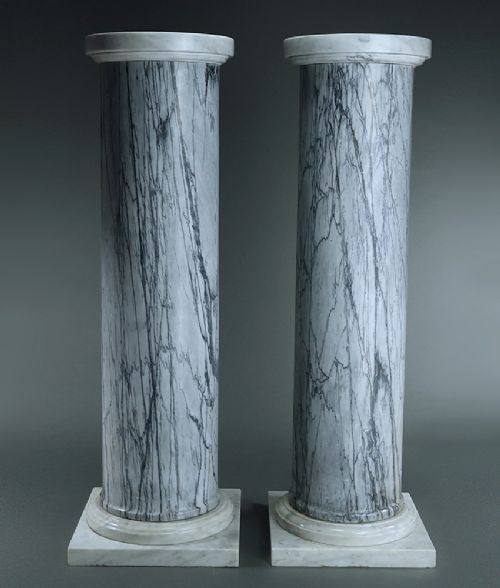
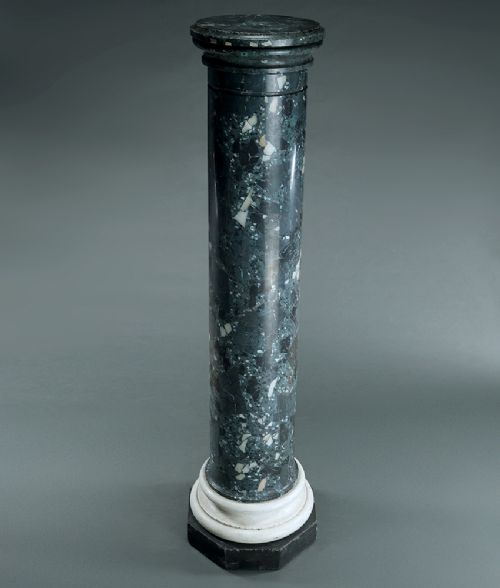
A classical architectural column takes many sculptural forms on this page, appearing as carved timber shafts, marble display pedestals, architectural salvage and framed prints of ancient orders. Buyers seeking a classical architectural column encounter a rich mixture of Victorian architectural elements, Grand Tour mementos and painted wood or stone supports from the nineteenth and early twentieth centuries.
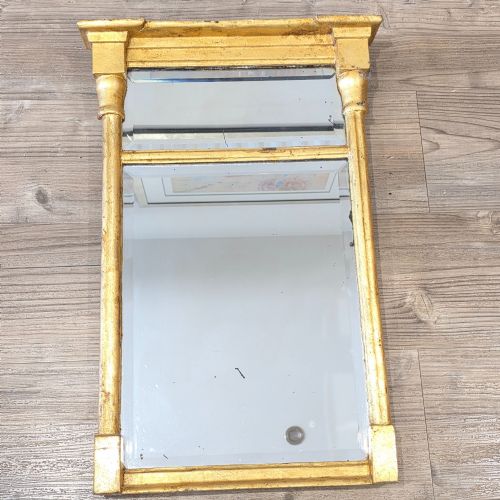
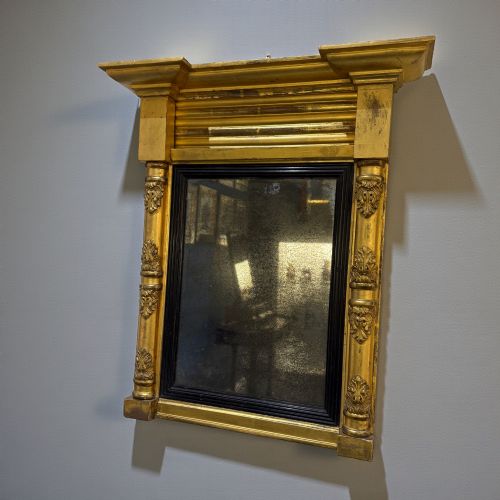
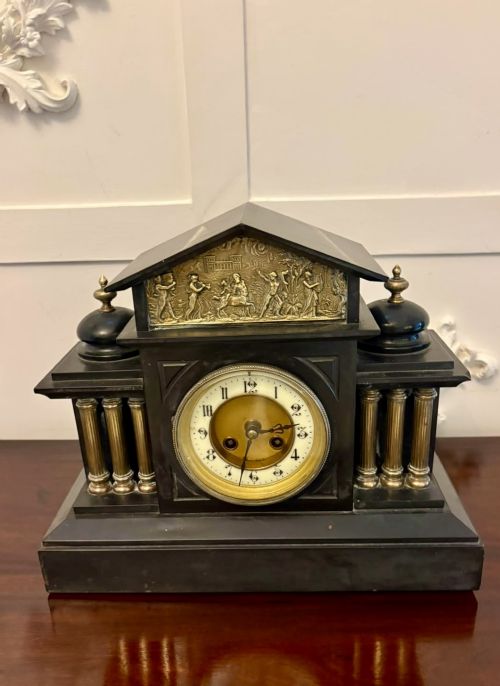
The selection ranges from sturdy mahogany half columns and painted pine supports to elaborate faux marble mantel clocks and gilt pier mirrors incorporating classical motifs. These objects reflect a persistent fascination with antiquity, adapting ancient Greek and Roman column designs for nineteenth-century domestic and display settings.
Materials and Method
Makers shaped these classical architectural column pieces from dense hardwoods like mahogany and walnut, alongside softwoods treated with gesso, paint or scagliola to imitate costlier stones. Natural materials such as marble, stone, terracotta and bronze appear frequently, often combined with hand-carved capitals and gilded surfaces.
Woodturners and stone carvers utilised traditional lathe work and chisel techniques to execute reeded shafts, fluted columns and intricate Corinthian or Ionic capitals. Painters and surface decorators applied faux finishes, trompe l'oeil marble effects and gold leaf to replicate the grandeur of ancient architectural monuments.
Classical Architectural Column Retail Price Guide 2026
Typical asking prices for classical architectural column among the pieces listed under this phrase on Sellingantiques today, from the lower quarter to the upper quarter. They describe what is for sale here now, not the wider market.
Judging Quality
Quality in a classical architectural column rests upon the crispness of the carving on the capital and the fidelity of the proportions in the shaft. Finely sculpted acanthus leaves on a Corinthian capital and accurately turned fluting demonstrate superior craftsmanship compared to soft, simplified mouldings.
The integrity of the underlying material and the skill of the surface finish dictate the overall success of the piece. Authentic hand-carved stone and hardwood display greater depth and tactile weight than cast plaster or hurried painted substitutes.
The Classical Architectural Column Glossary
- Capital
- The topmost member of a column, usually decorated with carved foliage or scrolls. It sits directly above the shaft to support the weight above.
- Corinthian
- An order of classical architecture distinguished by ornate capitals decorated with stylized acanthus leaves. This style originated in ancient Greece and remains popular in revival pieces.
- Scagliola
- A composite material made from selenite, glue and pigments, embedded to mimic true marble. Artisans polished this mixture to create convincing decorative columns and architectural details.
- Pier mirror
- A tall, vertical looking glass designed to hang on the wall space between windows. These mirrors frequently incorporate classical column motifs and architectural frames.
Classical Architectural Column: Frequently Asked Questions
How were antique columns used in homes?
Historically, decorative columns and architectural salvage served as room dividers, mantel supports or grand display pedestals for art and sculpture. They brought a sense of formal classical proportion into nineteenth-century domestic interiors.
Today, these pieces function similarly as sculptural focal points in a hallway or living space, or as sturdy stands for displaying plants and decorative objects.
What is scagliola?
Scagliola is a composite technique where pigmented plasters are applied and polished to imitate expensive marbles such as Verde Antico or Siena. It allowed makers to achieve luxurious stone effects without the immense weight and cost of solid quarried marble.
Items finished in scagliola present a smooth, stone-like surface while remaining lighter and more adaptable for interior display.
How do I date a wooden column?
Dating relies upon examining the tooling marks, the timber species used, and the specific revival style of the carved capital. Victorian pieces often employ dense pine or mahogany with hand-chiseled details reflective of contemporary historical revivals.
Wear patterns on painted or gilded surfaces and the construction methods of the base also help establish the approximate period of manufacture.
Are these pieces structural?
Most items listed are decorative architectural elements, display pedestals, half columns or salvage pieces intended for aesthetic enhancement rather than primary load-bearing support. While some timber or stone shafts possess considerable weight, they are typically designed for interior decoration.
Buyers should assess the specific mounting requirements and stability of each individual piece before placing heavy objects upon them.