




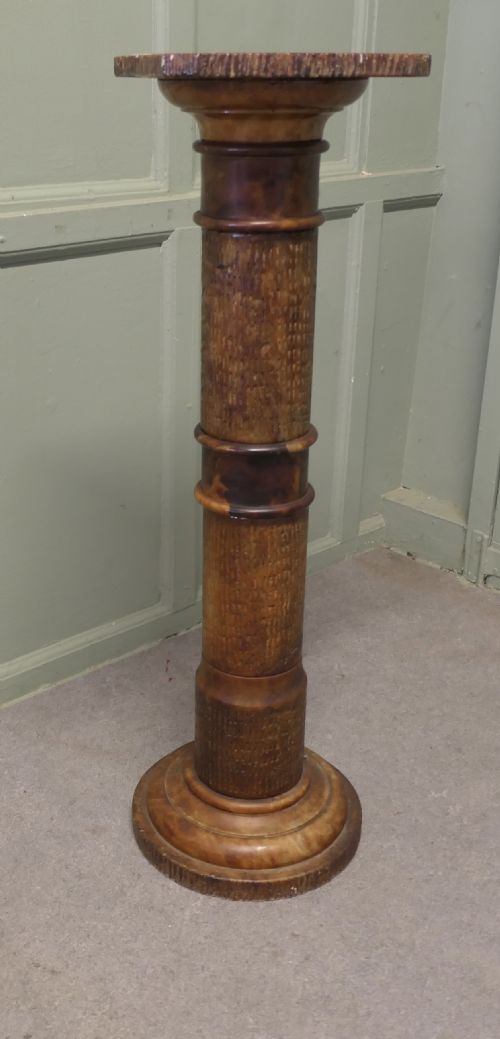
Sculpture Display Pedestal
A sculpture display pedestal elevates a piece of art to eye level, framing bronzes, busts, and marbles with architectural presence.
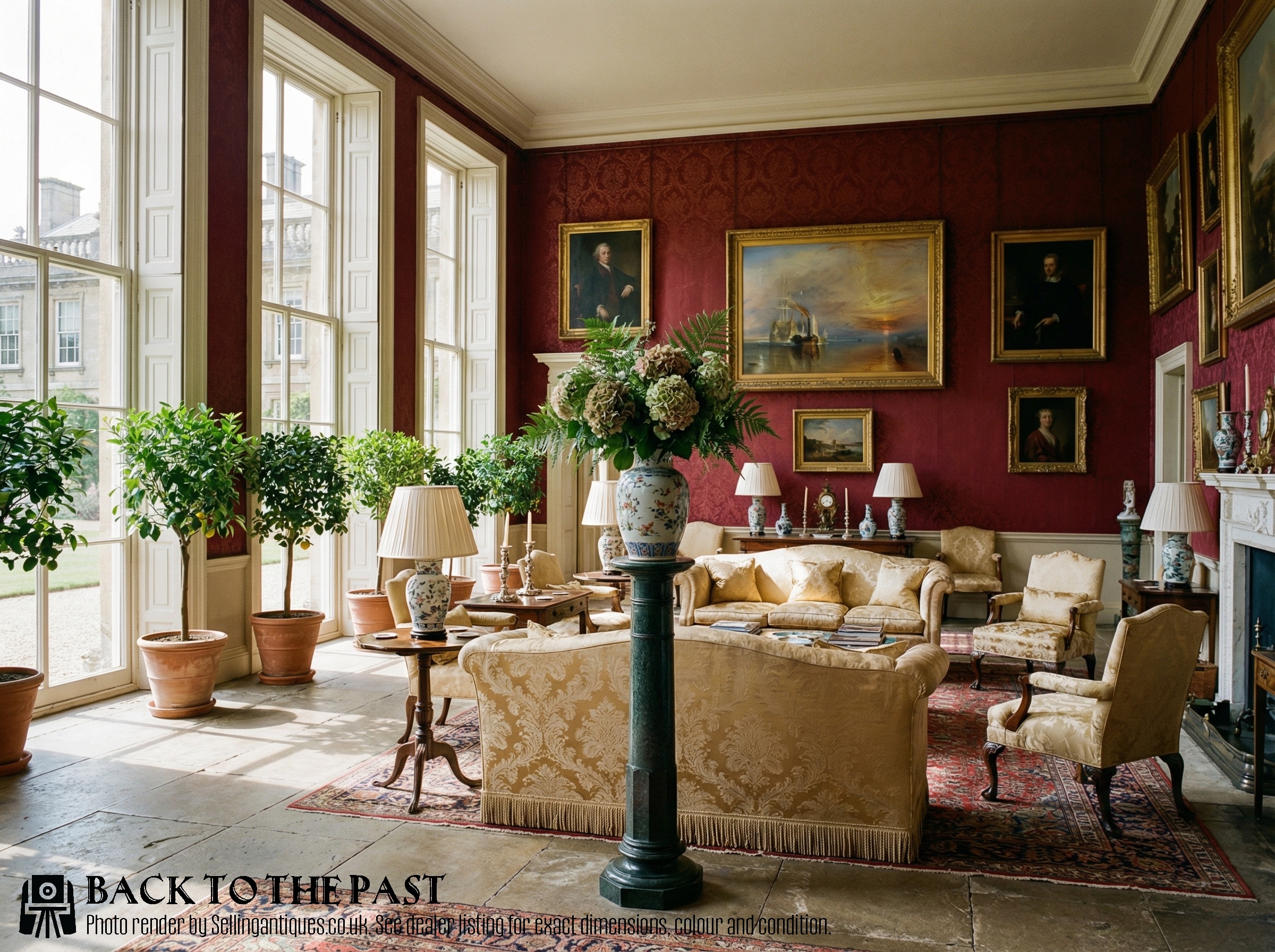
Sculpture Display Pedestal
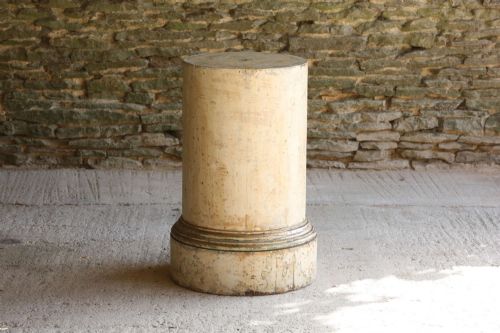
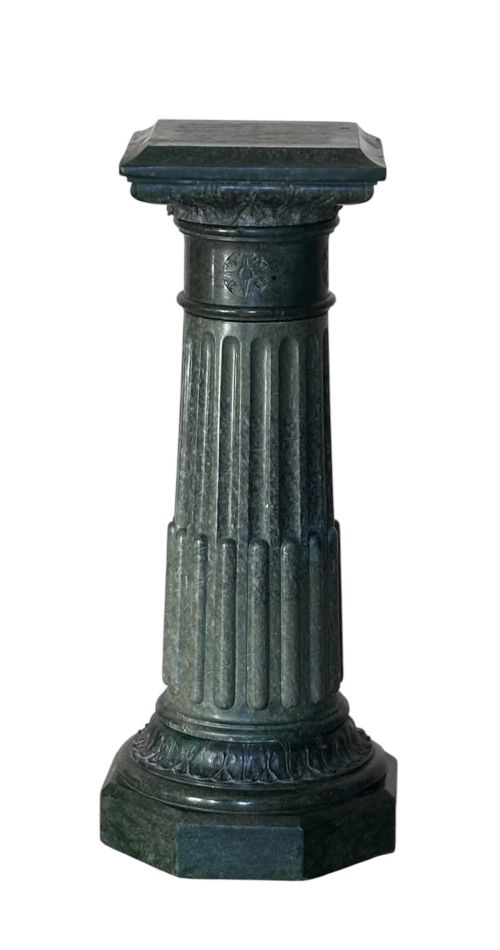
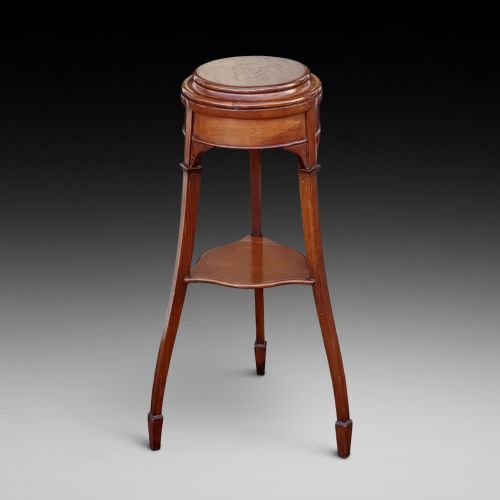
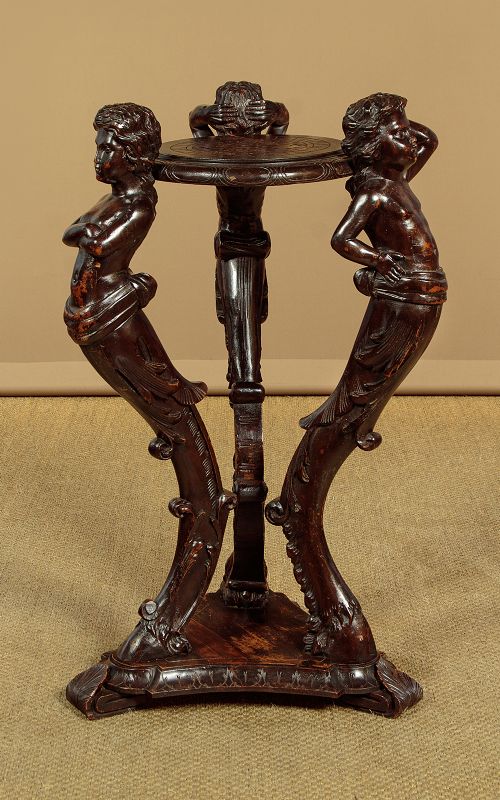
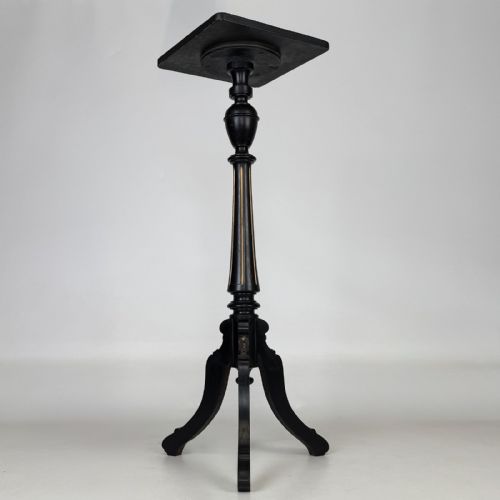
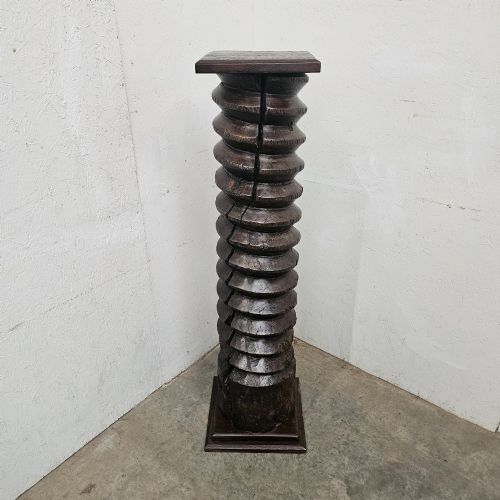
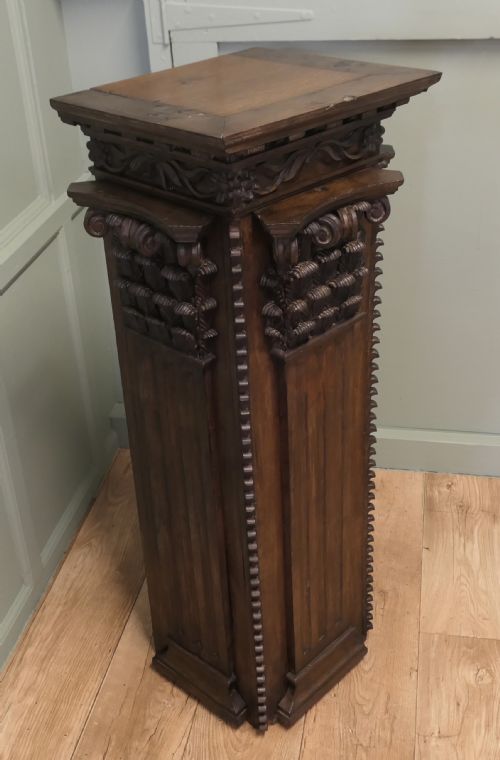
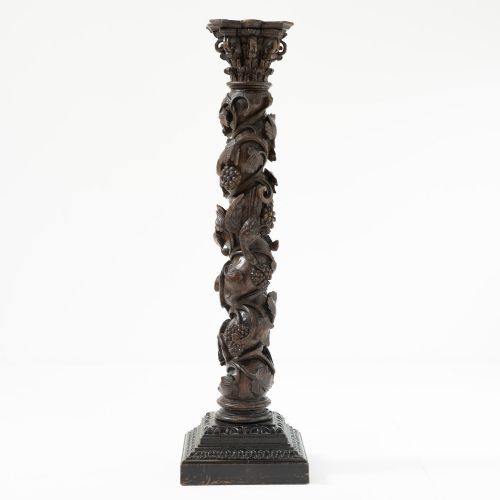
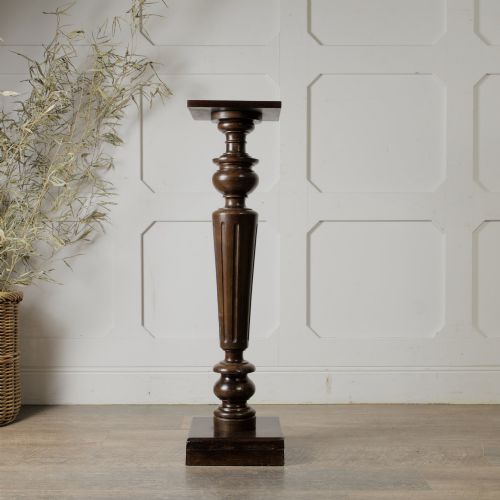
A sculpture display pedestal takes the form of a column, plinth, or torchiere designed to support a bust, figure, or urn. These sturdy stands appear most frequently from the nineteenth century, though eighteenth-century examples also emerge.
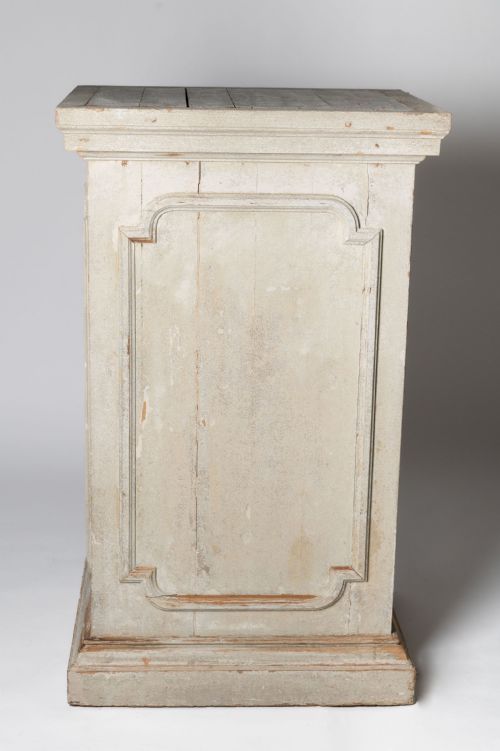
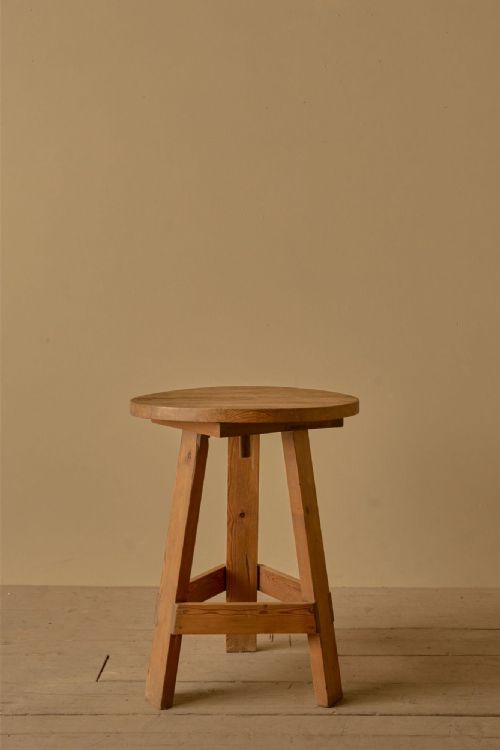
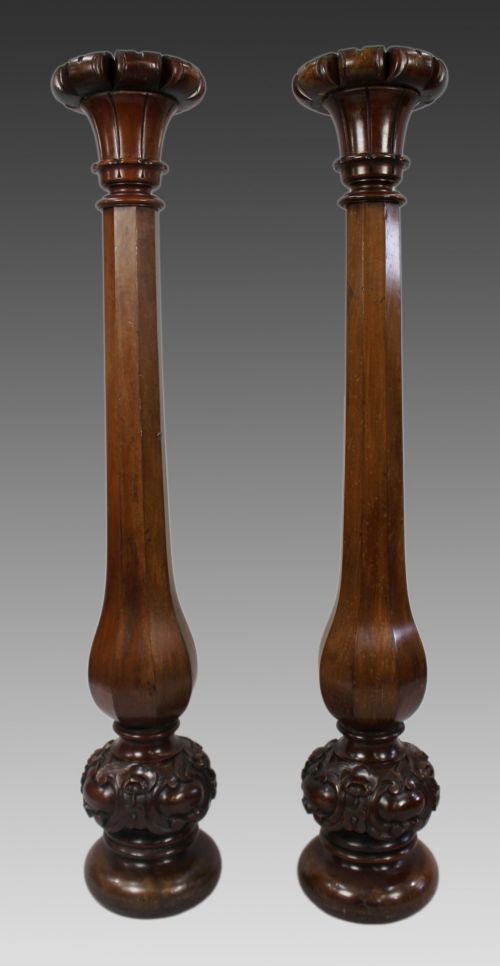
Makers shaped these supports as cylindrical columns, fluted pillars, and square plinths. They function equally well as plant stands or standalone architectural statements in a room.
The selection spans styles from Neoclassical and Victorian to the clean lines of the Art Deco period. Walnut, mahogany, and marble dominate the offerings across all eras.
Materials and Construction Methods
Cabinetmakers utilised dense timbers including mahogany, oak, walnut, and satinwood, often turning them on a lathe to create spiral pillars and smooth columns. Ebonised wood and carved gesso provide darker, highly decorative surfaces.
Stone workers shaped solid marble, scagliola, and onyx into impressive monolithic columns. Many nineteenth-century pieces employ clever painted finishes, disguising pine as faux marble to mimic expensive stone at a lighter weight.
Sculpture Display Pedestal Retail Price Guide 2026
Typical asking prices for sculpture display pedestal among the pieces listed under this phrase on Sellingantiques today, from the lower quarter to the upper quarter. They describe what is for sale here now, not the wider market.
Listings feature woods like mahogany, oak, and amboyna alongside varied marbles including Carrara, Bardiglio, and Verde Antico.
Craftsmanship and Material Selection
The choice of material dictates the foundational standard, moving from grain-painted pine to solid exotic hardwoods or genuine variegated marble. Ormolu collars, finely carved capitals, and weighty bronze mounts distinguish ambitious workshop output from standard utility pieces.
Structural integrity relies on the precision of the turning and the stability of the joints supporting heavy loads. Exhibition pieces display crisper hand-carving and richer timber veneers such as amboyna and macassar ebony.
Gillow and Co
The Sculpture Display Pedestal Glossary
- Solomonic
- A twisted, spiral column shape reminiscent of a corkscrew. This energetic form adds movement to wooden pedestals.
- Torchiere
- A tall stand originally intended to carry a torch or candle, later adapted for urns and sculptures. These often feature slender proportions.
- Scagliola
- A composite material made from selenite, glue, and pigments, embedded to imitate marble and other fine stones. It allows for seamless decorative columns.
- Ormolu
- Gilt bronze mounts applied to furniture and pedestals. This decorative detail provides metallic contrast against dark wood or stone.
Sculpture Display Pedestal: Frequently Asked Questions
What is a sculpture display pedestal used for?
These pieces elevate three-dimensional art, such as marble busts, bronze figures, and ceramic urns, allowing viewers to appreciate them at eye level. They place sculptural works away from walls and tables, giving them independent spatial presence.
Historically, they served both domestic interiors and exhibition halls to showcase prized collections. Today they fulfill the same function while acting as sculptural furniture in their own right.
How do I distinguish wood from faux marble?
Faux marble surfaces usually reveal a wood or pine base beneath small chips or at unpainted seams. Real stone feels cold to the touch and carries considerable weight.
Inspect the edges closely under good light to identify brush marks on painted pine columns. Genuine marble displays natural veining that penetrates deep into the material.
What periods do these pedestals cover?
The available selection spans from the eighteenth century through the Victorian era and into the early twentieth century. Neoclassical and Victorian revivals heavily influence nineteenth-century designs.
Later twentieth-century examples embrace Art Deco minimalism with walnut and ebony construction. Each era brings distinct stylistic flourishes to the column form.
Are these stands strong enough for heavy marble?
Solid mahogany, oak, and stone columns offer immense structural capacity for heavy loads. Turned wooden pedestals distribute weight evenly down their central axes.
Check the stability of the base and the top platform before placing exceptionally heavy stone. Most antique pedestals were built specifically to bear substantial sculptural weight.