


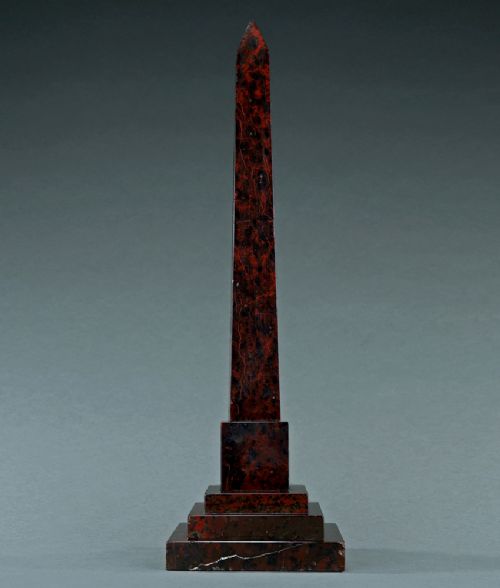


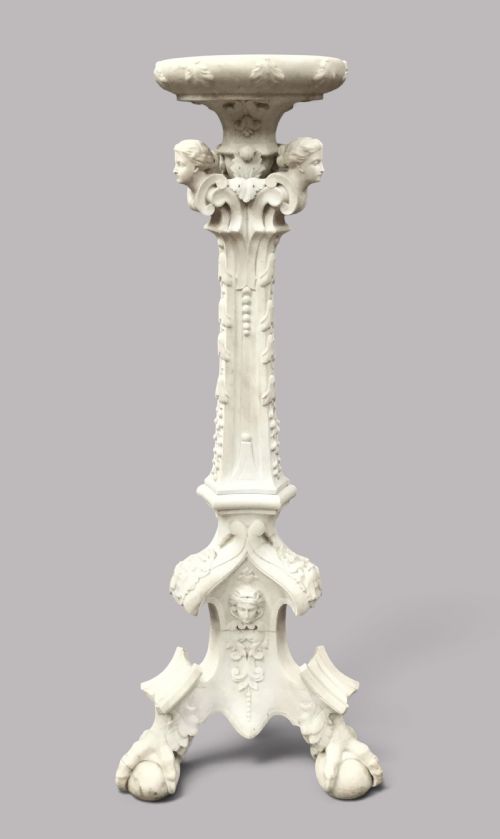


Carved Stone Column
Carved stone column examples bring classical architectural dignity indoors, offering solid historical weight and sculptural presence to elevate your interior spaces.
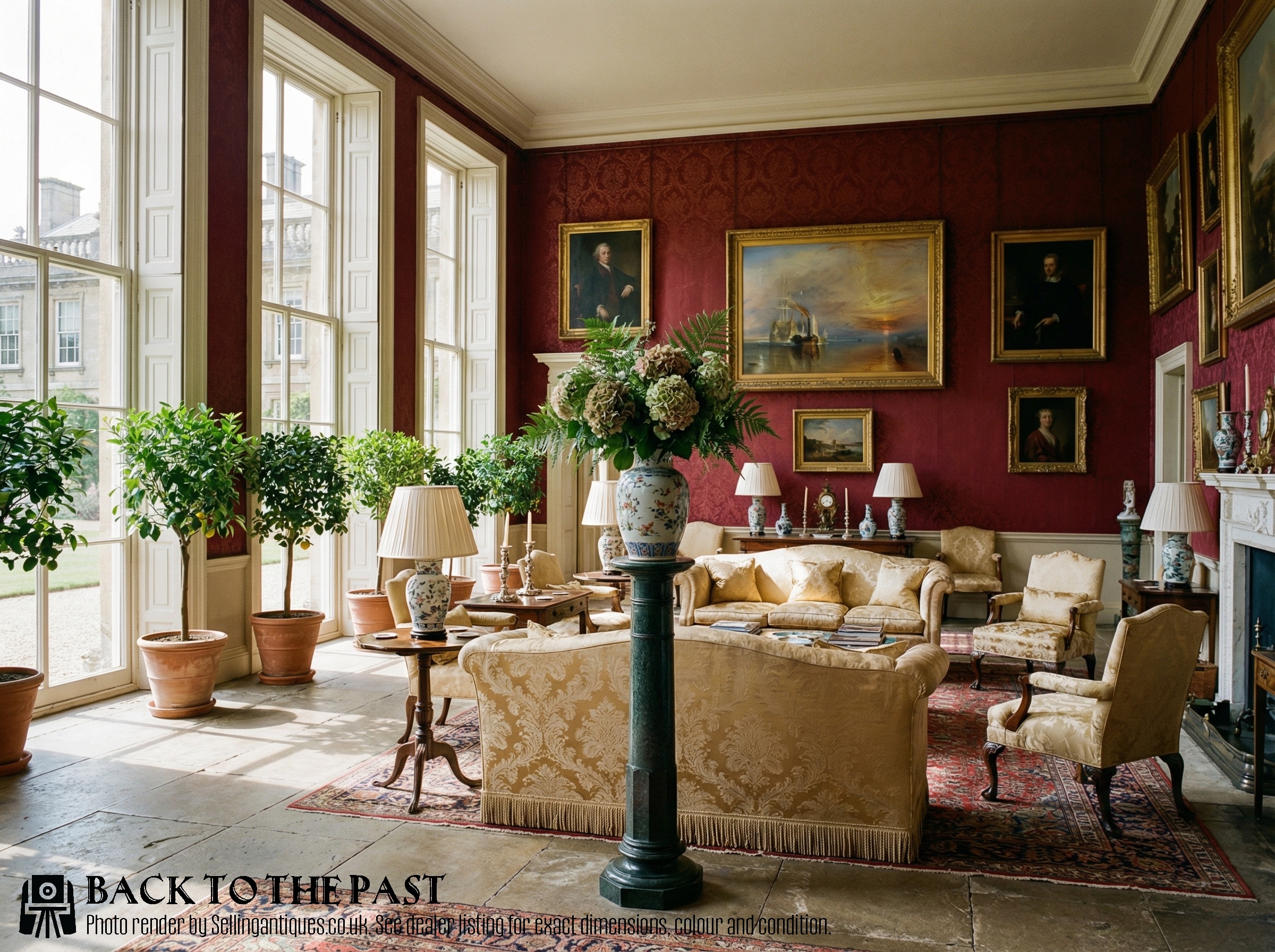
Carved Stone Column
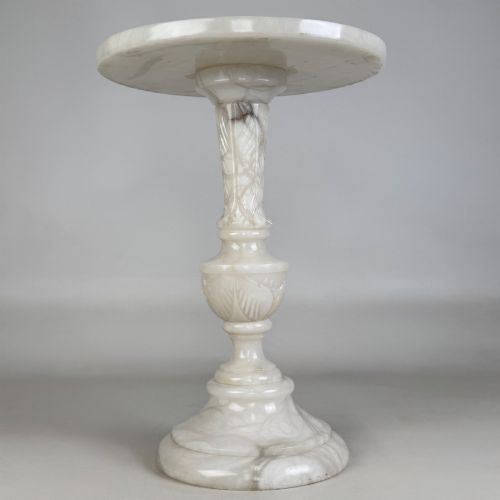
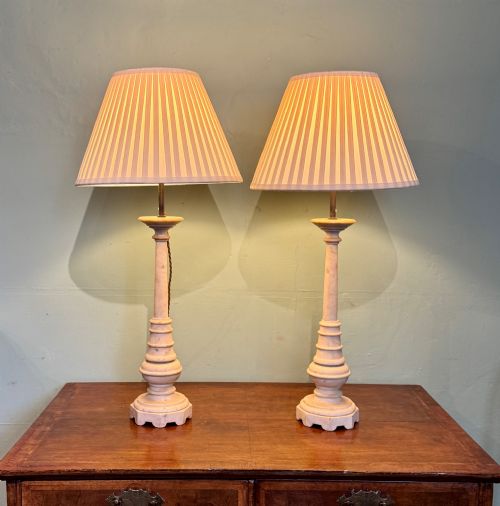
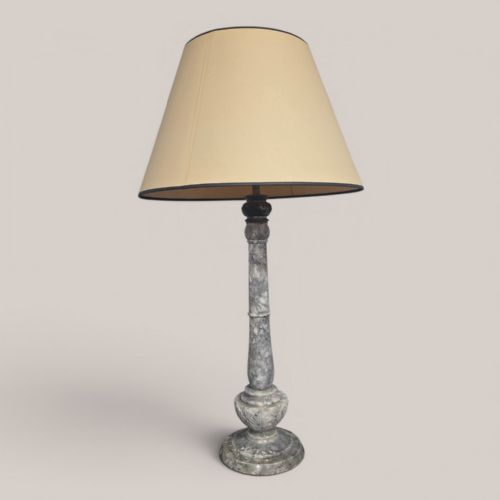
A carved stone column brings substantial architectural weight and classical proportion into an interior space. When you search for a carved stone column, you encounter structural remnants, grand pedestals, and decorative lamps ranging from the eighteenth century through to the early twentieth century. These pieces serve primarily to elevate busts, plants, or lighting while standing as autonomous sculptural forms.
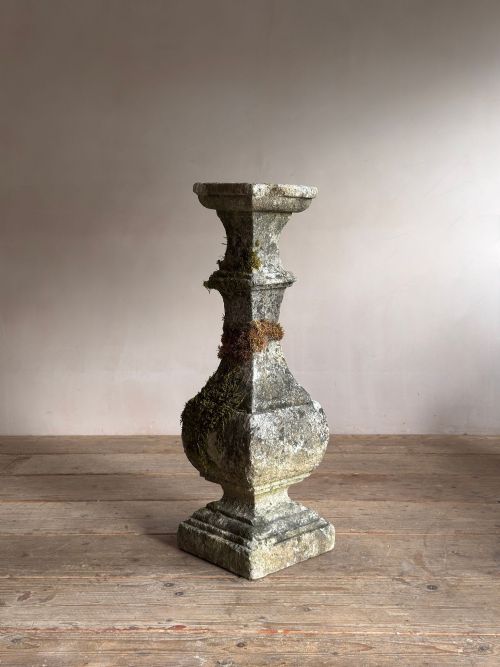
The most common versions on this page are nineteenth-century pedestals and torches fashioned from variegated green marble, white marble, and alabaster. You also find architectural fragments such as limestone capitals, sandstone halves, and occasional pairings designed for symmetry. Their origins span Italian workshops, French salons, and English domestic settings influenced by neoclassical revivals.
Forms vary from slender table lamps and desk ornaments to monumental floor-standing pedestals exceeding one metre in height. Many pieces integrate diverse materials, coupling stone shafts with brass fittings, wooden components, or fabric elements. Whether configured as a sundial plinth, a tazza base, or an architectural capital, each item reflects historical masonry traditions.
Judging Quality and Execution
Quality rests in the crispness of the chisel work upon capitals and foliage, where deep undercutting and precise fluting separate superior carving from softer, machine-milled execution. The choice of raw material dictates the baseline, with flawless blocks of Verde Antico or figured alabaster commanding greater refinement than porous sandstone or basic limestone.
Proportion and structural integrity define the upper tier of these pieces, ensuring that shafts maintain true vertical alignment without historic stress fractures. The sophistication of the neoclassical detailing, whether executed in Italy, France, or England, determines the artistic merit of the column as a decorative object.
Carved Stone Column Retail Price Guide 2026
Typical asking prices for carved stone column among the pieces listed under this phrase on Sellingantiques today, from the lower quarter to the upper quarter. They describe what is for sale here now, not the wider market.
One nineteenth-century sculptor managed to coax both a mandolin and a marble girl out of a single block of stone.
Eduardo Giolli
The Carved Stone Column Glossary
- Capital
- The uppermost member of a column, serving to crown and spread the load beneath an entablature. Corinthian and Ionic examples frequently feature carved acanthus leaves or scrolls.
- Pedestal
- An upright architectural support or base carrying a statue, vase, or column. These items often feature square plinths and moulded cornices.
- Scagliola
- A composite material made from pigmented selenite, glue, and plaster, applied to mimic genuine marble. It was polished to a high gloss finish during the eighteenth and nineteenth centuries.
- Serpentine
- A major group of rock-forming minerals characterised by a mottled green or red appearance. It takes a fine polish and resembles decorative marble.
- Torchere
- A tall ornamental stand or candlestick designed to carry a light source. In stone, these take the form of slender columns supporting lamps or tazzas.
Carved Stone Column: Frequently Asked Questions
How were these columns originally used?
They functioned as structural building supports, monumental sundial bases in gardens, or interior display stands for fine art and sculpture. Grand Tour travellers also collected smaller table lamps and architectural fragments to decorate domestic interiors.
Over time, many architectural salvage pieces and architectural capitals transitioned into purely decorative interior objects. Tazzas, plant stands, and torchere columns were placed in hallways and drawing rooms to elevate decorative items into prominent sightlines.
What is the difference between marble and alabaster?
Marble is a metamorphic rock formed from recrystallised carbonate minerals, prized for its dense weight and complex veining patterns like Arabescato and Verde Antico. Alabaster is a softer mineral aggregate, specifically a form of gypsum, known for a smoother texture and a warm, translucent quality.
Because alabaster allows light to pass through its surface, makers frequently utilised it for table lamps and figural lighting pieces. Marble remained the preferred choice for heavy load-bearing pedestals, architectural capitals, and monumental floor columns requiring maximum durability.
How do I distinguish neoclassical styles?
Neoclassical pieces draw direct inspiration from ancient Greek and Roman architecture, displaying strict symmetry, geometric clarity, and orderly proportions. You will spot classical orders such as Corinthian leaf motifs and Ionic scrolls carved meticulously into capitals and plinths.
Revival periods from the nineteenth century often exaggerate these classical elements with heavier variegated marbles and bolder proportions. Grand Tour items reflect the souvenirs brought back by travellers who collected miniature obelisks and columns from Italian workshops.
How do I care for antique stone?
Dust marble, limestone, and sandstone surfaces regularly with a soft, dry cloth to prevent particulate accumulation within carved crevices. Avoid using acidic cleaners, vinegar, or abrasive scourers, as these substances etch polished marble and degrade porous stone.
Alabaster requires particular caution because it dissolves slightly in water and scratches very easily under harsh pressure. Keep alabaster lamps and columns away from damp environments and clean them using only a feather duster or dry microfibre cloth.