




Decorative Stone Pedestal
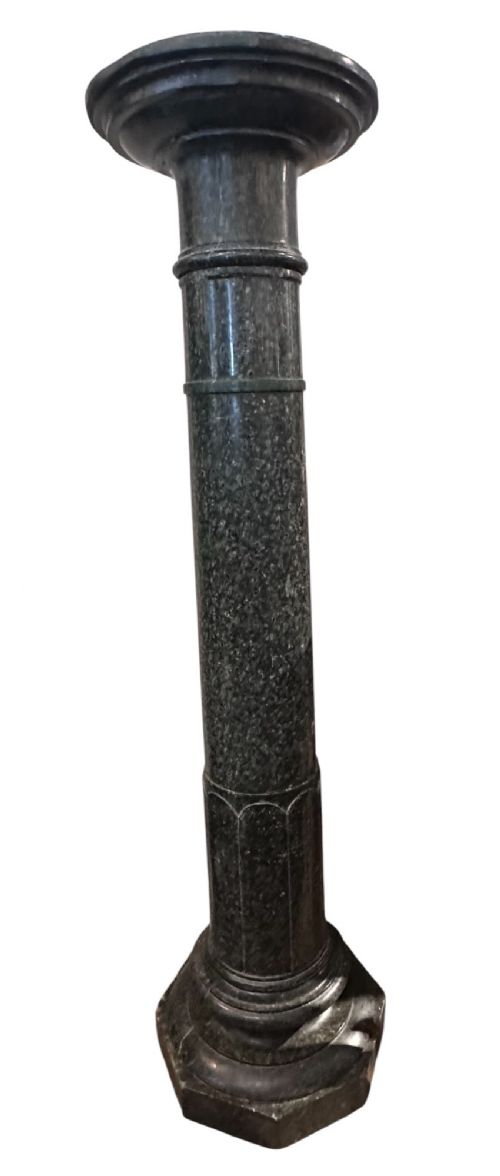
These decorative stone pedestal examples range from nineteenth century Italian marble columns to Victorian stands, built to elevate sculpture and urns.
Decorative Stone Pedestal
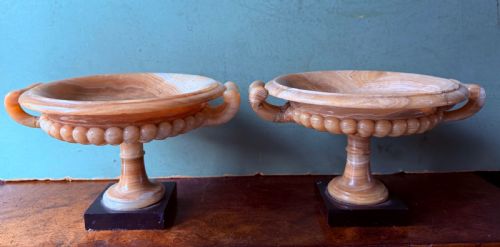
A decorative stone pedestal serves as an architectural support or standalone display stand, elevating items such as busts, urns, and tazze. When searching for a decorative stone pedestal, buyers encounter forms ranging from nineteenth century Italian marble columns to Victorian stands and mid-twentieth century garden plinths.
The materials span white marble, veined marble, alabaster, cast stone, and reconstituted stone, often echoing classical antiquity. Many examples originate from the nineteenth century, including Grand Tour souvenirs and architectural columns carved from single blocks of stone.
Methods and materials of construction
Masons shaped these pieces using natural materials such as alabaster, white marble, verde antico, and red stone, sometimes mounting them on black marble bases or incorporating brass and ormolu details. Carved stonework relies on subtractive sculpture techniques, shaping dense mineral blocks into fluted columns, torcheres, and tapered pedestals.
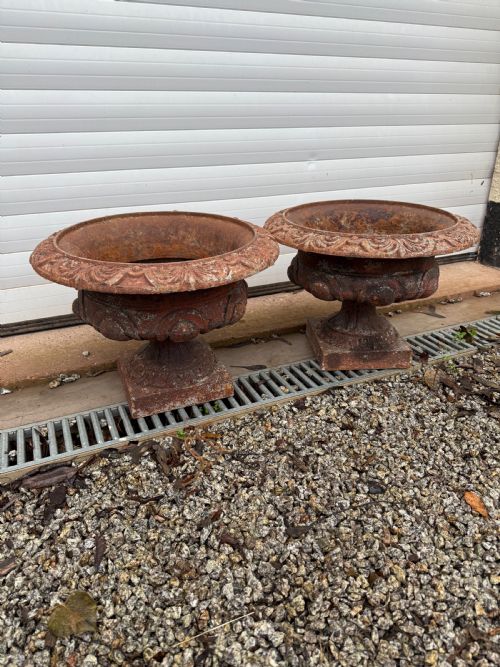
Other examples utilise cast iron, cast stone, and reconstituted stone poured into moulds for garden use. Surface finishes include polished marble surfaces and painted treatments on architectural salvage elements.
Gentlemen sat quietly while John Wenlock Rollins carved their likeness into marble in eighteen-ninety-seven.
Distinctions in quality and execution
Quality rests upon the choice of raw material and the precision of the carving, visible in the sharpness of acanthus leaf details and the depth of surface polish. Finer nineteenth century pieces display select veining in the marble and careful symmetry in architectural columns.
Lesser examples or garden elements rely on simpler moulded cast stone or utilitarian iron construction. The integrity of the joints between the column shaft and its base also distinguishes workshop execution.
John Wenlock Rollins
The Decorative Stone Pedestal Glossary
- Pedestal
- An architectural support or base designed to elevate a bust, urn, or sculpture. They appear in stone, marble, and wood.
- Tazza
- A shallow saucer-shaped vessel or bowl raised on a stem and foot. These often sit atop pedestals or columns.
- Grand Tour
- Eighteenth and nineteenth century travels across Europe by young gentry to collect art and antiquities. Souvenirs included miniature alabaster urns and marble columns.
- Torchere
- A tall stand or pedestal originally designed to hold a torch or candle. Later versions support decorative figures and urns.
Decorative Stone Pedestal: Frequently Asked Questions
What is a decorative stone pedestal?
A decorative stone pedestal is an architectural support or standalone plinth designed to elevate sculptures, urns, and tazze. They provide height and structural emphasis to display items.
These pieces range from tall nineteenth century Italian marble columns to compact Victorian stands and cast stone garden plinths.
How do I style a stone pedestal?
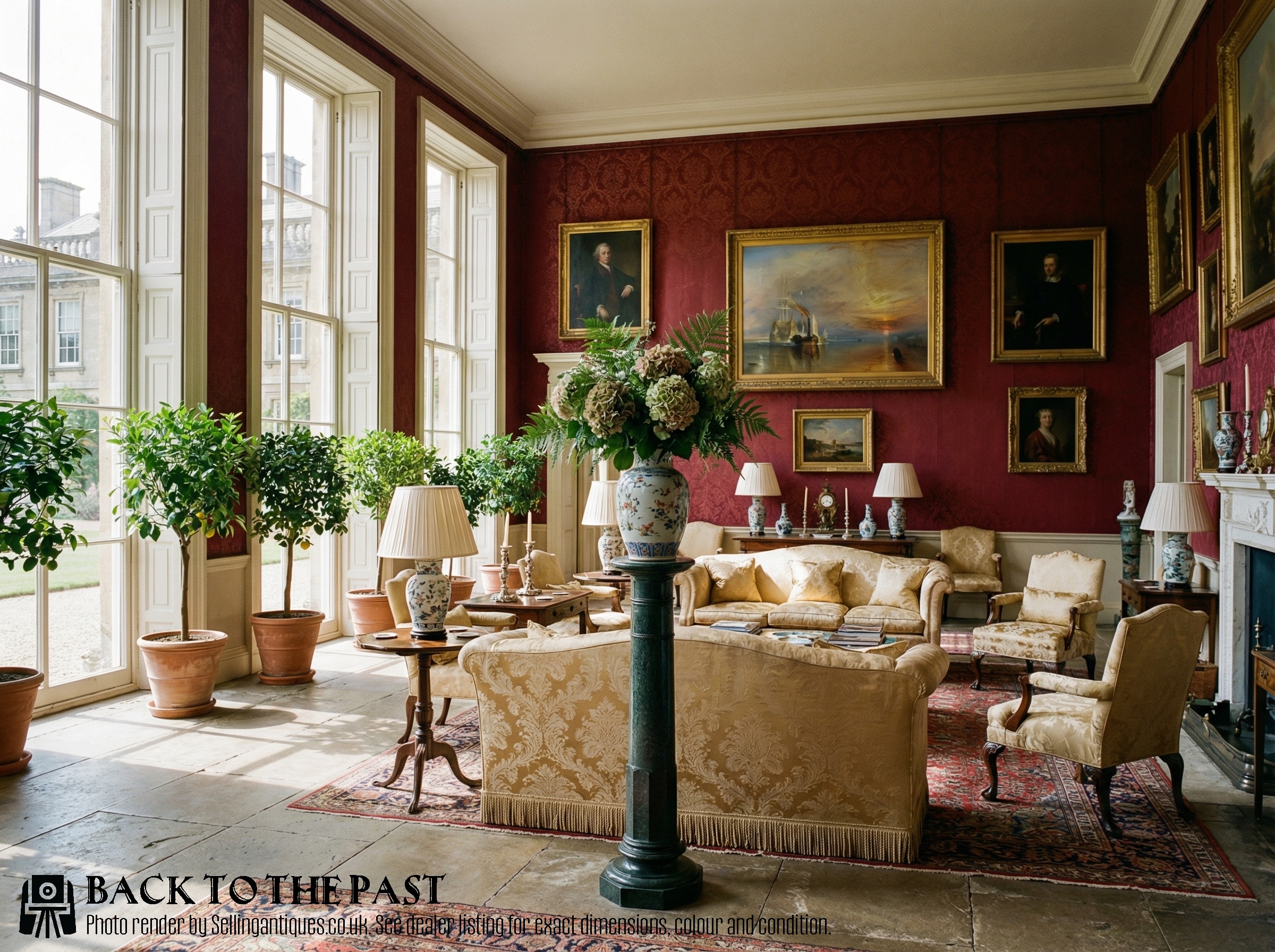
Placing a bust, garden urn, or tazza upon the top surface highlights the architectural form of the piece. They function as focal points in hallways, reception rooms, and gardens.
Matching the stone material, such as white marble or alabaster, with the displayed object creates a unified display.
What materials are used?
Construction materials include natural stones like alabaster, white marble, veined marble, verde antico, and red stone. Some examples incorporate cast iron, cast stone, and wood.
Finer decorative pieces often feature polished marble finishes, while garden variants utilise durable cast stone and iron.
How do I identify nineteenth century pieces?
Nineteenth century examples often reflect neoclassical tastes, Grand Tour souvenirs, and Continental styles. Look for hand-carved details, traditional turning marks, and historical material choices like alabaster and specific Italian marbles.
Architectural columns and carved torcheres from this era display distinct tooling methods absent in modern reproductions.