




Antique Marble Pillar
These antique marble pillar pieces bring classical weight and architectural presence to a room, ranging from grand Italian supports to decorative display columns.
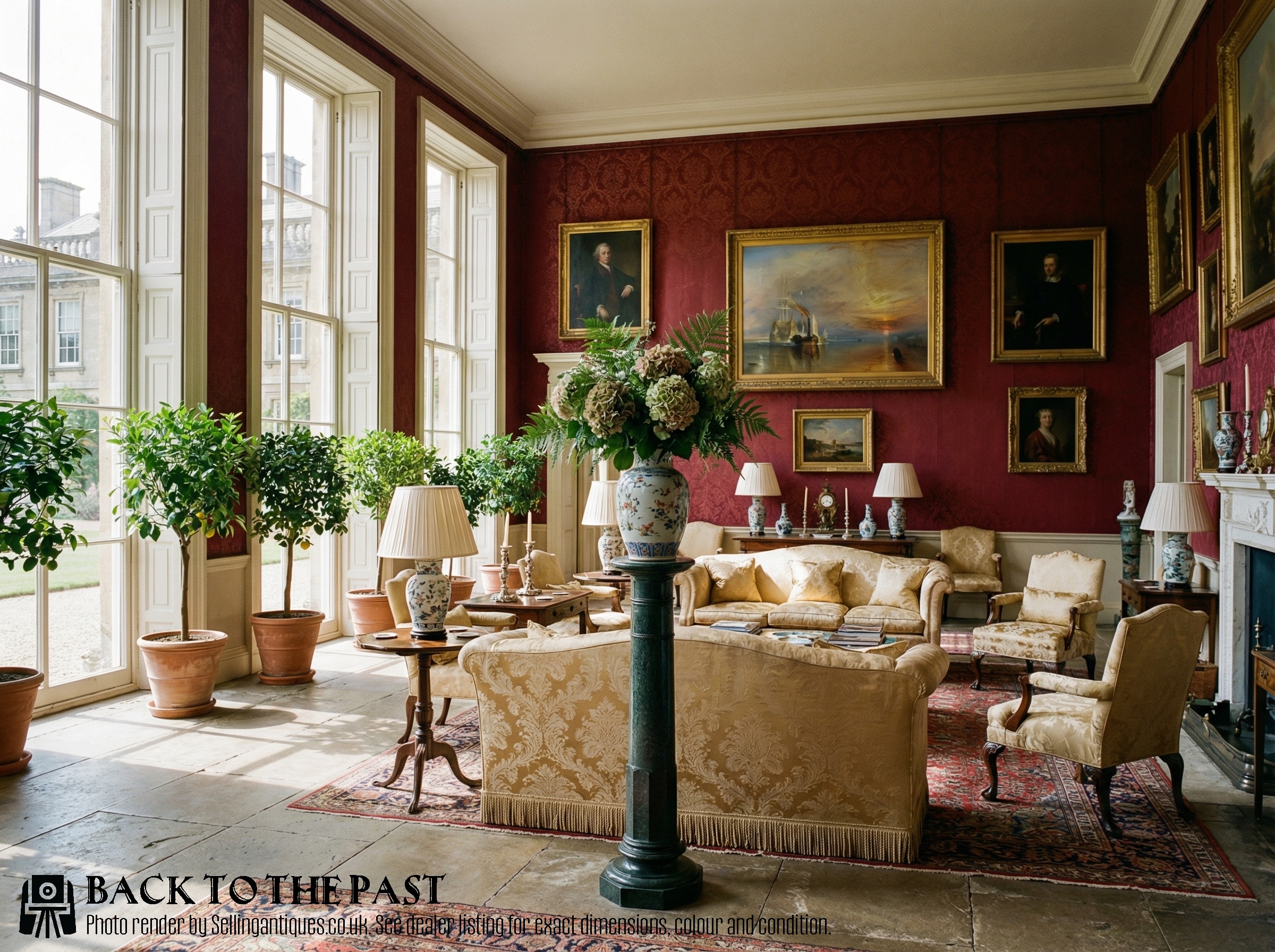
Antique Marble Pillar
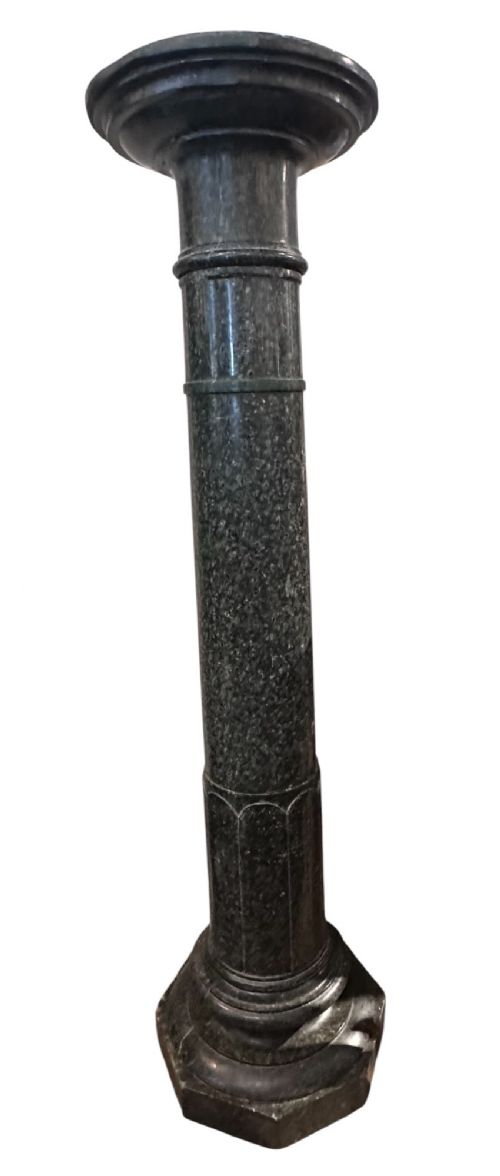
An antique marble pillar search brings up architectural columns, display pedestals, and decorative objects created across the nineteenth and early twentieth centuries. You will most frequently encounter standing display columns, table lamps, and architectural salvage formed from solid stone or simulated finishes.
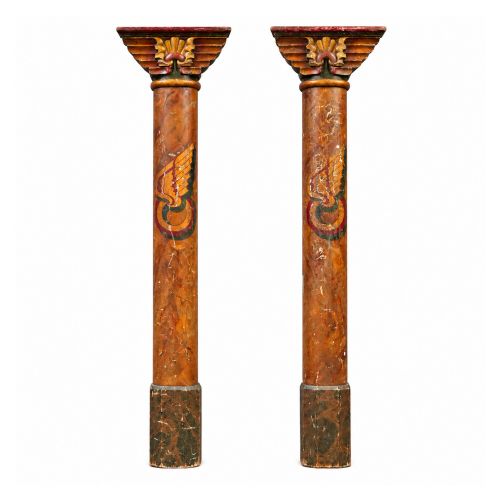
The selection encompasses diverse historical revivals, including Neoclassical, Egyptian Revival, and French Classical designs. Makers drew inspiration from classical antiquity, producing substantial supports intended to elevate sculpture, urns, or lighting.
Origins span English, French, and Italian workshops, reflecting both grand architectural commissions and domestic decorative arts. Pieces range from matched pairs designed for display to single monumental columns intended for interior focal points.
How they were made
Carpenters and painters sometimes constructed decorative columns from wood, applying skilled paint techniques to simulate precious stones like verde antico. Metal elements appear in silver-plated Corinthian capitals and bronze mounts that crown the stone shafts.
Some nineteenth-century French columns spent their early days on theatrical stages before finding permanent retirement in domestic hallways.
What varies in quality
Quality depends on the precision of the stone carving, the depth and figuring of the marble, and the fidelity of historical revival details. Natural marbles with striking veining and precise turnings command greater appreciation than simpler simulated surfaces.
The integrity of the construction, including the stability of socle bases and plinths, distinguishes superior examples. Finer pieces display crisp capitals and balanced proportions that reflect rigorous classical training.
The Antique Marble Pillar Glossary
- Scagliola
- A composite material made from pigmented gypsum, glue, and traditional dyes, applied to mimic natural marble and other hard stones. Craftsmen polished the surface to achieve a convincing stone-like sheen.
- Bardiglio
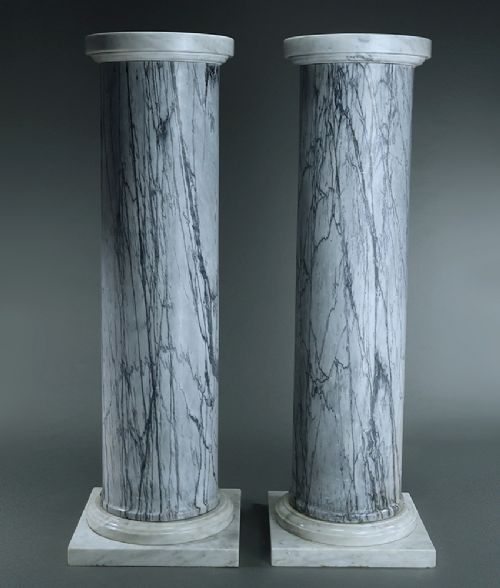
- A bluish-grey Italian marble characterised by dark, cloudy veins and irregular streaks. It is frequently employed in Neoclassical decorative arts and architectural columns.
- Socle
- A short plain plinth or pedestal supporting a column, statue, or vase. It provides a stable footing and visually grounds the architectural element.
- Verde Antico
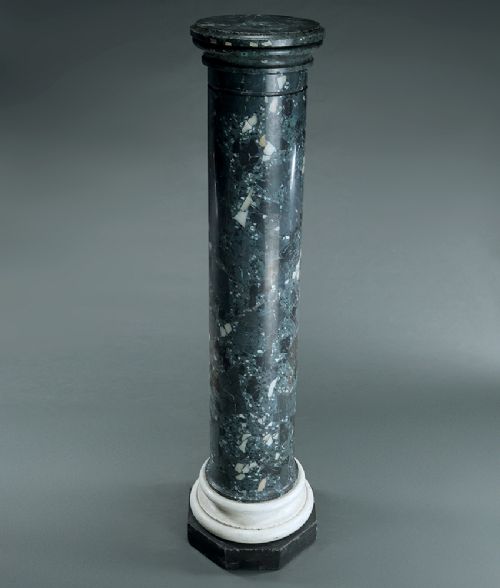
- A dark green serpentine marble flecked with white calcite veins, highly favoured in classical and revival architecture. The material was widely imitated using scagliola and painted wood.
- Corinthian
- The most ornate of the classical Greek architectural orders, distinguished by capitals decorated with acanthus leaves. This motif appears frequently on the metal and stone columns in this collection.
Antique Marble Pillar: Frequently Asked Questions
How do I use a marble pillar at home?
These columns function primarily as display stands for large decorative objects, urns, or heavy plant pots. Placing one in a corner or hallway adds architectural structure and height to an interior.
Pairing a sturdy column with sculpture creates a traditional focal point inspired by grand tour interiors. Smaller versions operate effectively as table lamps or tabletop obelisks.
What is the difference between solid marble and scagliola?
Solid marble pillars are carved directly from quarried stone blocks, showing natural veining and heavy mass throughout. Scagliola is an artisanal composite mixture applied over a core to simulate the appearance of precious marbles.
Scagliola allowed makers to achieve elaborate decorative effects at a lighter weight and lesser cost than solid stone. Examining the underside or weight usually reveals whether a piece is natural stone or a composite.
How do I date an antique pillar?
Dating relies on stylistic clues from the revival periods, such as Neoclassical or Egyptian Revival motifs popular in the nineteenth and early twentieth centuries. Construction methods, wear patterns on the base, and the type of fixings also indicate the period.
Nineteenth-century examples often display hand-carved stone details, while early twentieth-century pieces might incorporate machine-turned elements or different mounting techniques.
Are these pillars strong enough to hold heavy items?
Most stone and scagliola columns are engineered to support considerable weight, including heavy bronze figures or large urns. However, wooden display columns or hollow decorative items have lower weight capacities.
Checking the internal structure and the base stability helps determine whether a specific pillar suits heavy display items.
What maintenance do antique marble columns require?
Dusting with a soft, dry cloth prevents the accumulation of dirt in carved flutes and decorative capitals. Avoid harsh chemical cleaners or acidic substances that can etch polished marble or scagliola surfaces.
Waxing can protect painted wooden display columns, while natural stone benefits from occasional gentle wiping with a damp cloth.