




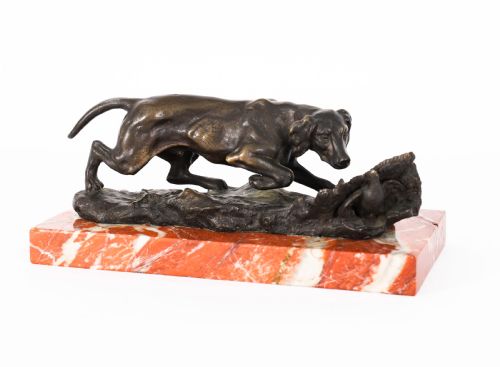
Antique Marble Plinth
These antique marble plinth examples elevate sculpture, clocks, and bronzes with classic stone forms that suit formal rooms.
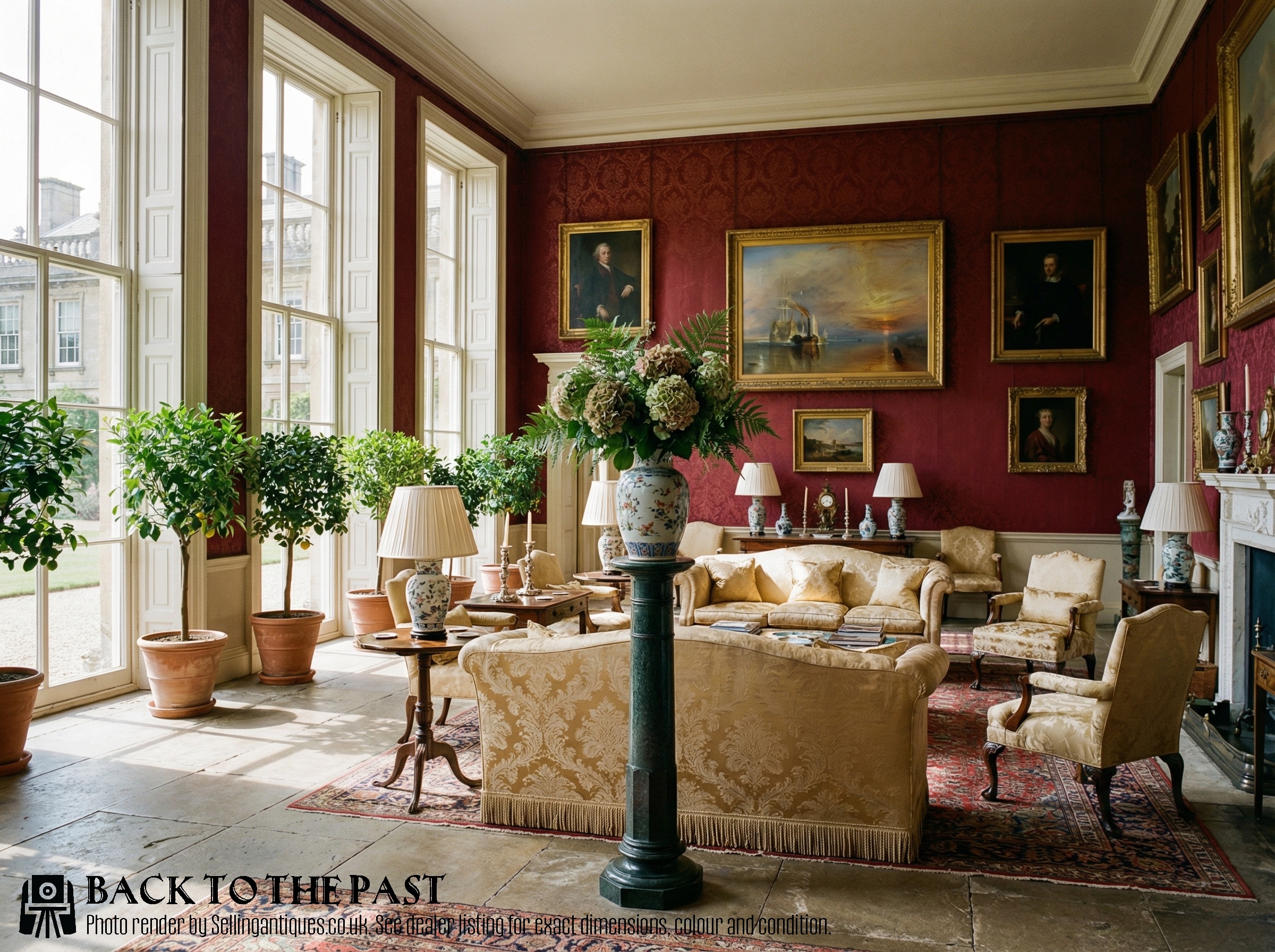
Antique Marble Plinth
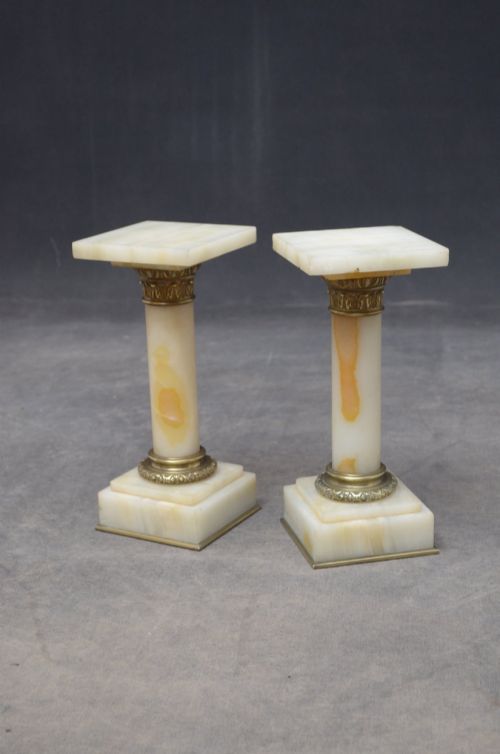
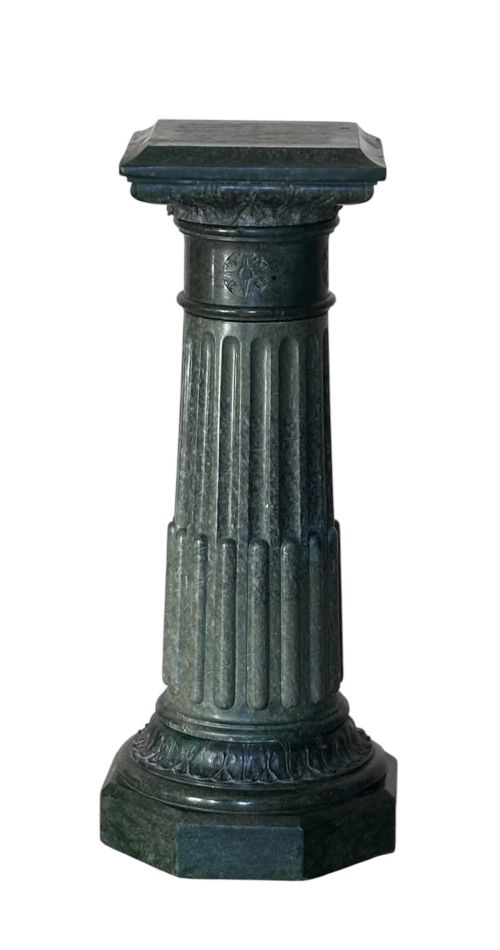
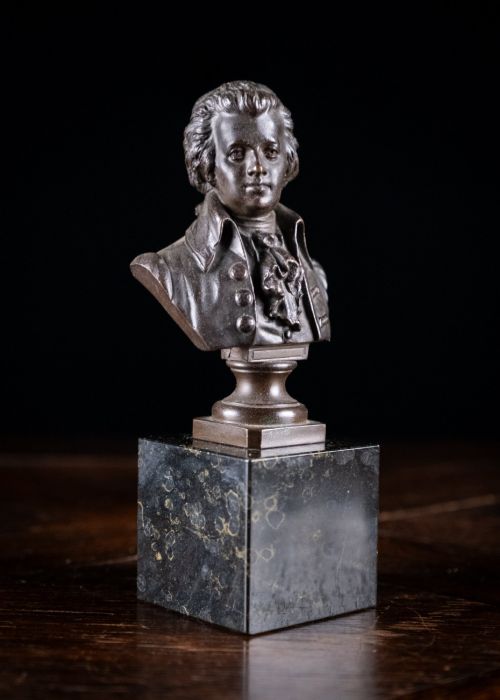
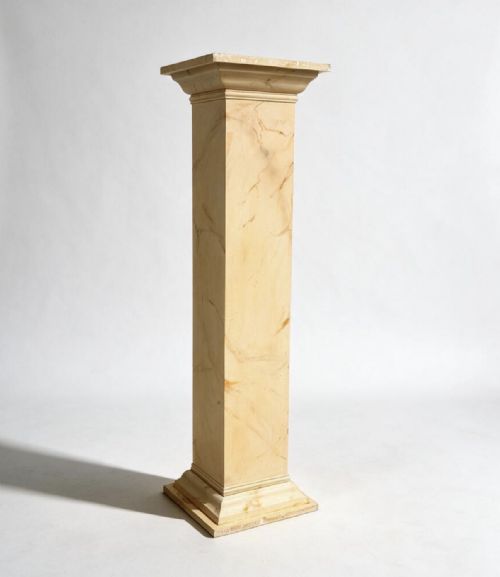
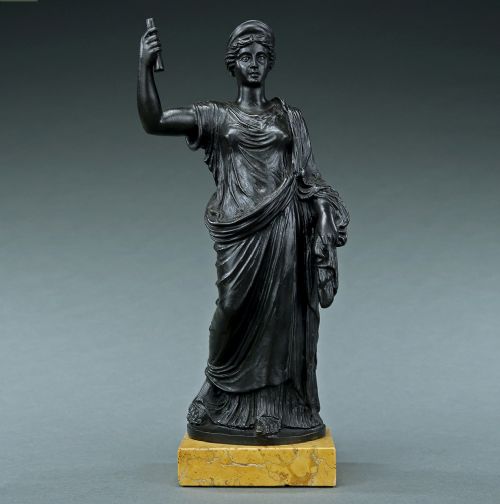
An antique marble plinth serves as a structural support or display column for busts, urns, and sculptures. These sturdy objects lift art to eye level, creating a focal point in a room.
The selections here span pedestals, columns, and low stands in various heights. They originate from the nineteenth century, including pieces dated to eighteen fifty and nineteen twenty, along with Charles X and Victorian periods.
Makers designed these items in neoclassical, French chateau, and classical revival styles. Buyers encounter single columns as well as matched pairs intended for symmetrical display.
How they were made
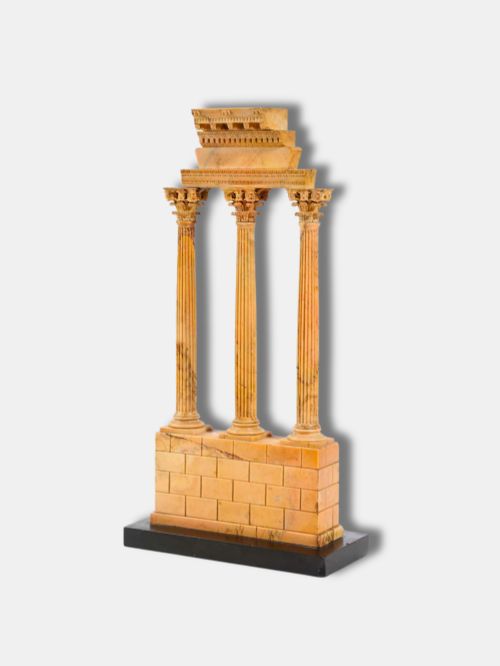
Masons shaped natural stone into cylindrical columns and square bases using stone-cutting and lathe-turning techniques. The evidence shows materials such as standard marble, arabescato marble, verde antico marble, onyx, and honey-coloured marble.
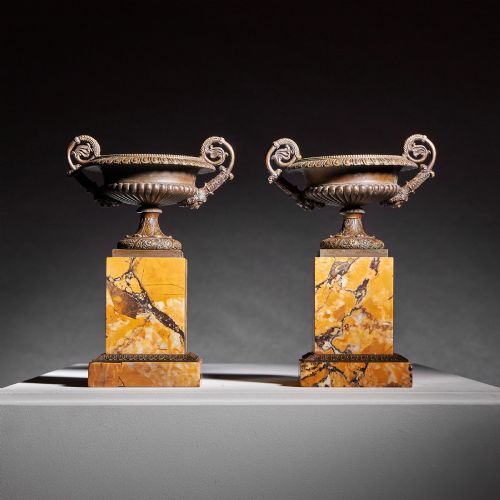
Artisans enhanced certain stone columns with cast or chased ormolu collars, bronze mounts, and brass step stands. Some wooden or non-stone alternatives in the record received original marbled paint finishes to imitate genuine stone.
Antique Marble Plinth Retail Price Guide 2026
Typical asking prices for marble plinth among the pieces listed under this phrase on Sellingantiques today, from the lower quarter to the upper quarter. They describe what is for sale here now, not the wider market.
Listings feature nineteenth-century columns utilising verde antico, arabescato, and honey-coloured marble alongside ormolu and bronze mounts.
What varies in quality
Superior examples derive their distinction from the choice of exotic mineral varieties and stone figuration, such as distinctive green verde antico or patterned arabescato. The presence of hand-chased ormolu mounts and bronze collars separates standard utilitarian supports from decorative showpieces.
Proportion and turning skill dictate the elegance of a column, while matched pairs require exact symmetry in height and stone grain. Historical association with specific design movements like the Charles X period or neoclassical style also elevates an object's decorative standing.
The Antique Marble Plinth Glossary
- Ormolu
- Gilded bronze mounts applied to furniture and stone supports. This technique adds metallic contrast to natural stone columns.
- Verde Antico
- A dark green serpentine marble often used in classical architecture and decorative columns. Its rich coloration marked grand nineteenth-century interiors.
- Arabescato Marble
- A white Italian marble characterised by dark grey veining. This distinctive patterning creates dramatic visual movement across a column shaft.
- Pedestal
- An upright architectural support designed to elevate an urn, bust, or sculpture. These forms range from slender columns to wide blocks.
- Tazza
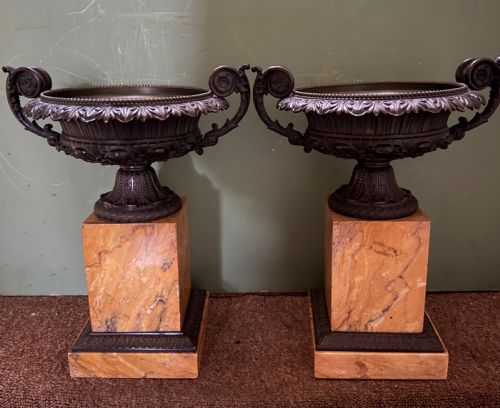
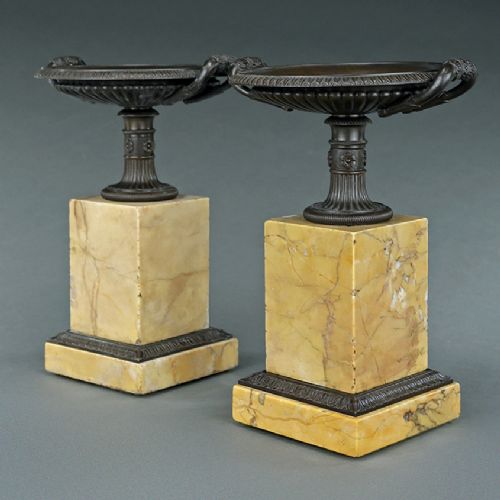
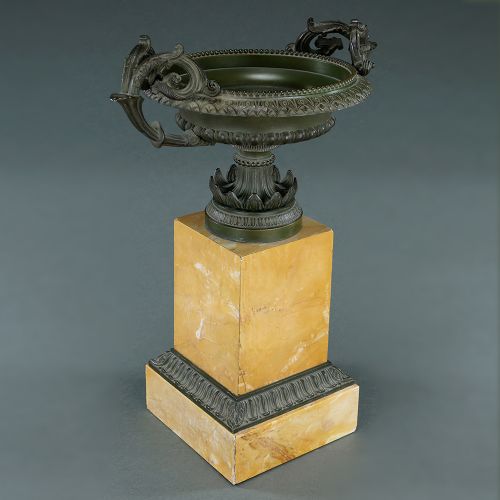
- A shallow cup or basin mounted on a stem and foot. Bronze tazzas frequently sit atop stone plinths for display.
Antique Marble Plinth: Frequently Asked Questions
What holds an antique marble plinth?
These stone supports hold heavy decorative objects including bronze sculptures, marble busts, urns, and clocks.
They provide a stable, elevated platform that protects tabletop surfaces and showcases the mounted artwork.
How do I date an antique marble plinth?
Dating relies on stylistic clues, mounting materials, and recorded period markers such as neoclassical design traits or nineteenth-century manufacturing methods.
Pinned dates on historical pieces help collectors cross-reference similar columns and pedestals in the archive.
Where should I place a column plinth?
Column plinths work best in corners, hallways, or flanking doorways where they support standalone sculptures or decorative urns.
Matched pairs suit symmetrical arrangements on either side of a fireplace or mantelpiece.
What is the difference between a plinth and a pedestal?
A plinth is typically a low, square base supporting a statue, whereas a pedestal is a taller column designed to elevate an object to eye level.
Listings often use these terms interchangeably for nineteenth-century stone display furniture.