


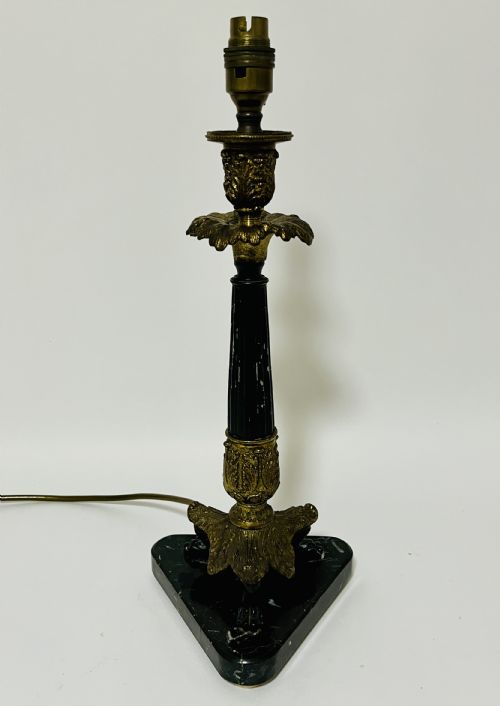
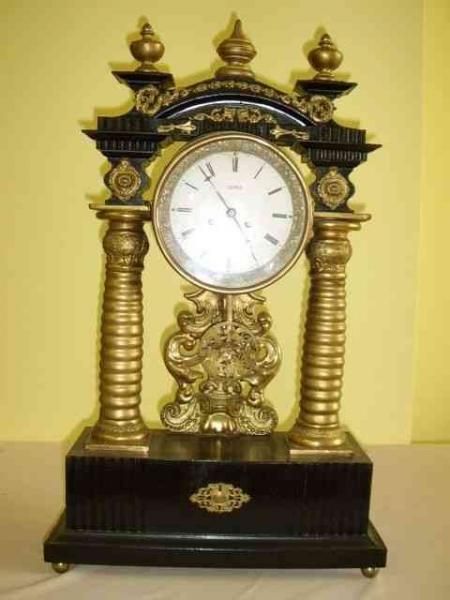
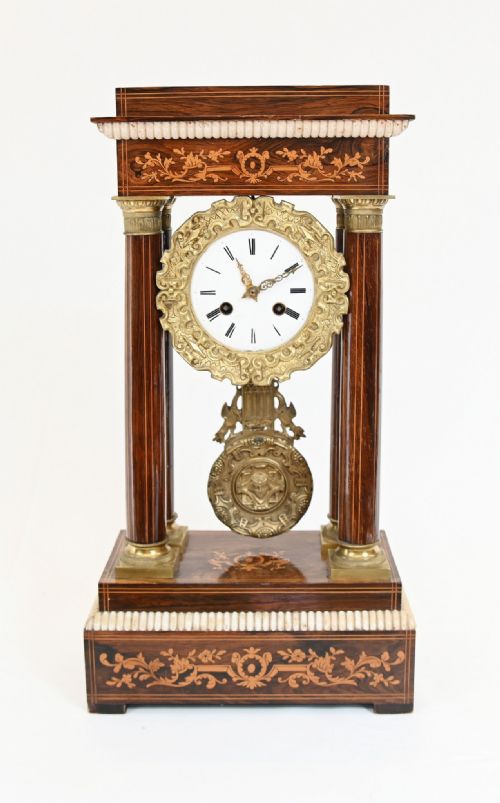
Gilt Bronze Column
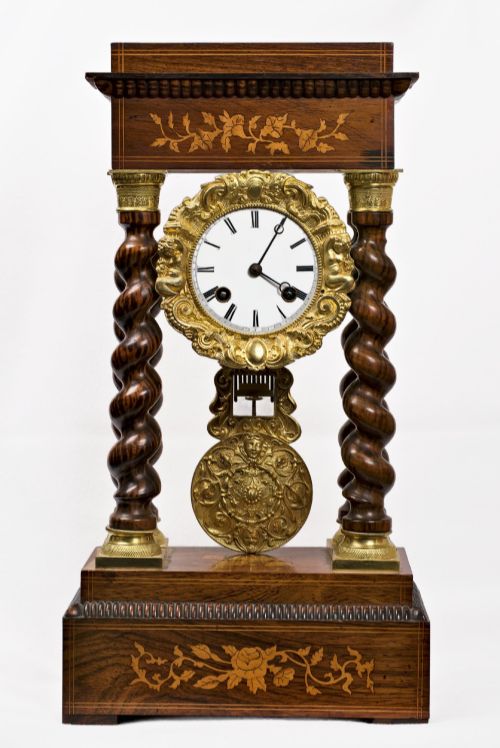
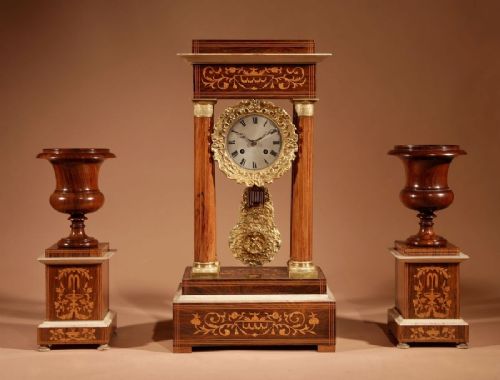
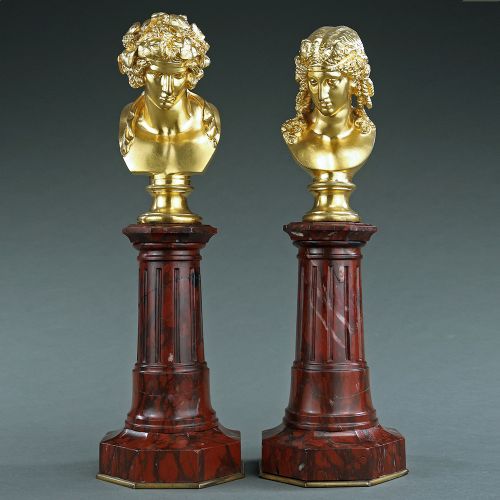
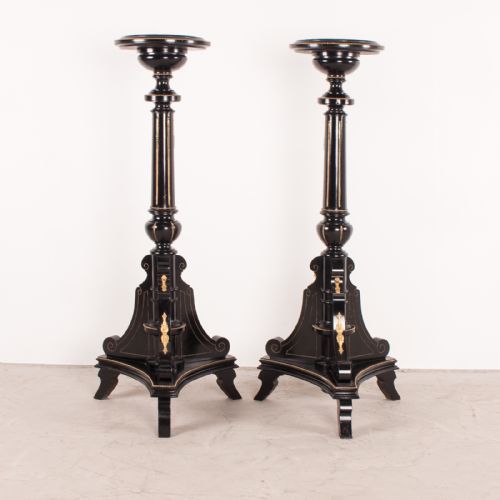
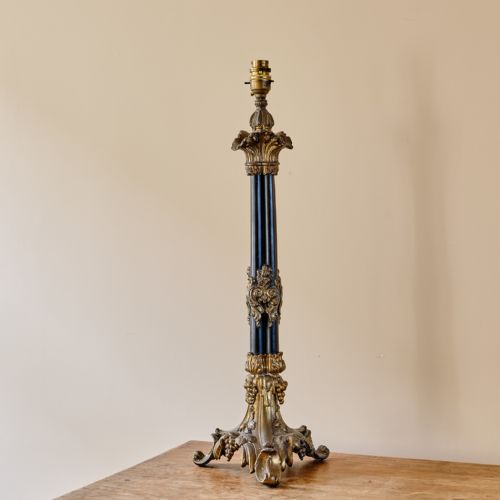
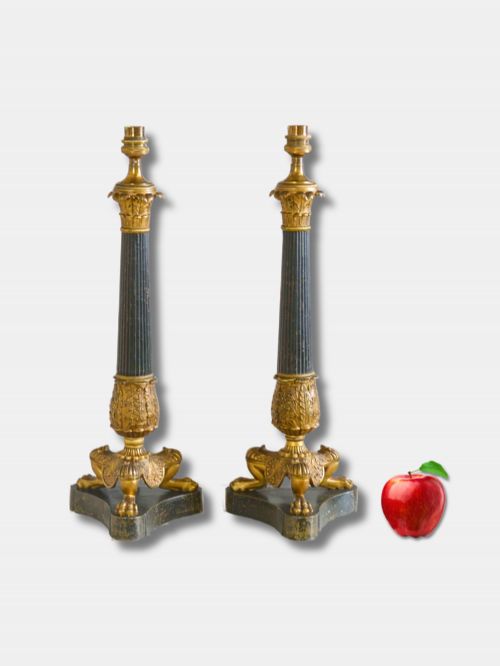
These gilt bronze column pieces combine architectural strength with rich metallic lustre, offering a classic display for busts, urns and small sculptures.
Gilt Bronze Column
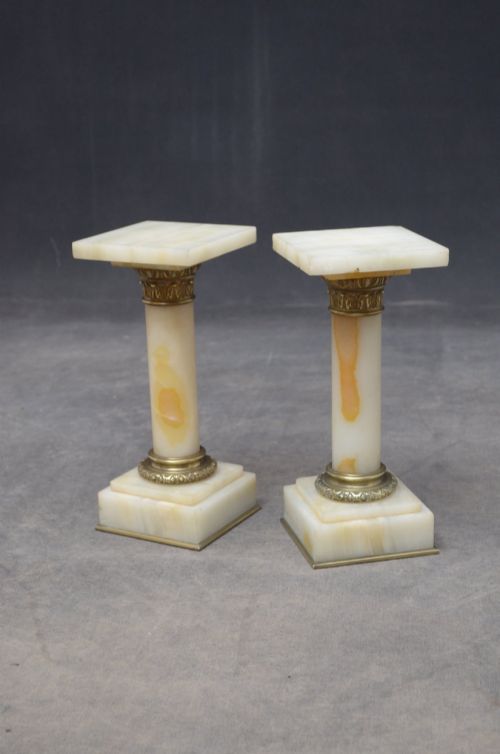
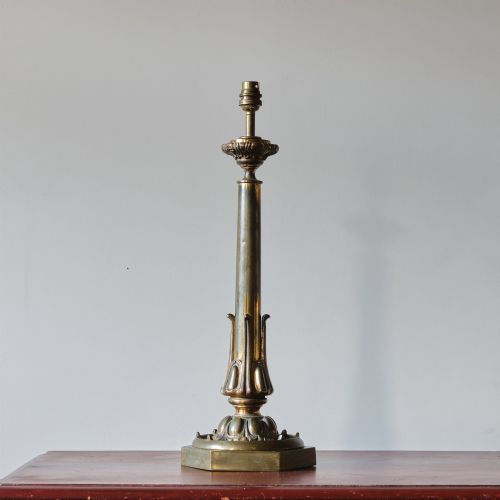
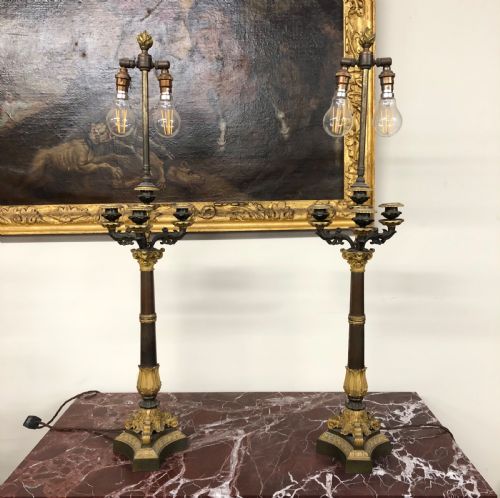
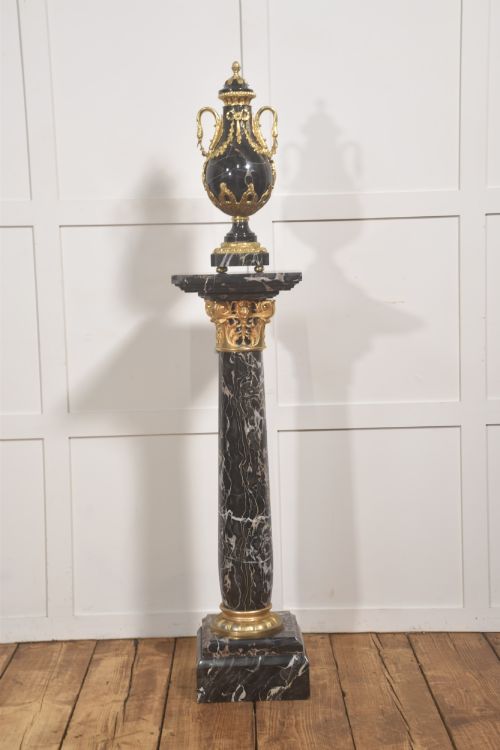
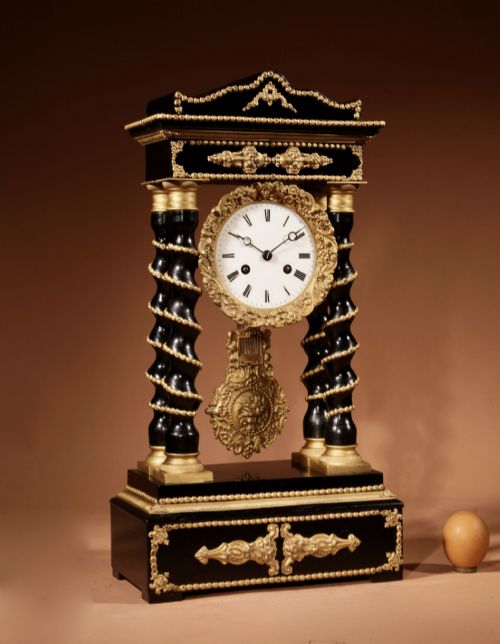
When searching for a gilt bronze column, you encounter architectural display stands and decorative architectural models ranging from the nineteenth century. The larger examples serve as pedestals and plinths designed to elevate sculpture, while smaller items comprise Grand Tour architectural souvenirs.
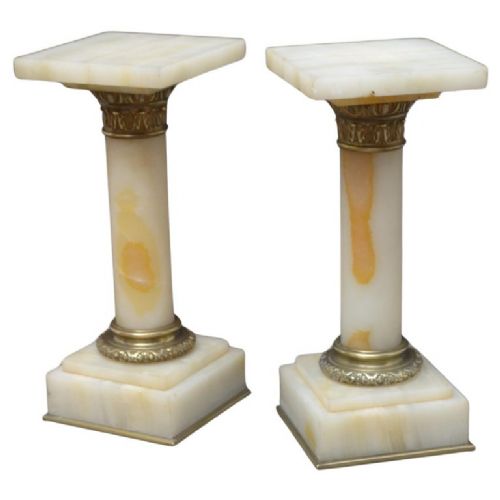
The architectural pedestals combine substantial stone shafts with cast metal mounts, appearing in styles such as Neoclassical, French Empire and Louis XVI. Smaller decorative models faithfully replicate famous French monuments in solid cast metal.
You are most likely to meet nineteenth-century French pedestals featuring rotating tops or brass and ormolu collars, alongside Grand Tour columns depicting the Vendôme monument. These pieces bring formal architectural presence into an interior space.
How they were made
Makers constructed the larger column shafts from turned and polished hardstones including marble and onyx, sometimes combining them with exotic timbers like kingwood. Metal components such as collars, bases and mounts were cast in bronze, brass or ormolu and then fire-gilt to achieve a bright metallic finish.
Smaller architectural models were cast entirely in bronze and gilt bronze, utilising detailed chasing to define the spiralling bas-relief narrative bands characteristic of monumental columns. Artisans then assembled these metal and stone elements with threaded internal rods or secure mechanical fittings.
Gilt Bronze Column Retail Price Guide 2026
Typical asking prices for gilt bronze column among the pieces listed under this phrase on Sellingantiques today, from the lower quarter to the upper quarter. They describe what is for sale here now, not the wider market.
What varies in quality
The refinement of the cast metal mounts and the depth of the mercury gilding determine the distinction between standard production and exceptional work. Superior pieces display crisp chiselling on the ormolu collars and capitals, whereas lesser examples show softer surface detail.
The choice and preparation of the stone shaft also set tiers of craftsmanship apart, with flawless turning of dense marble or rich onyx representing higher expenditure than simpler assemblies. Additionally, integrated mechanical functions like smooth rotating platforms indicate superior workshop standards.
The Gilt Bronze Column Glossary
- Ormolu
- Gilded bronze produced by applying a mercury and gold amalgam to a bronze base and heating it. This technique creates a durable, bright golden surface found on mounts and collars.
- Grand Tour
- A nineteenth-century tradition where travellers collected souvenir models of famous European monuments. These miniature bronze columns commemorated visits to specific historical sites.
- Neoclassical
- A decorative style inspired by classical Greece and Rome that emphasises symmetry and architectural orders. Columns from this movement feature clean lines and classical ornamentation.
- Fluted
- Carved with parallel vertical grooves running along the shaft of a column. This decorative treatment enhances the verticality and classical appearance of the piece.
Gilt Bronze Column: Frequently Asked Questions
How do I use a pedestal?
These columns function primarily as sturdy display stands for heavy decorative items such as marble busts, bronze figures and ceramic urns. Placing them in a hallway or corner draws the eye upward and adds vertical proportion to a room.
Ensure the weight of your display object distributes evenly across the top surface. Rotating models allow you to adjust the viewing angle of a sculpture without lifting the piece.
What is a Grand Tour column?
Grand Tour columns are miniature metal models of famous historical monuments collected by nineteenth-century travellers in Europe. They capture specific architectural landmarks like the Vendôme column in precise metallic detail.
These smaller pieces sit easily on mantelpieces, desks or cabinets as decorative objects rather than furniture. They reflect the classical education and travel history of their original owners.
How do I clean gilt bronze?
Dust the surface regularly with a soft, dry brush to prevent dirt accumulation within the recessed chased details. Avoid harsh chemical polishes that can strip the delicate gold layer from the bronze.
Gentle wiping with a microfiber cloth preserves the historical sheen of the metal. For stone sections, use a damp cloth suited to marble or onyx maintenance.
How are different periods identified?
Nineteenth-century pieces often display specific casting methods, heavier gauge metals and hand-chased surface details that later reproductions lack. Stylistic markers like Louis XVI motifs or Grand Tour subjects help anchor the date of manufacture.
Examining the underside, mounting screws and joinery of the stone and metal provides further clues to the age. Material choices such as specific varieties of French onyx also point toward nineteenth-century workshop practices.