





Victorian Marble Column
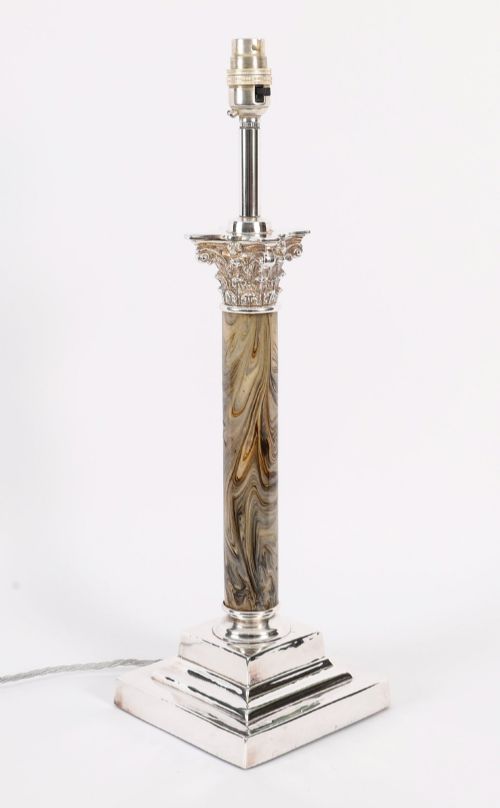
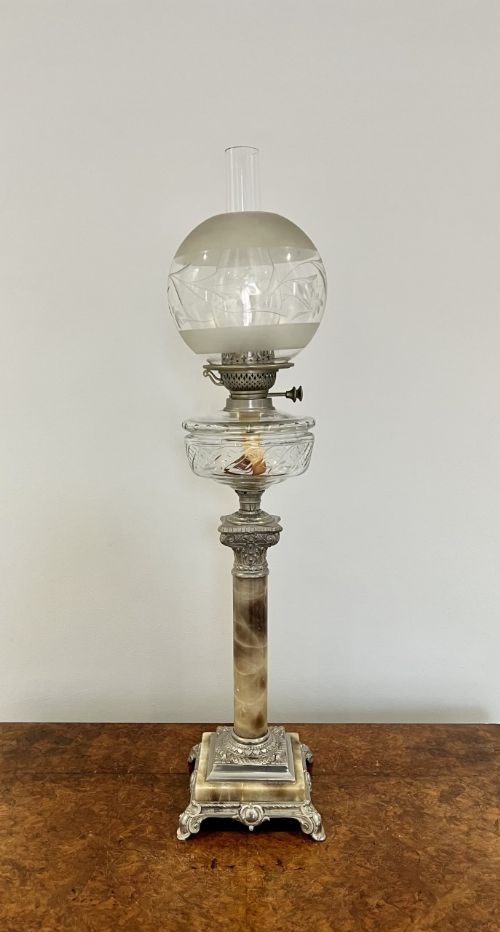
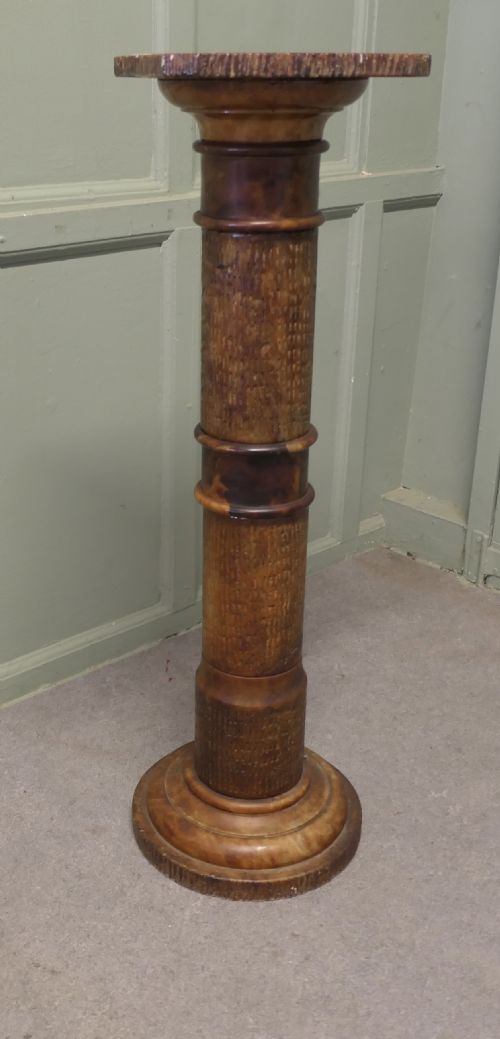
A victorian marble column brings solid architectural presence and rich natural veining to a room.
Victorian Marble Column
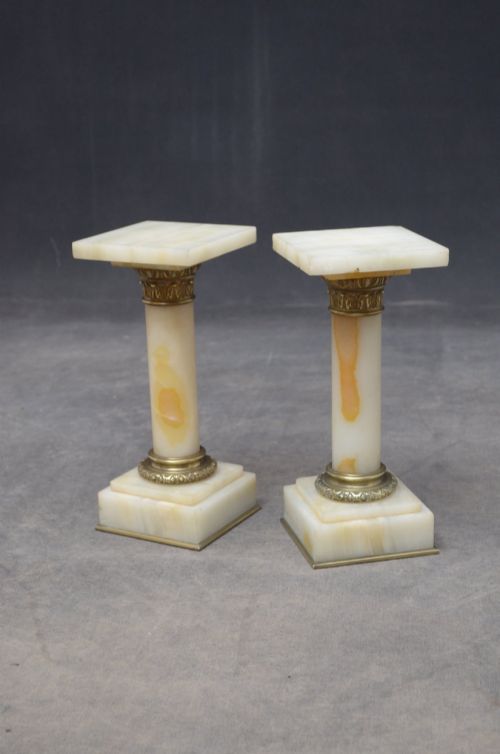
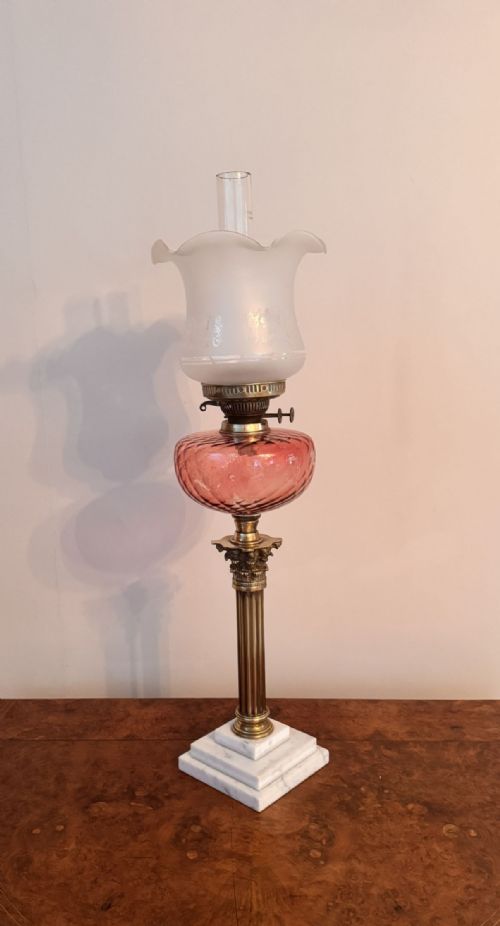
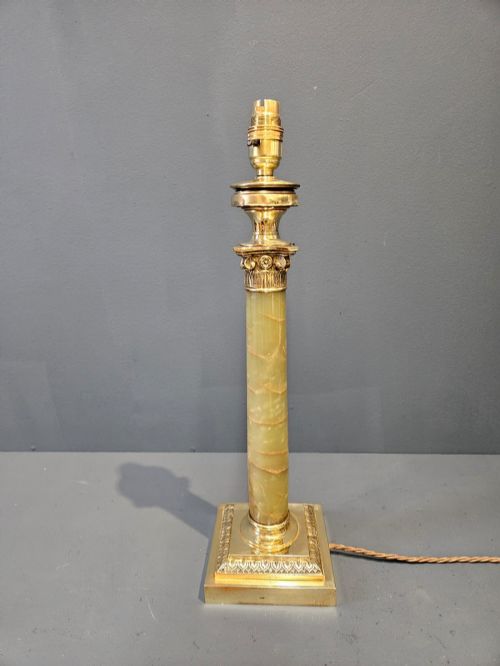
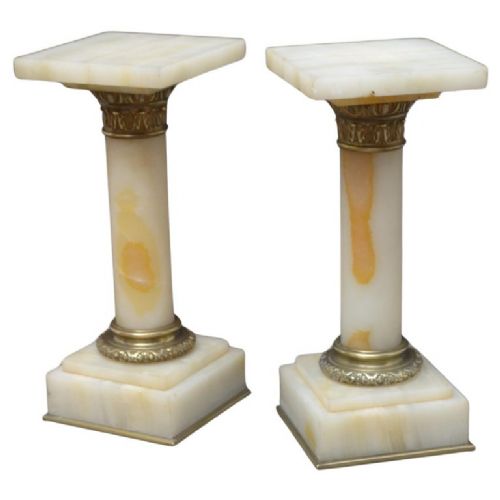
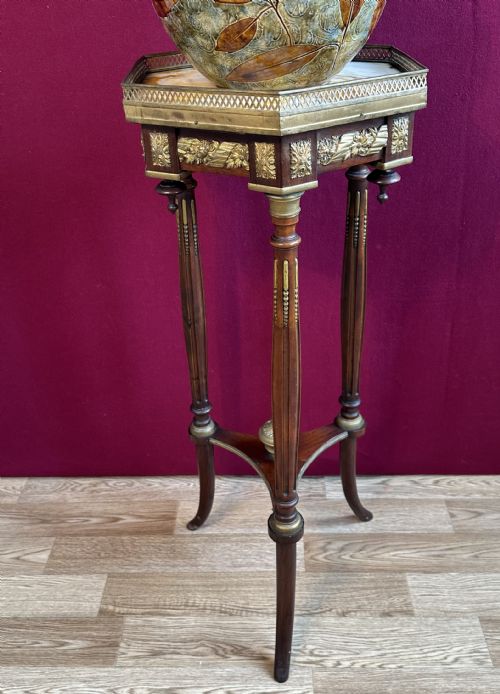
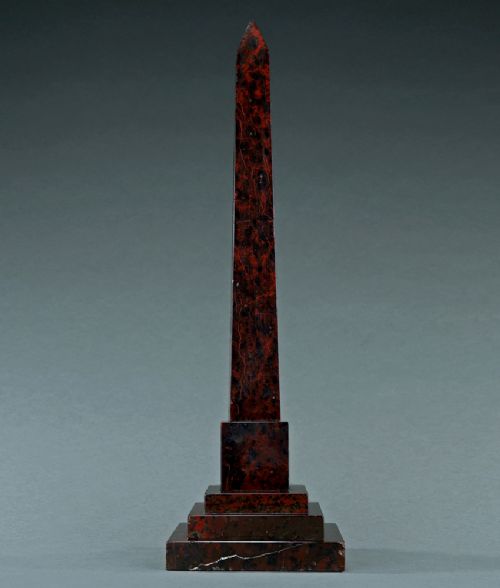
When you search for a victorian marble column, you encounter architectural supports, display pedestals, and torchere stands from the nineteenth century. These objects function primarily to elevate lamps, clocks, busts, and plants within a classical interior.
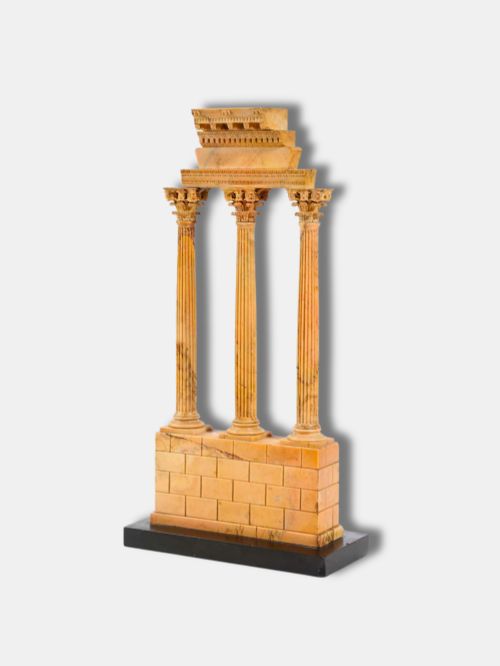
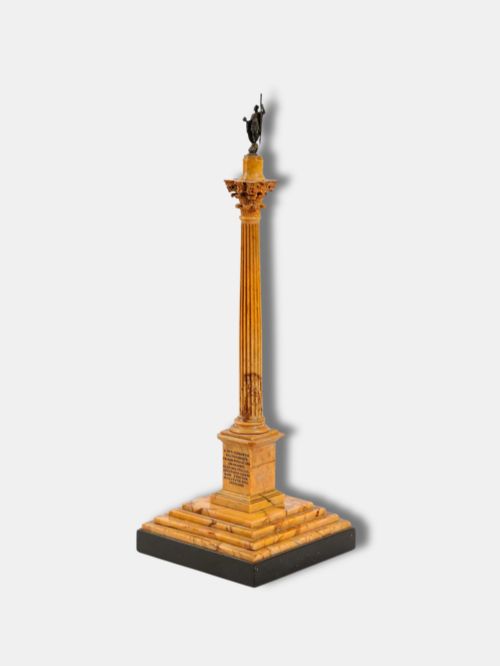
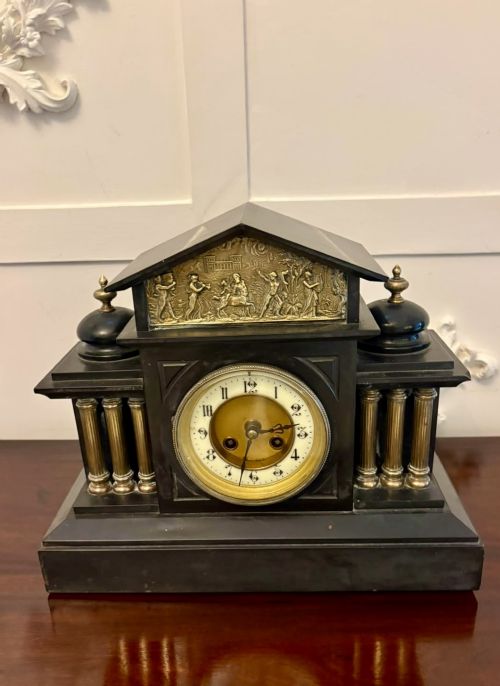
The selections on this page span substantial freestanding floor columns, slender plant stands, and decorative architectural mantel clock cases. Origins include English, French, and Italian workshops spanning the Victorian era and adjacent decades.
Makers integrated various stones and faux finishes to achieve monumental effects on domestic scales. The forms range from plain cylindrical shafts to fluted designs outfitted with brass capitals and plinth bases.
How they were made
Constructing these supports involved turning heavy stone on lathes or building robust wooden carcases finished with faux marble paint and scagliola. Artisans combined solid blocks of verde antico, onyx, and alabaster with supporting internal structures.
Metal components such as ormolu collars, brass capitals, and gilt bronze mounts were cast and chased to accent the stone shafts. Joinery on wooden elements utilised traditional mahogany, satinwood, and pine framework.
Victorian Marble Column Retail Price Guide 2026
Typical asking prices for victorian marble column among the pieces listed under this phrase on Sellingantiques today, from the lower quarter to the upper quarter. They describe what is for sale here now, not the wider market.
Listings feature materials including onyx, brass, mahogany, slate, and multiple varieties of marble.
What varies in quality
The distinction between ordinary and superior pieces rests on the choice of stone and the precision of the turnery. Richly figured green marble, genuine onyx, and finely carved alabaster represent the higher tiers of production.
Finishing details such as finely cast ormolu collars, crisp brass Corinthian capitals, and carefully executed scagliola determine the overall refinement of an architectural column.
Philippes Paris·Baby and Jannings·Eduardo Giolli
The Victorian Marble Column Glossary
- Scagliola
- A composite material made from selenite, glue, and pigments, mimicking natural stone. Artisans polished this mixture to resemble genuine marble on columns and architectural details.
- Ormolu
- Gilded bronze applied as mounts and decorative collars on furniture and columns. This technique provides metallic contrast against dark stone surfaces.
- Verde Antico
- A dark green serpentine breccia marble prized for its mottled appearance. Italian and French pieces frequently utilised this striking stone.
- Torchere
- A tall stand designed to hold a light or a decorative object. These slender columns elevate plants or lamps above floor level.
Victorian Marble Column: Frequently Asked Questions
How were marble columns used historically?
Nineteenth century interiors utilised these columns as pedestals for art, plant stands, or structural lamp bases.
They added classical dignity to hallways and formal reception rooms.
What is the difference between real and faux marble?
Real marble uses solid carved stone with natural veining and heavy weight.
Faux marble applies painted techniques or scagliola over wood or plaster bases to simulate stone.
How do I clean an antique stone column?
Dust surfaces gently with a soft dry cloth without applying harsh chemical solvents.
Moisture should be kept away from porous alabaster and painted faux finishes.
Can these columns support heavy items?
Solid stone and heavy wood core columns provide sturdy platforms for bronze clocks and large planters.
Slender or hollow painted stands require careful weight distribution.