


Antique Stone Pedestal
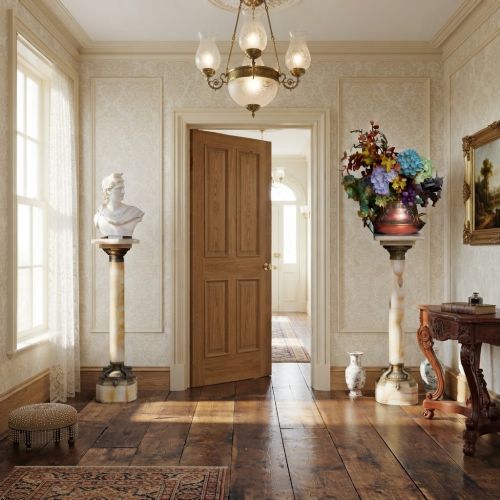
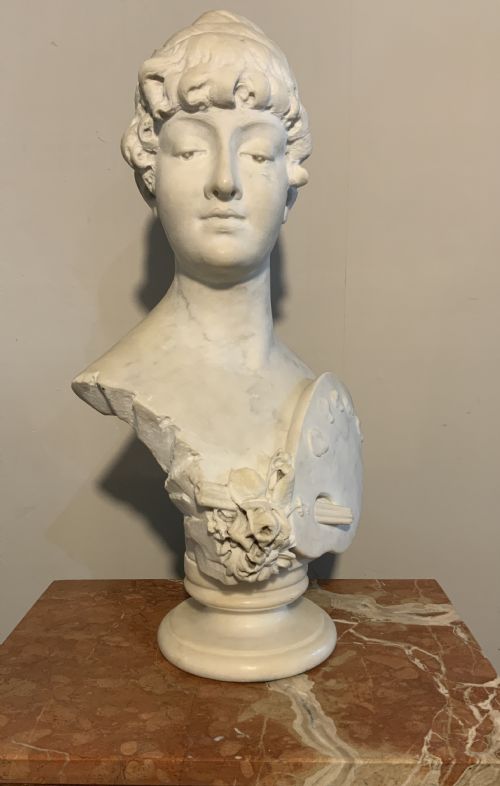
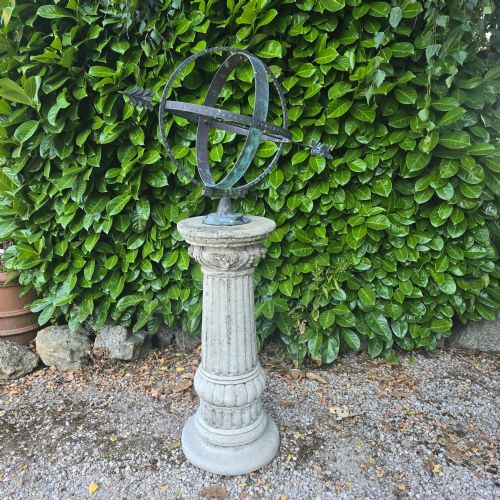
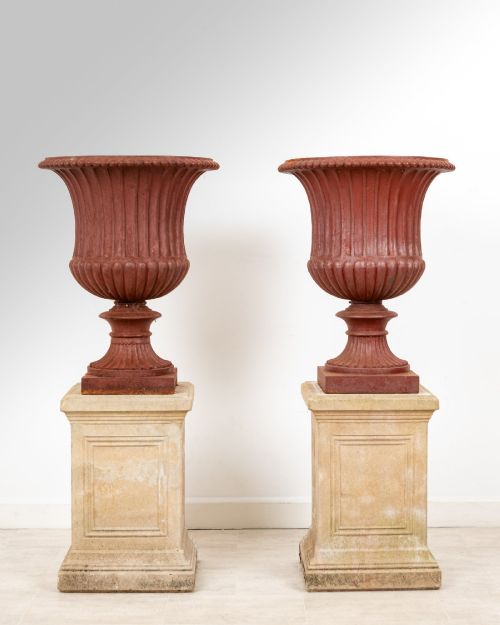
An antique stone pedestal elevates marble busts, garden urns and sundials with classical presence.
Antique Stone Pedestal
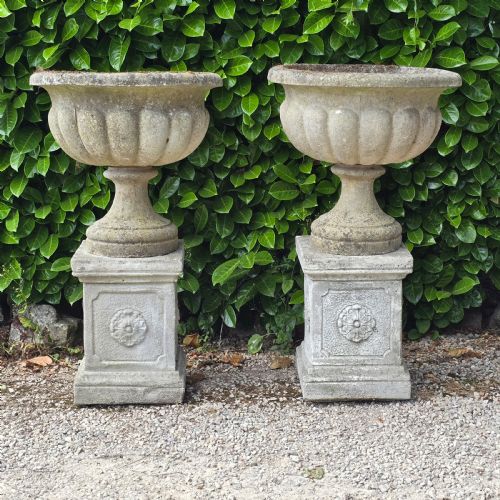
An antique stone pedestal supports sculptural works, garden ornaments and architectural vessels. These columns and plinths lift figures and urns into prominent sightlines.
The pieces appearing on this page span the nineteenth and early twentieth centuries, drawing on neoclassical, gothic and classical revival styles. Garden plinths, composite stone bases and marble columns populate the selection.
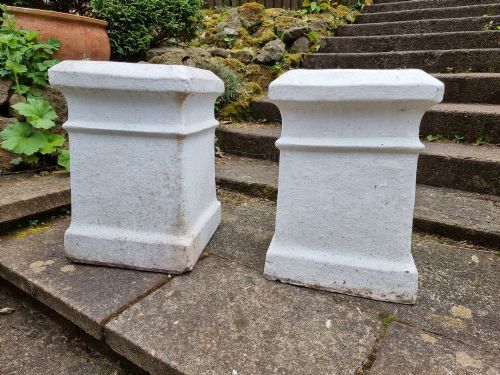
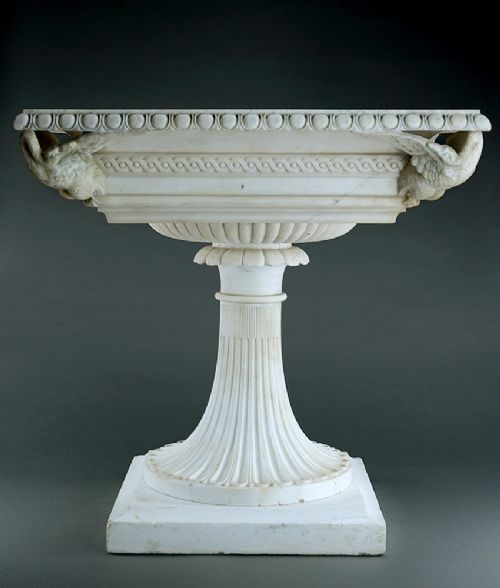
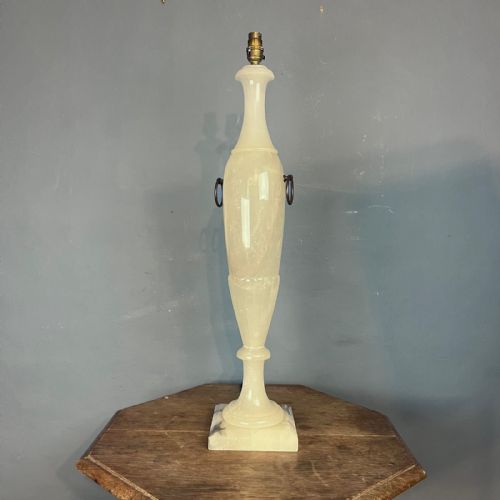
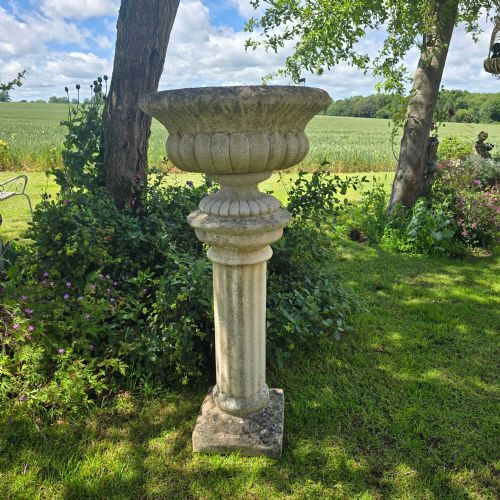
Buyers encounter indoor statuary pedestals alongside robust outdoor garden pieces. Materials range from weathered cast stone to fine white marble and alabaster.
How they were made
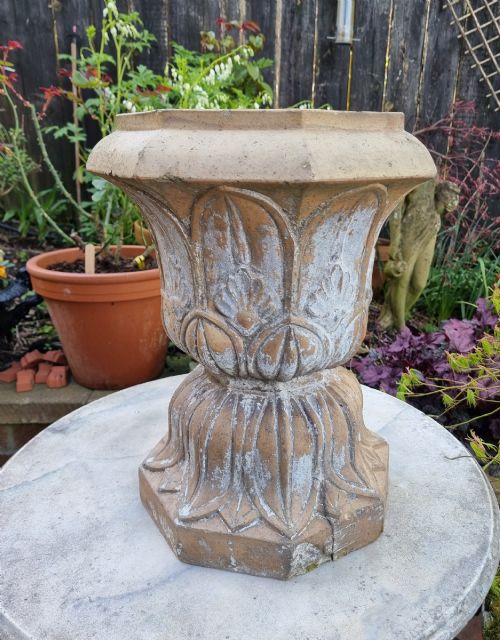
Masons shaped natural materials like limestone, sandstone and marble using traditional chisels and carving tools. Sculptors turned columns and carved acanthus leaf details by hand.
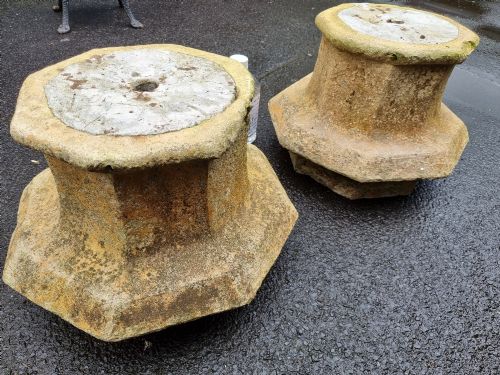
Nineteenth and twentieth-century makers utilised cast stone and reconstituted stone for durable garden plinths and birdbath bases. Workers poured aggregate mixtures into moulds to replicate carved stone forms.
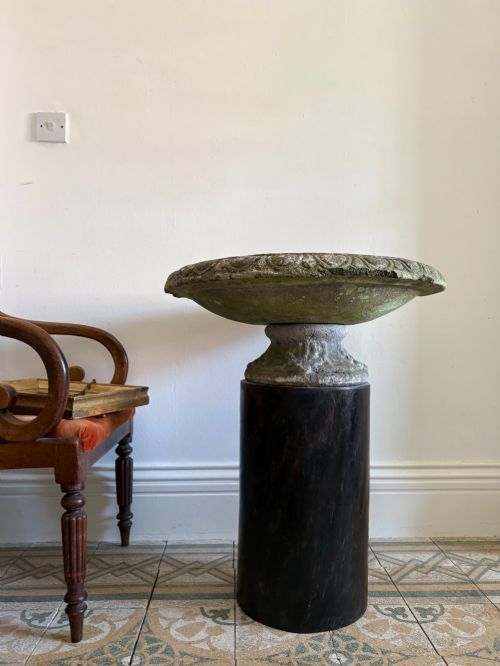
Some indoor examples combine carved marble shafts with ormolu collars, bronze mounts or black marble block bases. Different material combinations define whether a pedestal belongs inside a library or outdoors in a garden.
What varies in quality
Carving depth and sharpness of detail distinguish superior architectural columns from simpler utilitarian supports. Crisp acanthus leaves and well-defined fluting indicate skilled stonemasonry.
The choice of raw material dictates the character of the piece, from finely figured Italian marble to dense weathered sandstone. Uniformity in the stone grain and harmonious proportions separate standard utility stands from exhibition pieces.
John Wenlock Rollins·Andrew Handyside·Johnstone Jupe And Co·Boschetti
The Antique Stone Pedestal Glossary
- Campana urn
- A bell-shaped garden vessel often mounted upon a stone pedestal. These classical forms originated in ancient Rome.
- Plinth
- A heavy base supporting a statue, vase or column. It provides stability and visual weight to elevated objects.
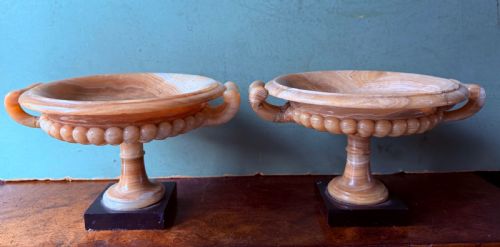
- Tazza
- A shallow saucer-like cup or ornament raised on a stem and foot. They frequently appear carved from marble or alabaster on small bases.
- Neoclassical
- A style reviving classical Roman and Greek architectural motifs. Pedestals in this taste often display columns, swags and clean geometric lines.
- Grand Tour
- Souvenirs collected by affluent travellers in Europe during the eighteenth and nineteenth centuries. These smaller marble and alabaster works emulate ancient antiquities.
Antique Stone Pedestal: Frequently Asked Questions
Where should I place a stone pedestal?
Sturdy cast stone and sandstone pedestals suit garden lawns, terraces and courtyards. Weathered pieces integrate naturally into outdoor planting schemes.
Indoor marble and alabaster columns require stable interior environments away from moisture. They serve as stands for library busts, bronzes and decorative vases.
How do I clean weathered stone?
Gentle brushing with water removes loose dirt and organic growth from outdoor stone surfaces. Avoid harsh chemical cleaners that strip natural patination.
Interior marble requires soft cloths and mild soap solutions to preserve the polished surface. Excessive scrubbing damages historic finishes.
Can pedestals support heavy items?
Solid marble and cast stone columns bear substantial weight when placed on level ground. Large garden urns and bronze sculptures sit securely on wide plinths.
Check the top surface area and weight distribution before mounting top-heavy objects. Balance remains essential for tall or narrow columns.
What styles are common?
Neoclassical and classical revival designs dominate nineteenth-century architectural supports. These draw on ancient Greek and Roman column orders.
Gothic revival pieces introduce pointed arches and medieval motifs. English country garden plinths often show simpler moulded profiles.