

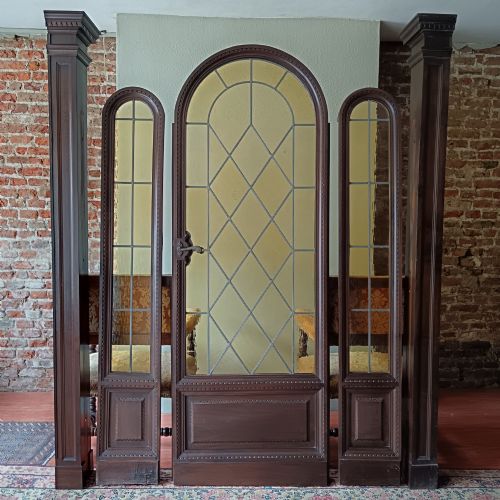
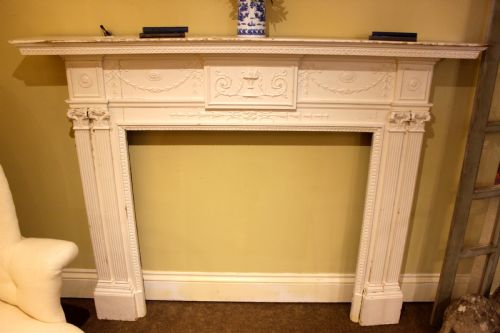
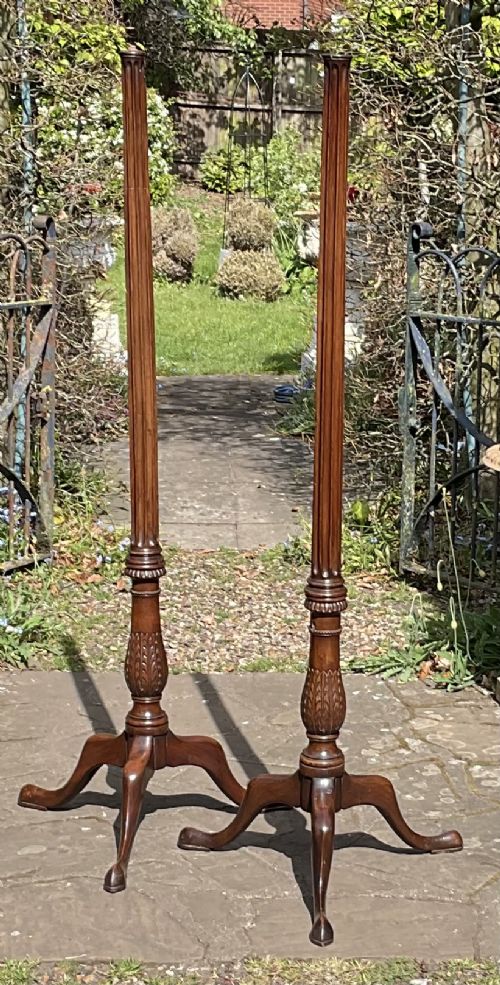
Fluted Wooden Column
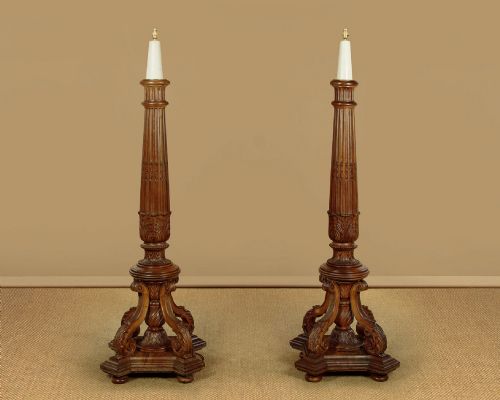
A fluted wooden column brings classical architectural presence into a room, offering height and structural rhythm that draws the eye upward.
How they were made
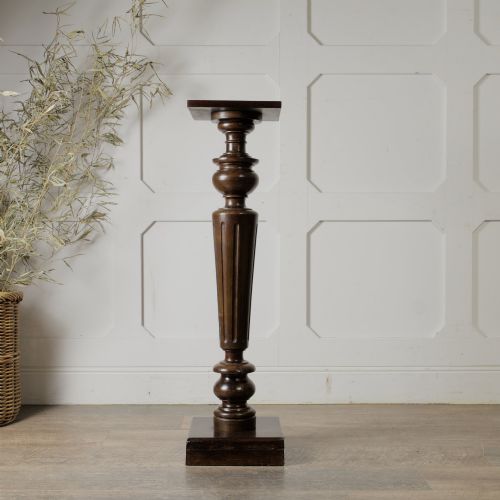
Woodworking techniques rely on the careful turning of solid timber or the assembly of pine and mahogany sections to form the upright shaft. Craftsmen cut parallel vertical grooves, known as flutes, into the wood using specialised chisels or lathes to achieve uniform depth and precision.
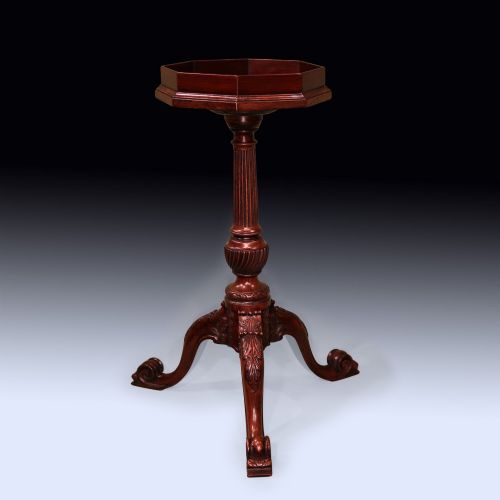
Finishes range from plain polished mahogany and dark walnut to white painted pine, giltwood, and simulated marble effects. Structural elements often incorporate brass fittings, Corinthian capitals, or tripod bases for stability.
What varies in quality
The distinction between standard examples and the top of the range lies in the crispness of the carved fluting and the quality of the timber selected. Fine-grained mahogany or walnut exhibits tight, consistent growth rings that hold sharp architectural lines.
Proportion and decorative detail further define the standard of a column. Pieces bearing finely carved capitals, solid timber construction, and harmonious scaling demonstrate superior craftsmanship compared to simpler utility items.
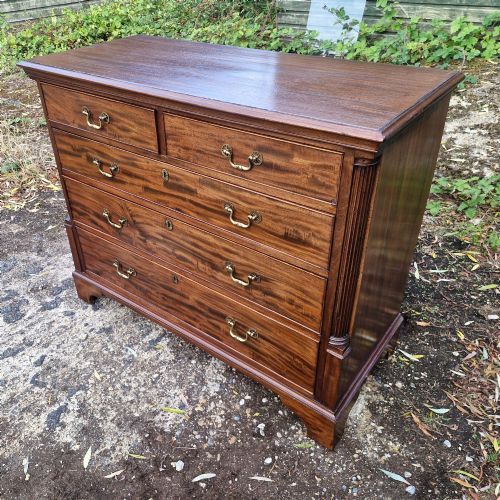
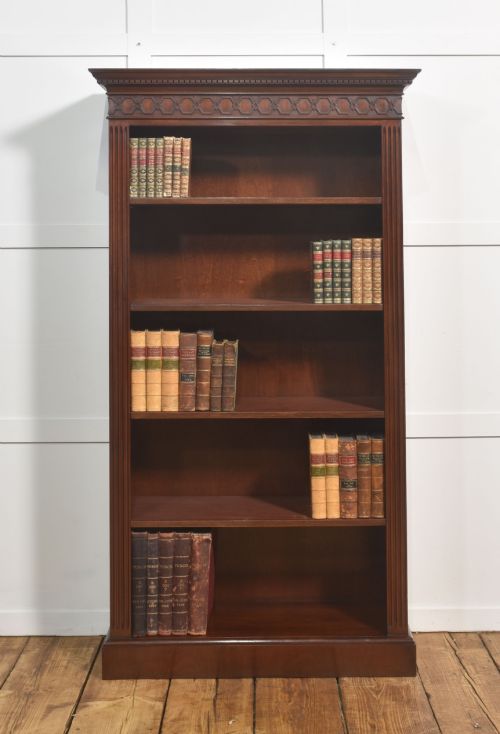
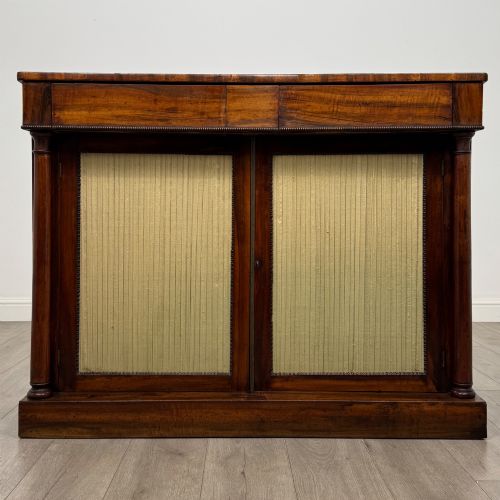
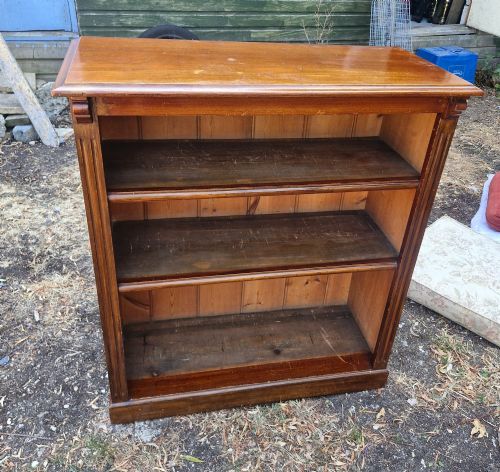
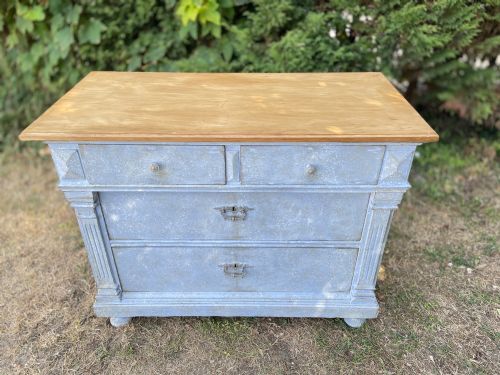
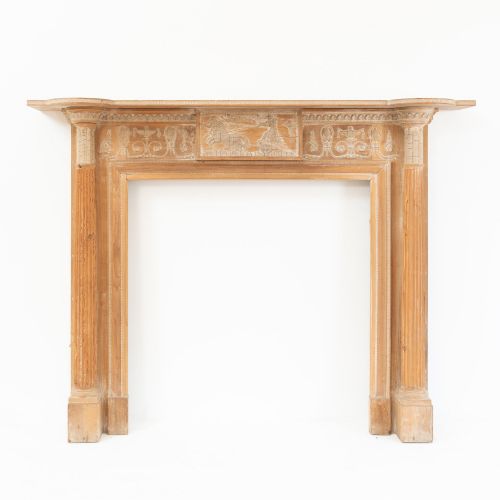
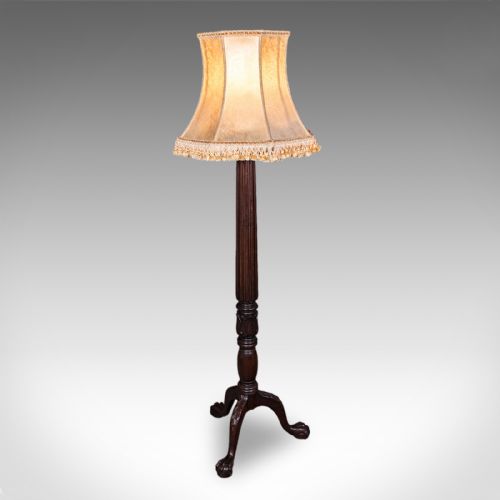
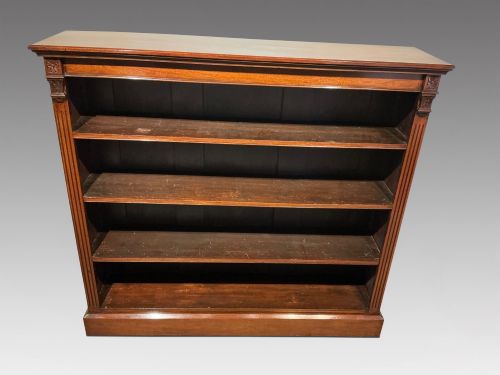
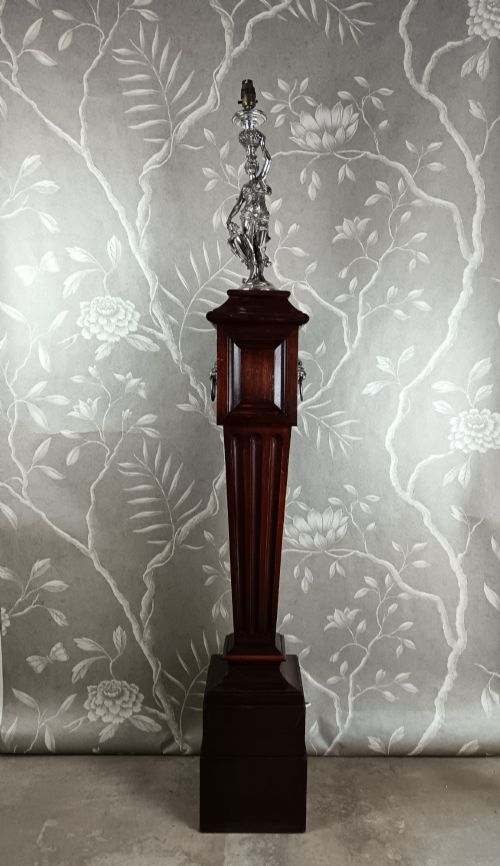
Object forms span chests of drawers, bookcases, floor lamps, and architectural doorway surrounds.
WMF
The Fluted Wooden Column Glossary
- Fluting
- Shallow, concave grooves running vertically along the shaft of a column. This decorative technique creates vertical lines that accentuate height.
- Torchere
- A tall stand or floor lamp designed to hold a light source or display an object. These often feature slender fluted wooden columns.
- Corinthian
- An ornate classical architectural order characterised by capitals decorated with acanthus leaves. This style frequently tops decorative columns and stands.
- Capital
- The topmost member of a column, serving as a decorative transition between the shaft and the load it carries. These range from plain moulded designs to carved leaf motifs.
Fluted Wooden Column: Frequently Asked Questions
How were fluted wooden columns used?
These items served primarily as architectural supports, display stands for sculptures, or elevated torchere lamp bases within period interiors. They raised important objects to eye level and brought classical proportions into domestic rooms.
Over time, many were adapted to hold electrical standard lamps or act as plant stands. Their sturdy bases and vertical form made them practical for corners and hallways.
What woods were used for these columns?
Mahogany and walnut appear frequently in finer examples, valued for their rich grain and ability to hold crisp carved details. Pine also occurs widely, often painted, gilded, or finished to simulate marble.
Selection depended on the period and intended function, with hardwoods chosen for formal display furniture and softer timbers utilised for architectural salvage or painted surrounds.
How do I date a wooden column?
Dating relies on observing the timber species, the style of the capital, and the finishing techniques applied to the surface. Georgian and Regency pieces often show dense mahogany with restrained classical detailing, while Victorian and Edwardian examples introduce bolder carving or varied Revival styles.
Tool marks, construction methods, and signs of wear also help place a piece within the eighteenth, nineteenth, or early twentieth centuries.
Where should I place a column?
A column suits corners, entryways, or flanking a fireplace where vertical height balances low furniture. They function effectively as independent sculptural statements or as pedestals for urns, busts, and lamps.
Ensure the base rests on level flooring and that the weight of any displayed object matches the stability of the stand's footprint.