

Pair of Wooden Pedestals
A pair of wooden pedestals elevates a sculpture, bust or lamp, bringing height and balance to a room.
Pair of Wooden Pedestals
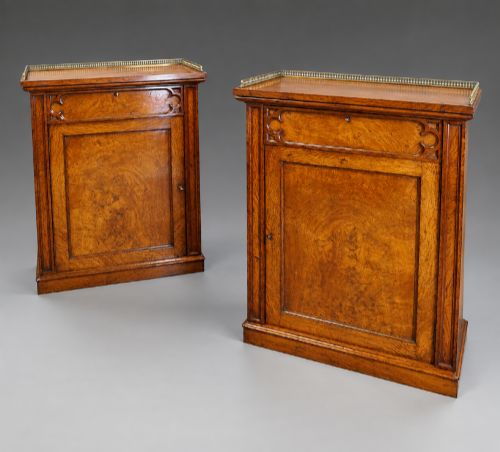
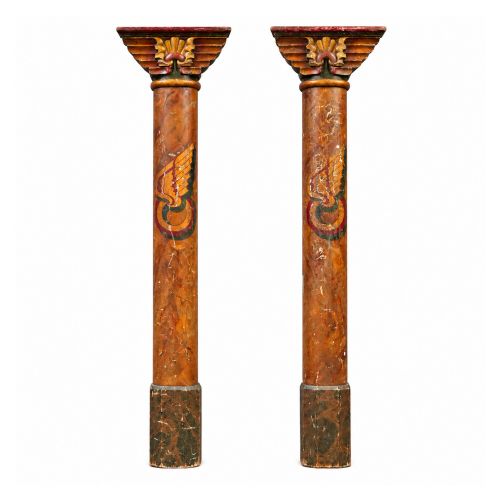
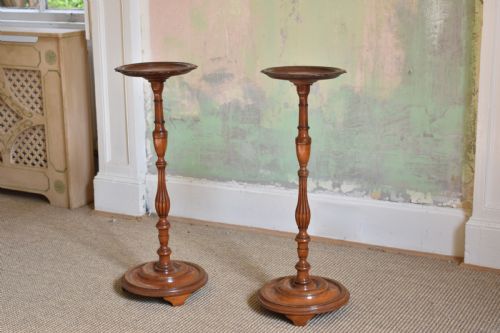
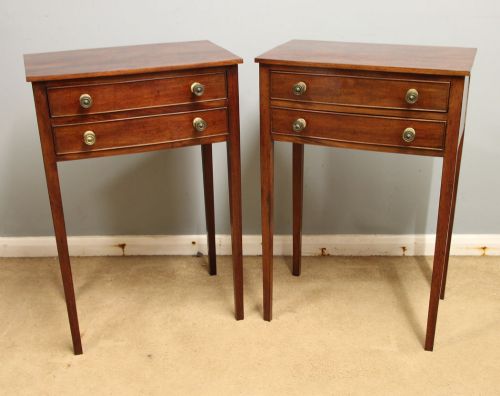
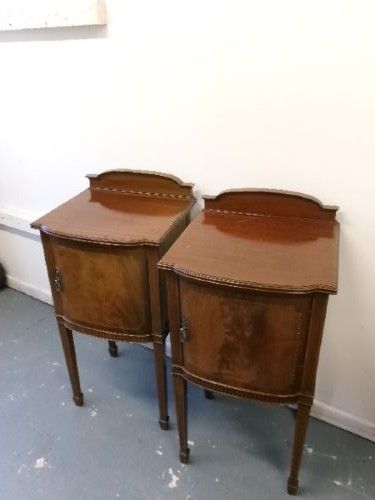
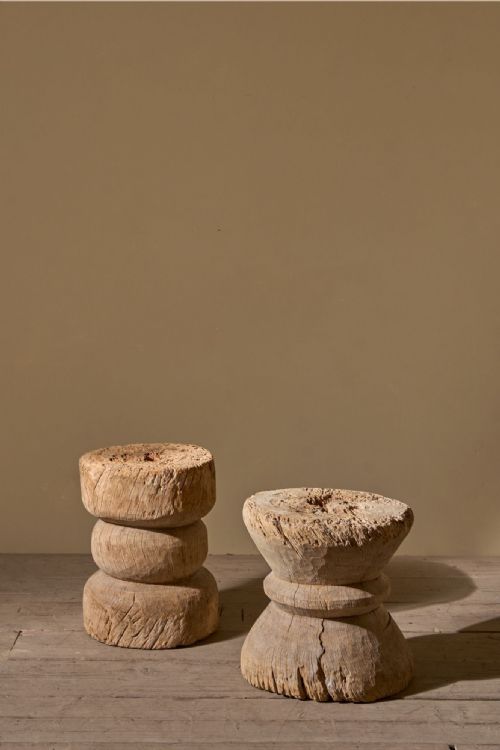
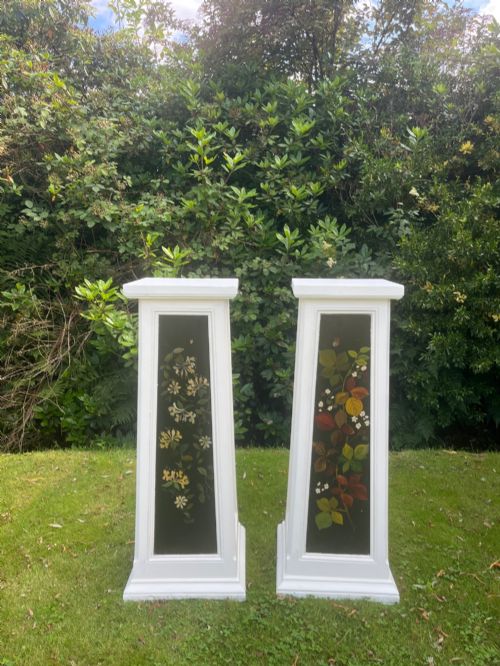
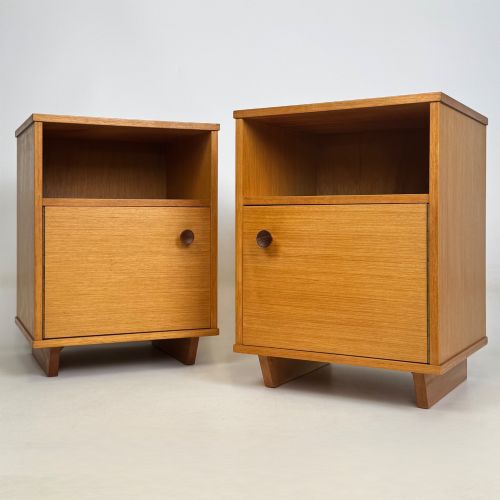
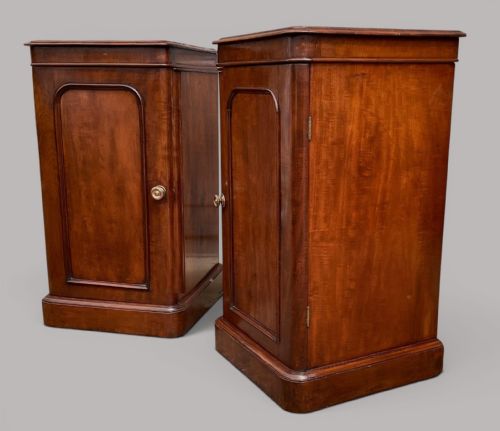
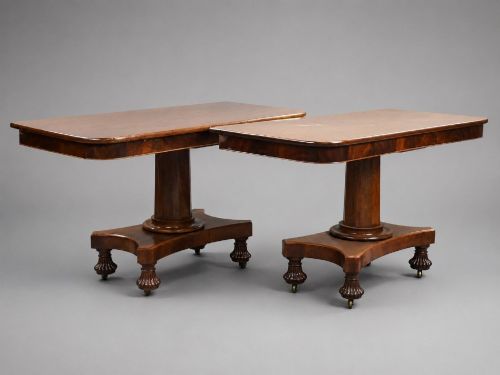
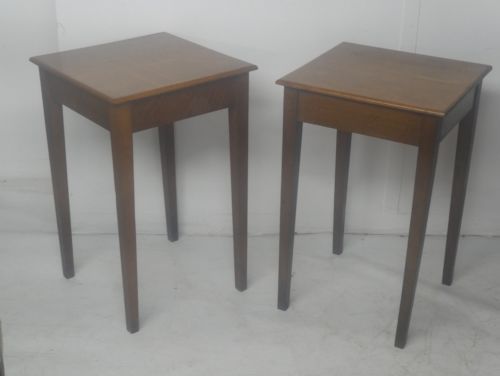
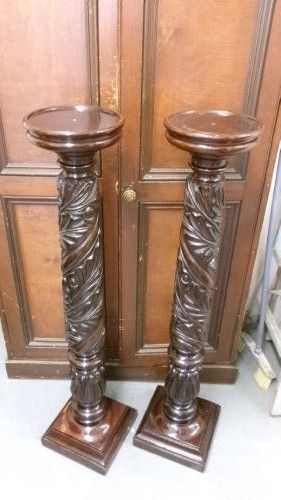
A pair of wooden pedestals consists of matched vertical supports used to display decorative objects, lamps or plants around a room. When searching for a pair of wooden pedestals, buyers encounter various forms including column supports, torchières and bedside cabinets constructed from timber.
The selections span multiple periods, from Georgian and Victorian examples to twentieth-century designs. Many serve as plant stands, lamp tables or sculptural bases reflecting styles such as Regency, Edwardian and Art Deco.
Makers utilised regional timbers and applied techniques suited to each era, resulting in items ranging from rustic nineteenth-century country pieces to formal inlaid satinwood and mahogany structures.
How they were made
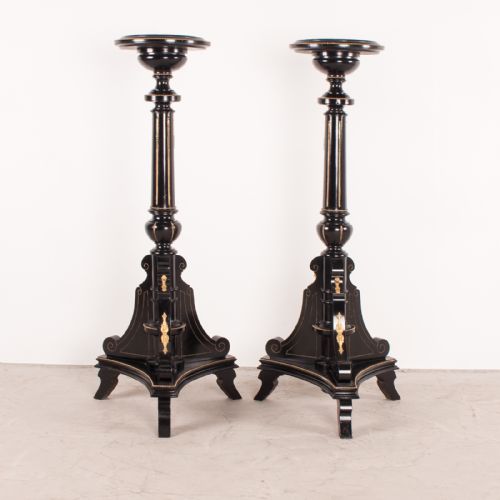
Cabinet makers relied on hardwoods such as mahogany, walnut, satinwood and oak, often shaping them through turning, carving and joining techniques. Many surfaces received decorative treatments including brass mounts, ebonisation, lacquer or original paint.
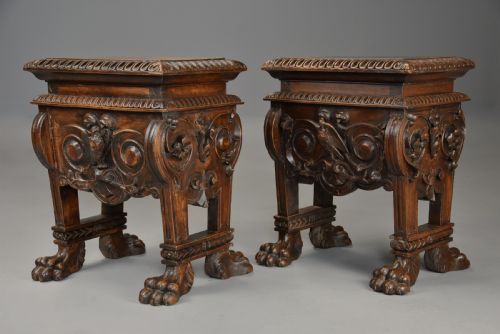
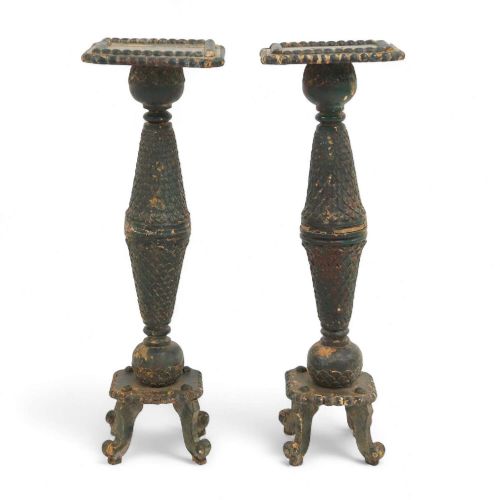
Inlaid details incorporated contrasting veneers and lighter timbers to create geometric or classical patterns along the shafts and tops. Carved wooden elements required skilled hand chiselling, visible on figures, fluted columns and floral motifs.
Kashmiri carved wood lacquer elephants stand proudly among the timber columns.
What varies in quality
The grade of timber and the precision of the joinery set pieces apart, with figured veneers and solid hardwoods indicating higher workshop standards. Subtle hand-carved details and well-preserved original finishes distinguish superior examples from plain utility items.
Proportion and structural stability dictate the success of the design, ensuring the columns support weight securely while maintaining balanced visual lines.
Holland & Sons·Valentino Besarel
The Pair of Wooden Pedestals Glossary
- Torchere
- A tall stand designed to hold a light or a decorative object. These slender wooden columns frequently date from the nineteenth century.
- Inlay
- A technique where pieces of contrasting wood or other materials are fitted into a recessed surface to form a pattern. Satinwood and mahogany often receive this treatment.
- Ebonised wood
- Timber treated with a dark finish to imitate ebony. This process appears frequently on decorative nineteenth-century pieces.
- Pedestal
- A structural support or base that elevates a bust, urn or sculpture. They appear in various heights across multiple historical periods.
- Kingwood
- A dense, richly figured exotic timber utilised for fine cabinet work and decorative stands. It is often paired with walnut.
Pair of Wooden Pedestals: Frequently Asked Questions
What were pair of wooden pedestals used for?
These matched supports held lamps, busts, urns and floral arrangements in formal rooms and hallways.
They provided structural elevation to display items at eye level.
How do I identify the period of a pedestal?
Look to the timber species, construction methods and decorative styles such as inlay or carving.
Georgian and Victorian examples typically display heavier solid woods and classical proportions compared to later Edwardian or Art Deco variants.
Are these pedestals structurally stable?
Solid timber construction and sturdy bases allow them to bear the weight of sculptures and heavy lamps safely.
Heavier items benefit from broad footprints to prevent tipping.
Can I place lamps on these tables?
Many examples function specifically as lamp tables or torchières designed to illuminate dark corners.
Their surface areas accommodate lighting fixtures while keeping cords managed along the shaft.