



Victorian Gothic Pedestal
These pieces unite architectural weight and timber craft, offering a durable focal point for a study or hall.
Victorian Gothic Pedestal
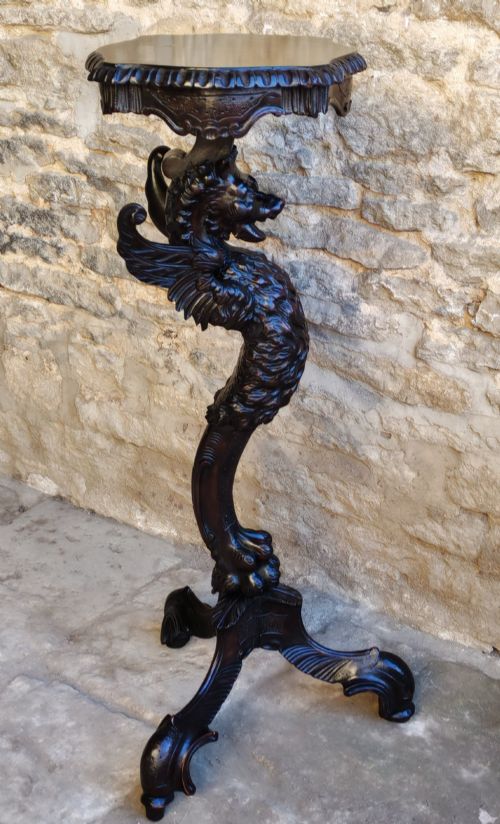
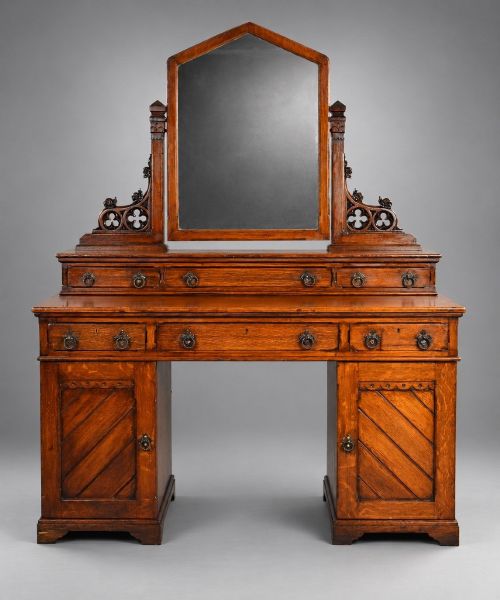
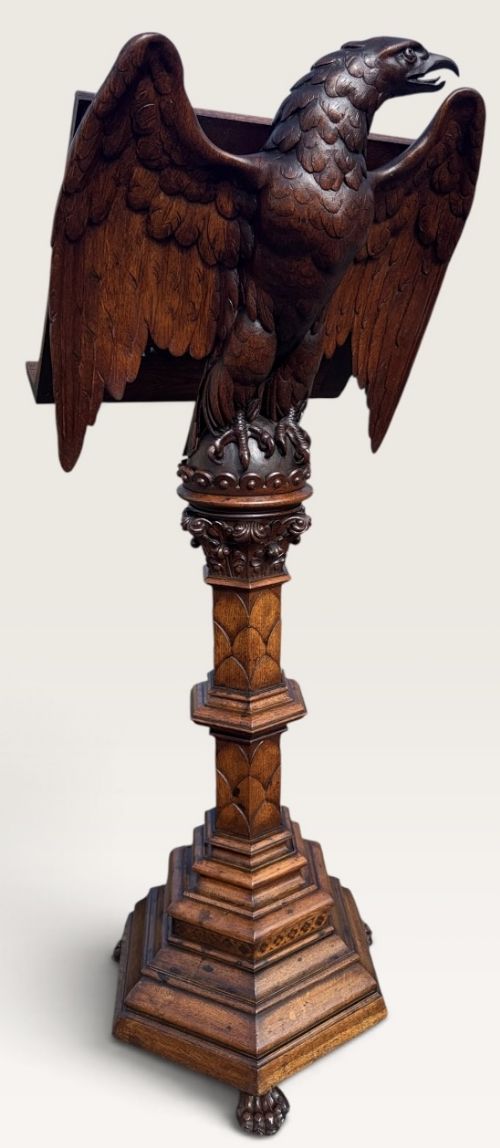
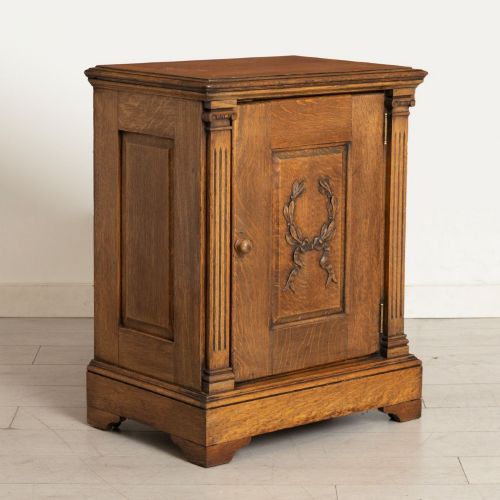
A victorian gothic pedestal takes the form of a sturdy column, stand or support rooted in nineteenth century architectural revivalism. These pieces frequently appear in heavy carved oak, sometimes styled as desks, sideboards or display stands with pointed arch motifs.
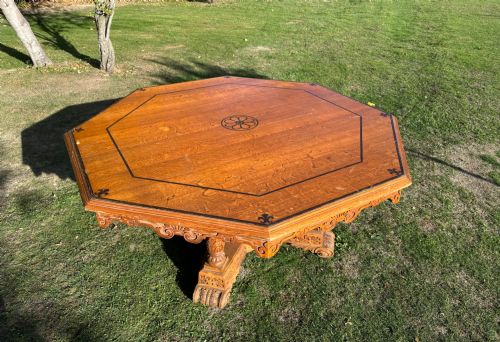
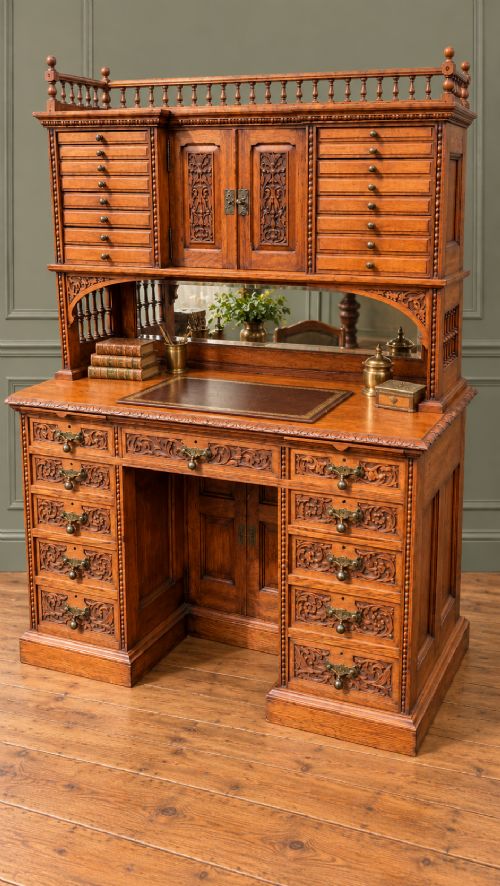
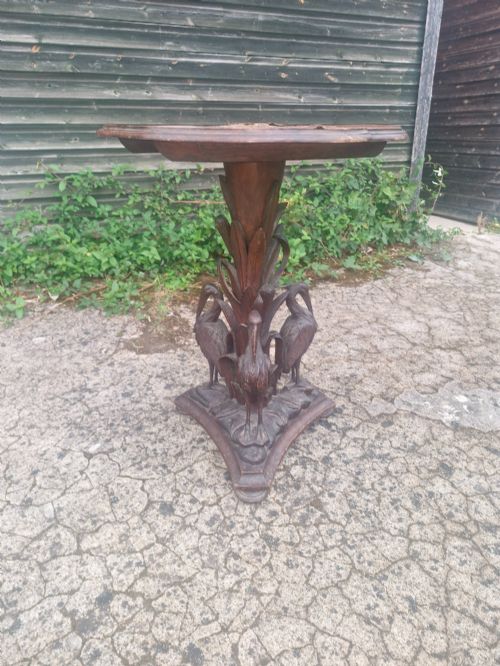
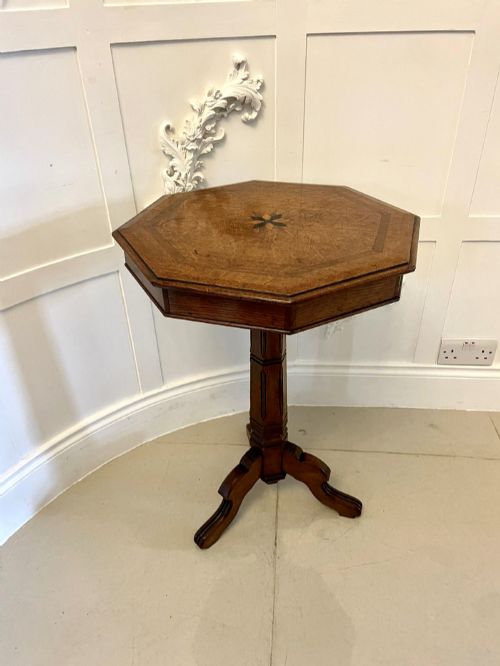
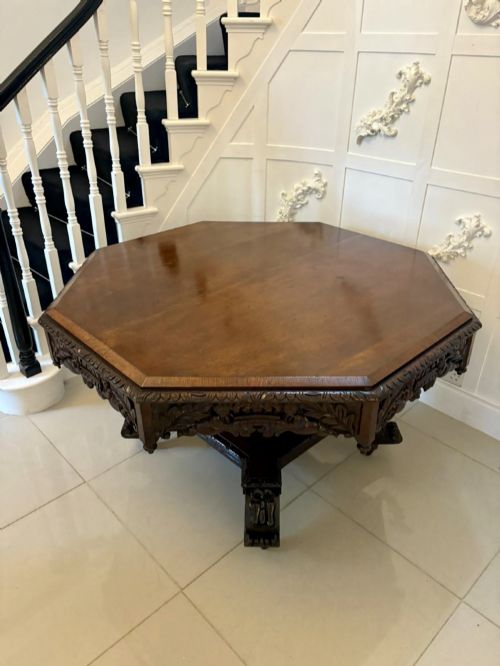
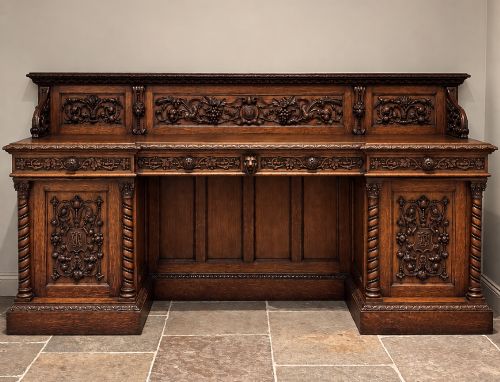
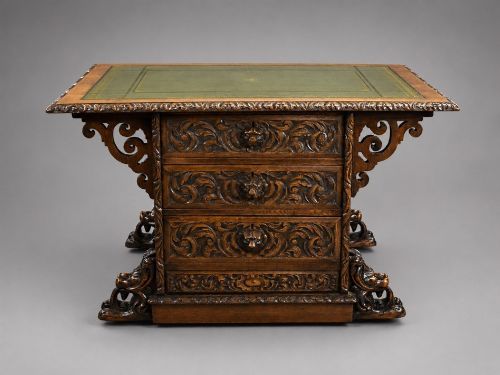
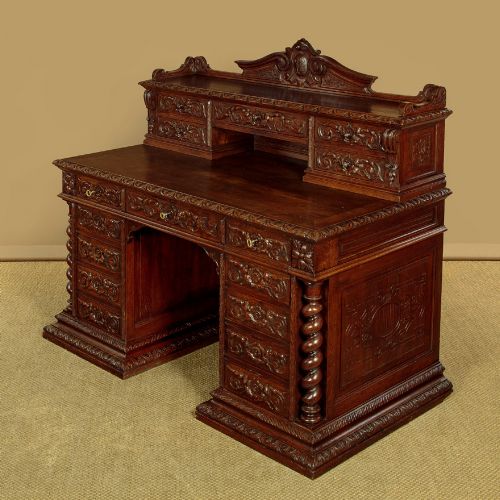
Buyers encounter versions ranging from simple octagonal supports to elaborate desks bearing carved green men or lion heads. The heavier examples serve as substantial library furniture or architectural display stands.
Materials and construction methods
Makers relied primarily on solid oak, mahogany and pine, often finished with deep relief carving or ebonised details. Joinery employed traditional pegged mortise and tenon construction to support the heavy structural loads demanded by gothic revival designs.
Surfaces frequently feature hand-tooled leather insets, brass hardware and decorative panels reflecting medieval tracery. The structural integrity relies on dense timbers seasoned over decades during the nineteenth century.
Victorian Gothic Pedestal Retail Price Guide 2026
Typical asking prices for victorian gothic pedestal among the pieces listed under this phrase on Sellingantiques today, from the lower quarter to the upper quarter. They describe what is for sale here now, not the wider market.
Watch closely for hidden drawers and carved wooden faces staring back from the timber grain.
Distinctions in craftsmanship
Quality separates pieces by the depth and sharpness of the hand carving, particularly around figural elements like green men and caryatids. Superior examples display crisp architectural mouldings and dense, well-figured timber rather than flat, machine-cut decoration.
The sophistication of the internal construction, such as dovetailed drawer linings and original hardware, distinguishes bespoke cabinet work from standard production items.
The Victorian Gothic Pedestal Glossary
- Gothic Revival
- An architectural and decorative style drawing on medieval forms, pointed arches and structural stone motifs translated into timber.
- Green Man
- A sculptural face carved from foliage or branches, frequently appearing as a decorative boss on nineteenth century furniture.
- Caryatid
- A sculpted female figure serving as an architectural support in place of a column or pilaster.
- Trefoil
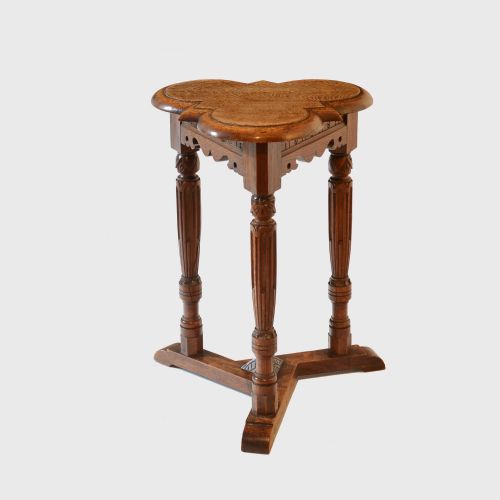
- A graphic ornament composed of three rounded lobes arranged in a cloverleaf shape, common in gothic tracery.
Victorian Gothic Pedestal: Frequently Asked Questions
What is a victorian gothic pedestal?
A victorian gothic pedestal is a sturdy nineteenth century support or piece of furniture incorporating medieval architectural details like pointed arches and heavy timber carving.
These items were built to anchor a room, serving as display stands, architectural columns or the structural ends of large desks.
How were these pedestals used?
Original uses varied from supporting heavy garden urns and church statuary to functioning as central pillars for partners desks and sideboards.
In domestic settings, they provided an imposing stage for sculptures, lamps or decorative objects within a grand interior.
How do I identify the period?
Dating relies on timber selection, construction methods like hand-cut dovetails, and the specific evolution of nineteenth century revival styles.
Pieces often carry stylistic markers from the eighteen sixties through to the eighteen nineties, blending medieval motifs with Victorian utility.
What woods were used?
Oak is the predominant timber found in these pieces, valued for its strength and historical association with gothic architecture.
Cabinet makers also utilised mahogany, walnut, pitch pine and ebonised wood to achieve darker, more formal finishes.