






Antique Gothic Jardiniere
An antique gothic jardiniere brings architectural presence to indoor greenery, offering robust metalwork and carved detail.
Antique Gothic Jardiniere
An antique gothic jardiniere is a plant vessel or display stand drawing upon medieval architectural motifs, built during the nineteenth century in forms such as urns, planters, and pedestals. These pieces translate stone tracery and heraldic decoration into domestic metalwork and timber.
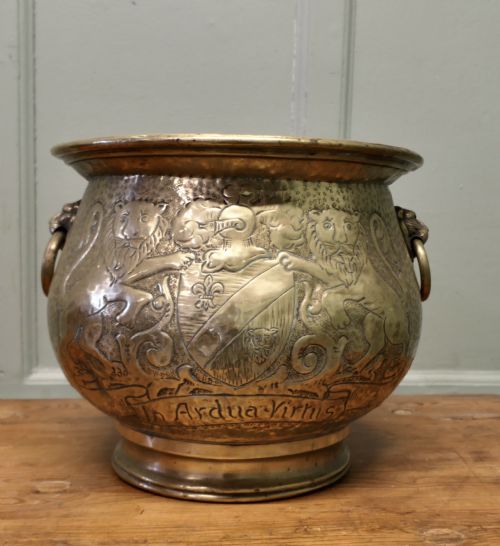
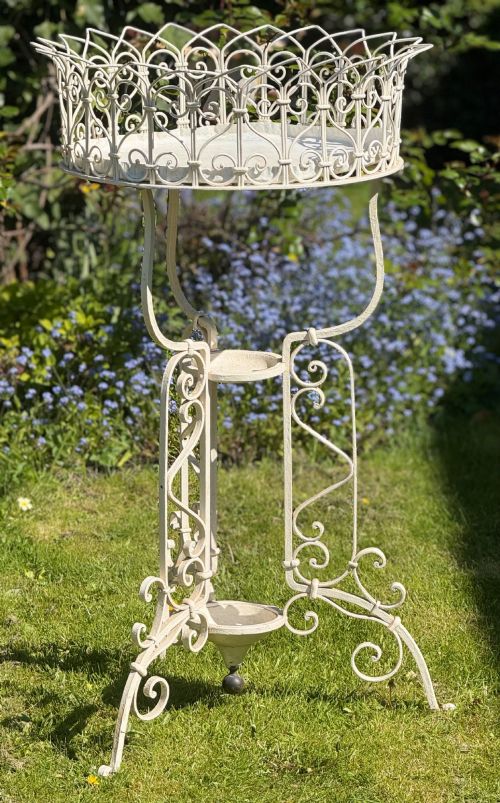
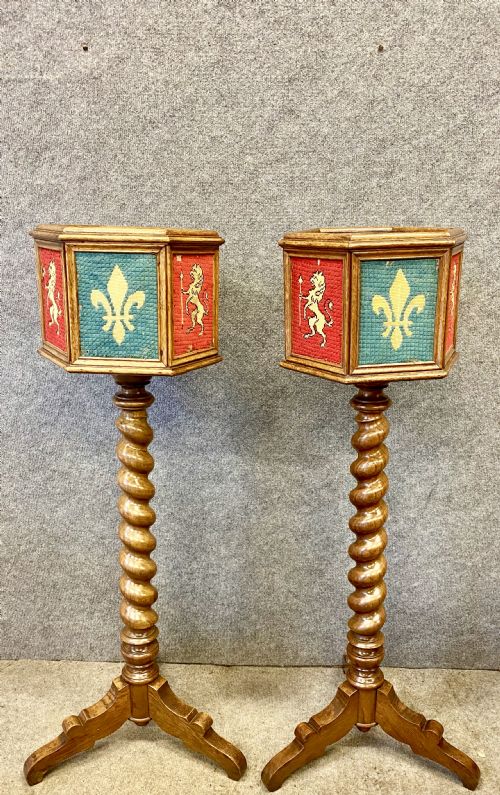
The buyer meets various interpretations on this page, spanning Victorian brass vessels with shields and lion mask handles alongside cast iron stands and carved wood pedestals. These objects serve to elevate indoor foliage with the weight and gravity of gothic revival design.
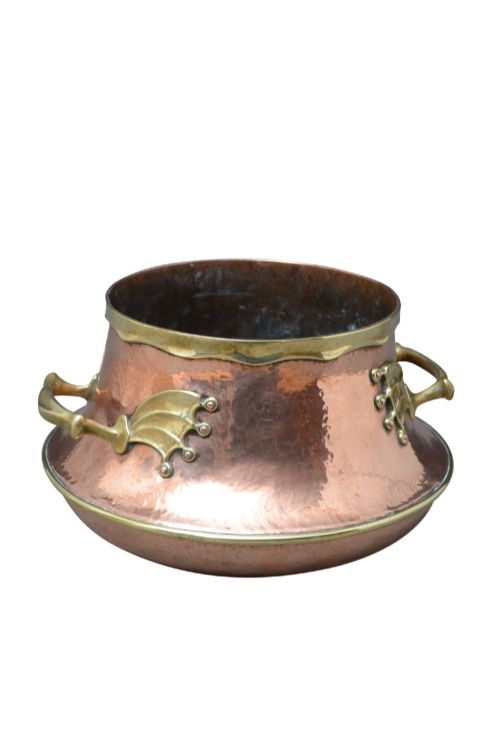
Forms range from single large copper vessels to pairs of tall plant stands and multi-tiered cast iron structures. Each item fulfils a functional role for displaying plants while functioning as a strong decorative focus within a room.
How they were made
Makers utilised metals like brass, copper, cast iron, and wrought iron to construct these jardinieres and stands, often employing techniques of casting, panel assembly, and hand-beating. Brass and copper components provide warmth and detailed surface work through applied shields and mask handles.
Carved wood and painted softwood examples introduce organic texture and ebonised finishes to the medium, reflecting the varied workshops of the period. Cast iron serves structural roles in multi-tiered stands, offering durability and intricate moulded detail.
Antique Gothic Jardiniere Retail Price Guide 2026
Typical asking prices for gothic jardiniere among the pieces listed under this phrase on Sellingantiques today, from the lower quarter to the upper quarter. They describe what is for sale here now, not the wider market.
Among the architectural ironwork and brass vessels sits a winged griffin torchere stand carved in the Black Forest manner.
What varies in quality
Quality rests in the crispness of the cast or carved detail, where sharp lines in lion masks, shields, and tracery separate superior work from softer secondary casting. The selection of materials, such as heavy gauge copper against thinner sheet metal, dictates the structural integrity of the vessel.
Proportion and the integration of decorative elements determine the success of a piece, with well-balanced stands and urns demonstrating deliberate design. Surface finish also plays a role, whether through preserved patination on metals or careful ebonising on carved timber.
The Antique Gothic Jardiniere Glossary
- Jardiniere
- An ornamental pot or stand for holding plants or flowers. These vessels range from tabletop brass bowls to large floor-standing planters.
- Torcherere
- A tall stand designed to hold a light or, in later applications, a plant or urn. These pieces elevate flora to create vertical interest in a room.
- Ebonised finish
- Wood treated to resemble ebony, often achieved through staining and polishing. This dark surface mimics expensive exotic hardwoods.
Antique Gothic Jardiniere: Frequently Asked Questions
What is a gothic jardiniere?
A gothic jardiniere is a nineteenth-century plant holder or stand decorated with medieval architectural motifs such as shields and lion masks.
These pieces combine functional horticulture with the dramatic aesthetic of the gothic revival movement.
How were these stands used?
They were placed in nineteenth-century interiors to display indoor plants, ferns, and floral arrangements.
Tall stands and pedestals elevated greenery to create visual focal points within reception rooms and hallways.
What materials are common?
Common materials include brass, copper, cast iron, wrought iron, and carved wood.
Metals often feature applied decorative elements, while wooden versions may display painted or ebonised surfaces.
How do I date a piece?
Dating relies on stylistic clues and material techniques associated with the nineteenth century and the Victorian era.
Construction methods such as cast iron moulding and hand-assembled brass help place items within the broader Victorian period.