




Metal Lined Jardiniere
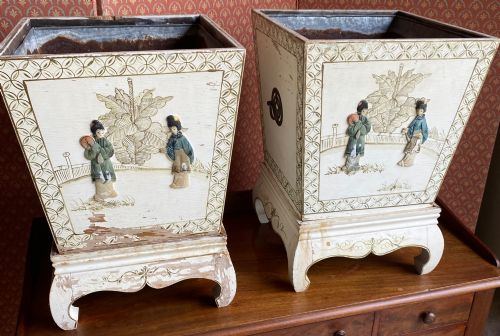
These metal lined jardiniere pieces are elegant planters and stands designed to hold live flora while protecting fine timber from moisture.
Metal Lined Jardiniere
The pieces on this page span the 17th century through to the 19th century and the 1920s. Common structural designs include French Louis XV style influences, French Rococo revival, Regency, Italian Baroque, and Victorian interpretations.
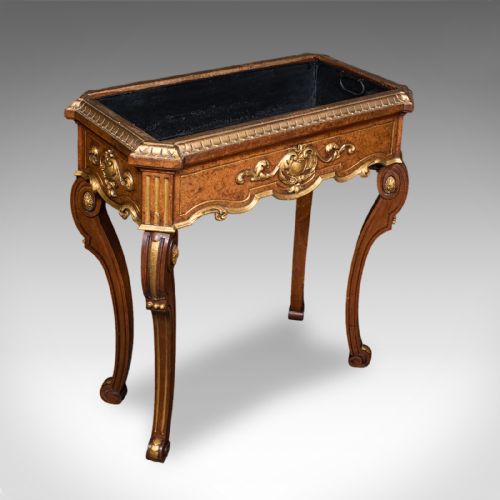
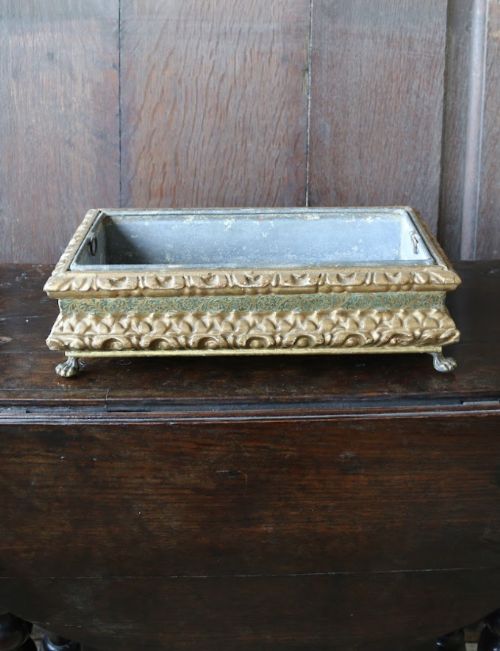
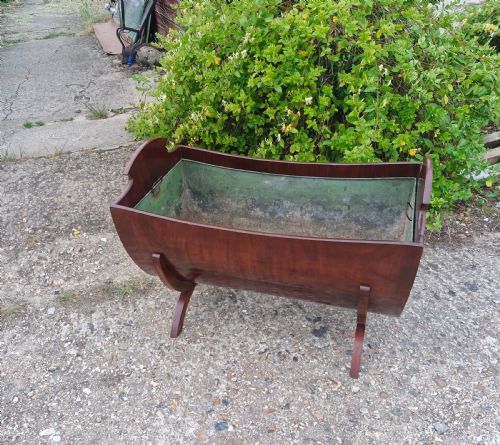
Makers and craftsmen utilised primary timbers such as mahogany, walnut, satinwood, burr walnut, golden oak, and carved giltwood. These materials are paired with functional inserts made of zinc or brass to contain earth and water safely.
Materials and construction
Cabinetmakers constructed the main bodies of these planters from dense hardwoods like mahogany and walnut, frequently applying fine veneers such as satinwood or burr walnut. Ormolu mounts and carved giltwood details were then added to elevate the visual richness of the French Louis XV style and Italian Baroque pieces.
The practical core of each vessel relies on a fitted metal liner, commonly formed from zinc or brass. These liners were soldered or joined to withstand damp soil and standing water, preserving the structural integrity of the surrounding woodwork.
Metal Lined Jardiniere Retail Price Guide 2026
Typical asking prices for metal lined jardiniere among the pieces listed under this phrase on Sellingantiques today, from the lower quarter to the upper quarter. They describe what is for sale here now, not the wider market.
Listings span the 17th century, 18th century, 19th century, and the 1920s, featuring materials such as zinc, ormolu, mahogany, walnut, and satinwood.
Evaluating craftsmanship and detail
Quality reveals itself in the precision of the timber selection and the fluidity of the carving. Finely figured burr walnut and carefully matched satinwood veneers demonstrate superior workshop standards compared to plain secondary timbers.
The integration of the metal liner and the crispness of applied ormolu mounts distinguish finer examples. Superior pieces display harmonious proportions between the decorative wooden exterior and the functional interior container.
The Metal Lined Jardiniere Glossary
- Jardiniere
- An ornamental pot or stand for holding flowers or plants. The term derives from the French word for gardener.
- Ormolu
- Gilt bronze mounted on furniture or decorative objects. This technique involves applying a gold amalgam to bronze.
- Cellarette
- A lockable container or cabinet used for holding bottles of wine or spirits. They often share forms with plant stands.
- Zinc
- A bluish-white metallic element frequently used for the protective linings inside planters. It resists corrosion from damp earth.
- Satinwood
- A durable, yellowish wood with a lustrous grain used for fine veneer work. It is common in decorative cabinet pieces.
Metal Lined Jardiniere: Frequently Asked Questions
What is a metal lined jardiniere used for?
These pieces serve primarily as decorative plant holders for interior spaces. The internal metal container protects the outer wooden structure from water damage.
Historically, similar vessels also functioned as wine coolers or cellarettes in domestic settings. Today, they remain versatile containers for floral arrangements or botanical displays.
How do I care for the wood and metal?
Keep the timber surfaces clean by dusting regularly with a dry cloth and occasionally applying appropriate furniture wax. Avoid placing potted plants directly onto the wood without verifying that the metal liner is watertight.
Lift out the zinc or brass insert when watering plants to prevent moisture from spilling onto the surrounding veneer. Ensure the interior is thoroughly dried before replacing the liner.
How can I identify the period?
Dating relies on examining the timber species, construction joints, and stylistic details such as French Louis XV or Regency ornamentation. Earlier pieces from the 17th century feature heavy carved giltwood, while 19th-century examples often display mahogany or burr walnut veneers.
Constructive techniques and the presence of specific revival styles provide additional clues. Comparing the hardware, such as ormolu mounts, helps narrow down the decade of manufacture.
Are these pieces suitable for outdoor use?
These items were built as indoor decorative furniture for country houses and formal reception rooms. Exposing them to outdoor weather conditions will damage the fine veneers and metal components.
They perform best in temperature-controlled interior environments away from direct sunlight. This placement preserves the polished finishes and prevents the timber from warping.