

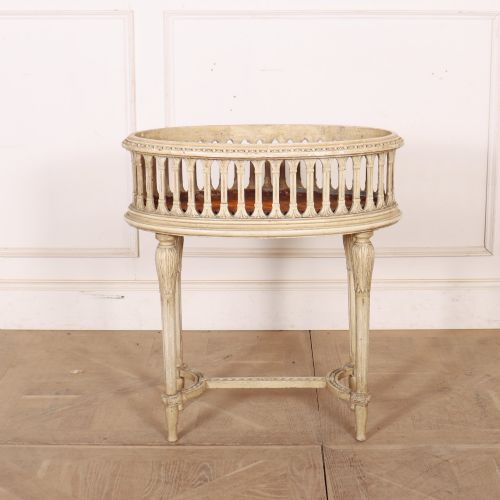


Louis XVI Jardiniere
These pieces of louis xvi jardiniere are French planters and wine coolers designed for floral displays, bringing classic revival elegance to rooms.
Louis XVI Jardiniere
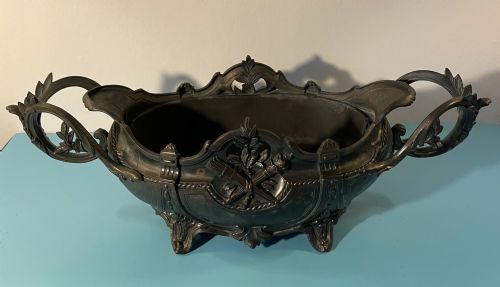
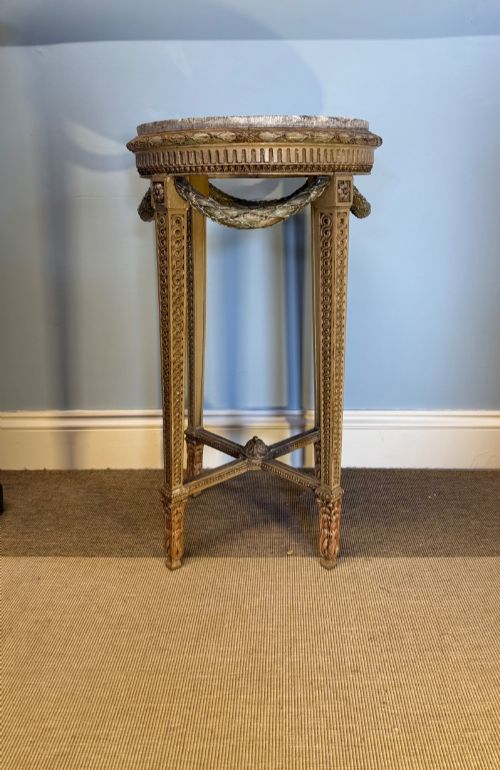
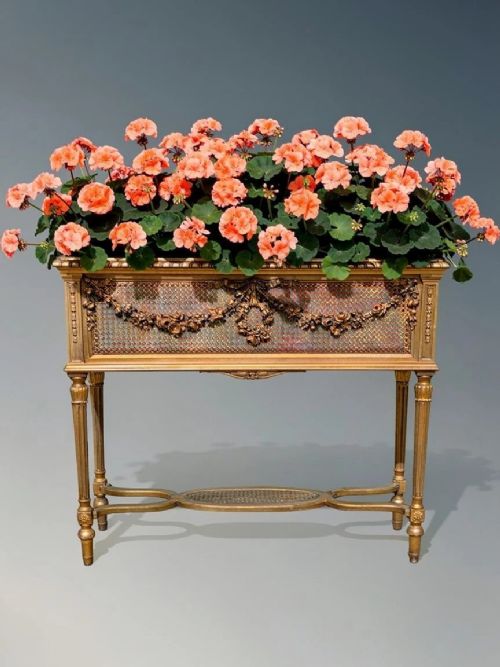
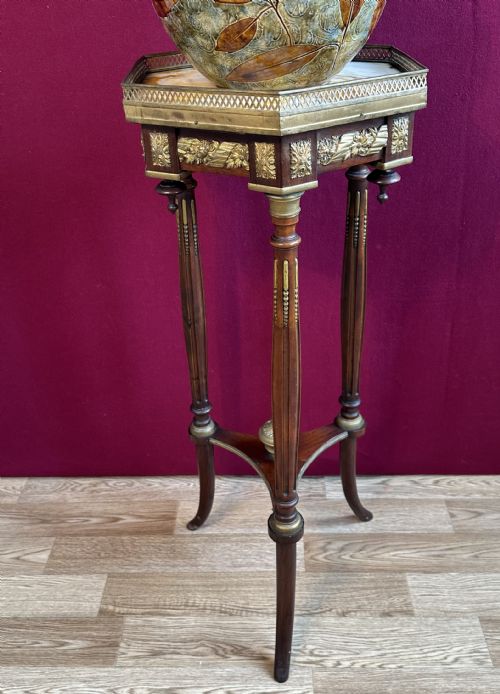
A louis xvi jardiniere is a plant stand, planter, or wine cooler rooted in French revival styles and the decorative traditions of the eighteenth and nineteenth centuries. Buyers searching this phrase meet nineteenth-century revival pieces alongside earlier examples, often taking the form of marble-topped columns, occasional tables, or carved vessel stands.
The evidence shows these forms emerging across several decades, from eighteenth-century walnut wine coolers to Victorian and late nineteenth-century interpretations. They span various formats including large satin walnut planters, giltwood and cane stands, and painted jardinieres intended for interior flora and presentation.
Originating predominantly from French workshops and provincial traditions, these items serve as decorative plant holders and occasional furniture. Their presence in walnut, mahogany, and satinwood highlights a persistent domestic demand for classical plant display furniture through the nineteenth and twentieth centuries.
How They Were Made
Construction relies heavily on cabinet timbers such as walnut, mahogany, and satinwood, frequently paired with carved giltwood and painted finishes. Artisans built structural frameworks to support heavy liners and stone elements.
Interior functionality required durable metal and stone components, incorporating zinc liners and marble tops alongside cast metal and spelter details. Porcelain also appears as a decorative medium within the broader material palette of these stands.
Joinery and carving techniques reflect French revival standards of the nineteenth century, uniting timber frames with inset marble columns and brass accents. These methods ensured the vessels could safely contain damp soil or ice alongside botanical arrangements.
Louis XVI Jardiniere Retail Price Guide 2026
Typical asking prices for louis xvi jardiniere among the pieces listed under this phrase on Sellingantiques today, from the lower quarter to the upper quarter. They describe what is for sale here now, not the wider market.
Some versatile nineteenth-century examples happily doubled as wine coolers when the dinner party required more ice than flora.
What Varies in Quality
Quality rests upon the selection of timber and the execution of carved detail, distinguishing standard production from finer cabinet work. Walnut and satinwood surfaces show varying depth in grain and finish, while giltwood elements display different levels of sculptural crispness.
The integration of secondary materials such as marble tops and zinc liners shapes the overall standard of a piece. Finer examples balance structural joinery with well-fitted stone columns and robust metal linings designed for actual use.
The Louis XVI Jardiniere Glossary
- Spelter
- A zinc alloy commonly used as a substitute for bronze in decorative castings. It frequently receives a bronze or gilt finish.
- Vert De Patricia
- A type of green marble often utilised for column shafts and decorative tops. This stone brings distinctive veining and weight to classical stands.
- Giltwood
- Timber that has been coated with gold leaf or gold paint. This technique accentuates carved ornamentation on revival furniture frames.
- Wine Cooler
- A vessel traditionally used for chilling bottles with ice and water. Many forms double as jardinieres within nineteenth-century domestic settings.
Louis XVI Jardiniere: Frequently Asked Questions
How do I identify a louis xvi style piece?
Louis XVI style pieces typically display classical symmetry, straight fluted legs, and restrained ornamentation derived from antiquity. Look for architectural motifs such as columns, carved wreaths, and ribbon twists.
The materials often include fine hardwoods like walnut and mahogany, frequently paired with marble tops and giltwood accents.
Are these planters waterproof inside?
Many period jardinieres feature original metal liners, often made of zinc, designed to hold moisture and protect the surrounding wooden structure from water damage.
Liners can sometimes show wear or require replacement depending on how heavily the planter was used for live plants over the decades.
Where were these pieces made?
The majority of these items originate from France, reflecting the enduring popularity of French revival design throughout the nineteenth century. Provincial workshops and Parisian makers both produced these forms for domestic markets.
Makers utilised local and imported timbers, combining traditional cabinet-making methods with classical French aesthetic principles.