


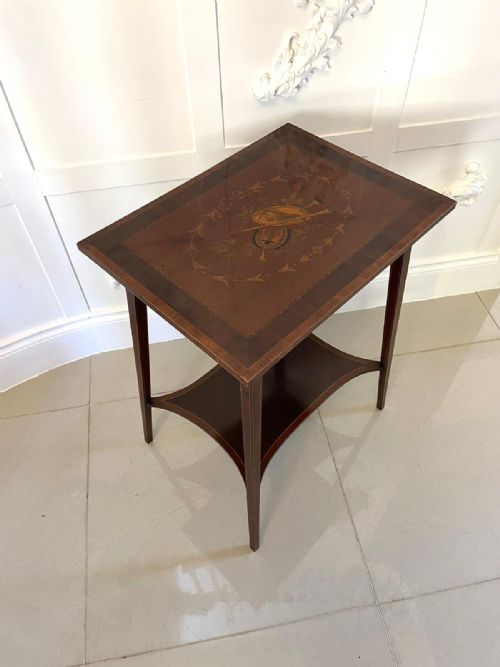


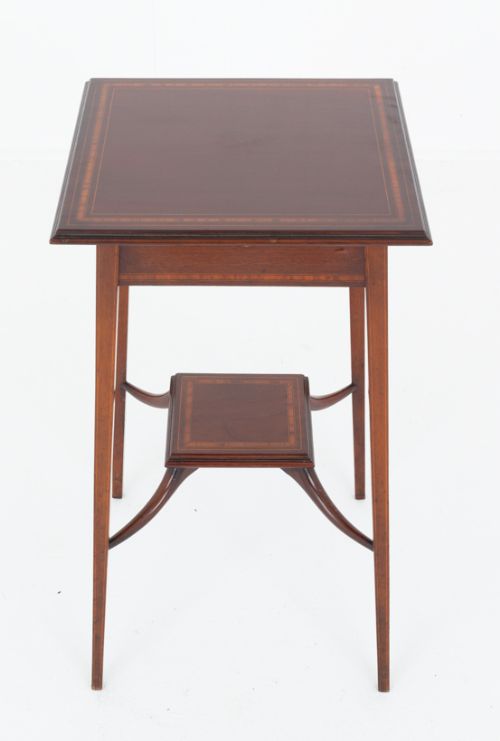


Satinwood Plant Stand
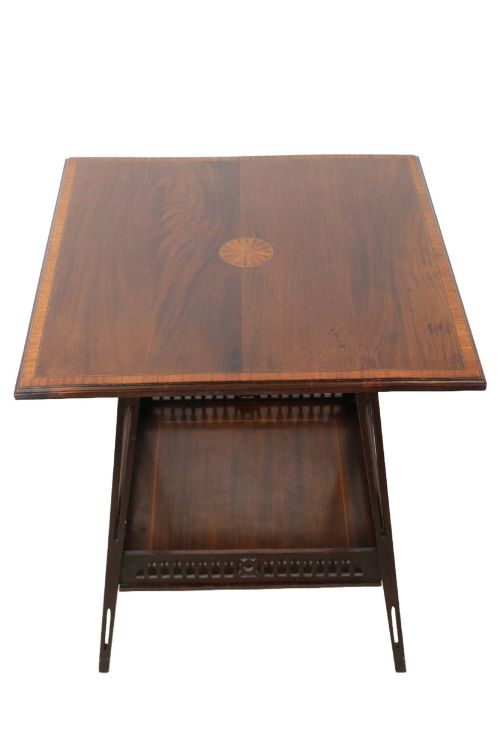
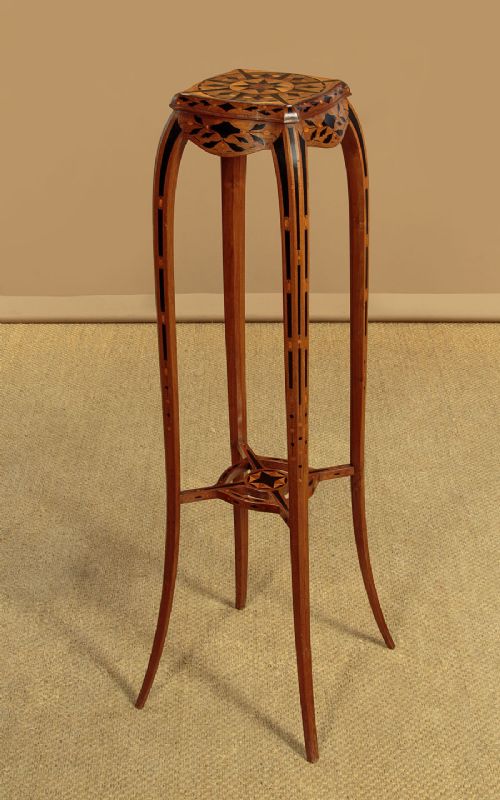
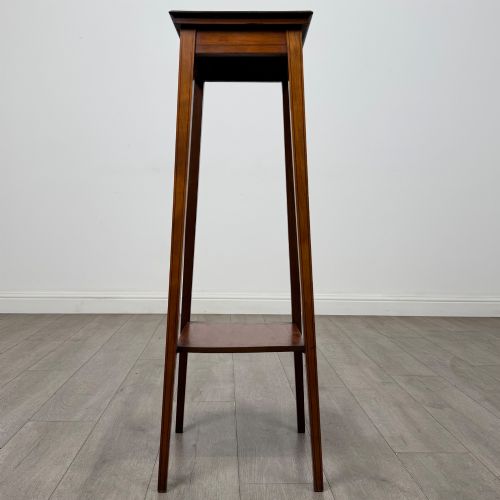
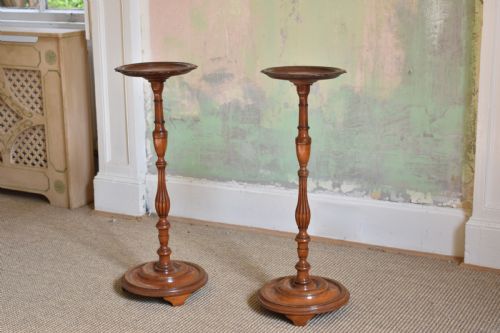
These satinwood plant stand pieces bring refined timber and classical elegance to any corner, offering a polished stage for interior flora.
What They Are
A satinwood plant stand represents a sophisticated class of interior furnishings designed specifically to elevate botanical displays within the home. When exploring this selection, buyers frequently encounter Edwardian examples alongside pieces dating from the nineteenth century.
The objects take several distinct forms across the listings, ranging from dedicated jardinieres and planter stands to occasional tables and painted kettle stands. Many items display classical influences, including French Louis XV style details, French chateau aesthetics, and Sheraton revival characteristics.
Origins span individual plant stands to matched pairs, utilising both compact dimensions for intimate spaces and larger proportions for substantial interior schemes. These vessels combine decorative appeal with functional horticulture, housing plants safely within living spaces.
How They Were Made
Construction relies heavily on figured satinwood, often complemented by contrasting timbers such as mahogany and satin walnut. Woodworkers incorporate intricate inlaid wood techniques to decorate the surfaces, occasionally adding hand-painted details.
Metal components form an integral part of the manufacturing process, utilising brass, ormolu mounts, and zinc liners. These metal additions provide structural support, decorative borders, and protective linings for holding moisture.
Retail Price Guide 2026
Typical UK retail prices for satinwood plant stand, calculated from the Sellingantiques database of over a million retail prices indexed since 2003. This retail price guide relies exclusively on Sellingantiques data; no external sources or auction records are used, so the figures do not describe the wider market.
The listings incorporate pieces from the Edwardian era and the nineteenth century, utilising satinwood alongside brass, ormolu, and zinc.
What Varies in Quality
Quality rests upon the refinement of the timber selection and the precision of the cabinetwork. Pieces featuring delicate inlay work and crisp ormolu mounts sit distinctly apart from simpler constructions.
The integration of secondary materials defines the upper tier of execution, where fitted zinc liners and hand-painted motifs remain well preserved. Cohesion in matched pairs and the crispness of Sheraton revival carving further separate standard utility from superior craftsmanship.
The Satinwood Plant Stand Glossary
- Satinwood
- A lustrous, light-coloured tropical timber prized for its reflective grain and smooth finish. It forms the primary visual surface across these stands.
- Jardiniere
- An ornamental pot or stand designed to hold plants or flowers indoors. These vessels often include protective metal linings.
- Ormolu
- Gilt bronze ornamentation applied to furniture and decorative objects. This technique adds metallic contrast to the timber surfaces.
- Sheraton Revival
- A late nineteenth and early twentieth century design movement inspired by the neoclassical furniture of George Sheraton. It favours elegant proportions and marquetry details.
Frequently Asked Questions
Are these suitable for heavy pots?
These stands are built for decorative indoor plants rather than heavy garden containers. Checking the internal zinc liner or base construction helps determine weight capacity.
Smaller kettle stands are intended for lighter decorative items and small floral arrangements.
How do I date an Edwardian piece?
Edwardian examples typically exhibit lighter timbers, refined inlay, and Sheraton revival motifs characteristic of the early twentieth century.
Comparing construction joints and hardware with nineteenth century counterparts clarifies the period.
Can I use them outdoors?
These furnishings are strictly designed for interior use to protect the fine veneers and metal mounts from weather damage.
Placing them away from direct sunlight preserves the light tone of the satinwood.