
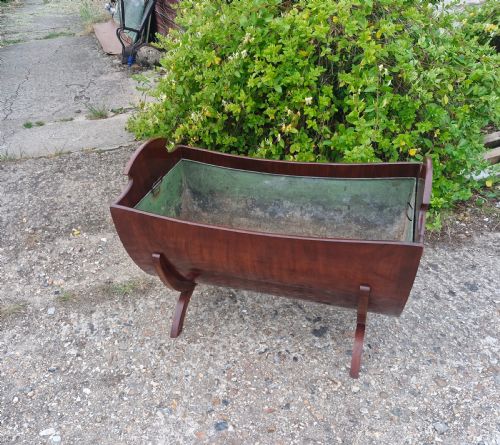

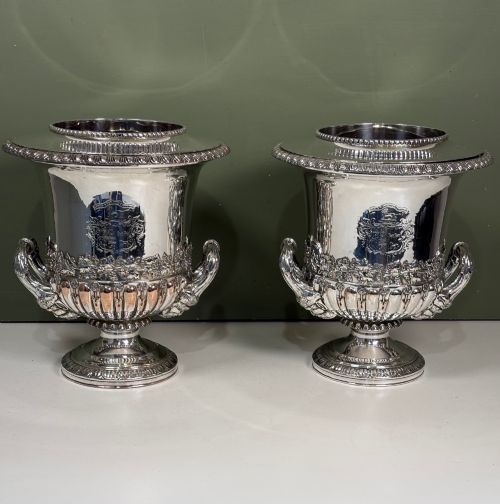


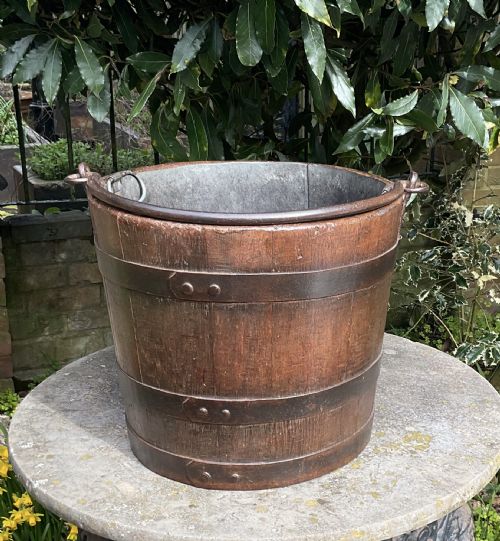


Victorian Wine Cooler
A victorian wine cooler brings the heavy timber and polished metal of the nineteenth century dining room straight to the modern interior.
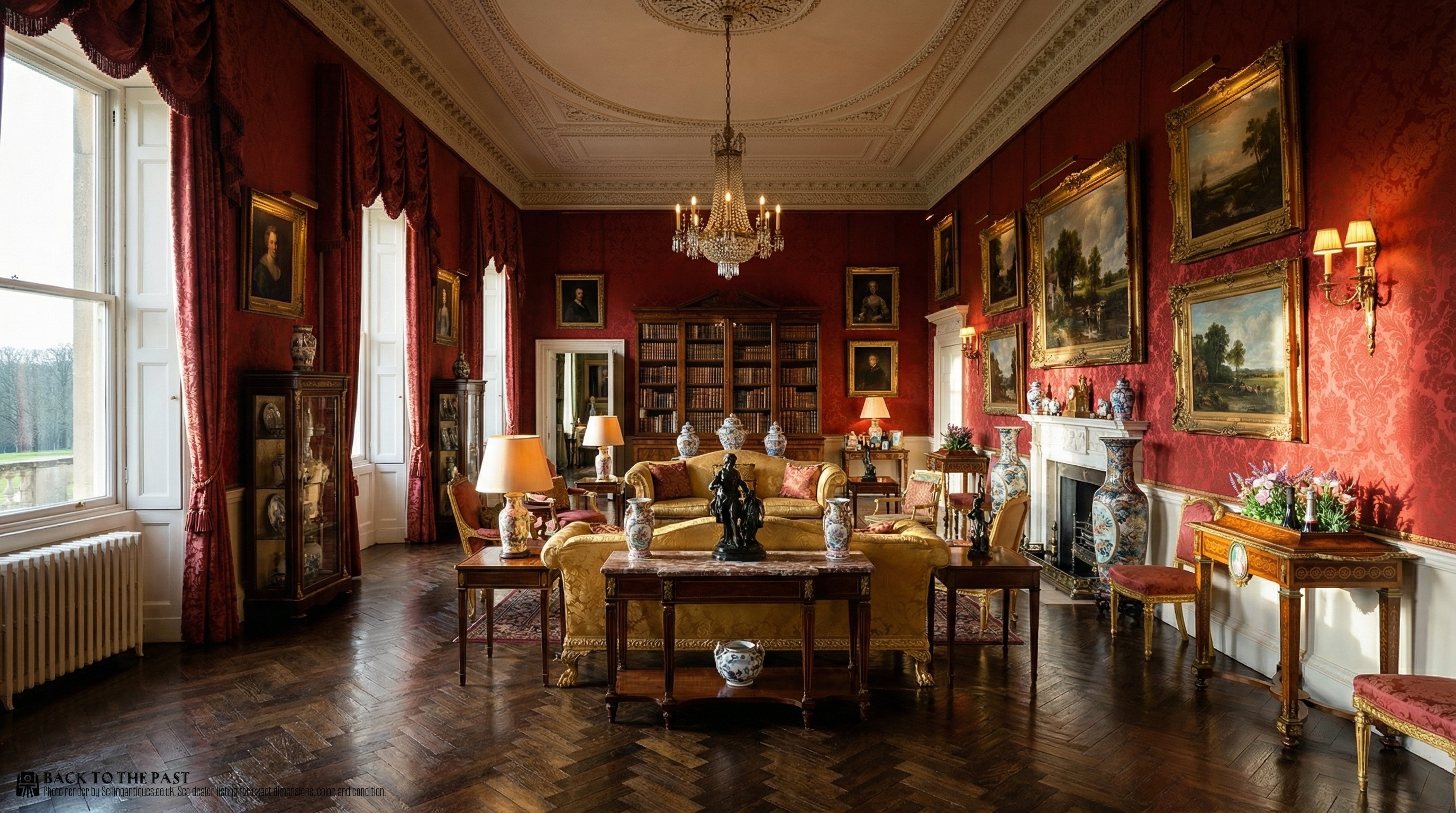
Victorian Wine Cooler
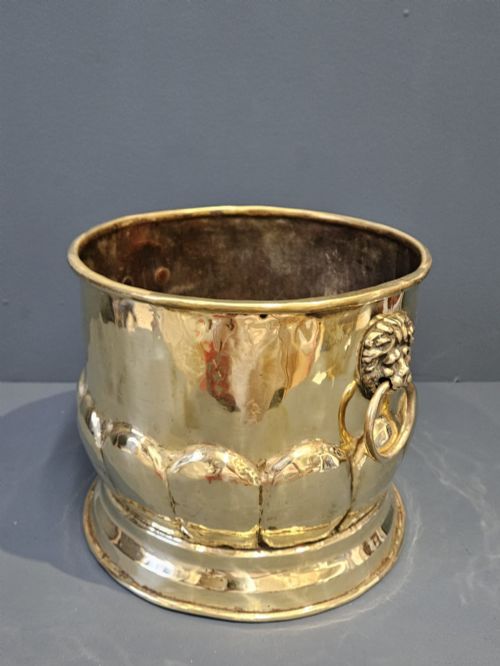
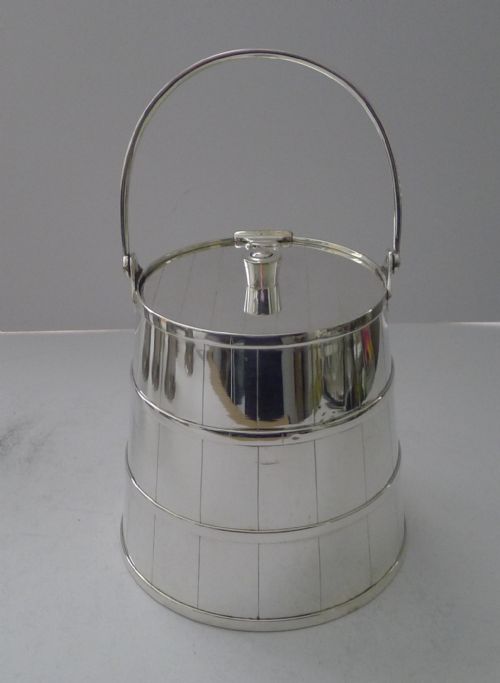
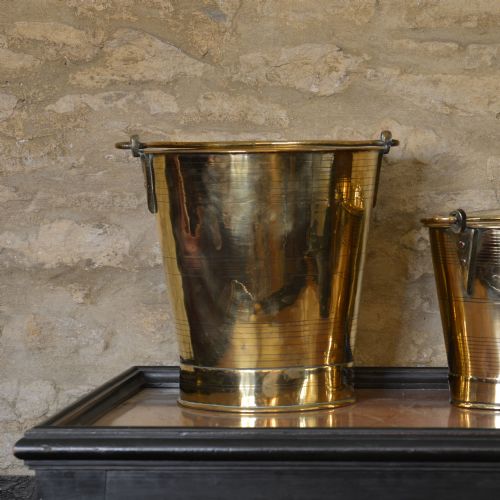
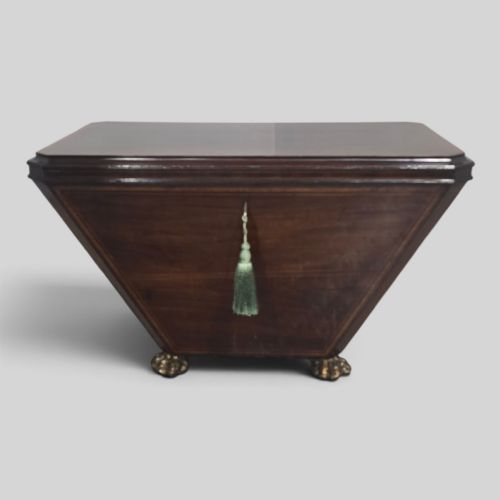
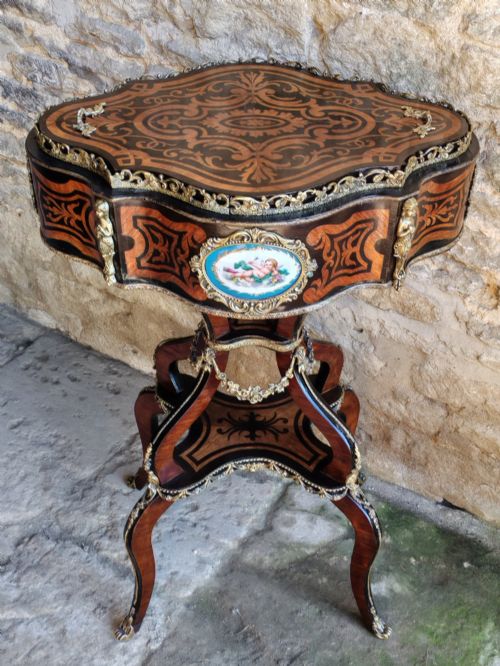
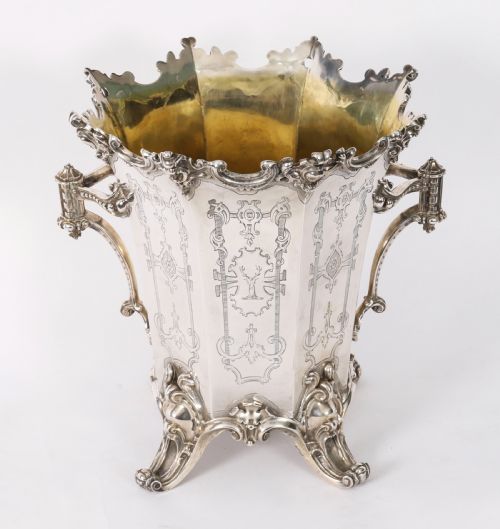
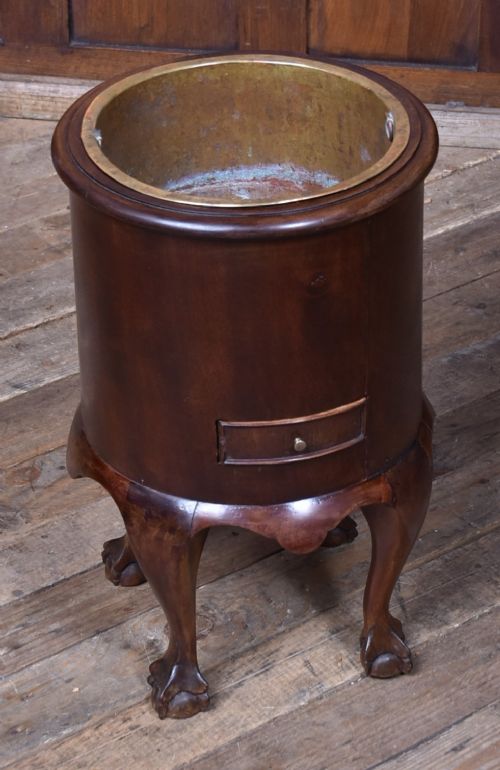
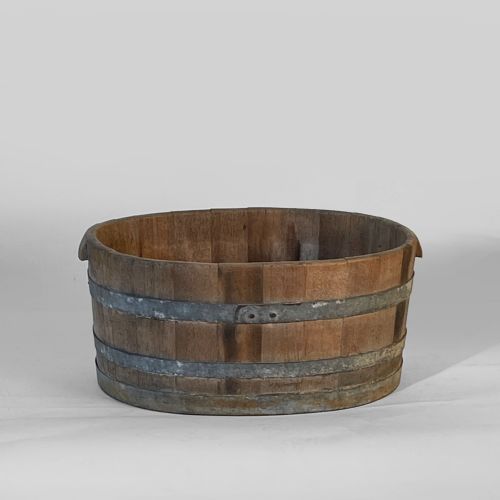
A victorian wine cooler encompasses timber cellarettes, coopered buckets, and metal vessels designed to chill bottles or hold plants during the nineteenth century. Buyers searching this phrase most frequently encounter mahogany and oak vessels alongside silver plated metal coolers and brass jardinieres.
Makers and workshops produced these pieces in various regional styles, including heavy freestanding oak sarcophagus designs and inlaid mahogany cabinets. Many examples double as log bins, punch bowls, or planters depending on their original linings and subsequent use in country houses.
The material vocabulary ranges from dense hardwoods like walnut and partridge wood to bright copper, brass, and silver plate on copper. These functional vessels reflect the changing dining habits and interior decorative tastes spanning from the early nineteenth century through the Edwardian period.
Materials and Technique
Timber pieces rely on traditional cooperage techniques, using tight staves of oak, mahogany, or pine bound with heavy brass bands to hold liquids securely. Cabinetmakers also constructed sophisticated sarcophagus and box forms using fine veneers of walnut, lacewood, and inlaid mahogany.
Metal vessels combine hand-beating, repoussé decoration, and casting to shape brass, copper, and silver plate into sturdy ice buckets and trophy vases. Makers soldered seams and fitted interior metal or copper liners to protect the wooden structures from melting ice and moisture.
Victorian Wine Cooler Retail Price Guide 2026
Typical asking prices for victorian wine cooler among the pieces listed under this phrase on Sellingantiques today, from the lower quarter to the upper quarter. They describe what is for sale here now, not the wider market.
Listings feature robust nineteenth-century materials including mahogany, oak, brass, copper, and silver plate.
Craftsmanship and Proportion
The distinction between standard production items and exceptional pieces rests upon the precision of the cooperage, the weight of the metal mountings, and the selection of timber veneers. Master makers integrated cast foliage handles, detailed marquetry, and original metal liners that elevate the piece beyond basic utility.
Proportion and decorative restraint dictate the visual success of these objects, where finely turned spindles, crisp brass banding, and secure dovetail joints mark superior workshop production. Pieces bearing recognised maker stamps or retaining their original fitted interiors command distinct attention for their completeness.
Edwards and Roberts·Elkington, Mason and Co·Napier Clan·Freemans of Norwich·Benjamin Smith II
The Victorian Wine Cooler Glossary
- Cellarette
- A lockable cabinet or freestanding container designed to hold wine bottles near the dining table. These wooden vessels often feature lead or copper linings.
- Coopered
- Constructed from curved wooden staves joined edge to edge and bound with metal hoops, much like a barrel. This method ensures waterproof integrity for holding ice and water.
- Jardiniere
- An ornamental pot or stand, typically made of brass or copper, designed to hold growing plants or flowers. In nineteenth-century interiors, these items frequently doubled as wine coolers.
- Repoussé
- A metalworking technique where the artisan hammers the design from the reverse side to form a raised pattern on the front. This ornamentation appears frequently on brass and copper vessels.
- Sarcophagus
- A heavy, monumental container shape with a peaked lid, popular for large oak log bins and wine coolers during the nineteenth century. The form mimics ancient stone burial chests.
Victorian Wine Cooler: Frequently Asked Questions
How were these coolers used?
These vessels were filled with ice or cold water to chill wine and champagne before and during meals in nineteenth-century dining rooms. Servants placed them beside the dining table or sideboard for easy access throughout the evening.
Over time, many of these containers shifted in purpose, serving as log bins for fireplaces, umbrella stands, or planters for indoor foliage in country houses.
How do I care for wooden wine coolers?
Wooden wine coolers require gentle cleaning with a soft cloth to preserve the natural grain of mahogany, oak, or walnut. Avoid using excess water on the timber, especially if the original interior metal liner is missing or compromised.
Applying occasional appropriate wax helps maintain the polished finish of the wood while preventing the dry indoor air from causing the staves or veneers to crack.
Are brass and copper coolers difficult to maintain?
Brass and copper surfaces develop a natural patina over time that many collectors prefer to leave undisturbed. Regular dusting with a soft dry cloth is usually sufficient for everyday upkeep.
If a brighter finish is desired, gentle cleaning with a specialised metal polish prevents heavy tarnishing without harming any embossed repoussé detailing or applied handles.