
Antique Ice Bucket
An antique ice bucket brings period elegance to modern entertaining, spanning Georgian mahogany, Victorian silver plate and Art Deco crystal.
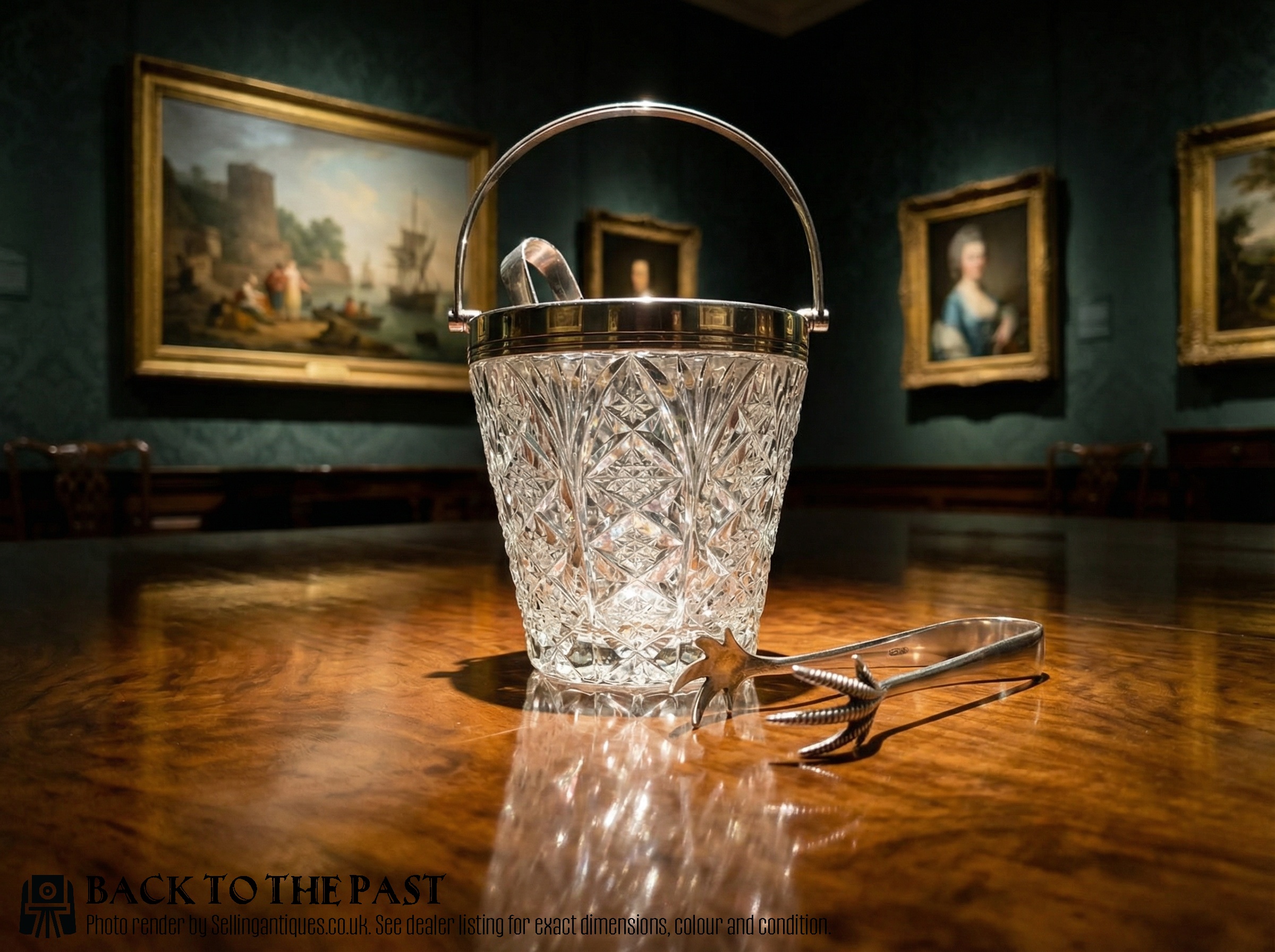
Identifying an antique ice bucket
An antique ice bucket serves a dual heritage, encompassing traditional wine coolers, champagne pails and dedicated ice containers found across the eighteenth, nineteenth and twentieth centuries.
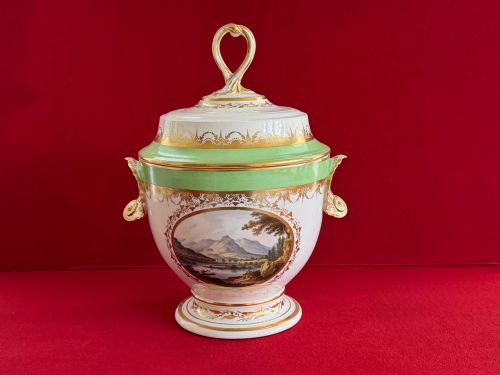
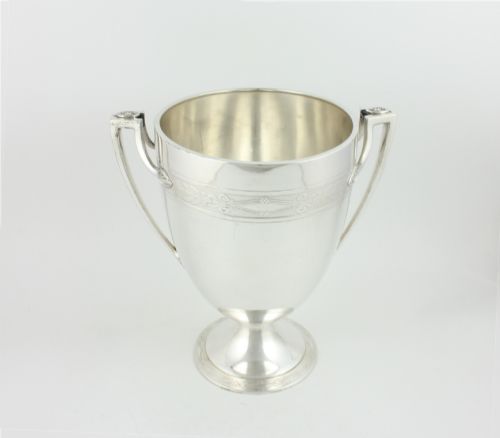
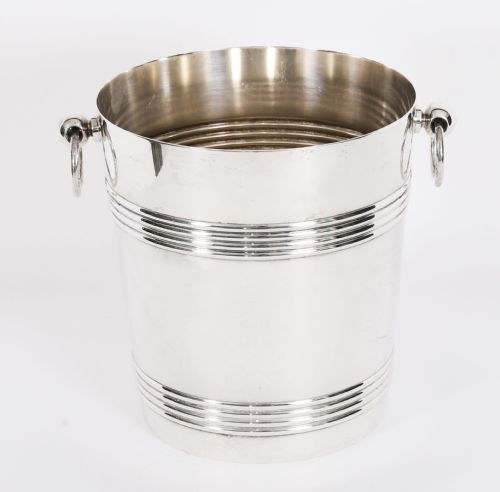
Buyers encountering this search phrase meet a diverse range of forms, from Georgian mahogany vessels and creamware pails to heavy Edwardian cut glass and sleek Art Deco silver plate.
The material expression shifts by era, moving from early ceramics and timber cooperage through ornate Victorian metals to streamlined twentieth-century designs by major makers.
Materials and construction methods
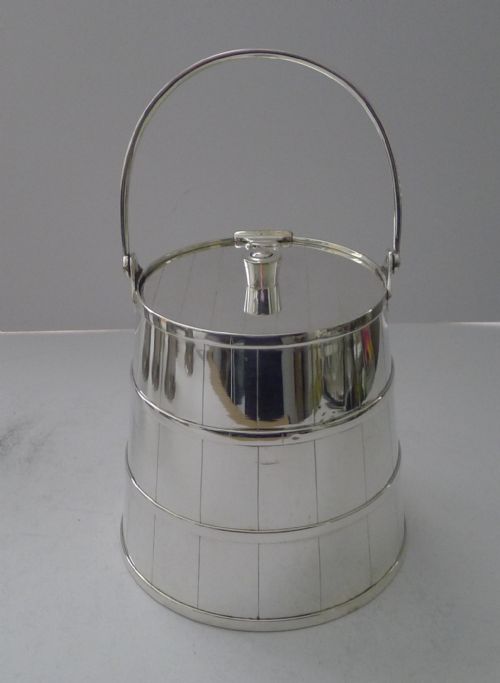
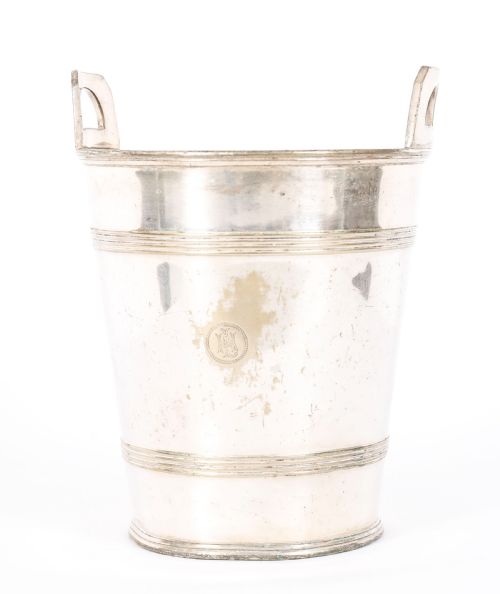
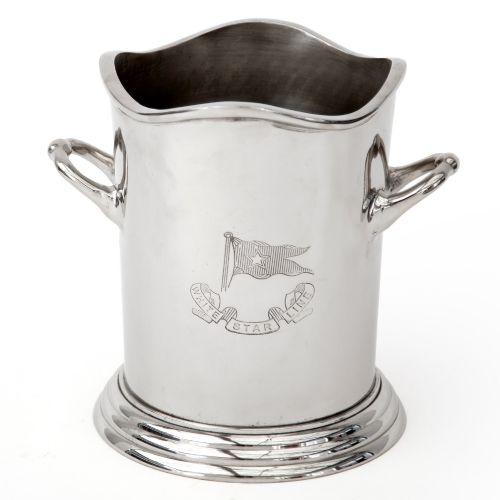
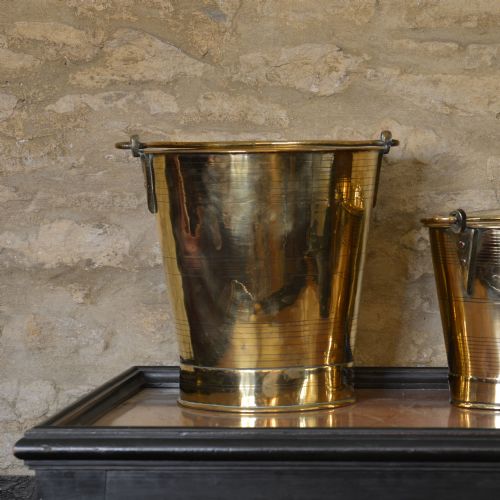
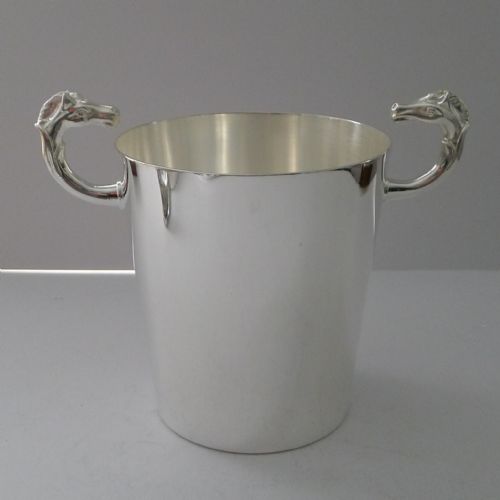
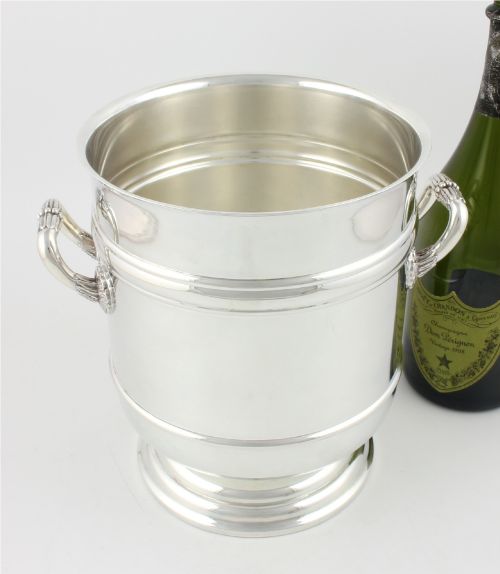
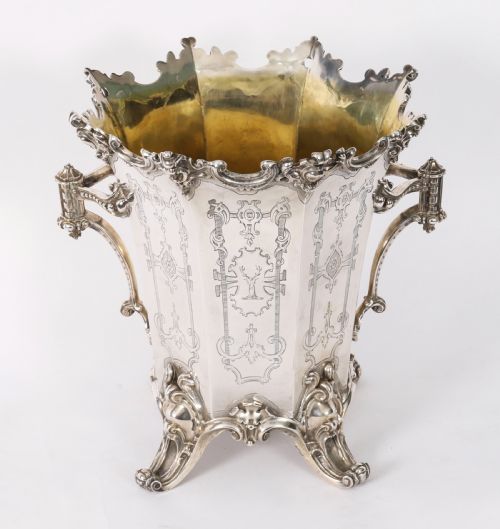
Metal examples utilise silver plate, sterling silver, copper, brass and ormolu, often shaped over copper bases or cast with classical figures and lion mask handles.
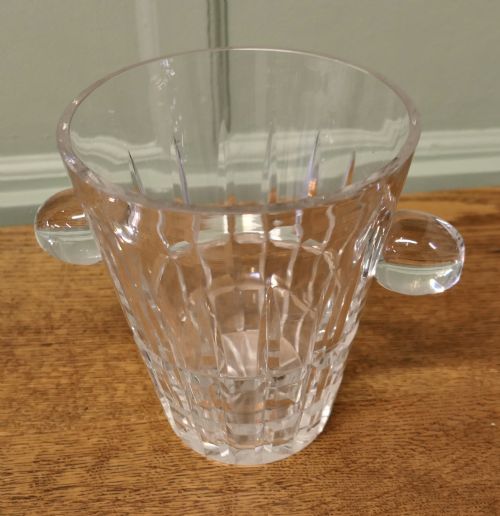
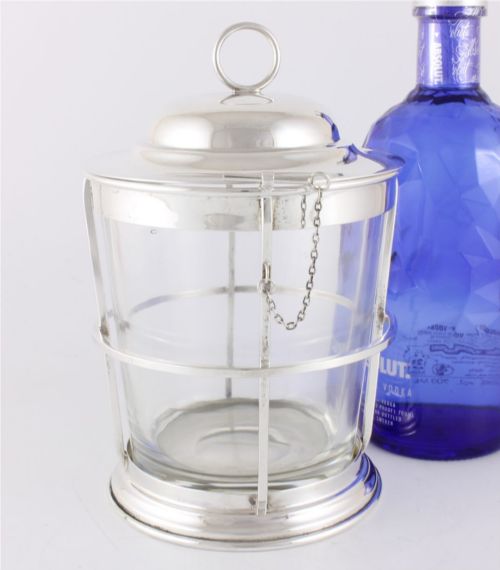
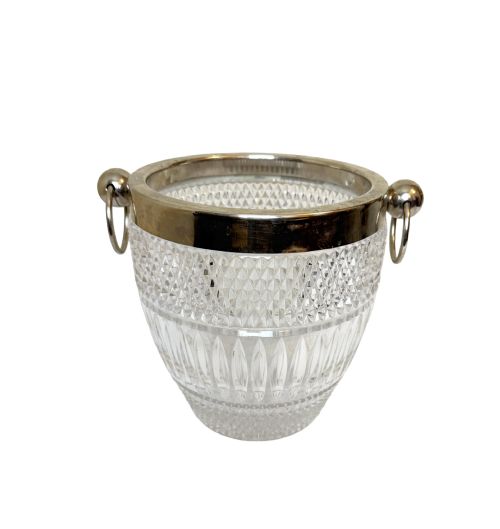
Glass vessels feature deep hand-cut crystal and pressed glass, frequently fitted with matched silver-plated rims, swing handles and accompanying tongs.
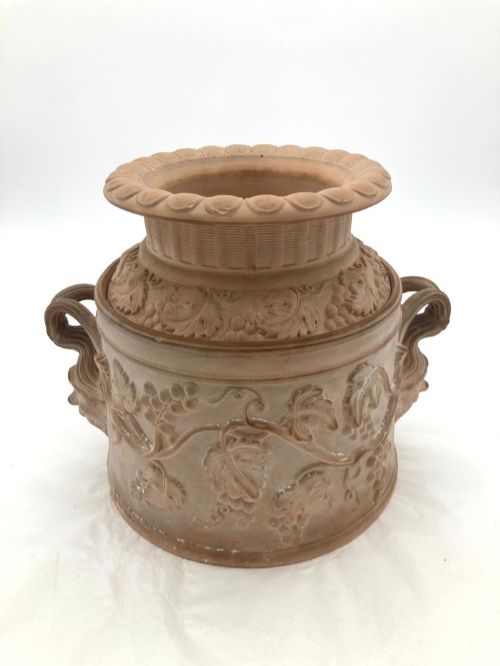
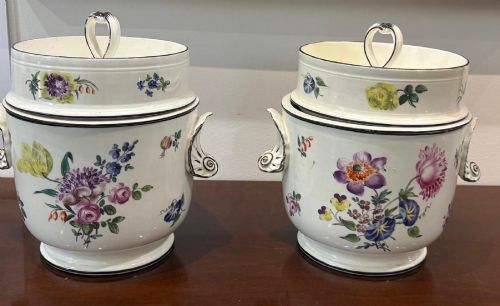
Early ceramic pieces employ creamware, earthenware and jasper ware, whilst wooden versions rely on traditional mahogany and oak cooperage bound with metal bands.
Retail Price Guide 2026
Typical UK retail prices for ice bucket, calculated from the Sellingantiques database of over a million retail prices indexed since 2003. This retail price guide relies exclusively on Sellingantiques data; no external sources or auction records are used, so the figures do not describe the wider market.
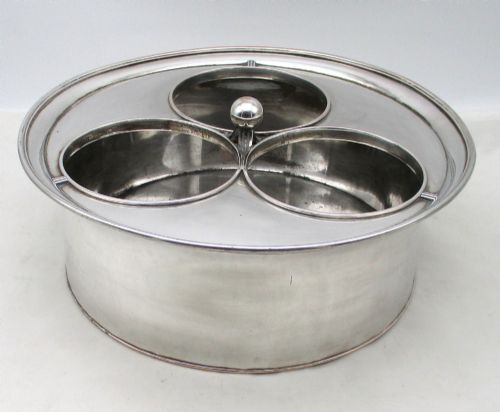
Some nineteenth-century versions double as automated biscuit boxes or feature fierce cast lion mask handles to guard the refreshments.
Distinguishing quality in service pieces
Quality rests upon the weight of the metal and the clarity of the cut glass, where heavier gauges of silver plate and deep, crisp wheel-cutting distinguish superior items.
The integrity of the construction dictates longevity, evident in the tight fit of staves in timber buckets and the secure attachment of cast mounts and handles.
Christofle·Elkington·Hawksworth, Eyre and Co·Mappin and Webb·Atkin Brothers·John Grinsell·Mappin Brothers·Wedgwood
The Antique Ice Bucket Glossary
- Creamware
- A fine light-coloured earthenware developed in the eighteenth century. It provides a smooth glazed surface suited to classical moulded pails.
- Silver Plate
- A layer of silver fused to a base metal such as copper or nickel silver. It gives the appearance of solid silver at a different scale of production.
- Ormolu
- Gilded bronze or brass mounts used extensively on nineteenth-century decorative pieces. It provides bright golden highlights to glass and ceramic bodies.
- Cooperage
- The traditional craft of making wooden stave vessels such as tubs and buckets. It relies on tight joints and metal hoops to hold liquids.
Frequently Asked Questions
What is an antique ice bucket?
An antique ice bucket is a historical vessel intended for chilling wine, champagne or holding ice for drinks. These pieces date from the eighteenth century through to the Art Deco period.
They appear in materials ranging from timber and ceramic to cut glass and silver plate, reflecting changing dining customs over several centuries.
How were they used historically?
These vessels sat on dining tables or sideboards to keep bottles cool during long meals or to supply ice for hospitality. Many functioned interchangeably as wine coolers, champagne pails and planters.
Their robust construction in metal, glass or ceramic allowed them to withstand the daily demands of Victorian and Edwardian households.
How do I date an ice bucket?
Dating relies on stylistic markers, materials and maker marks stamped on the metal mounts. Georgian examples favour mahogany and creamware, while Victorian pieces often display ornate brass or heavy silver plate.
Art Deco items from the nineteen-twenties and thirties introduce geometric forms, Bakelite details and streamlined silver-plated surfaces.
Can I use an antique ice bucket today?
Many buyers utilise these pieces for their original purpose during dinner parties and gatherings. Metal and glass versions hold ice and bottles effectively when handled with care.
Alternative uses include styling them as decorative plant stands, jardinières or storage jars in living spaces.