

Sterling Silver Vessel
A sterling silver vessel brings centuries of tactile heft and functional elegance to the table, ranging from intimate mustard pots to imposing Georgian tankards.
Sterling Silver Vessel
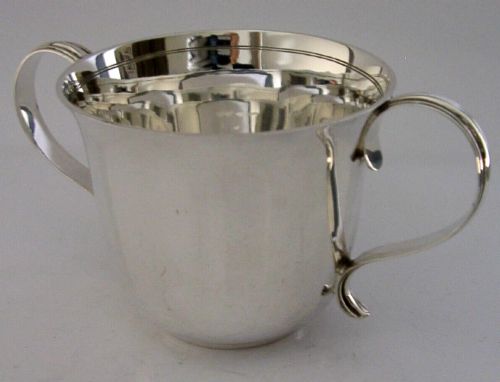
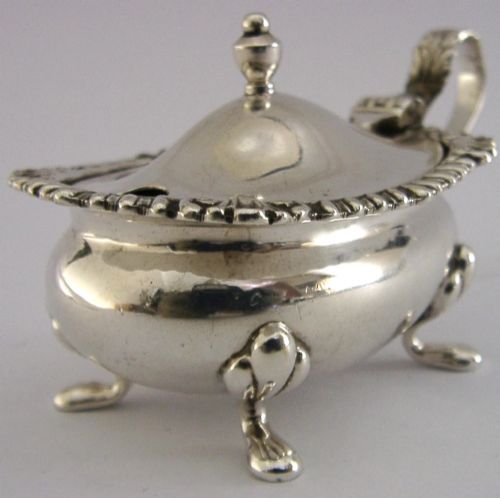
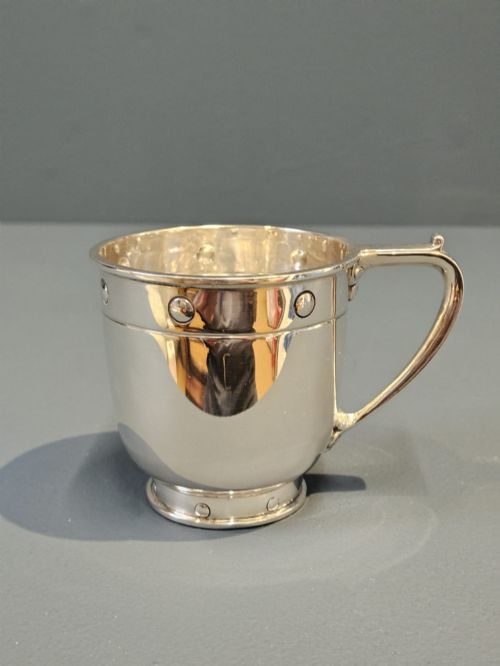
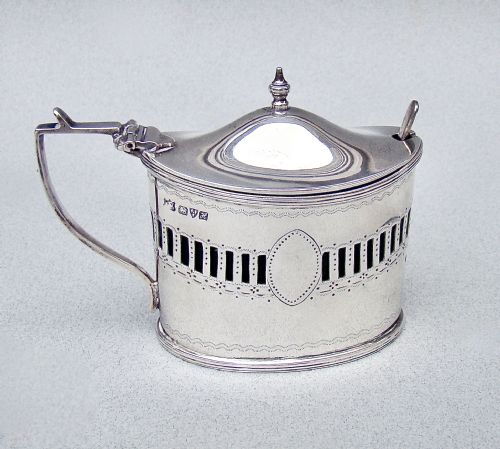
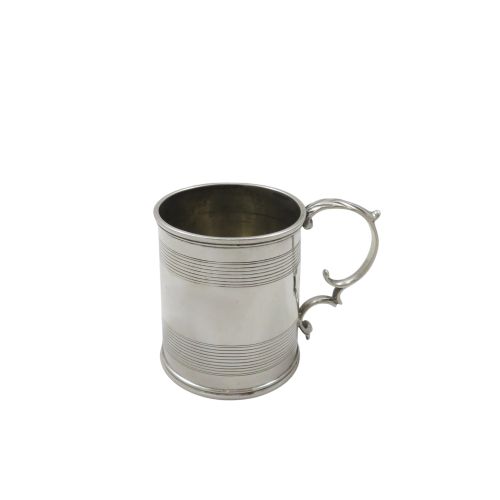
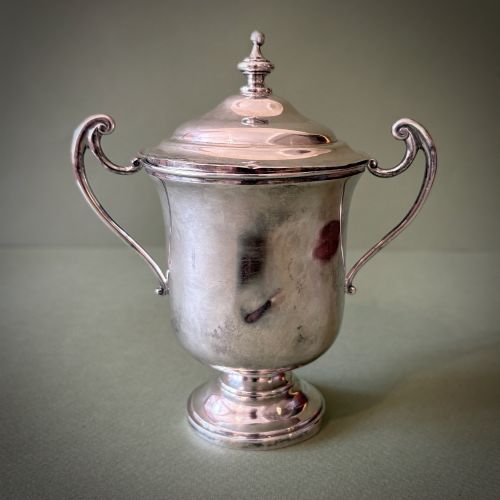
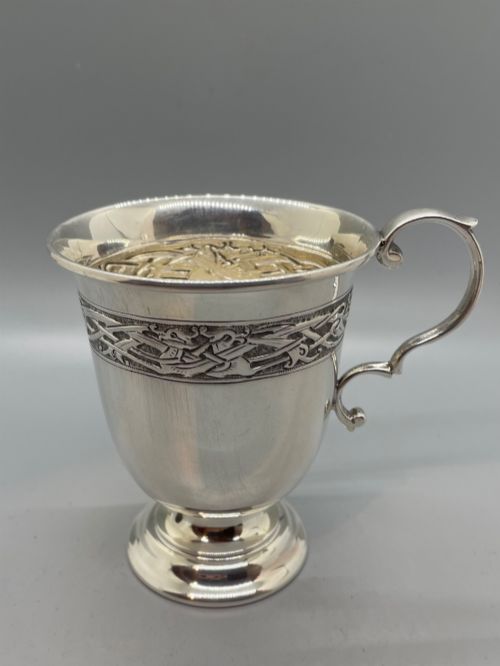
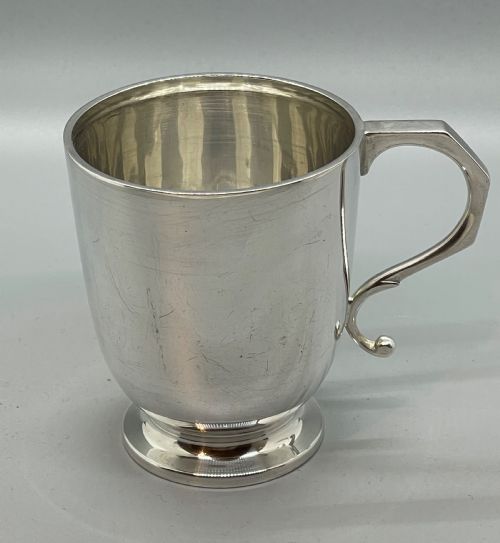
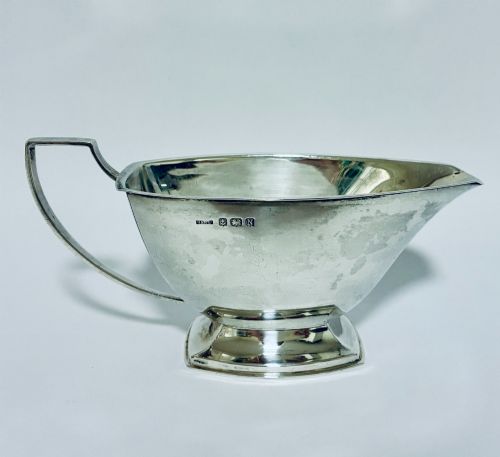
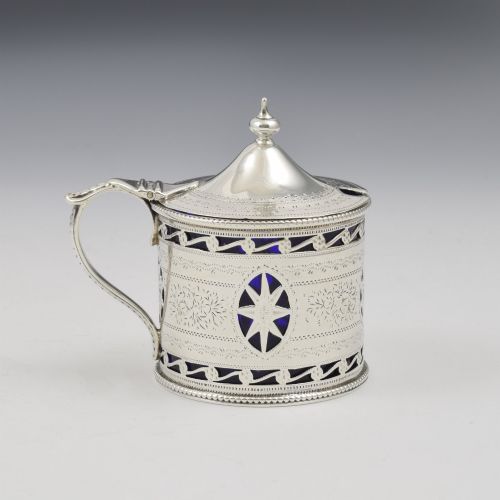
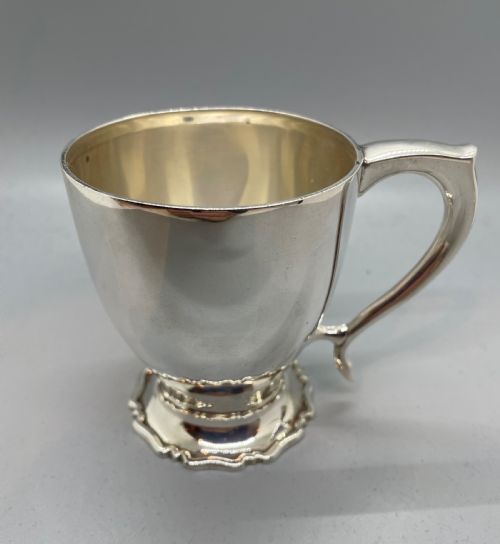
When searching for a sterling silver vessel, buyers encounter an array of domestic and ceremonial forms spanning the Georgian, Victorian, and Edwardian eras. The selection on this page leans heavily toward functional tableware, including mustard pots, condiment containers, and drinking vessels such as mugs, tankards, and christening cups.
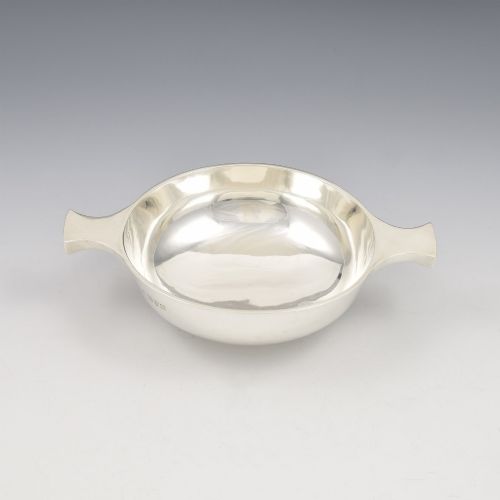
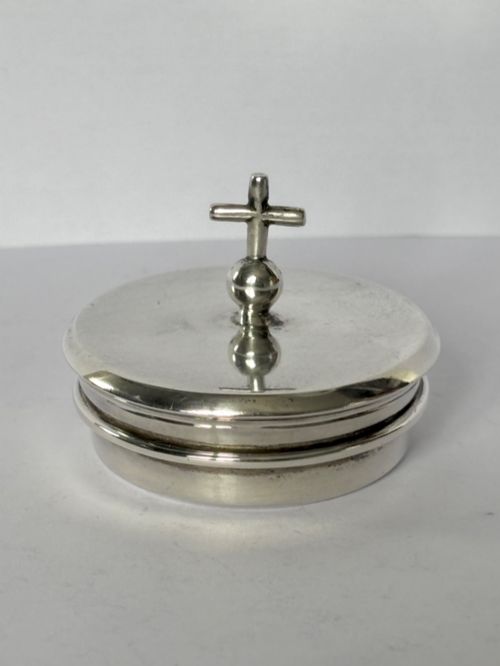
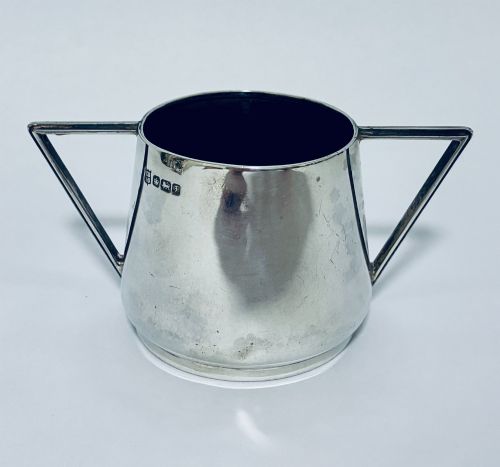
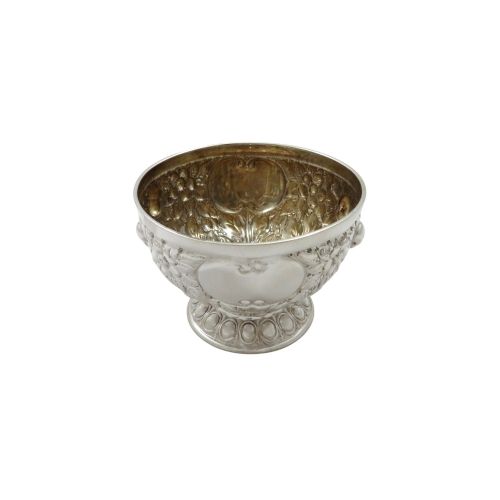
Alongside these dining table accessories appear specialised pieces such as sugar bowls, porringers, quaichs, and ecclesiastical pyx boxes. The origins stretch from provincial English assay offices to London workshops, alongside occasional continental and Anglo-Indian examples.
The aesthetic vocabulary shifts across these periods from the restrained neoclassical lines of the late eighteenth century to the pierced intricacies of the late Victorian era and the clean geometries of Art Deco design.
Materials and construction
The primary material across these listings is solid sterling silver, frequently paired with contrasting interior liners of cobalt blue glass or combined with stoneware bodies featuring silver collars and hinged lids. Certain ceremonial and ecclesiastical pieces utilise silver gilt, applying a thin layer of gold over the silver surface to enrich the interior or exterior finish.
Construction techniques combine traditional hand-raising and hammering with piercing, chasing, and casting. Master silversmiths shaped heavy gauge metal into robust vessels, soldering handles and feet securely while ensuring lids aligned precisely with thumbpieces and hinge pins.
Table lighters shaped precisely as canoes provide proof that Victorian smokers appreciated maritime precision alongside their after-dinner cigars.
Distinctions in quality
Quality in a sterling silver vessel resides in the gauge of the metal, the crispness of any chased or pierced ornamentation, and the integrity of the maker's marks. Heavier gauge silver provides a reassuring weight in the hand and resists denting during daily service, whereas thinner metal yields too easily under pressure.
Superior execution shows in the balanced proportions of handles and spouts, the smooth articulation of hinged lids, and the precision of cut-work in pierced baskets and mustard pots. Maker attribution to notable workshops adds further distinction to the physical craftsmanship.
Nathan and Hayes·Barker Bros·Alfred Marston·F. Osbourne and Co·Paul Storr·Walker and Hall·Charles Fox II·John Payne·William Grundy·Mappin and Webb
The Sterling Silver Vessel Glossary
- Sterling silver
- An alloy comprising ninety-two point five percent silver and seven point five percent other metals, usually copper, chosen to provide durability for functional objects.
- Quaich
- A traditional two-handled drinking vessel of Scottish origin, often shallow in profile and used for communal toasts.
- Porringer
- A small, shallow, one or two-handled bowl historically employed for porridges, broths, or bloodletting, later valued as a decorative vessel.
- Pyx
- A small round box used in ecclesiastical contexts to hold sacramental bread.
- Assay mark
- Official stamps applied by an authorised assay office to certify the purity of the precious metal.
Sterling Silver Vessel: Frequently Asked Questions
How do I clean a sterling silver vessel?
Use a soft microfiber cloth and a mild silver dip or paste designed specifically for precious metals, avoiding abrasive brushes that scratch the surface.
Rinse the piece thoroughly in warm water and dry it immediately with a soft cloth to prevent water spots from forming on the polished finish.
Can I use these antique pots for daily dining?
Many mustard pots, condiment jars, and tankards remain robust enough for regular table service provided they are hand-washed promptly after use.
Items containing glass liners or delicate blue glass inserts require gentle handling to protect the fragile interior components from thermal shock.
How do I date a piece of antique silver?
Examine the hallmarks stamped directly onto the metal, which typically include a date letter corresponding to a specific assay office year cycle.
Additional duty marks and maker's initials help narrow down the decade of production alongside the prevailing decorative style of the period.