



Victorian Wine Bucket
A victorian wine bucket brings nineteenth-century hospitality to the table, combining heavy metal or coopered timber with practical service.
Victorian Wine Bucket
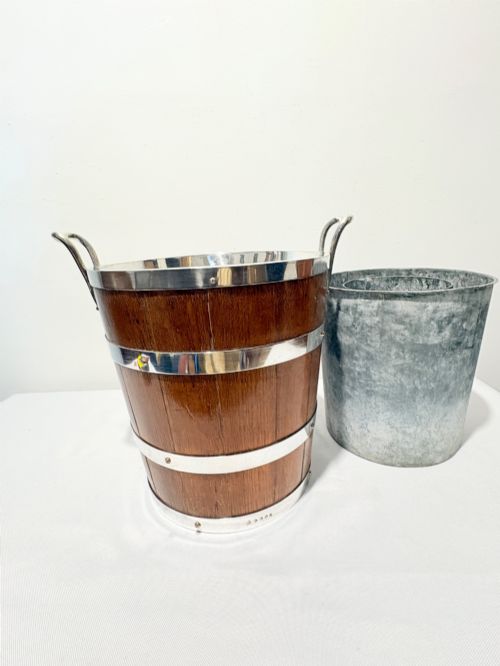
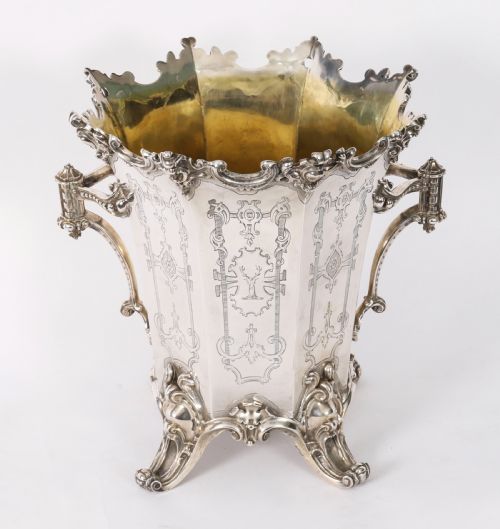
When you search for a victorian wine bucket, you encounter heavy metal coolers and coopered timber vessels designed to chill bottles or hold ice during dining. These pieces cross paths with planters, jardiniere stands, and peat buckets due to similar cylindrical forms and watertight liners.
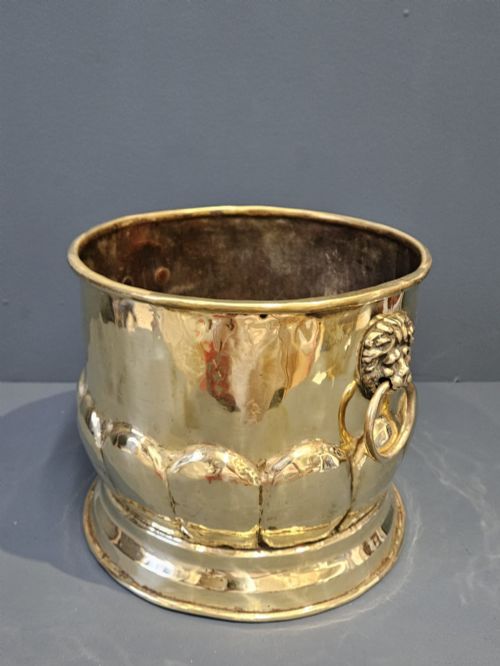
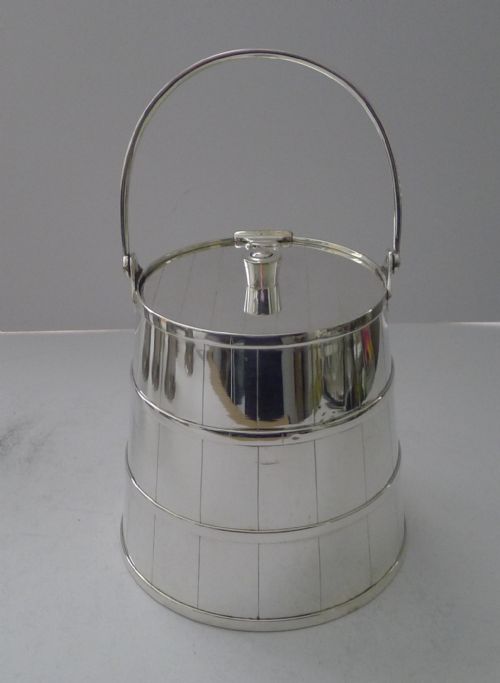
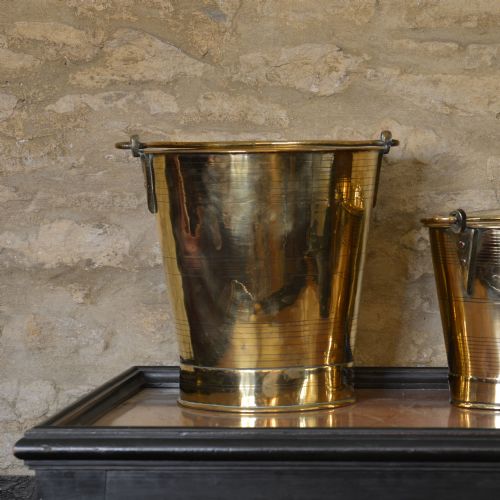
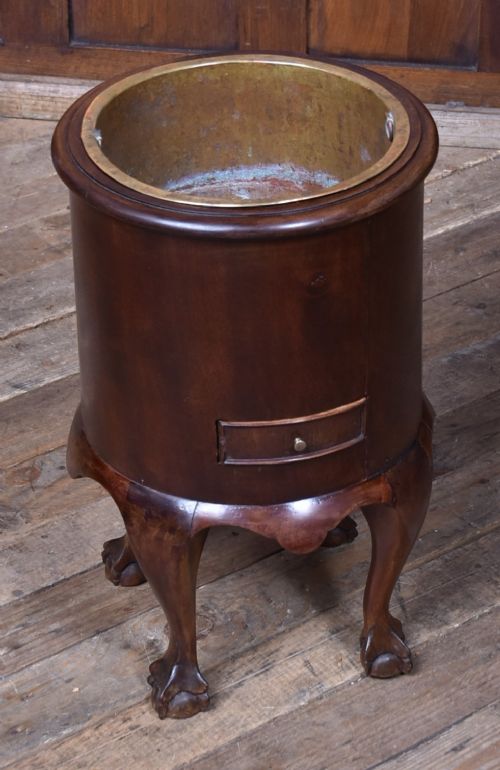
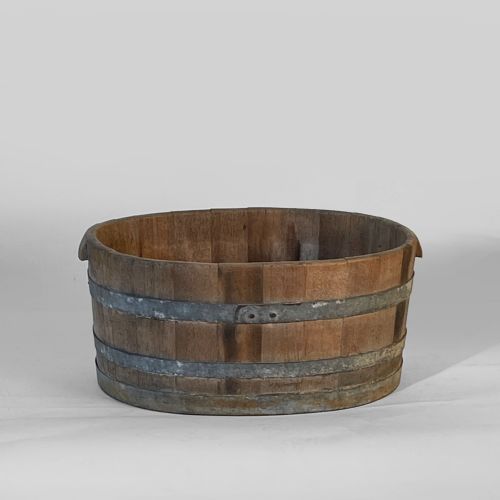
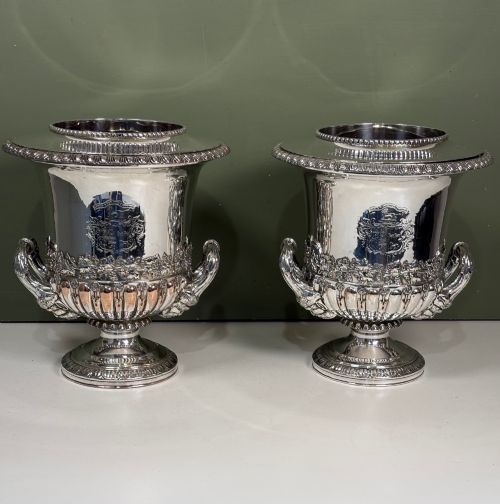
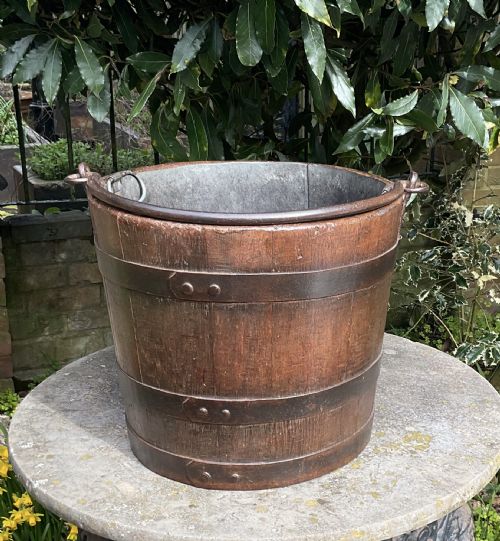
The most common versions on this page are silver plated ice buckets and brass vessels dating across the nineteenth century, alongside oak and mahogany coopered tubs bound in brass. Makers shaped these objects for country houses and formal dining rooms, utilising durable metals and dense hardwoods to withstand constant service.
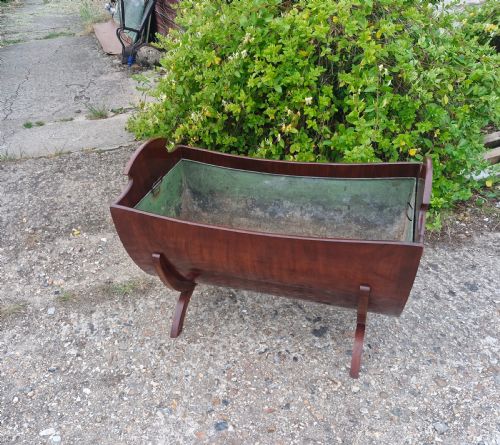
Forms range from boat-shaped jardiniere bodies to twin-handled champagne holders and campaign vessels, reflecting diverse domestic requirements. Stylistic influences span from Georgian revival and Victorian Rococo to Arts and Crafts movement ideals and Anglo-Indian craftsmanship.
How They Were Made
Coopers constructed timber buckets from staves of oak, mahogany, or walnut, binding the wooden bodies with tight bands of brass or iron to maintain structural integrity. Metal vessels utilised heavy brass, copper, or silver plate on copper, often shaped through spinning, casting, or panel assembly.
Many examples incorporated specialised internal components, such as ceramic creamware liners, zinc inserts, or metal bowls designed to hold ice and water securely. Silversmiths and metalworkers applied decorative engraving, applied handles, and crests to finished surfaces using traditional hand tools.
A few nineteenth-century households apparently trusted their claret to vessels previously employed as oyster buckets.
What Varies in Quality
The distinction between standard utility items and top-tier pieces rests on the weight of the metal and the precision of the timber joinery. Heavy gauge silver plate or substantial oak staves indicate superior construction intended for long-term domestic service.
Artisanal touches separate ordinary vessels from exceptional works, visible in hand-cut dovetails, crisp cast handles, and original ceramic liners. Maker signatures from established electroplating firms or specialist silversmiths elevate the standing of metal pieces within the range.
Elkington Mason And Co·Hawksworth Eyre And Co
The Victorian Wine Bucket Glossary
- Coopered
- Built from wooden staves fitted together edge-to-edge and bound with metal hoops. This technique created watertight vessels such as tubs and buckets.
- Silver Plate
- A thin layer of silver fused or electroplated onto a base metal such as copper or brass. This method provided the appearance of solid silver at a lower cost.
- Jardiniere
- An ornamental pot or stand designed to hold growing plants or flowers. These items often shared identical forms with nineteenth-century ice buckets.
- Celleret
- A lockable container used for storing wine bottles near the dining table. Many examples adopted similar timber and brass-bound construction methods.
Victorian Wine Bucket: Frequently Asked Questions
How were wine buckets used?
These vessels stood beside dining tables filled with ice and water to chill champagne or wine bottles during meals. Domestic staff also utilised similar coopered tubs for washing glassware or transporting peat.
Over time, households repurposed many of these durable metal and wooden containers as decorative planters or umbrella stands in hallways and drawing rooms.
Are original liners usually present?
Many surviving pieces retain their original internal components, such as ceramic creamware liners, zinc inserts, or fitted metal bowls designed to contain melting ice. These internal elements protected the outer wooden staves and metal bodies from prolonged moisture exposure.
When a liner survives intact, it adds significant historical integrity to the object and confirms its original function as a cooler.
How do I care for these materials?
Metal surfaces require gentle cleaning with appropriate silver or brass polishes to maintain the finish without removing thin plating. Wooden staves and coopered bodies benefit from occasional wax treatment to prevent the timber from drying out.
Keeping liners dry when not in use prevents corrosion and protects the underlying structure from moisture damage.
How can I tell periods apart?
Early nineteenth-century pieces often display Georgian proportions and heavy cast mounts, while mid-Victorian items favor ornate revival decoration and silver plating. Late nineteenth-century examples frequently show Arts and Crafts influence through hand-hammered copper surfaces and simpler structural lines.
Maker marks, registration numbers, and fastening methods also help narrow down the exact decade of production.