


Pedestal Wine Cooler
When you seek a pedestal wine cooler, you look for a stately vessel designed to chill bottles in style.
Pedestal Wine Cooler
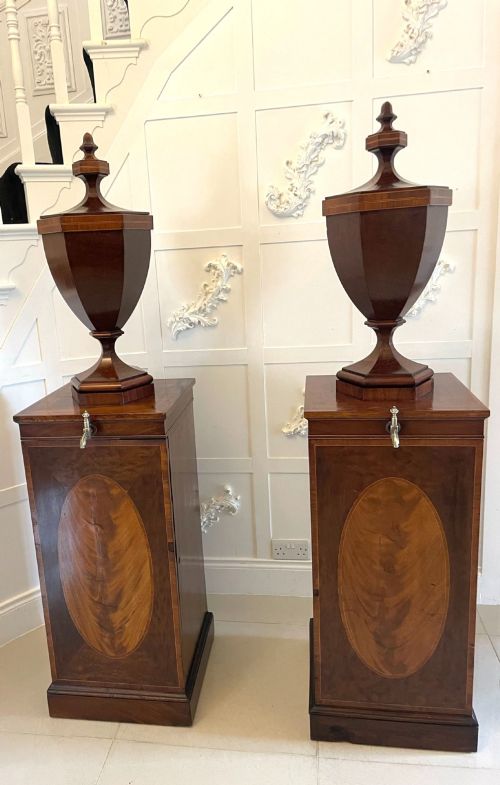
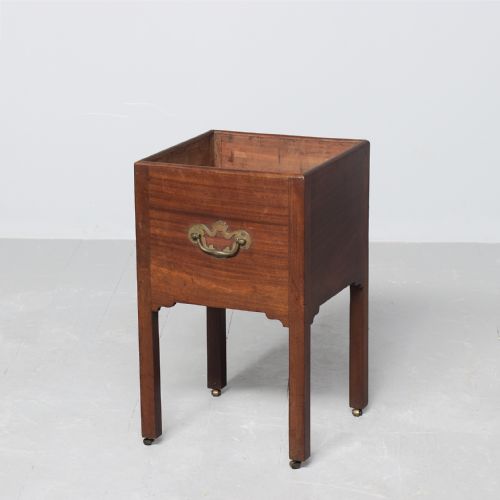
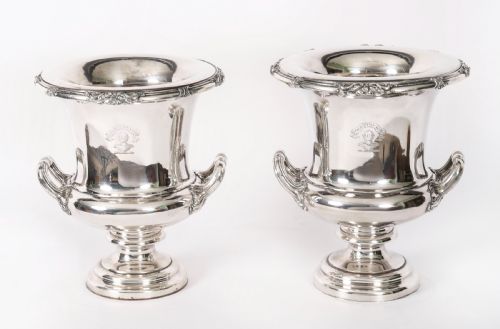
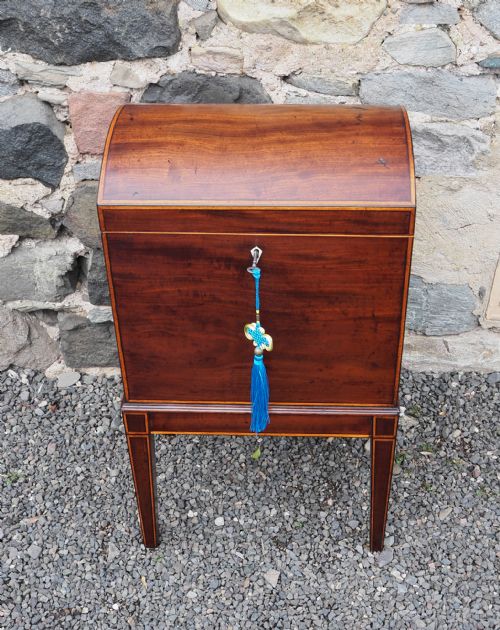
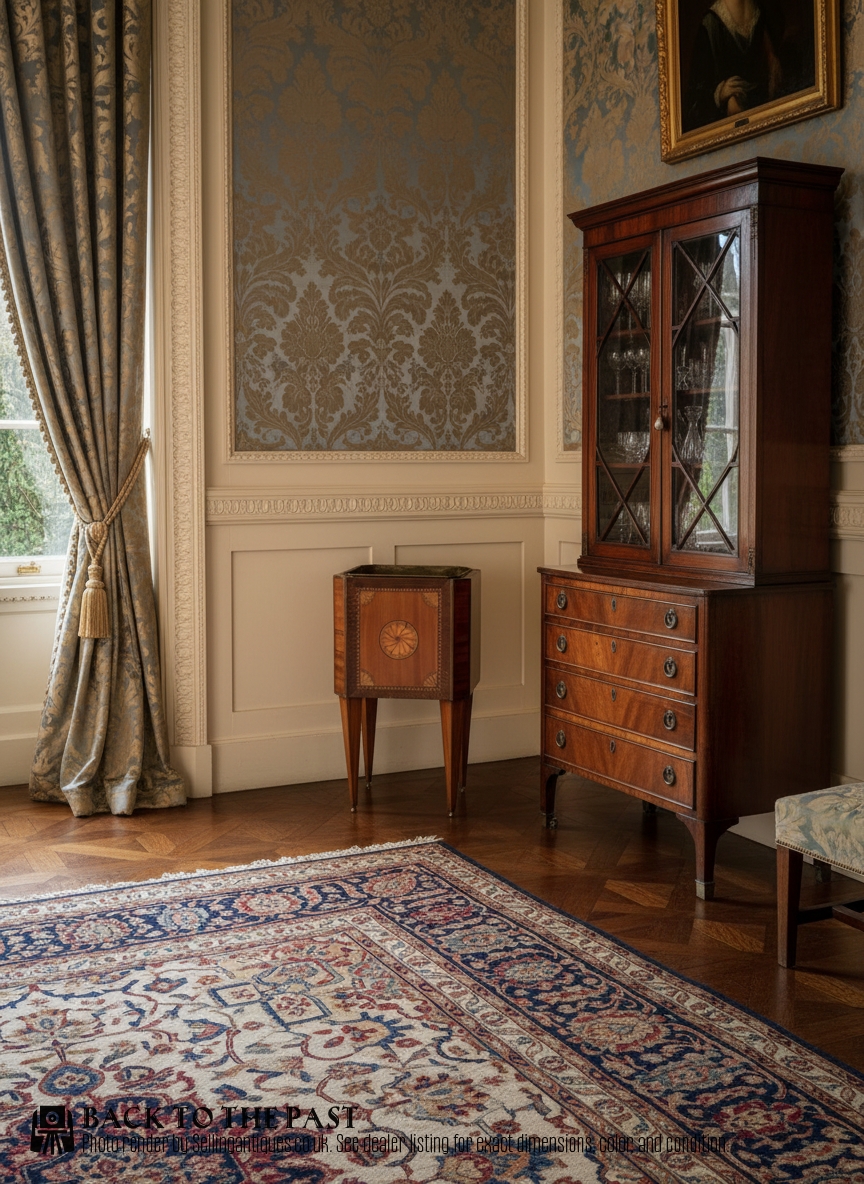
A pedestal wine cooler brings refined hospitality to a dining room, holding ice and bottles upon a raised stand or footing. These items emerge from periods such as the Georgian, Regency, and Victorian eras, often taking the form of cellarettes, urns, or large planters adapted for the table or floor.
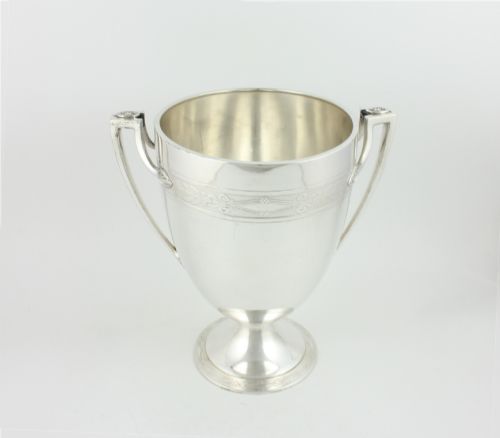
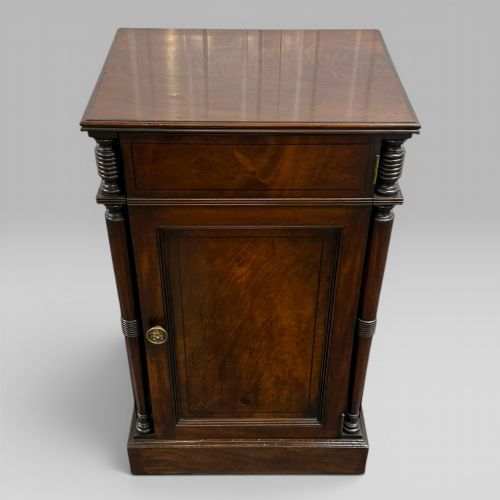
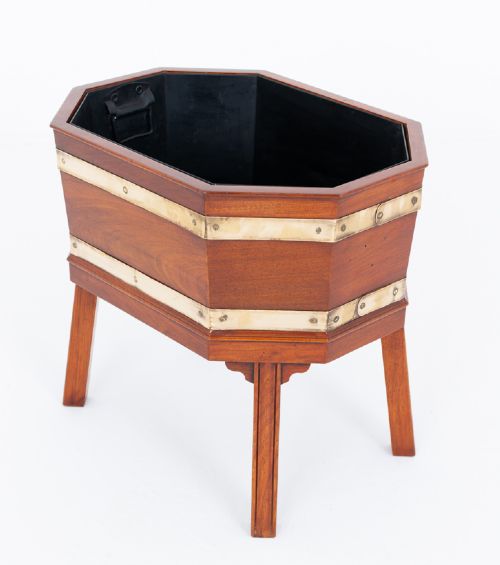
Most examples found in these records lean towards timber construction like mahogany, satinwood, and oak, frequently bound with brass or lined for practical use. Alongside wooden varieties, metal pieces in silver plate, copper, and bronze appear, reflecting formal dining traditions of the eighteenth and nineteenth centuries.
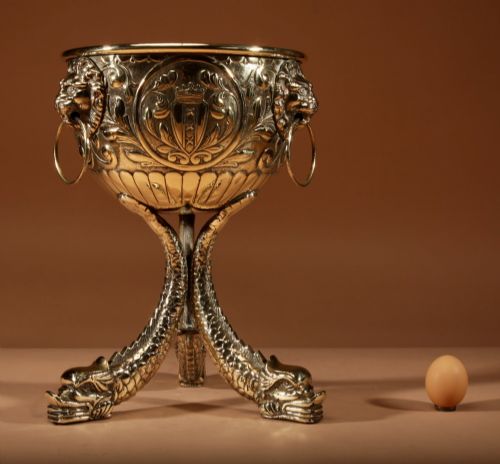
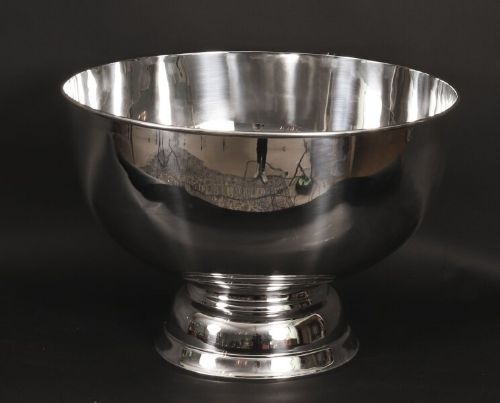
Buyers also encounter related serving vessels, including jardinières, punch bowls, and ice buckets that share the function of communal refreshment. These forms bridge the gap between heavy furniture and portable tableware, offering a focal point for historic interiors.
Materials and Construction
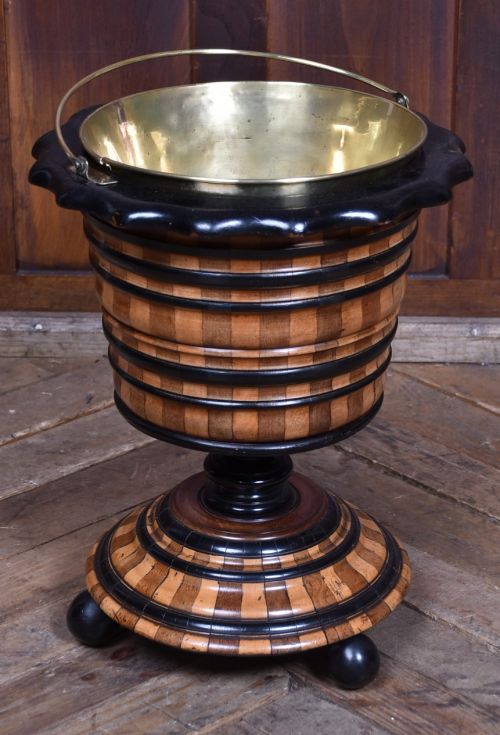
Cabinetmakers utilised dense hardwoods like mahogany and walnut, employing fine joinery and satinwood inlay to create smooth, decorative surfaces. Coopered construction using wooden staves bound with brass bands appears frequently, ensuring waterproof strength for holding ice and liquid.
Metal vessels rely on casting, embossing, and silver plating over copper or base metals, giving rise to heavy campana-shaped urns and campana vases. Pontypool-type japanned tin-ware introduces a painted metallic finish, showing the variety of workshops producing functional luxury.
Pedestal Wine Cooler Retail Price Guide 2026
Typical asking prices for pedestal wine cooler among the pieces listed under this phrase on Sellingantiques today, from the lower quarter to the upper quarter. They describe what is for sale here now, not the wider market.
A Paris restaurant contributed a pewter champagne bowl to the selection, bringing a touch of French hospitality to the collection.
Judging Quality and Craft
The distinction between ordinary and exceptional pieces lies in the crispness of the carving, the precision of the wood inlay, and the weight of the metal used. Superior items display harmonious proportions and original fittings rather than later replacements.
Makers integrated functional elements like brass liners and handles with careful attention to durability, ensuring the vessel could bear the heavy load of ice and wine. The survival of original pedestals and matching pairs elevates the significance of a piece within historical collections.
Gillows·Christofle·Mappin & Webb·Barker Ellis·Alexander Clarke & Co·Lipscombe & Co
The Pedestal Wine Cooler Glossary
- Cellarette
- A lockable container used for storing and chilling wine bottles in the dining room. It often stands on legs or a dedicated pedestal.
- Jardiniere
- An ornamental pot or stand designed to hold plants or flowers, frequently utilised interchangeably with wine cisterns in historical settings.
- Old Sheffield Plate
- An early method of fusing a thin layer of silver onto a thicker copper base, common in eighteenth and nineteenth-century cooling vessels.
- Campana
- A bell-shaped vessel style inspired by classical antiquity, often seen in bronze or terracotta wine coolers.
- Coopered
- Constructed from curved wooden staves held together by metal hoops, similar to barrel-making techniques.
Pedestal Wine Cooler: Frequently Asked Questions
How were pedestal wine coolers used?
These vessels stood near the dining table, filled with ice or cold water to chill wine and champagne during lengthy meals.
Servants accessed the bottles easily from the raised stands, keeping the dining surface clear and orderly.
Can these coolers still hold ice and wine?
Many retain their metal liners and waterproof interiors, though modern users often protect historic timber surfaces with modern inserts.
Checking the interior condition helps determine whether a piece remains suitable for active entertaining.
How do I distinguish Georgian from Victorian examples?
Georgian and Regency pieces tend to feature restrained classical lines, mahogany, and fine inlay work, reflecting neoclassical tastes.
Victorian items often display heavier ornamentation, silver plating, and more robust casting techniques typical of later industrial production.
Why are some pieces described as jardinières?
Makers and owners frequently repurposed large decorative bowls and pedestals for floral displays when they were not needed for dining.
This crossover in function means many surviving cooling vessels spent time holding plants.