


Sheffield Plate Wine Cooler
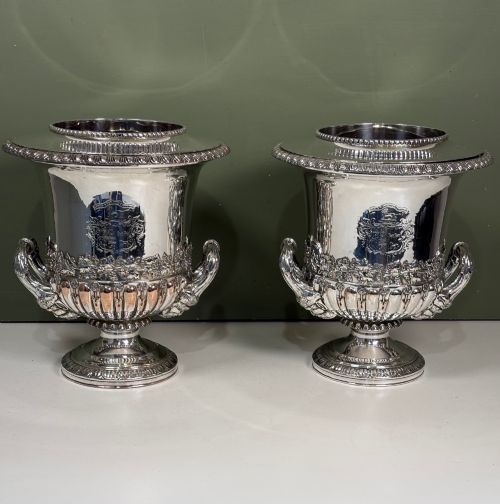
A sheffield plate wine cooler brings the weight of Georgian and Regency dining rooms to the table, fusing copper and silver into substantial vessels built to chill bottles.
Sheffield Plate Wine Cooler
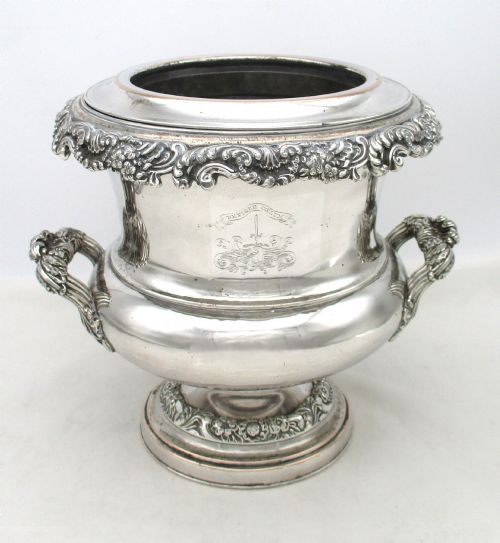
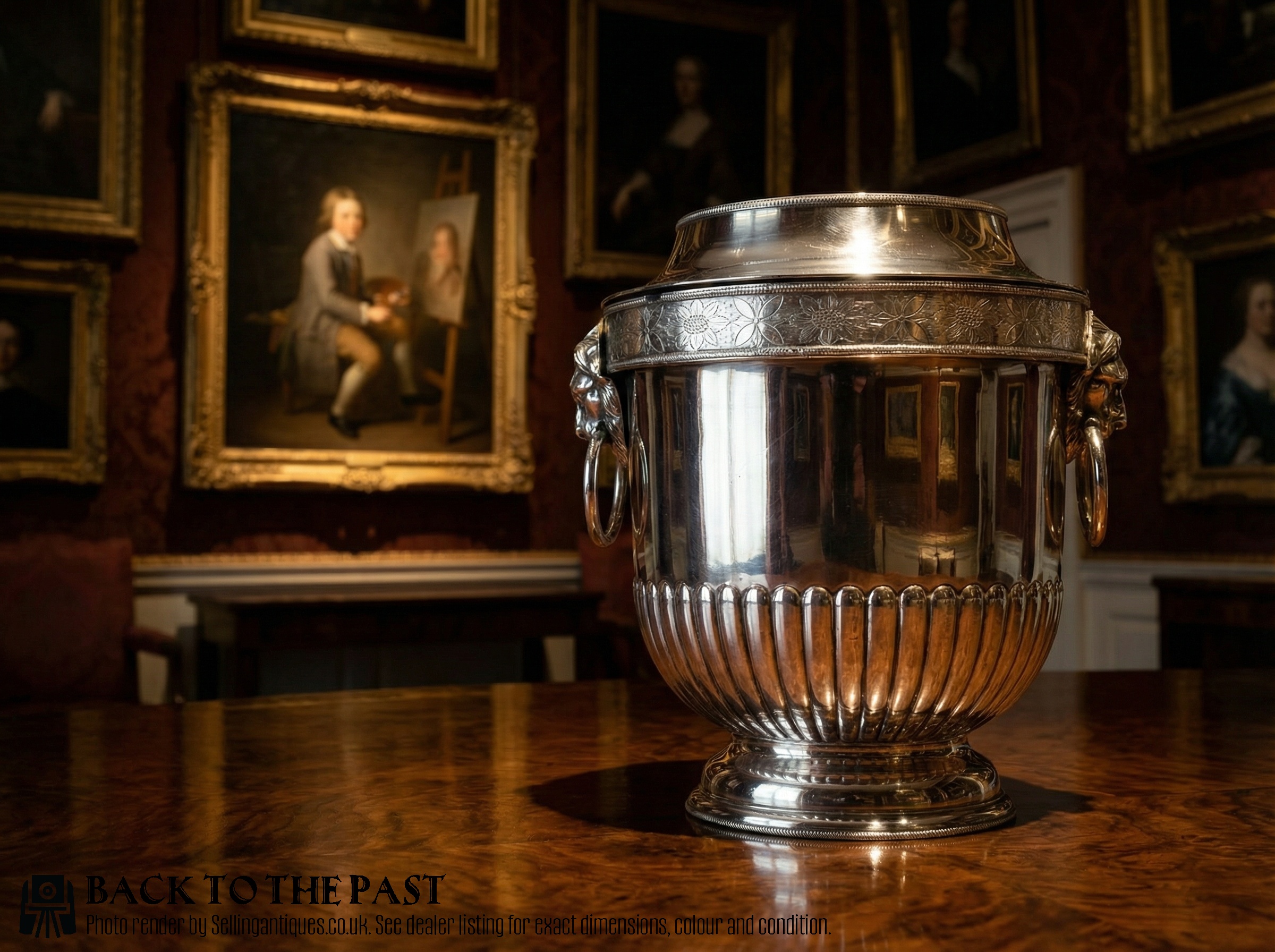
A sheffield plate wine cooler is a drinking vessel designed to hold bottles and ice during formal meals. When searching for this phrase, collectors encounter substantial pieces originating from the eighteenth and nineteenth centuries.
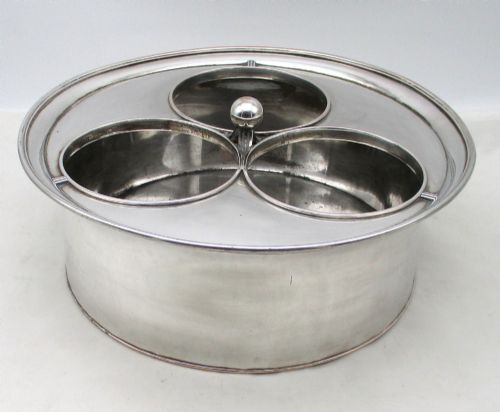
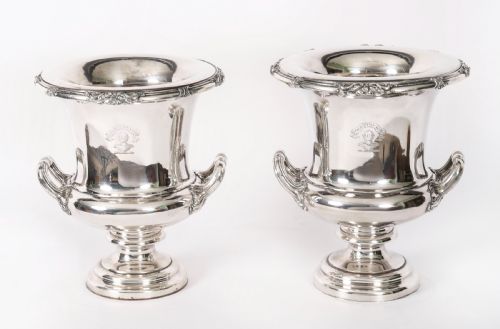
The campana shape dominates the selection, often appearing in matched pairs alongside single coolers and multi-bottle holders. These objects span Georgian, Regency, and Victorian periods, reflecting shifting dining fashions across British households.
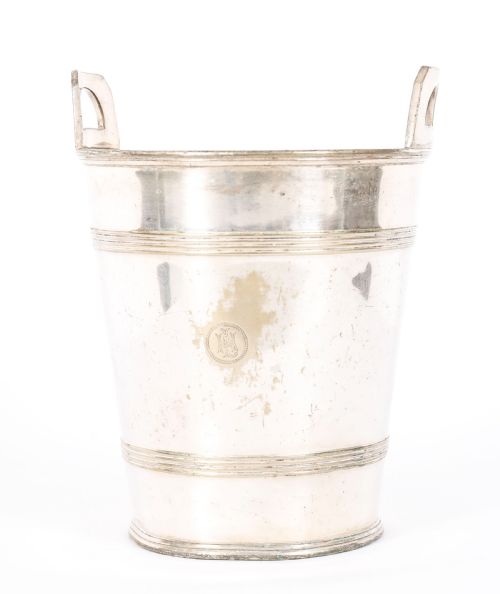
Many examples incorporate applied crests, coats of arms, or engraved family crests that point to original ownership by landed families. Forms range from classical urns to lower coasters and ice buckets designed for champagne and wine.
Materials and Construction
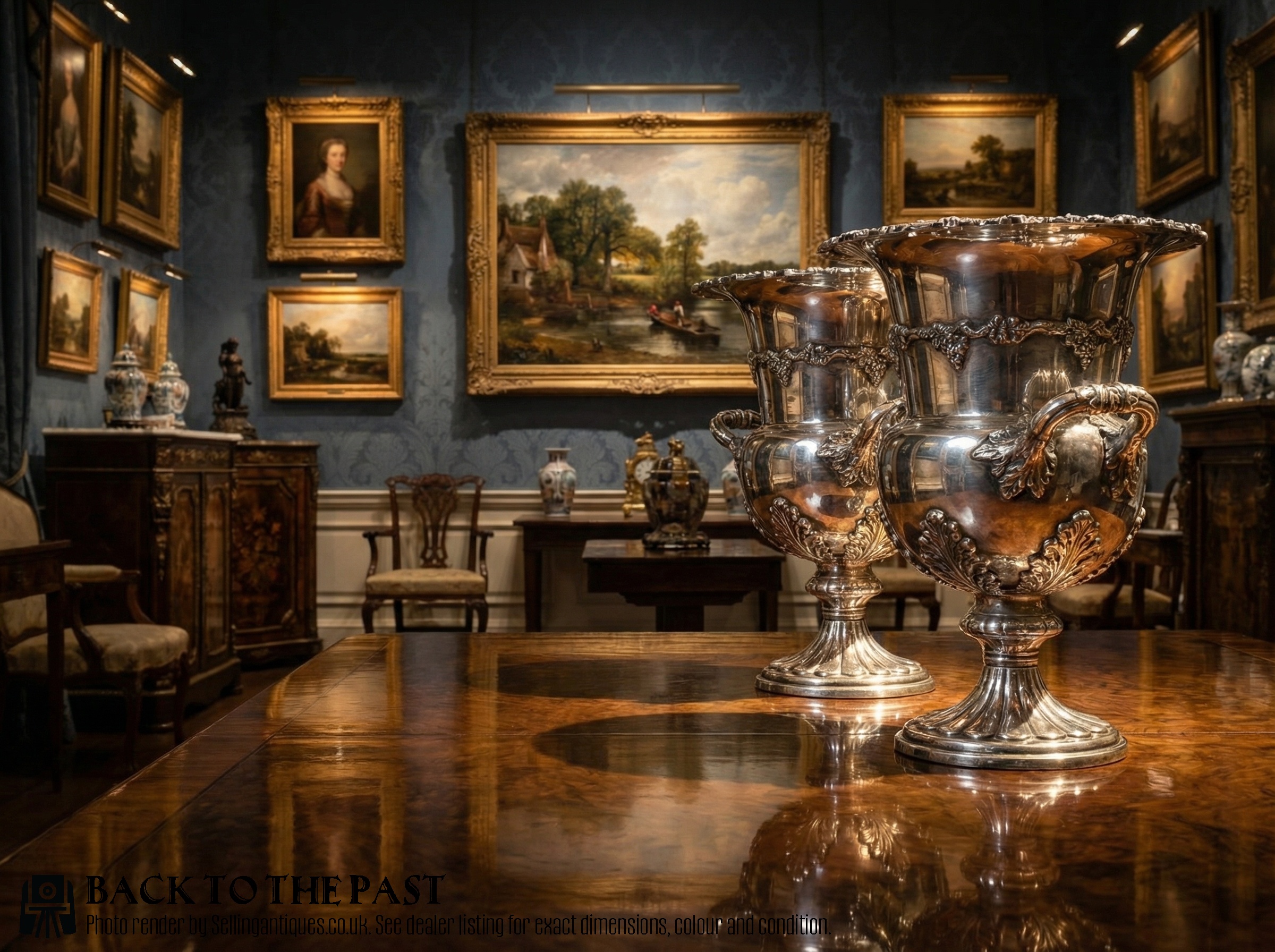
Old sheffield plate relies on a fusion technique where a thin sheet of silver is thermally bonded to a thicker copper core. This creates a durable composite metal that allows makers to work the material while retaining a solid silver exterior.
Makers finished these vessels by soldering cast silver mounts, handles, and borders onto the body. The underlying copper often shows through wear points on raised edges, revealing the sandwich construction characteristic of this early plating method.
Sheffield Plate Wine Cooler Retail Price Guide 2026
Typical asking prices for sheffield plate wine cooler among the pieces listed under this phrase on Sellingantiques today, from the lower quarter to the upper quarter. They describe what is for sale here now, not the wider market.
Listings feature items spanning the eighteenth century through the Art Deco period, utilising silver plate, copper, and base metal.
Evaluating Quality and Craftsmanship
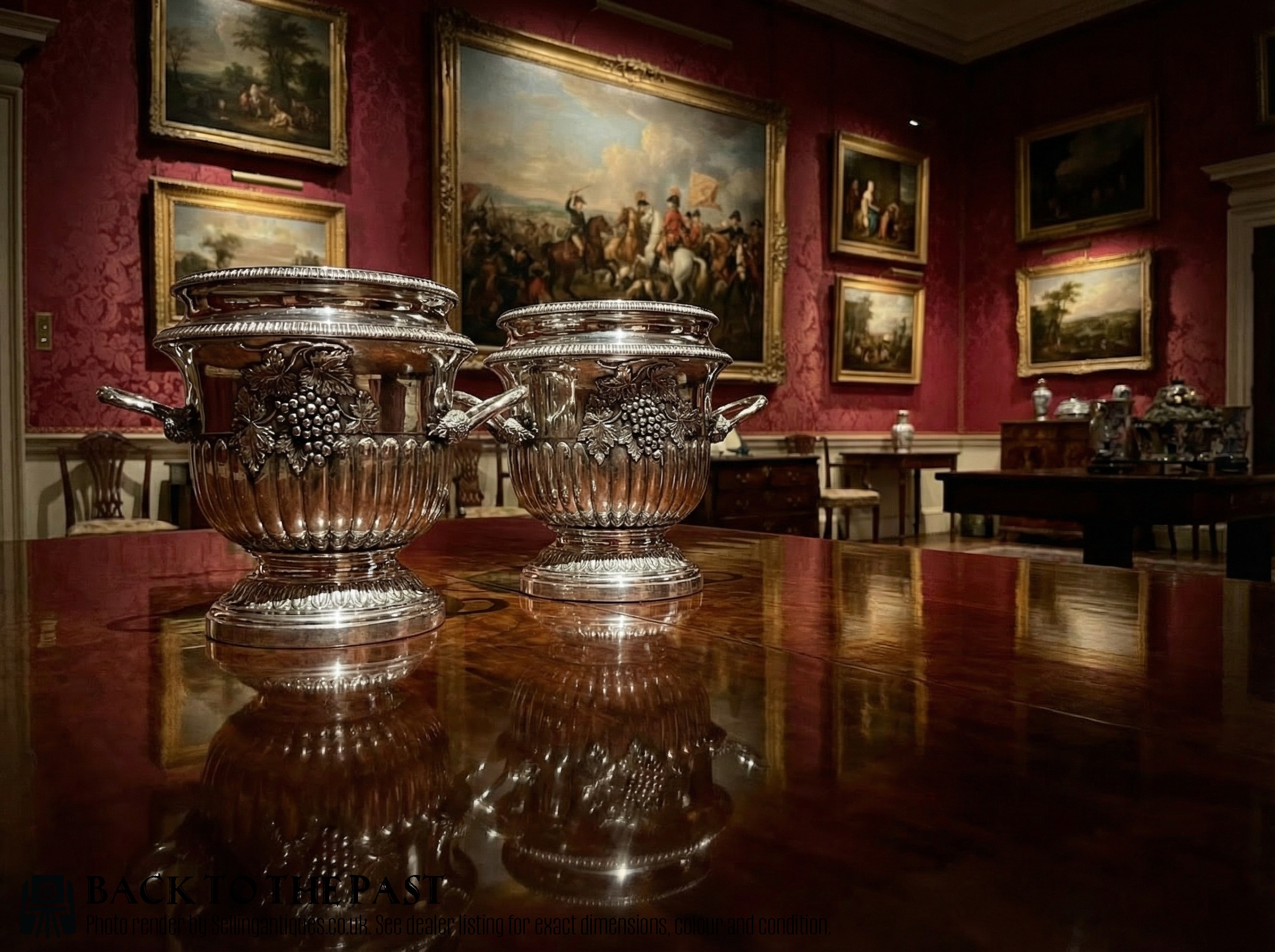
Quality rests in the crispness of chased decoration and the weight of the cast mounts attached to the body. Finer examples maintain deep relief in floral or gadroon borders without softening from excessive polishing over generations.
The integrity of the original silver layer over the copper base dictates the standard of preservation. Pieces retaining substantial silver coverage without heavy base metal bleed demonstrate superior initial manufacturing thickness.
Matthew Boulton & Co·Hutton Sheffield
The Sheffield Plate Wine Cooler Glossary
- Old Sheffield Plate
- A composite material made by fusing silver to a copper core before forming the vessel. This technique predates electroplating and forms the basis of authentic period coolers.
- Campana
- A bell-shaped vessel profile popular during the Regency period. These wine coolers feature flared rims and tapered bases reminiscent of classical urns.
- Gadroon
- A decorative, notched relief border often found along the rim or foot of Georgian silver and plate. It provides a tactile, ornamental edge to heavy drinking vessels.
- Crest
- An engraved or applied heraldic emblem denoting the family of the original owner. These marks add historical context to individual pieces.
Sheffield Plate Wine Cooler: Frequently Asked Questions
How do I clean a sheffield plate wine cooler?
Use a soft cloth and a gentle silver cream formulated for plated items. Avoid harsh dips that can strip the thin silver layer.
Take care around raised edges and engraved crests where the copper base metal sits closer to the surface.
Were these coolers used for ice?
Period pieces served both to chill wine directly in ice and to hold bottles at table temperature during long meals. Many historical listings group them alongside ice buckets.
Water-tight liners were sometimes employed to protect the interior fusion layer from prolonged moisture exposure.
How can I tell old sheffield plate from electroplate?
Old sheffield plate often reveals a thin line of pinkish copper along cut edges or worn high points. Electroplated items introduced later in the nineteenth century show a uniform white metal underneath.
The weight and heft of fused copper plate also differ noticeably from later, lighter electroplated wares.
How do I date a georgian wine cooler?
Examine the overall silhouette, weight, and decorative motifs such as campana shaping or gadroon borders. Georgian and Regency pieces typically show hand-finished cast mounts rather than machine-stamped decoration.
Engraved family crests and hallmarks, where present, help narrow the decade of production.