

Silver Plate Ice Bucket
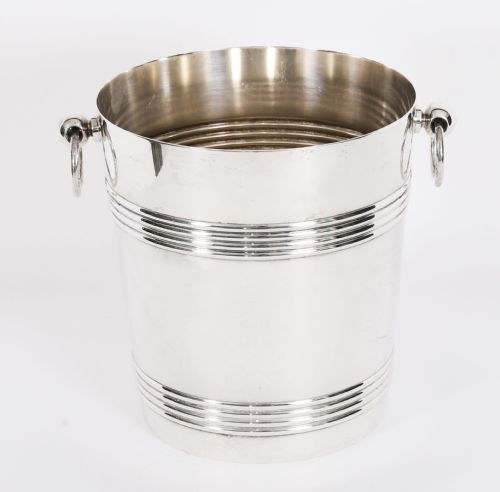
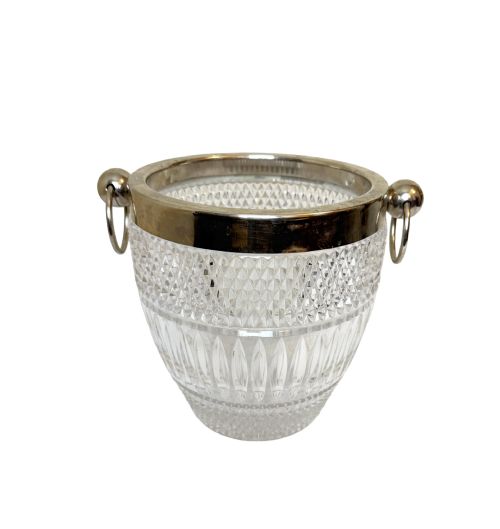
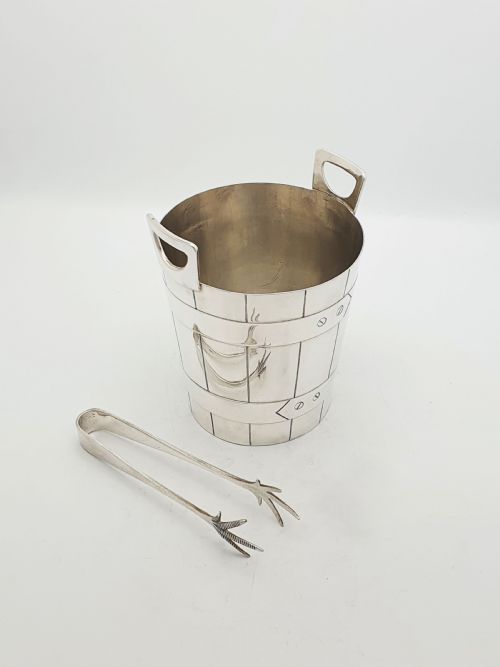
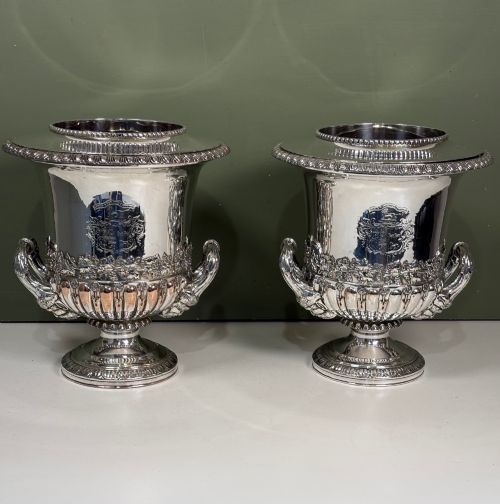
These silver plate ice buckets bring nineteenth-century hospitality and twentieth-century modernist styling to the table, combining heavy metalwork with crystal and glass.
What They Are
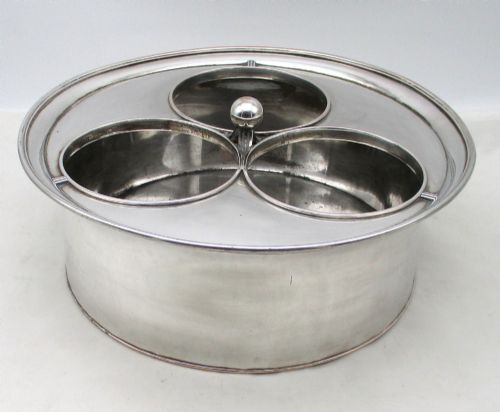
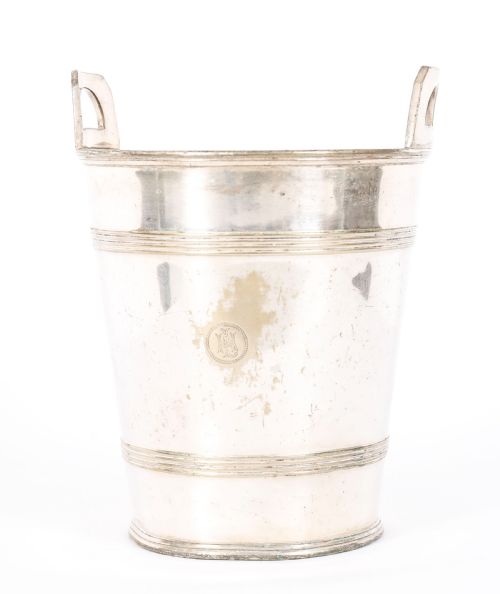
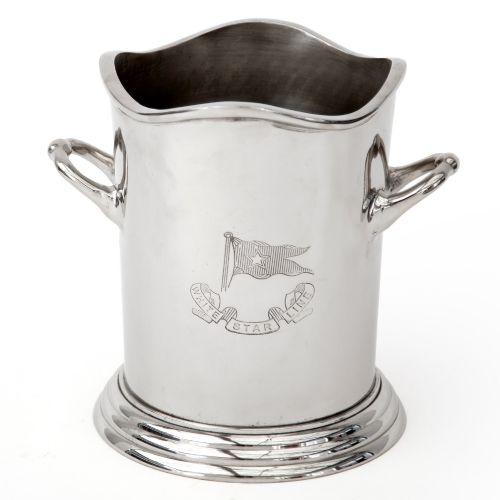
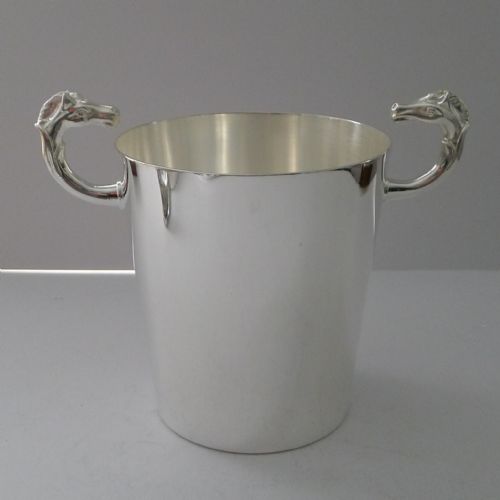
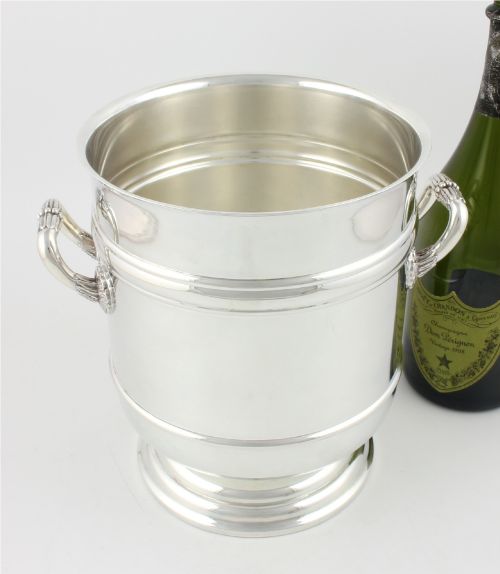
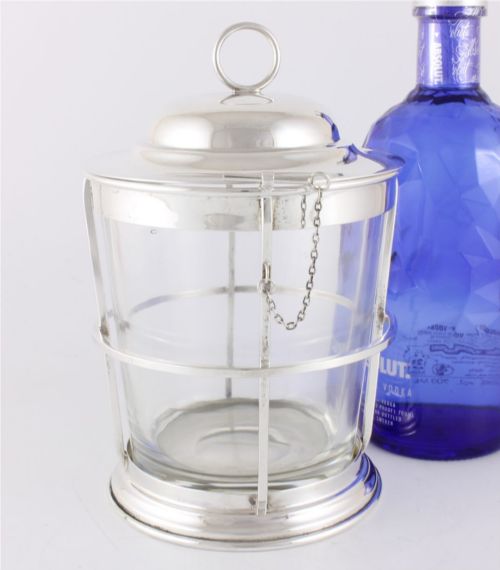
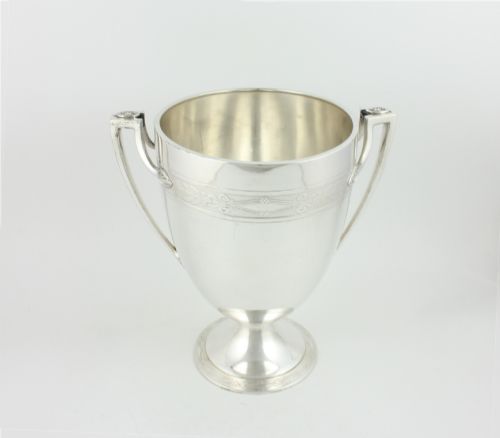
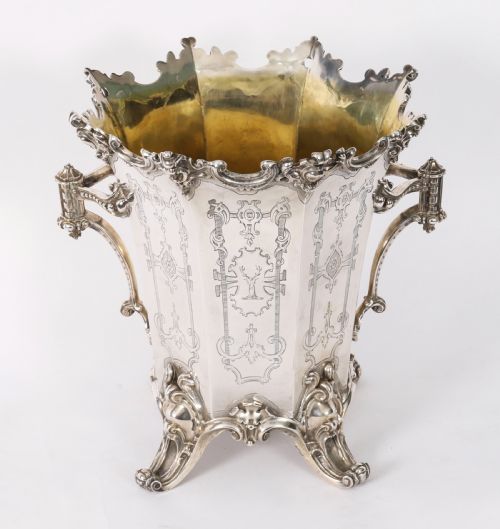
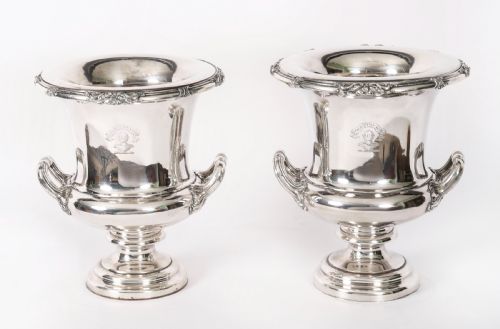
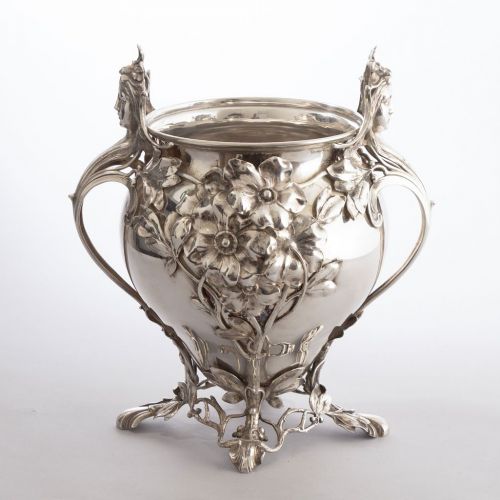
A silver plate ice bucket serves to chill wine or hold ice at the table, encompassing forms from compact nineteenth-century biscuit barrels to large champagne coolers. When searching for a silver plate ice bucket, collectors encounter variations spanning Victorian embossing, Edwardian elegance, and sharp Art Deco geometry. The category includes specialised vessels like wine coolers and ship's lantern ice pails, reflecting changing social habits across the decades.
The selection ranges from early nineteenth-century Old Sheffield plate pieces to mid-century French bistro designs and Italian animal-shaped buckets. Makers combined metal with practical linings, producing glass-lined, crackle glass, and tortoiseshell-lined examples. These items transitioned from formal dining rooms to hotel bars and modern homes, preserving the functions of chilling beverages and presenting table provisions.
How They Were Made
Silversmiths applied layers of silver over base metals such as copper or standard metal alloys, often utilising Old Sheffield plating techniques for early examples. Bodies were formed through hammering, embossing, or casting, creating sturdy receptacles capable of holding ice and liquid. Handles, rims, and decorative mounts were soldered or riveted to the main vessel.
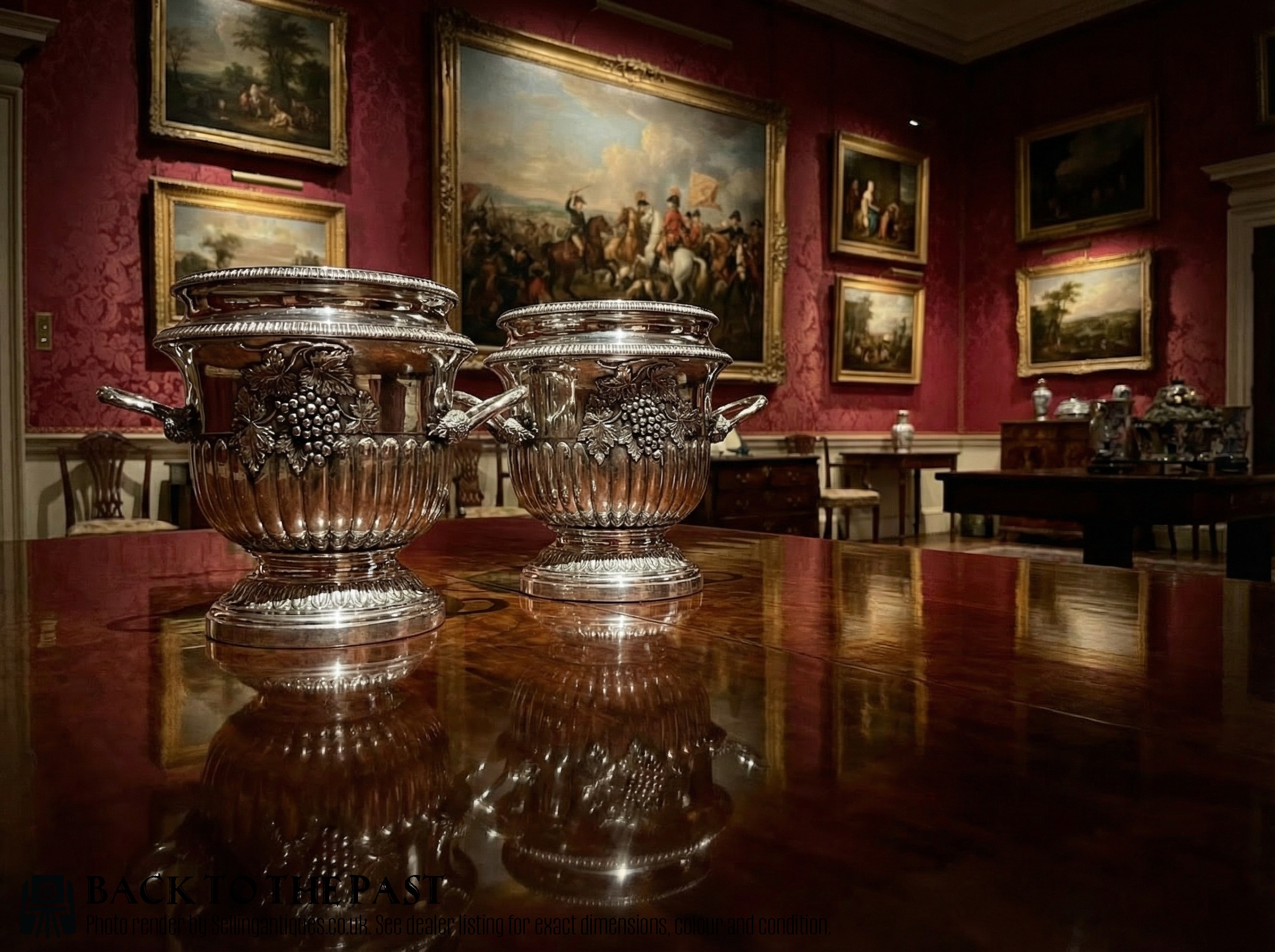
Interiors required protective inserts, leading to the integration of hand-blown glass, cut crystal, crackle glass, and tortoiseshell liners. Makers combined timber, such as oak, with plated metal bands to construct drum-form biscuit boxes and barrels. Surface decoration involved intricate chased patterns, geometric Art Deco fluting, and applied cast motifs like grapes or lions.
Retail Price Guide 2026
Typical UK retail prices for silver plate ice bucket, calculated from the Sellingantiques database of over a million retail prices indexed since 2003. This retail price guide relies exclusively on Sellingantiques data; no external sources or auction records are used, so the figures do not describe the wider market.
Listings feature items spanning the Victorian era through the Art Deco period, incorporating silver plate, copper, oak, and cut glass.
What Varies in Quality
The distinction between standard production and exceptional work lies in the weight of the metal and the crispness of the applied ornament. Heavily embossed panels and sharp, clean cast handles demonstrate superior workmanship compared to mass-produced hotelware. The thickness of the silver plate over the underlying copper or metal dictates longevity and resistance to wear.
Original liners contribute significantly to a piece's integrity, particularly undamaged hand-cut crystal, crackle glass, or specialised tortoiseshell inserts. Maker attribution to established silversmiths and luxury retailers elevates the standing of an ice bucket, separating utilitarian vessels from masterworks of design.
Christofle·Hawksworth Eyre And Co·Mappin And Webb·John Grinsell And Sons·Elkington·WMF
The Silver Plate Ice Bucket Glossary
- Old Sheffield plate
- An early form of plating created by fusing a sheet of silver to a copper ingot before rolling them together into sheets. This technique often reveals a thin line of copper at the edges.
- Crackle glass
- Glass deliberately fractured during production and then reheated to fuse the outer layer while retaining internal web-like patterns. It provides texture and hides condensation on ice buckets.
- Biscuit barrel
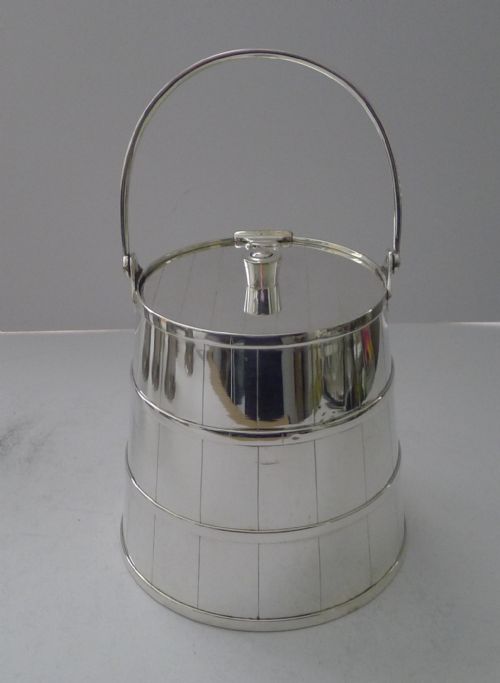
- A covered vessel designed to hold biscuits or dry goods, frequently utilised as an ice bucket due to its insulated lidded form. Many feature ceramic or glass inserts inside wooden or plated bodies.
- Art Deco
- A design style from the nineteen-twenties and thirties characterised by sleek geometric shapes, stylised motifs, and streamlined forms. It dominates mid-period champagne and ice cooler design.
Frequently Asked Questions
How do I clean a silver plate ice bucket?
Wash the vessel gently using warm water and mild washing-up liquid with a soft cloth. Avoid abrasive pads or harsh chemical dips that strip the thin plated silver layer from the base metal.
Dry the piece immediately with a soft lint-free towel to prevent water spots. For tarnish, apply a specialised silver polish sparingly, rubbing in straight lines rather than circles.
How do I date a silver plate ice bucket?
Examine the style of the handles, feet, and decorative motifs, comparing Art Deco geometric lines with Victorian floral embossing or Regency classical restraint. Maker marks and stamps stamped into the base provide clues to active trading periods of the silversmith.
Notice the manufacturing method, such as Old Sheffield copper edges or cast mounts, which indicate earlier production eras. Archive records and historical retail catalogues often confirm specific design dates.
What is the difference between a wine cooler and an ice bucket?
Wine coolers are generally deeper vessels designed to hold a bottle upright surrounded by ice and water for prolonged chilling. Ice buckets tend to be more compact, intended specifically for serving ice cubes to glasses at the table.
Many larger champagne buckets serve both functions interchangeably depending on the occasion. Smaller biscuit barrels were frequently repurposed later as ice containers due to their lidded insulation.