


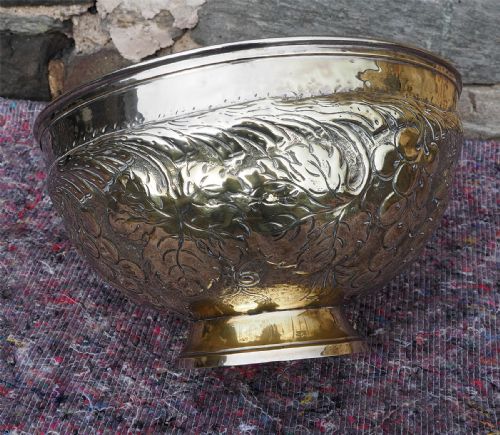


Victorian Silver Wine Cooler
A Victorian silver wine cooler brings grand nineteenth-century hospitality to the table, holding ice or bottles with heavy classical style.
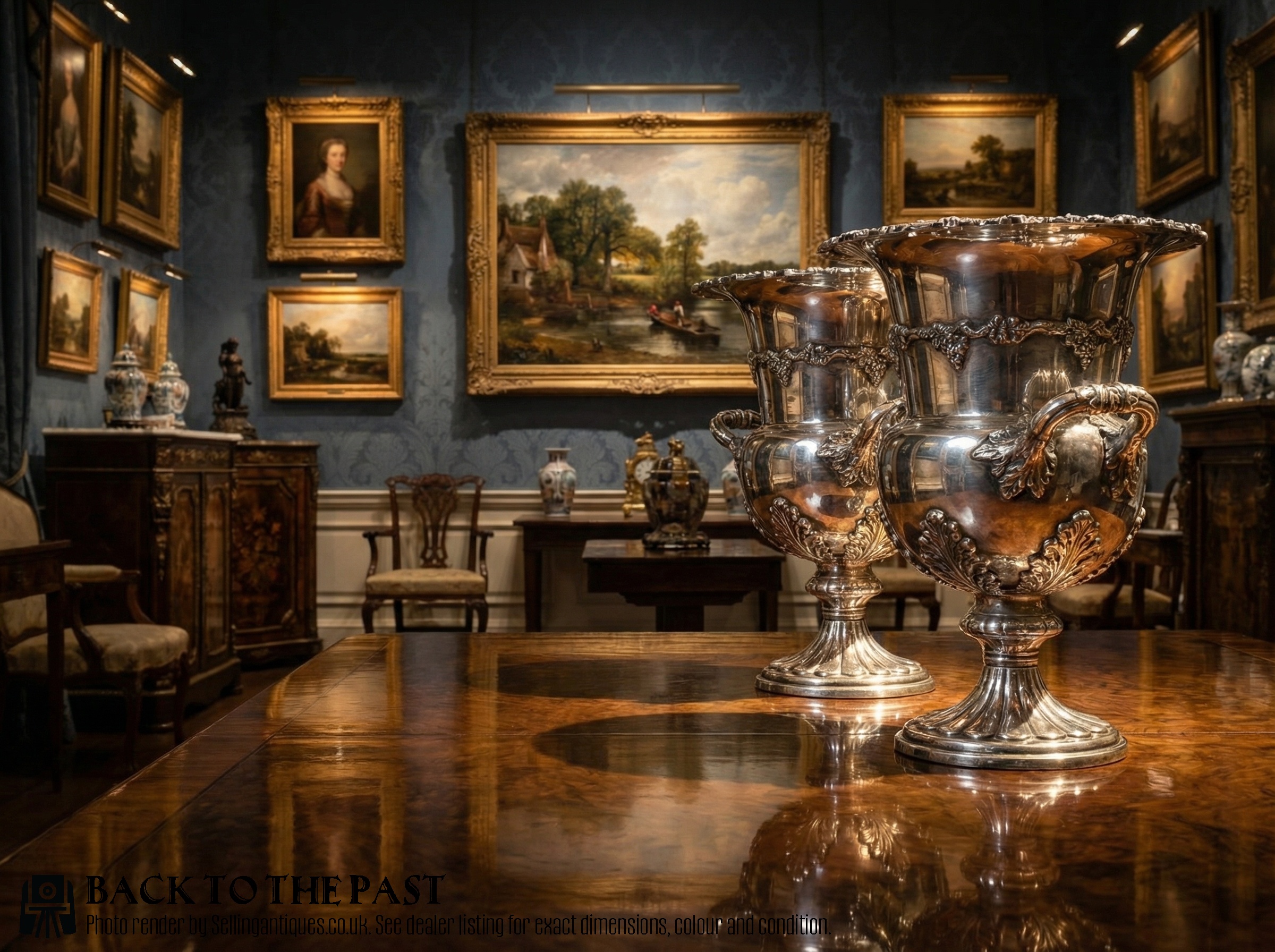
Victorian Silver Wine Cooler
A Victorian silver wine cooler is a heavy vessel designed to chill bottles for the dining table, often appearing alongside punch bowls, ice buckets, and champagne buckets in nineteenth-century forms. The pieces met here span the Victorian era, Edwardian period, and surrounding decades, taking shapes from classical urns to oak barrels.
Most examples found on this page are silver plated or utilise silver plate on copper, though sterling silver and electroplated nickel silver also appear. Makers adapted traditional barware into practical dining accessories featuring glass, ceramic creamware liners, and gilt interiors.
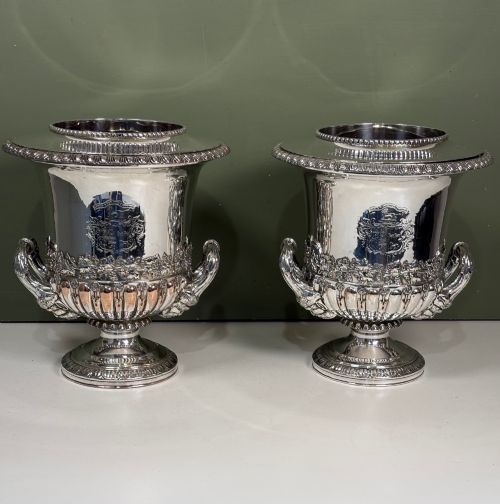
Forms range from twin-handled coolers and large punch bowls to smaller wine coasters and novelty biscuit boxes. Buyers frequently encounter nineteenth-century pairs alongside single vessels bearing maker marks from prominent Birmingham and London workshops.
How they were made
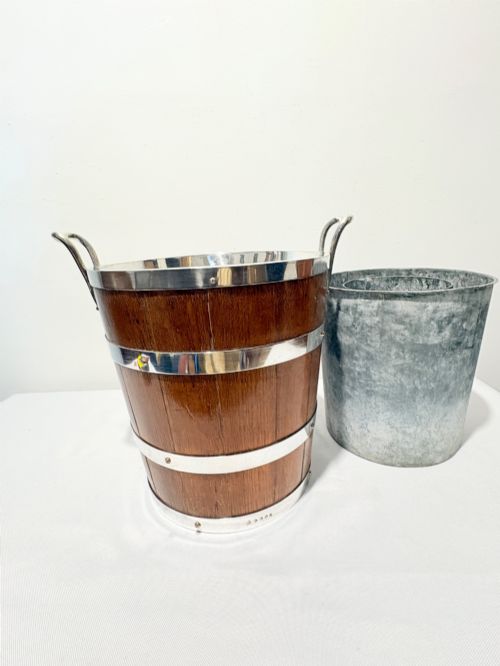
Silversmiths and manufacturers built these vessels using sterling silver or by fusing silver onto copper bases, alongside widespread use of silver plate and electroplated nickel silver. Workshops combined metals with oak staves, glass bodies, and ceramic creamware liners to create durable vessels for ice and wine.
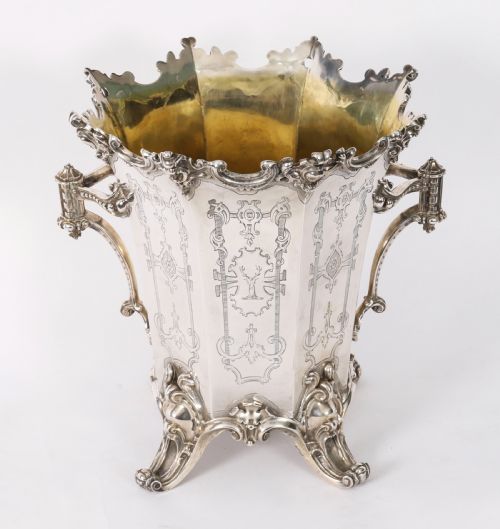
Decorative surface work relied on casting, embossing, and applied mounts, particularly within the Victorian Rococo Revival style. Gilt interiors provided protection against acidic wine and added a contrasting layer of colour inside the bowl.
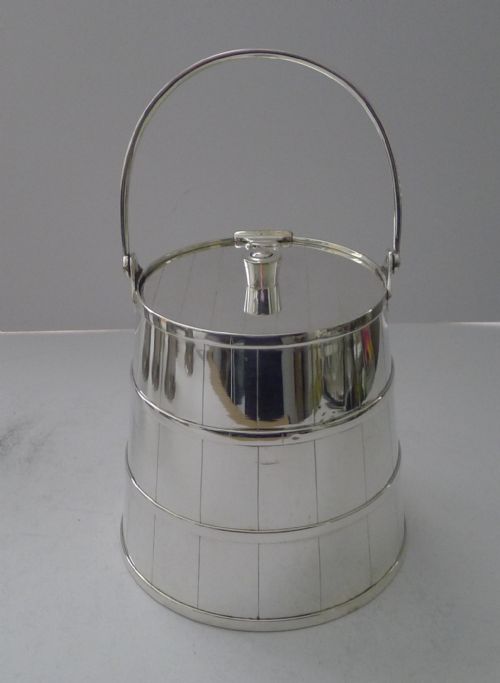
Some nineteenth-century diners preferred their ice served from novelty biscuit boxes disguised as wooden barrels.
What varies in quality
The distinction between ordinary production and superior work lies in the crispness of chased ornament and the weight of the metal base. Master silversmiths executed handles, cast rims, and heraldic crests with sharp detail that survives heavy polishing.
Integrity of construction separates standard pieces from exceptional ones, particularly where secondary materials like oak staves, ceramic liners, and glass inserts remain original to the frame. Maker attribution to notable firms also distinguishes standard utilitarian barware from exhibition-grade presentation pieces.
Elkington, Mason & Co·Hawksworth, Eyre & Co·Benjamin Smith II
The Victorian Silver Wine Cooler Glossary
- Silver Plate
- A thin layer of silver bonded to a base metal, usually copper or nickel brass. This technique allowed Victorian makers to produce large vessels at a lower cost than solid sterling silver.
- Old Sheffield Plate
- An early method of fusing a sheet of silver to a copper ingot before rolling them together. This process often reveals thin lines of copper along exposed edges on nineteenth-century pieces.
- Electroplated Nickel Silver
- A modern base metal alloy coated with silver using an electrical current. It replaced older plating methods during the mid-nineteenth century and provided a uniform, durable finish.
- Creamware
- A fine light-coloured earthenware developed in the eighteenth century. Liners made from this ceramic frequently sit inside oak and silver-plated ice buckets.
Victorian Silver Wine Cooler: Frequently Asked Questions
How do I clean a silver wine cooler?
Wash the vessel in warm soapy water using a soft cloth, avoiding harsh abrasive dips that strip thin plating.
Dry the metal immediately with a lint-free towel to prevent water spots and preserve the original polish.
Are these coolers safe for ice and bottles?
Most nineteenth-century coolers handle ice and chilled bottles safely, provided the interior plating remains intact.
Pieces with ceramic creamware or glass liners require gentle handling to protect the internal fittings from thermal shock.
What is the difference between plate and sterling?
Silver plate applies a thin coating of precious metal over a base metal such as copper or nickel.
Sterling silver consists of solid precious metal throughout, usually marked with official assay office hallmarks indicating purity.
How do I date a Victorian wine cooler?
Examine the piece for stamped maker marks, registry numbers, or silver hallmarks that indicate the year of manufacture.
Stylistic clues such as Rococo Revival scrolls or oak construction also point toward specific decades in the nineteenth century.