

Antique Silver Plate Cooler
An antique silver plate cooler serves champagne and wine with historical weight, spanning Georgian urns to sleek Art Deco buckets.
Antique Silver Plate Cooler
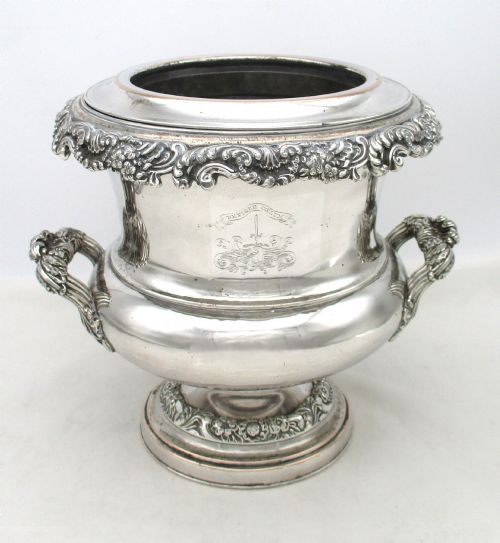
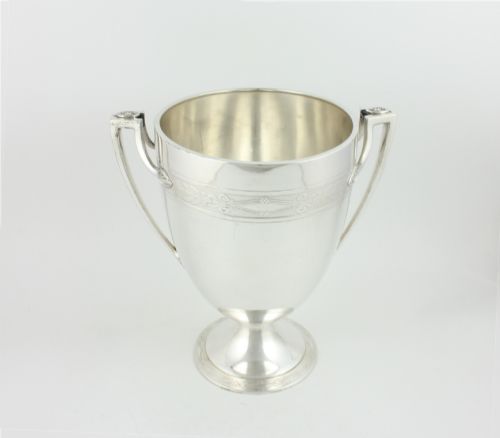
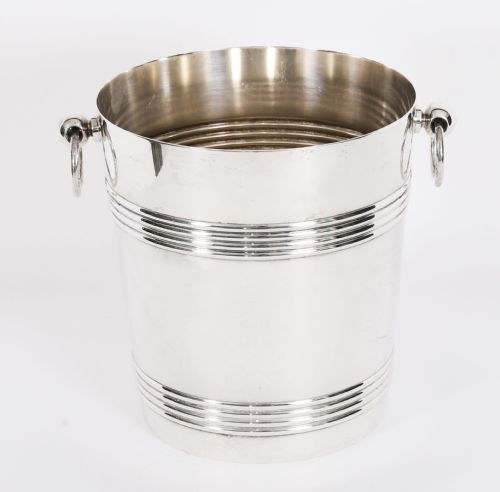
An antique silver plate cooler meets collectors looking for functional serveware designed to chill wine and champagne at the dining table. These vessels range from Georgian and Victorian wine urns to Edwardian ice pails and streamlined Art Deco champagne buckets.
Many examples emerge from the nineteenth century, including Old Sheffield Plate pieces that show the underlying copper where the outer layer of silver has worn thin through centuries of polishing. Later twentieth-century specimens reflect shifts towards electroplated nickel silver and international manufacturing by makers like Christofle and WMF.
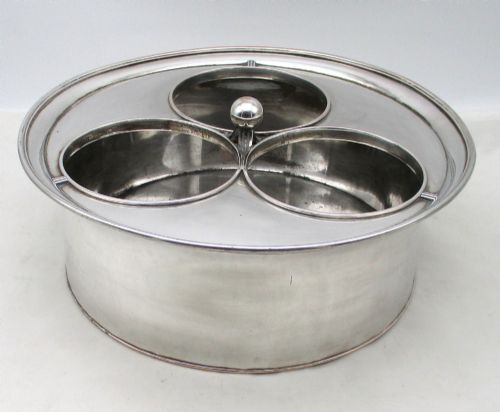
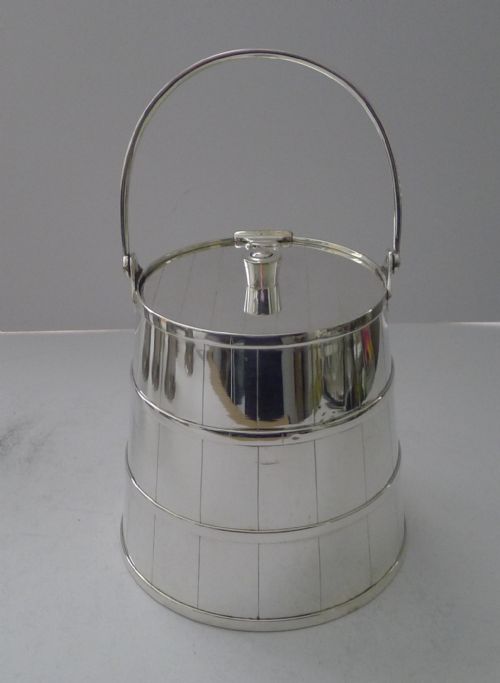
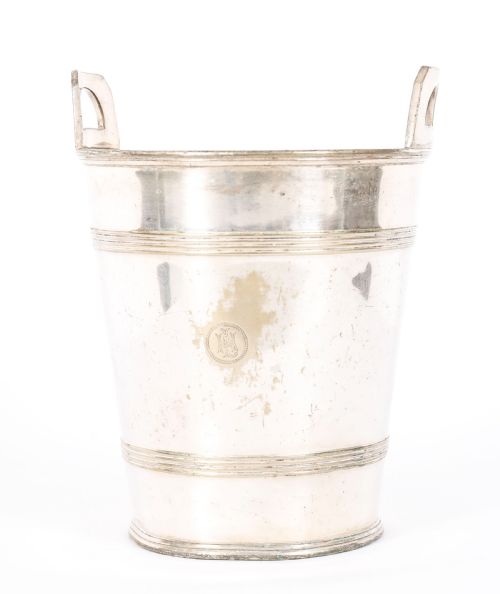
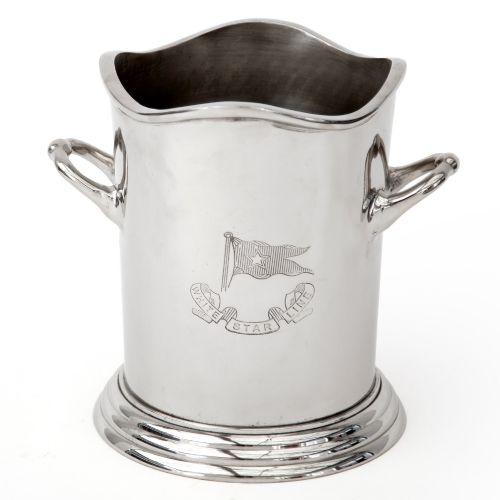
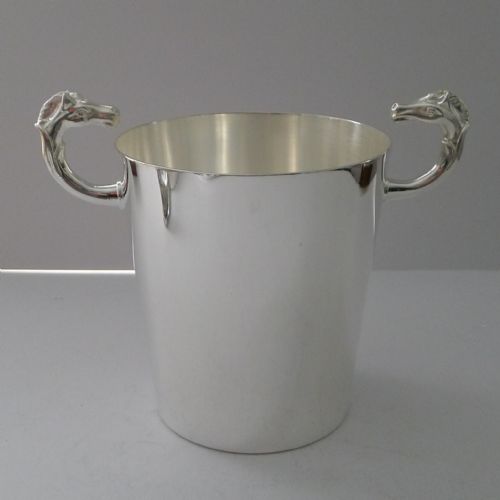
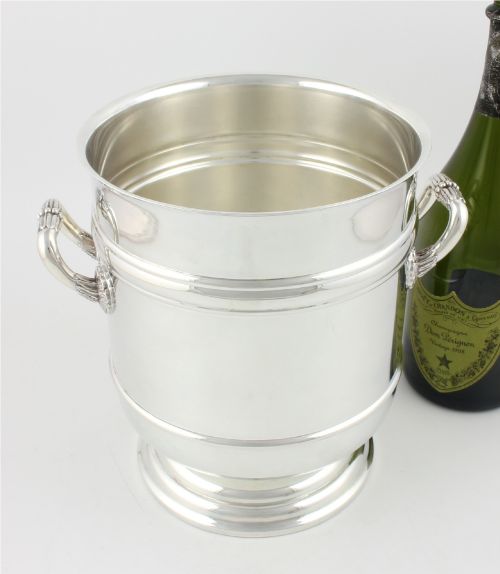
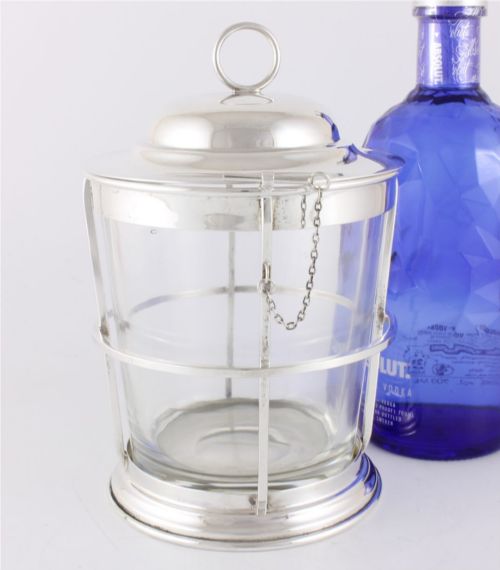
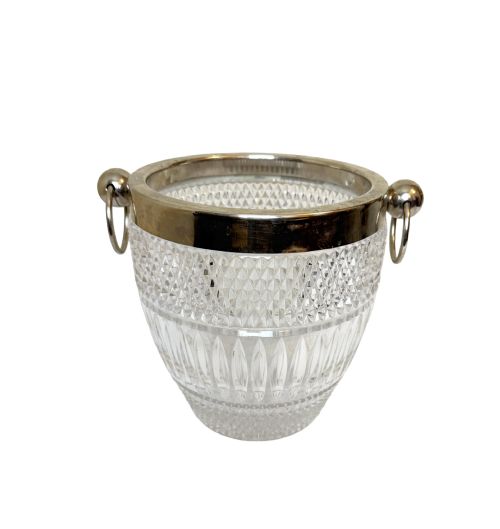
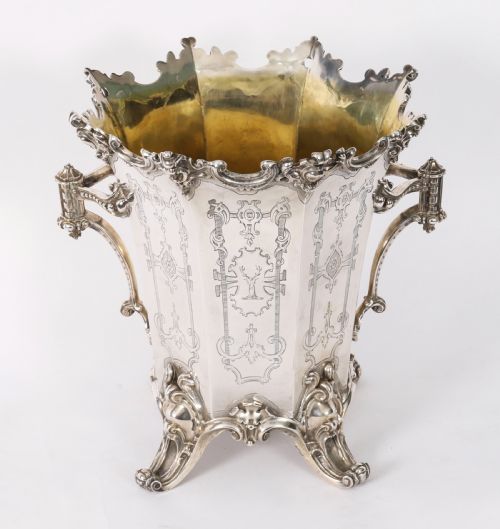
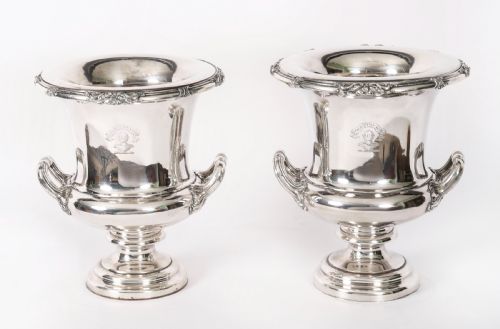
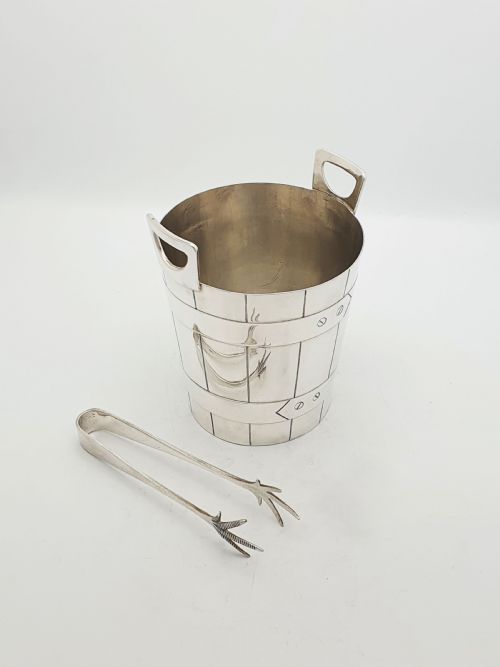
Forms include twin-handled vessels, floor-standing coolers, bucket shapes with glass liners, and novelty barrel designs. Buyers encounter both single bottle holders and large multi-bottle receptacles bearing family crests, regimental titles, or hotel insignias.
Materials and methods of construction
Early pieces rely on Old Sheffield Plate, a technique fusing a thin sheet of silver to a thicker copper ingot before rolling them together into workable metal sheets. This method often reveals a warm copper border along the rim or base of eighteenth and early nineteenth-century coolers.
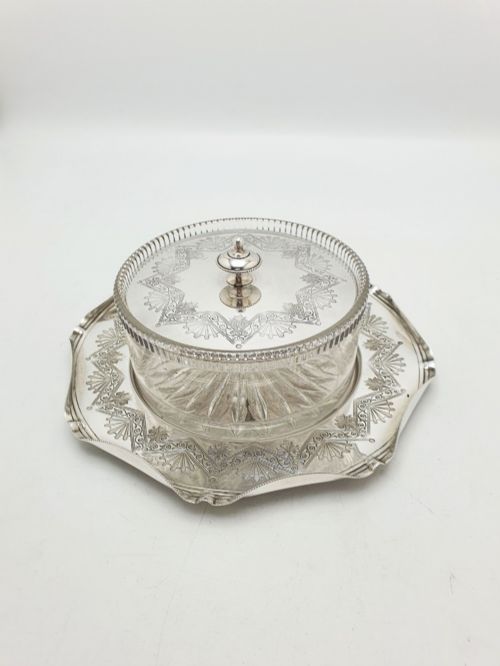
By the mid-nineteenth century, electroplating superseded Old Sheffield Plate, depositing a coating of silver onto a base metal such as nickel silver or copper via an electrical current. Manufacturers combined this silver plate with cut glass liners, brass details, and applied cast ornament like tendrils, flower heads, and heraldic crests.
Distinctions in craftsmanship and design
Quality rests in the weight of the metal, the crispness of chased or embossed decoration, and the integrity of the underlying structure. Heavier castings, substantial gauge silver plating, and securely soldered handles separate robust display pieces from lighter, mass-produced domestic items.
Maker attribution elevates certain pieces, with recognised firms such as Elkington, Mappin & Webb, and Christofle commanding attention for their refined proportions and documented provenance. The presence of original fitted components, including cut glass inserts and matching tongs, preserves the integrity of the object.
Hutton Sheffield·Christofle·Elkington Mason And Co·WMF·Mappin And Webb·Barker Ellis·Dawson·Elkington And Co·John Round And Son·Walker And Hall·Ercuis·Puiforcat
The Antique Silver Plate Cooler Glossary
- Old Sheffield Plate
- A composite material made by fusing silver to a copper core prior to shaping. This predecessor to electroplating leaves characteristic copper seams visible at cut edges.
- Electroplated Nickel Silver
- A base alloy of copper, nickel, and zinc coated with a layer of pure silver through electrolysis. This technique dominated manufacturing from the Victorian era onward.
- Champagne Cooler
- A deep vessel designed to hold ice and water alongside a wine bottle. These items appear in single, magnum, and floor-standing configurations.
- Ice Pail
- A smaller container equipped for holding ice cubes rather than chilling whole wine bottles at the table. Many include swing handles and internal glass liners.
- Crest
- An engraved or applied heraldic device denoting the original owner, regiment, or institution. These emblems frequently appear on presentation pieces.
Antique Silver Plate Cooler: Frequently Asked Questions
How do I clean an antique silver plate cooler?
Wash the vessel using warm water and a mild detergent, avoiding abrasive cloths that strip the remaining silver layer. Apply a specialist silver polish sparingly to lift tarnish without scrubbing down to the base metal.
Dry the item thoroughly with a soft lint-free cloth after cleaning to prevent water spots. Store the cooler in a dry environment away from direct sunlight to minimise future oxidation.
Can I still use these coolers for parties?
These vessels function effectively for chilling wine and champagne today just as they did centuries ago. Ensure that any interior glass liners are secure and watertight before filling the container with ice.
Avoid leaving melting ice or salted water inside plated metal vessels for extended periods after use. Empty and dry the interior promptly to protect the historic metal surfaces.
How do I distinguish Old Sheffield Plate from later electroplate?
Examine the edges and high points of the object for subtle hints of a rosy copper tone beneath the silver surface. Old Sheffield Plate displays this characteristic copper show-through naturally from the fusing process.
Electroplated pieces generally reveal a greyish base metal rather than warm copper where the silver coating wears away. Maker marks and manufacturing stamps also help date the transition to electroplating in the nineteenth century.
What is the difference between a wine cooler and an ice bucket?
Wine coolers feature deeper, wider proportions engineered to accommodate a bottle alongside ice and water. They often incorporate sturdy handles or stands to support the heavier weight when filled.
Ice buckets are typically more compact vessels intended strictly for serving ice cubes to guests. They frequently include lids and specialised tongs rather than bottle-retaining rims.