


Vintage Ice Pail
A vintage ice pail brings practical function and polished presence to a gathering, offering chilled hospitality through silver plate and cut crystal.
Vintage Ice Pail
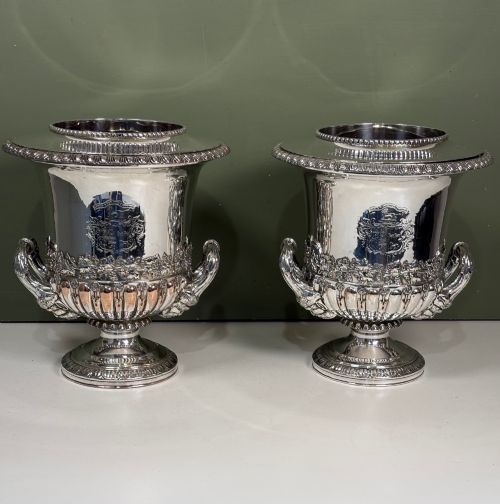
When you search for a vintage ice pail, you encounter a focused category of barware and hosting vessels designed to keep ice or bottles cold during service. These objects span from nineteenth century wine coolers and Regency cut crystal tubs to mid century Italian lidded pails and Art Deco champagne buckets.
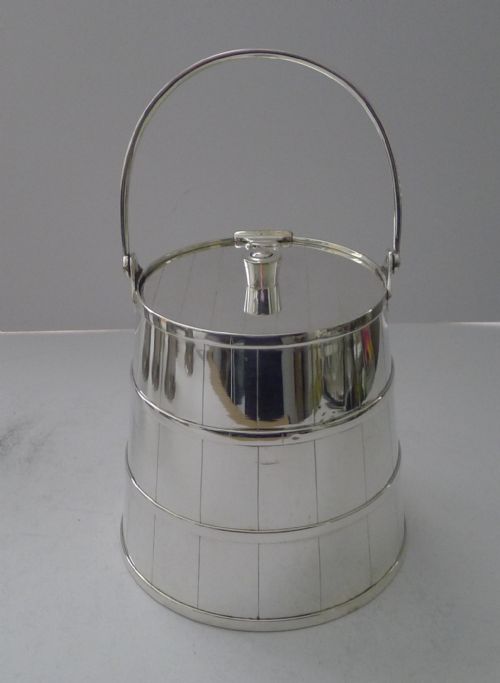
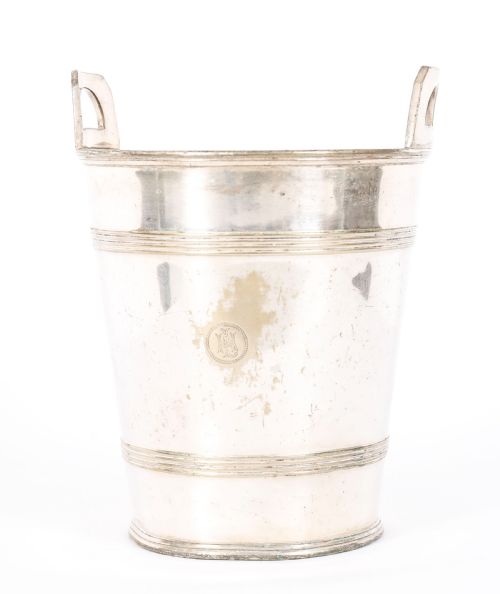
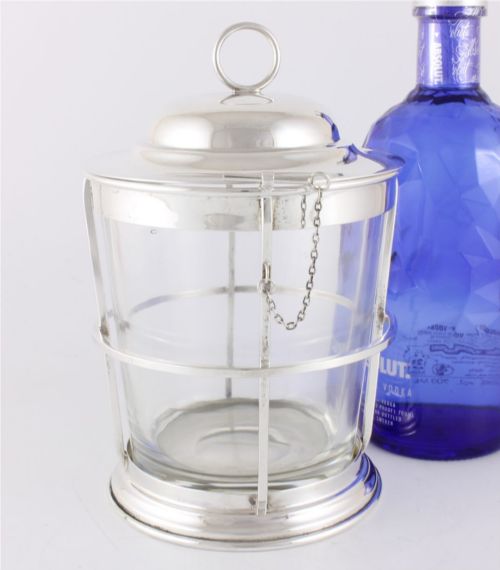
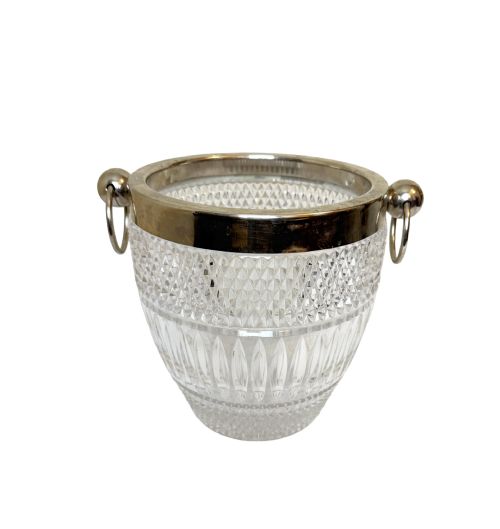
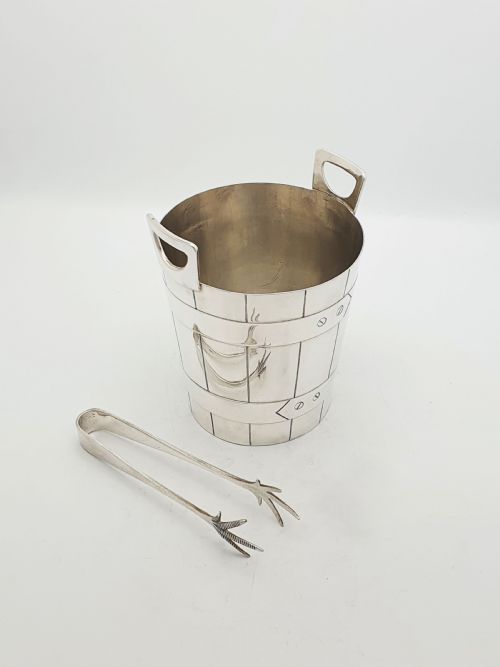
The versions most common on this page are silver plated vessels paired with cut glass or lead crystal liners, alongside oak barrels bound in brass or silver plate. Origins range across English, French, and Italian workshops, reflecting shifts in entertaining habits from Victorian dining rooms to twentieth century cocktail hours.
Materials and construction methods
Makers utilised heavy silver plate and Old Sheffield plate over base metals, alongside solid silver or copper, shaping them through spinning, embossing, and casting. Handles, claw feet, and rims often received applied cast ornamentation such as cherubs, dolphins, or lion masks.
Vessels integrate cut glass, lead crystal, ceramic creamware, or glass liners held within metal frames, combining refractive clarity with thermal containment. Oak staves secured by brass or silver plated bands draw directly from traditional cooperage techniques adapted for domestic barware.
The listings show pieces spanning from the nineteenth century through the 1950s, utilising silver plate, cut crystal, oak, and copper.
Distinctions in craftsmanship and design
Quality rests in the substantial weight of the metal and the depth of the crystal cutting rather than surface shine alone. Superior examples display crisp hand chasing on embossed panels, sturdy handle mountings that remain firm under heavy loads, and properly fitted original liners.
Design ambition separates standard commercial production from workshop pieces bearing named markers. Well executed proportions, integrated draining spoons, and matched tongs indicate a higher tier of domestic silver and glass manufacturing.
Hutton Sheffield·PH Vogel·IMA·Dawson·Christofle·Matthew Boulton Co·Luc Lanel·Macabo
The Vintage Ice Pail Glossary
- Silver plate
- A layer of silver fused or electroplated onto a base metal such as copper or nickel brass. This technique allowed makers to achieve the appearance of solid silver at a lower cost.
- Cut crystal
- Glass containing lead oxide that is hand cut with geometric or floral facets to increase brilliance and weight. It provides sparkling transparency inside metal frames.
- Old Sheffield plate
- An early nineteenth century technique of fusing a thin sheet of silver to a copper ingot before rolling and shaping. This method creates a warm metallic tone distinguishable from later electroplate.
- Wine cooler
- A large vessel designed to hold bottles chilling in ice or water during a meal. These pieces often feature handles and deep basins suited for grand dining tables.
Vintage Ice Pail: Frequently Asked Questions
How do I clean a vintage silver plated ice pail?
Wash the vessel gently using warm water, mild washing liquid, and a soft cloth to protect the plated surface from abrasive wear.
Dry the metal thoroughly immediately afterward and use a specialised silver polish sparingly only when necessary to maintain the finish.
Are these pails waterproof for holding ice?
Most metal pails rely on fitted glass, crystal, or ceramic liners to hold melting ice and water safely away from the outer plating.
Solid metal or wood stave vessels with sealed metal linings handle direct ice contact, though checking for hairline leaks in older liners is advisable.
What is the difference between a champagne bucket and an ice pail?
Champagne buckets generally feature deeper bodies and wider rims designed to submerge entire wine or champagne bottles upright in ice.
Ice pails tend to be more compact vessels intended specifically for holding ice cubes, often accompanied by matching tongs and smaller liners.
How can I tell the period of a piece?
Stylistic indicators such as geometric Art Deco lines, heavy Victorian embossing, or Regency cut crystal facets offer clear chronological clues.
Maker marks, registration numbers, and base stamps provide further confirmation of a piece's manufacturing decade.